Overview: Reviews describe a facility with a marked split between strong, individual-level caregiving and systemic operational weaknesses. Many families and patients praised specific nurses, CNAs, therapists, and case managers for compassionate, attentive care and effective rehabilitation; others described serious concerns about clinical processes, responsiveness, and facility maintenance. That divergence creates an unpredictable experience where outcomes depend heavily on shift, unit, and specific staff on duty.
Care quality and clinical operations: Clinical performance appears uneven. Positive accounts highlight effective physical therapy, successful short-term rehabilitation outcomes, and attentive wound-care nurses on some shifts. In contrast, other accounts cite inconsistent wound dressing practices, delayed transfers to higher-acuity care, missed or poorly documented medication doses, and infection-control lapses. These clinical inconsistencies are frequently described alongside delays in emergency response and prolonged waits for ambulance transfers. Collectively, the pattern suggests gaps in standardized clinical protocols, documentation, and escalation procedures.
Staffing, communication, and conduct: Many reviewers singled out individual staff as highly compassionate and reliable; social workers and certain case managers received repeated praise for coordination and family communication. At the same time, families reported chronic understaffing, slow call‑bell responses, and staff who appeared overextended. Language barriers and limited English coverage were noted as recurring communication challenges for non‑English speakers. There were also reports raising concerns about staff conduct, accountability, and how complaints are handled; some reviews indicated these concerns were escalated to outside authorities.
Dining, activities, and daily life: Experiences with meals and programming vary. Several families described accommodating meal service and active recreational programming including daily entertainment and social events. Others reported inconsistent food quality, missing meals, and limited activity engagement that affected perceived quality of life. Activity offerings appear to be a strength at times but not uniformly available across shifts or units.
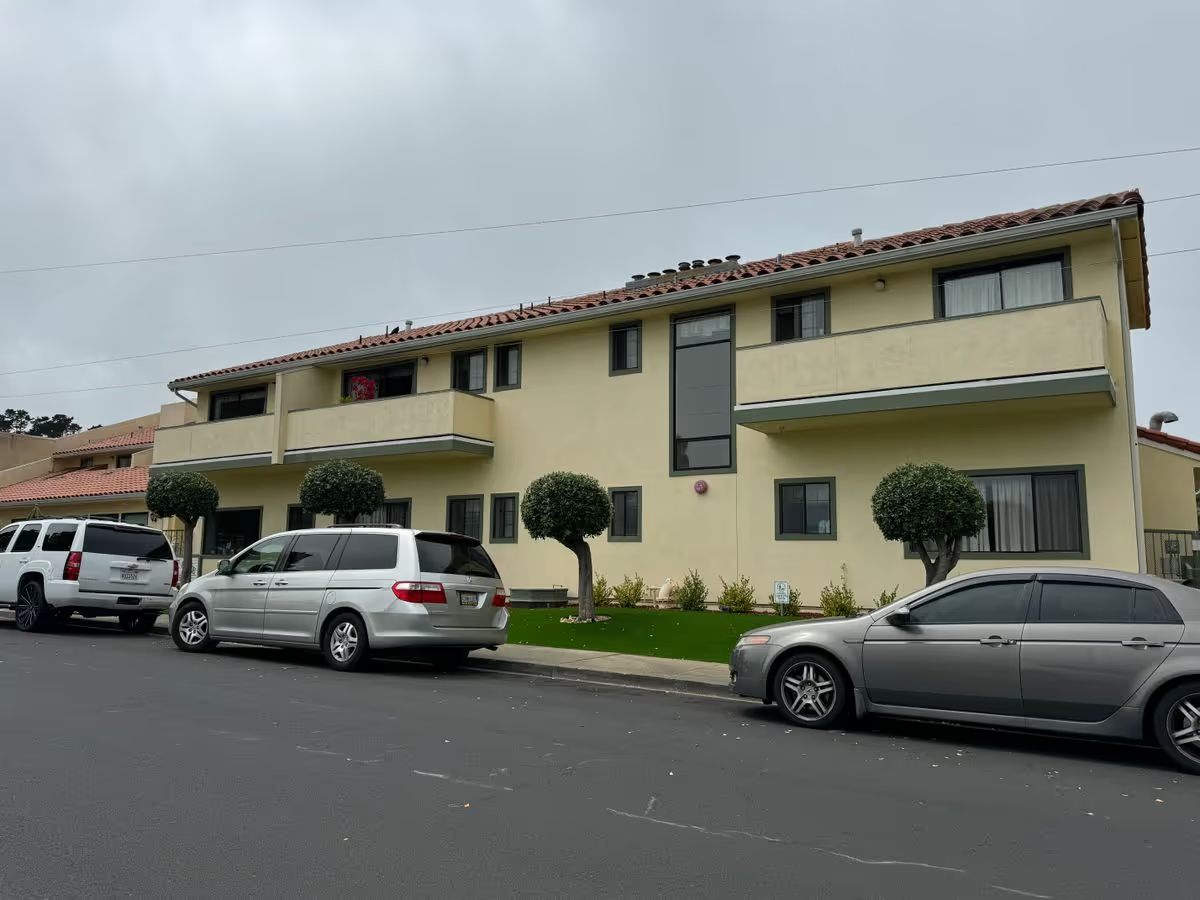
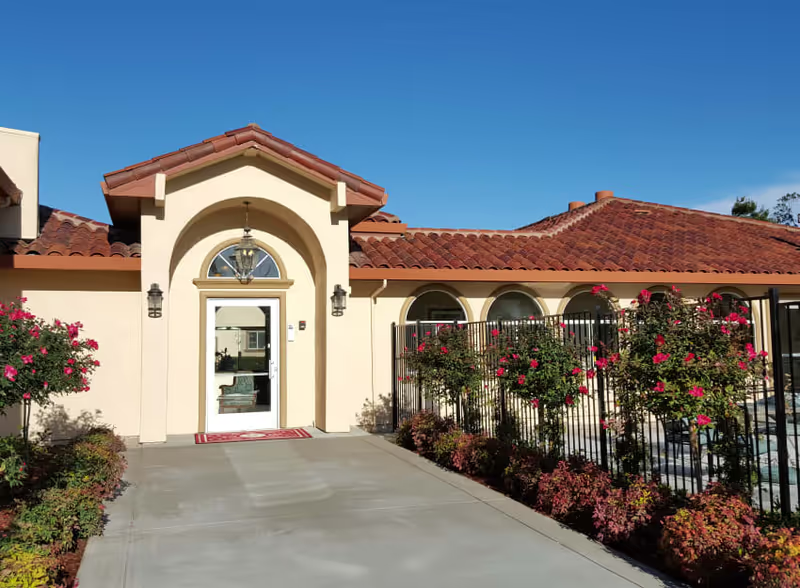
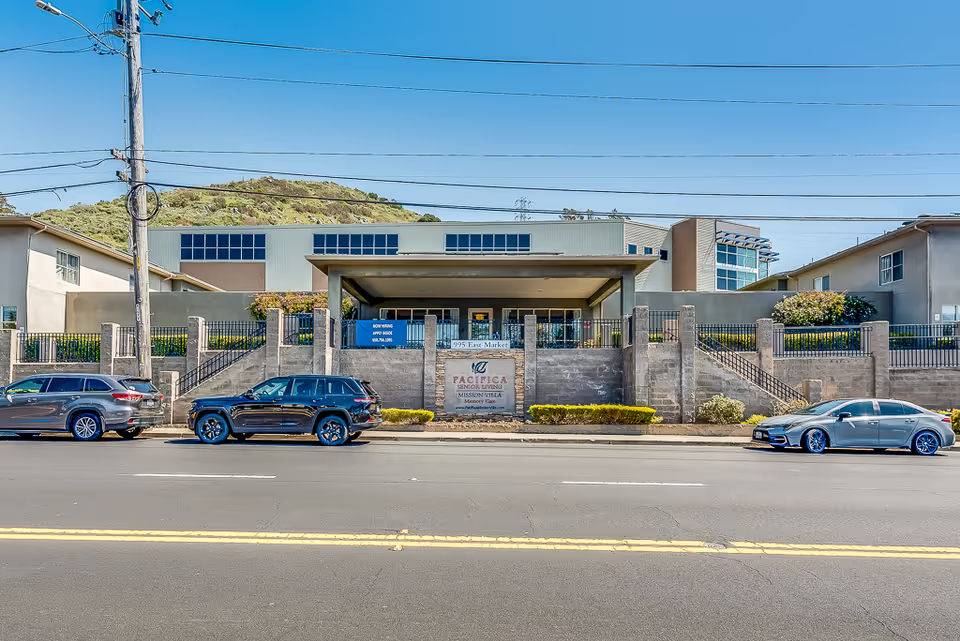
Facilities, cleanliness, and maintenance: Facility condition reports are mixed. Many reviewers found rooms clean and comfortable with a secure admission process, while others noted sanitation concerns, linen shortages, plumbing/maintenance problems affecting showers and water temperature, and noise or roommate‑fit issues in shared rooms. Personal-item security and loss/ misplacement of clothing or supplies were also recurring themes, pointing to weaknesses in inventory and storage procedures.
Management and administration: Administrative responsiveness and leadership stability were commonly questioned. Positive notes cite helpful admissions staff and effective case managers; negative remarks emphasize front-desk rudeness, delayed billing resolution, inconsistent documentation, and repeated leadership turnover. These management-level issues appear to amplify clinical and operational problems by limiting effective complaint resolution and follow-through on corrective actions.
Notable patterns and considerations for families: The dominant pattern is variability—some patients receive excellent, attentive care and achieve good rehabilitation outcomes; others experience delays, protocol gaps, or facility-level issues that pose safety and comfort risks. Understaffing and inconsistent clinical practices are the most frequently cited root causes of negative experiences. Prospective residents and families should ask targeted questions about current staffing ratios, wound‑care and infection‑control protocols, call‑bell response times, language-translation availability, and how personal belongings and linen are secured. Speaking with recent families about specific shifts and reviewing the facility’s incident and inspection history may help clarify whether the facility’s strengths reliably match an individual resident’s needs.