The collective impression is mixed: reviewers describe both clear strengths and serious operational weaknesses. Strengths center on the caregiving and rehabilitation teams, which many families and visitors characterize as compassionate, attentive, and personally engaged with residents. The facility runs an active calendar of events and a notable community-outreach program called "A Heart to Serve" that reviewers say enhances resident self-esteem and social purpose. Several accounts also praise administrative and front-desk staff for friendliness and recent enhancements to check-in and security procedures. There is expressed optimism about leadership change and potential for improvement under engaged management.
Care quality is uneven. Positive remarks highlight dedicated staff who form personal connections and rehabilitation personnel who go above and beyond, but these are contrasted with frequent accounts of delayed responses to care needs, inconsistent follow-through, and concerns about medication timing and coordination. Several reviewers described delays in attending to personal needs and instances that indicate gaps in routine care practices. There are also specific concerns framed as clinical-safety weaknesses, including lapses in infection-control technique and inconsistent adherence to established clinical protocols.
Dining and nutrition receive mixed evaluations. Some reviewers commend the food and accommodating meal service, while others identify operational weaknesses: reliance on pre-prepared items, inconsistent preparation of texture-modified diets, questioned food-dating practices, and occasional food-quality concerns. These descriptions point toward variability in kitchen oversight and food-safety controls rather than a uniform dining standard.
Activities and social life are reported as a relative strength. The facility appears to offer regular programming, social opportunities, and meaningful outreach that contribute to residents' sense of community. Rehabilitation services are frequently described as energetic and supportive of recovery goals.
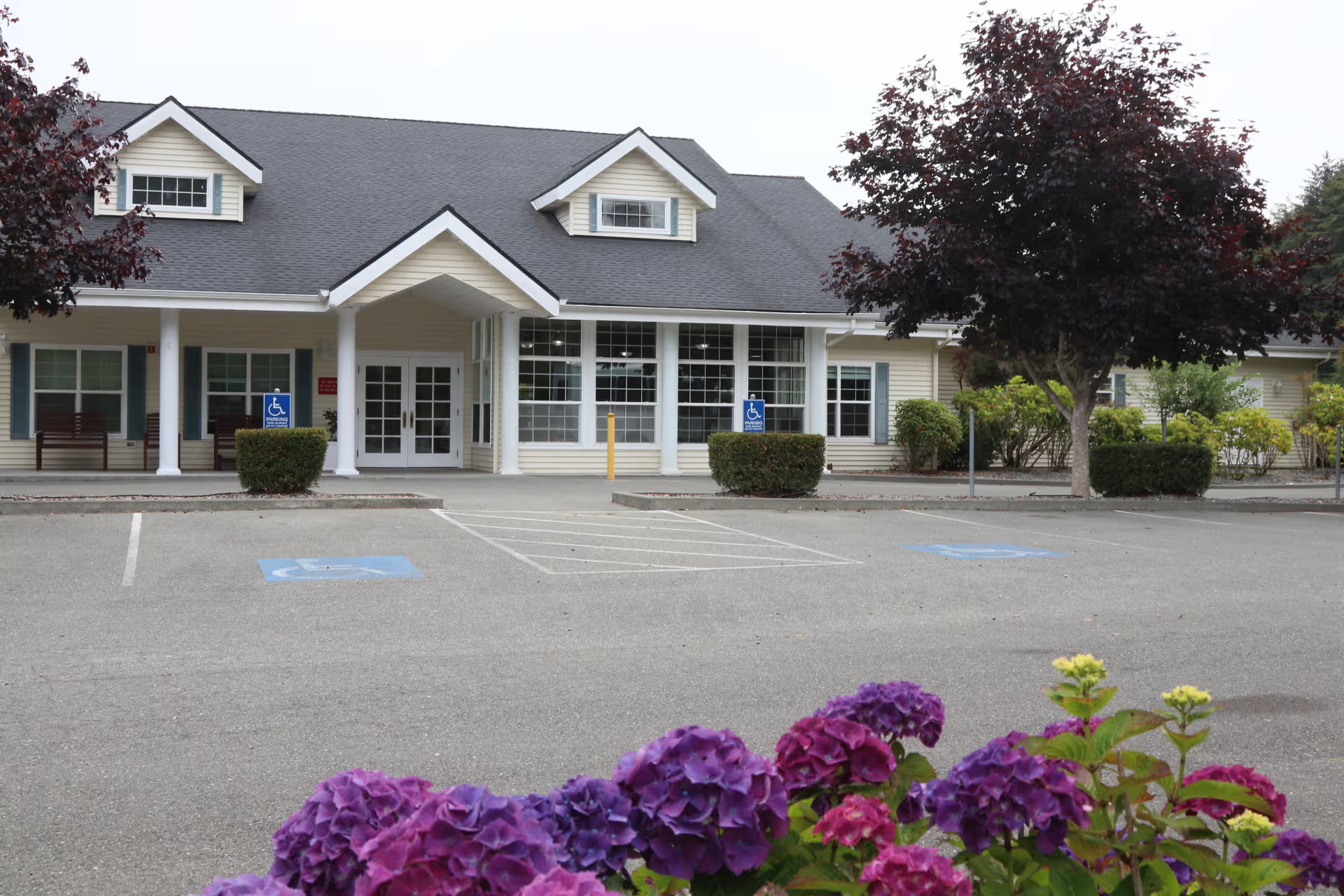
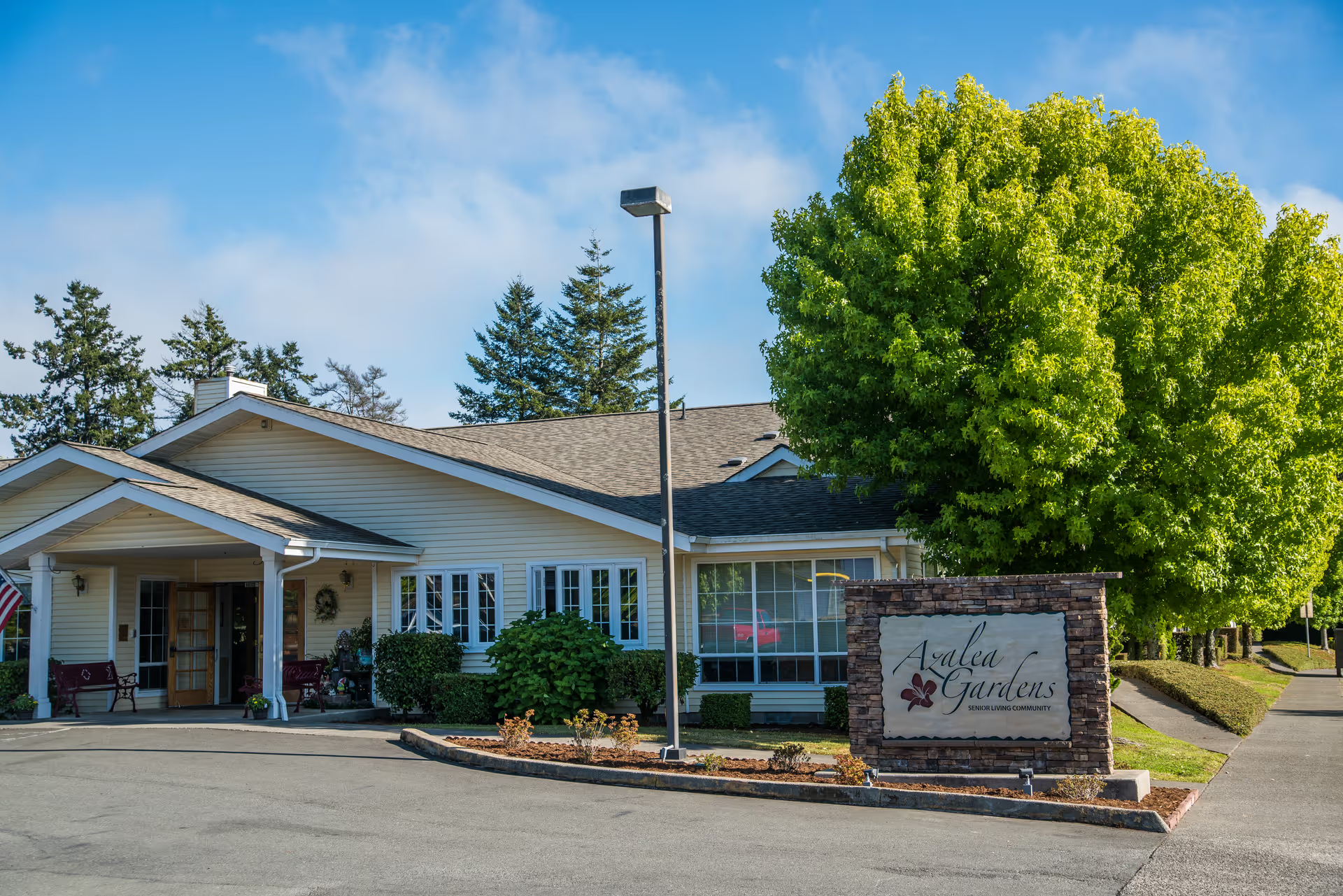
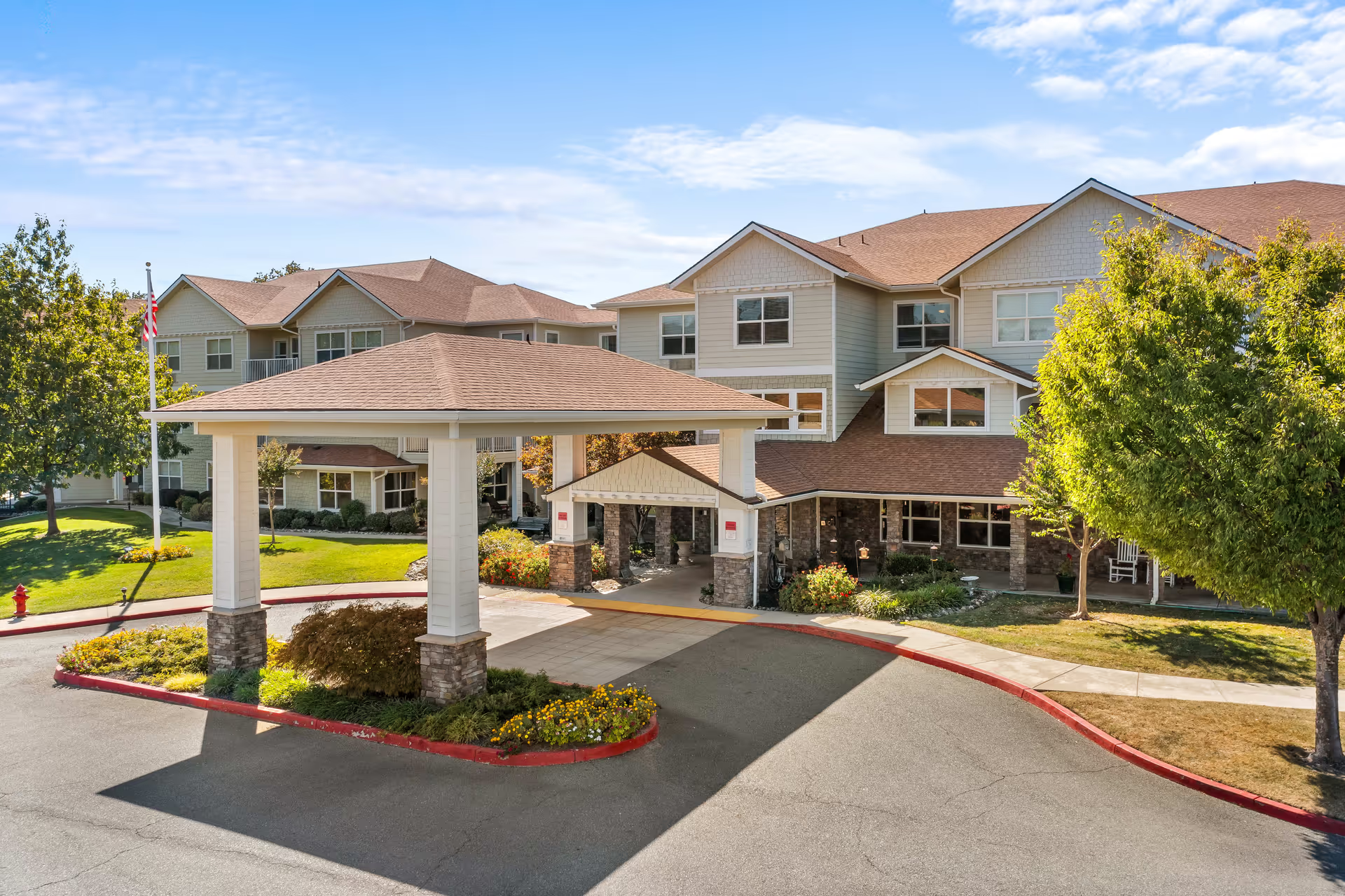
Facility condition and maintenance present a split picture. Reviewers note an aging building with ongoing roof and upgrade projects alongside comments that parts of the building are clean and well kept. At the same time, there are recurring cleanliness and maintenance concerns and mentions of inconsistent housekeeping in some areas. Safety and compliance issues are also raised—specifically chemical-handling and workplace-safety concerns—and there are allegations related to payroll and labor-practice compliance that families may want to clarify directly with management.
Communication and management responsiveness emerge as another consistent theme. Some families report family-oriented accommodation and constructive problem-solving by management, while others describe inconsistent information, unresponsiveness, and variable follow-through. Staffing pressures—linked in reviews to pay and turnover—appear to be an underlying factor contributing to many operational challenges, including night coverage shortfalls and variability in personal-care assistance.
Overall, Seaview Rehabilitation and Wellness Center presents a combination of strong person-centered caregiving and programming alongside systemic operational issues that affect consistency of care. Prospective residents and families would benefit from focused questions during a tour: current staffing ratios (including night coverage), specific infection-control and medication-administration policies, dining and food-safety protocols for modified diets, recent maintenance and safety inspection outcomes, and any documented actions the current administration has taken to address payroll, staffing, and workplace-safety concerns. This facility shows tangible strengths that could be reinforced, but the noted variability in operations and safety-related practices warrants careful verification prior to placement.