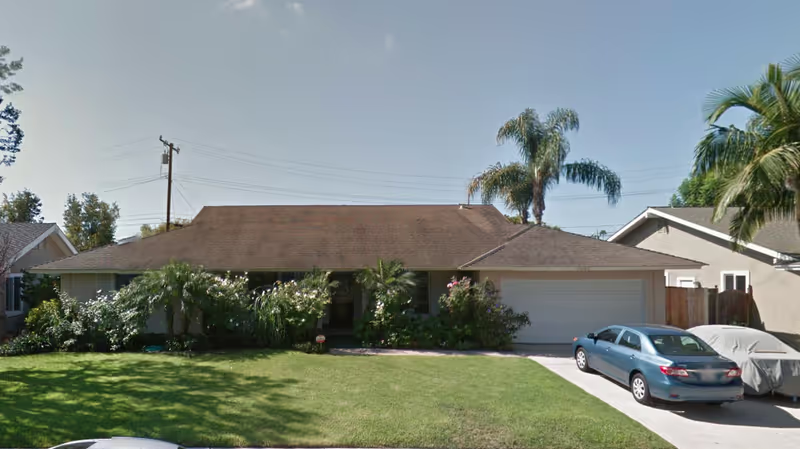
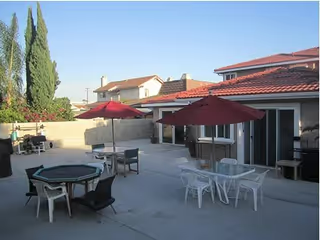
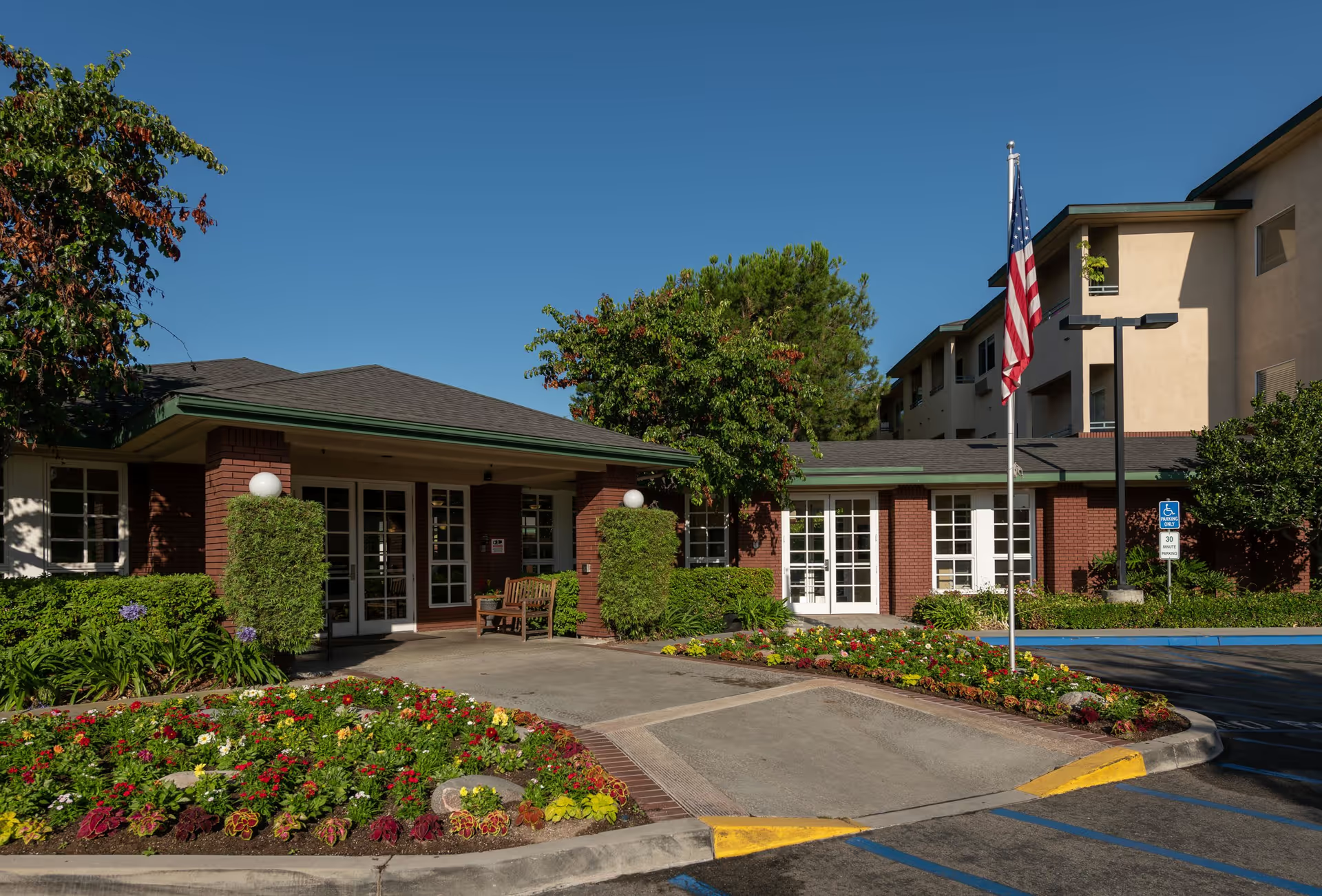
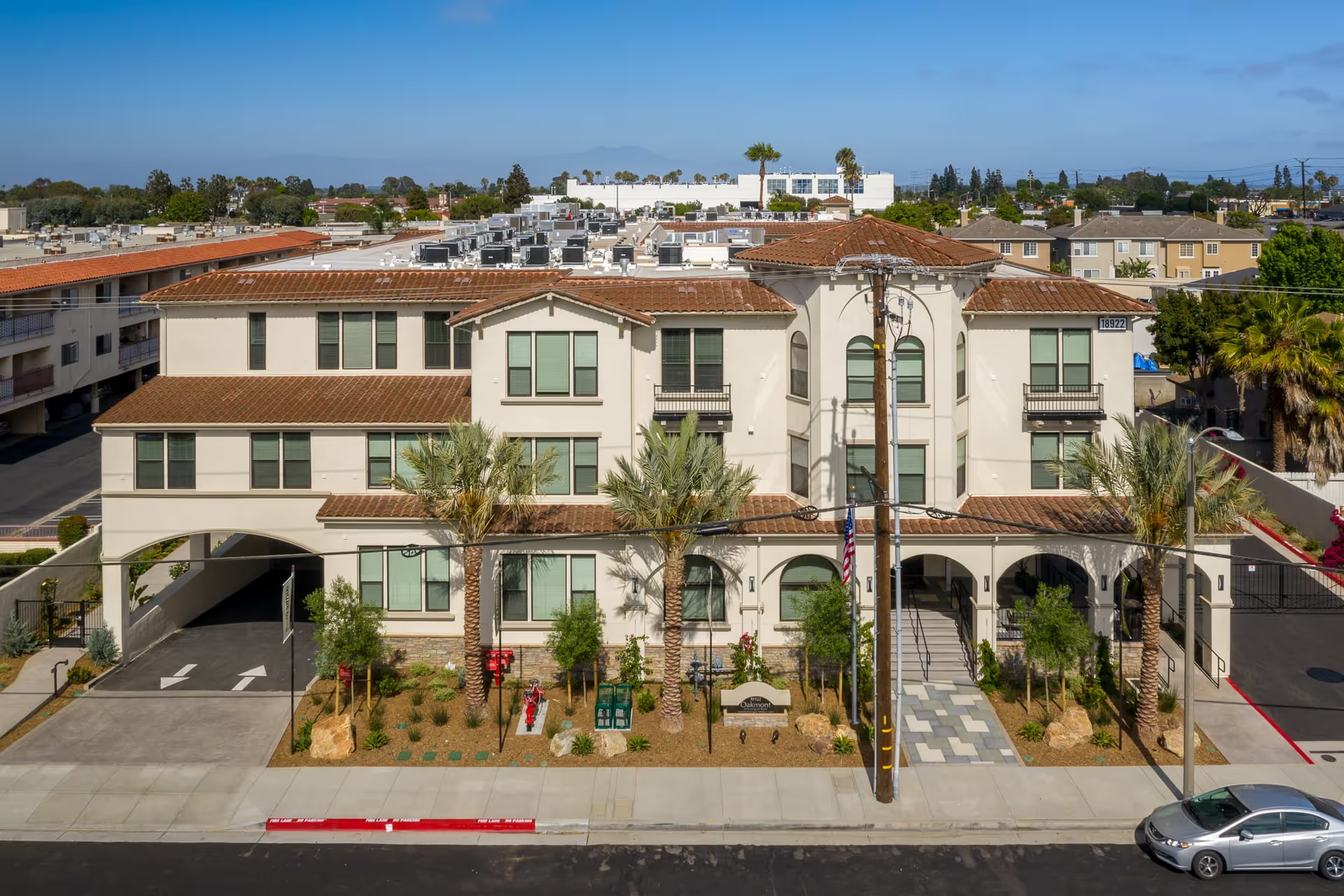
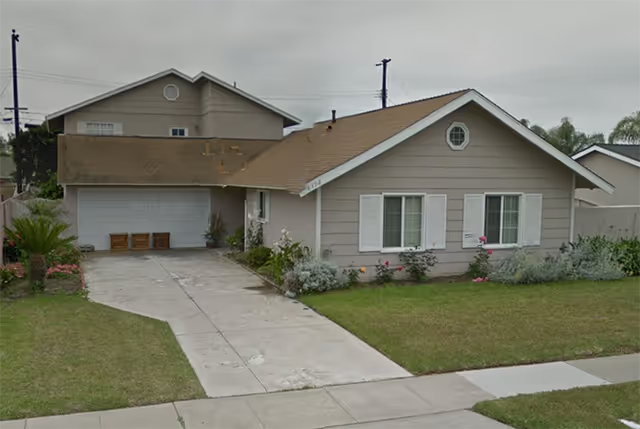
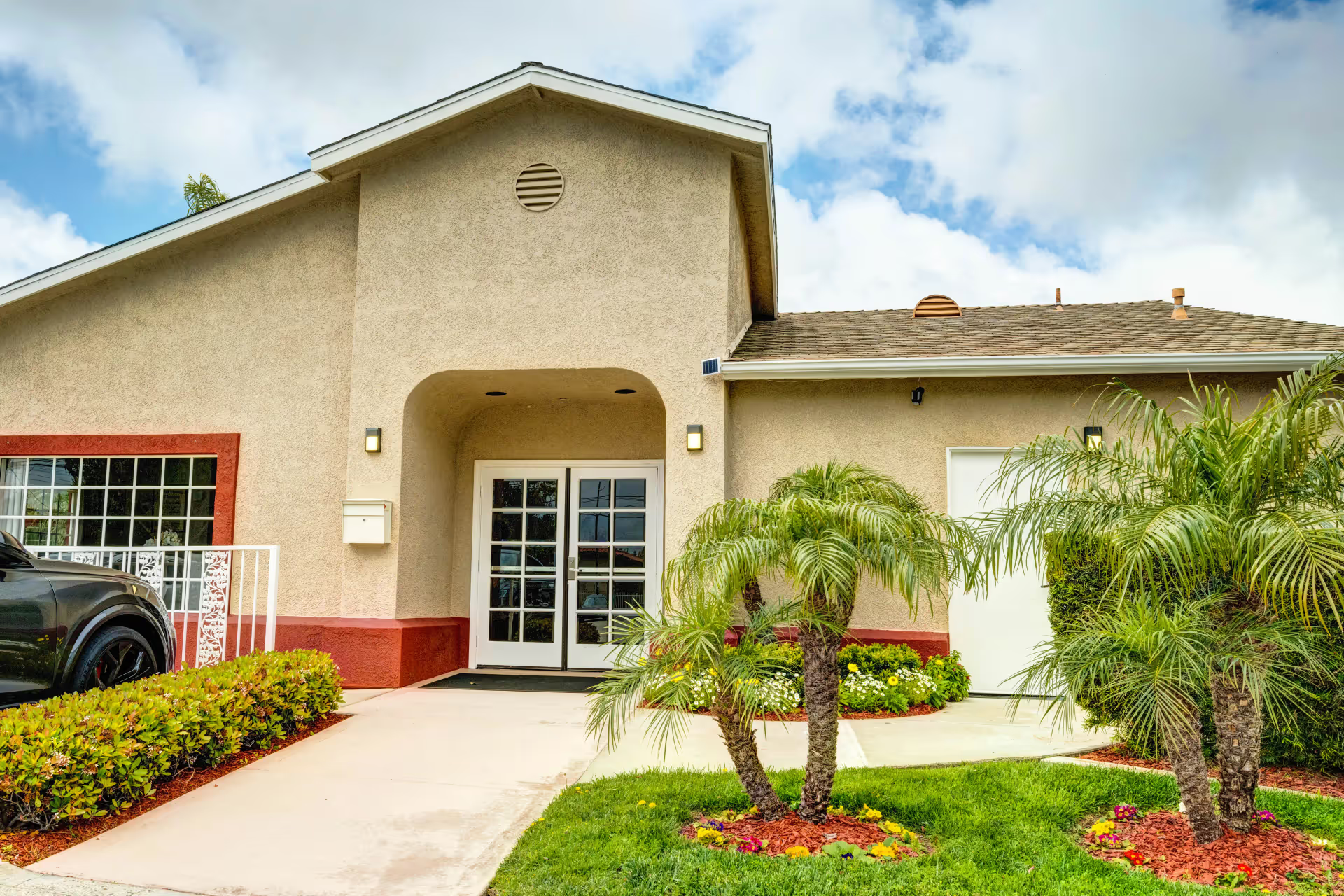
Good Hands Home Care receives repeated praise for its small, home-like environment and personalized touches. Families describe a bright, cheery facility with a backyard garden, tidy common areas, and a generally comfortable atmosphere that many find reassuring. Visitors and family members frequently note that residents appear well groomed and that the physical space is clean and spacious.
Care quality is characterized by hands-on, attentive tasks such as feeding assistance and responsive medication adjustments. Several families reported that staff accommodate cultural and dietary preferences (specifically Italian food choices), and that meal variety is a positive feature; relatives described meals as healthy and enjoyed by residents. These operational strengths contribute to a sense of peace of mind for many visitors and several reviewers offered clear recommendations of the home.
Staff and management receive mixed but largely positive commentary. The director/owner is described by many as accessible, proactive, and communicative; management-level communication and transparency about costs were noted as strengths. Frontline caregivers are often described as friendly and caring, and staff who are hands-on with feeding and personal care were singled out for praise. At the same time, reviewers flagged inconsistent staff demeanor and occasional interpersonal friction, which can affect family impressions.
Notable operational concerns center on language, training, and coverage. A recurring pattern is limited English-language staffing, which can impede direct communication between certain staff members and English-speaking families. Relatedly, some reviewers expressed concerns about caregiver training and periods of reduced supervision or inconsistent staff presence; these comments point toward variability in daily staffing coverage and management visibility. Activity programming also drew comments that it could be improved or made more consistent.
For prospective families, the facility's strengths are its home-like setting, personalized meal service, and communicative director. Important items to address during a visit include confirming the availability of English-speaking staff on the shifts your loved one would receive, asking about caregiver training and staff-to-resident ratios at different times of day, and reviewing the weekly activities schedule. These checks will help align expectations with the facility's documented strengths and the operational areas that reviewers suggested could be more consistent.