Overall impression: The review set presents a divided picture with a predominance of negative operational concerns alongside isolated positive experiences. Several accounts praise individual staff members for being caring, helpful, and courteous, and note an active recreational program. However, recurrent themes indicate systemic problems in day-to-day operations that affect resident comfort, safety, and confidence in clinical care.
Care quality and clinical services: Reviews describe inconsistent clinical responsiveness and communication. Families reported delays in basic care tasks and concerns about timeliness of staff responses to call buttons. There are multiple mentions of therapy and medical staff not fully addressing family or patient concerns, and reviewers described variable rehabilitative outcomes. Because of equipment limitations, staffing patterns, and response-time issues, some commenters explicitly cautioned against using the facility for short-term post-operative or intensive rehabilitation stays.
Staffing and conduct: Accounts include both positive descriptions of individual aides and nurses and repeated concerns about staff conduct, professionalism, and training. Reviewers noted slow responsiveness, repeated calls required for assistance, and instances of staff appearing disengaged during working hours. Observations about heavy workloads and compensation pressures were offered as potential contributors to turnover and uneven performance. These patterns suggest staffing and supervision challenges that can produce inconsistent resident experiences.
Dining and activities: Activity programming is a relative strength; the facility is said to maintain a daily calendar with games, bingo, and other recreational events that some residents and families appreciated. Dining quality, by contrast, was characterized as inconsistent and at times unsatisfactory. Meal service continuity and food preparation were called out as areas needing improvement.
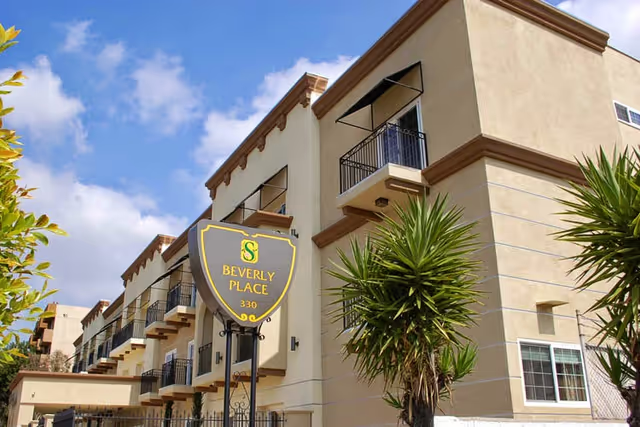
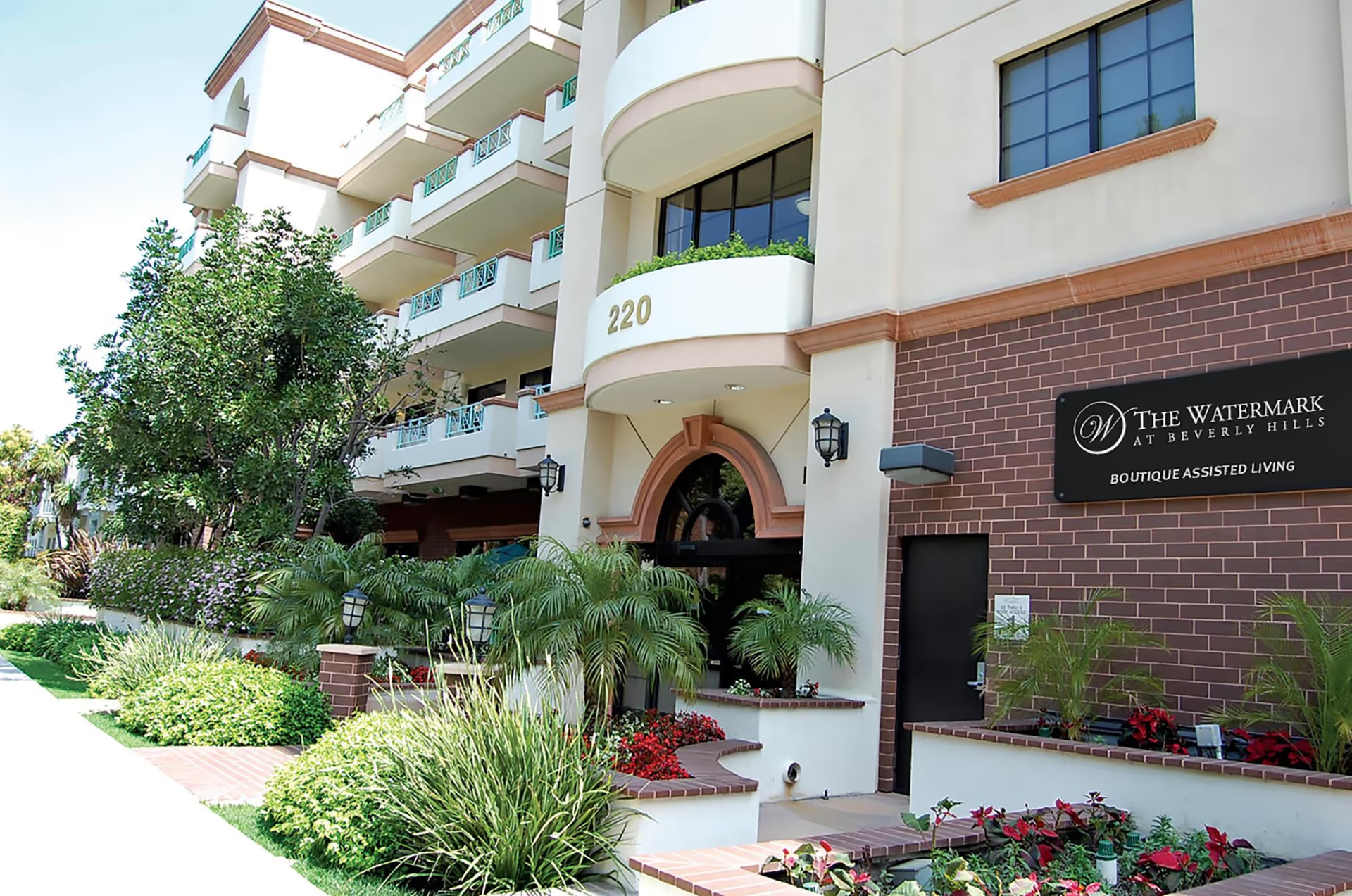
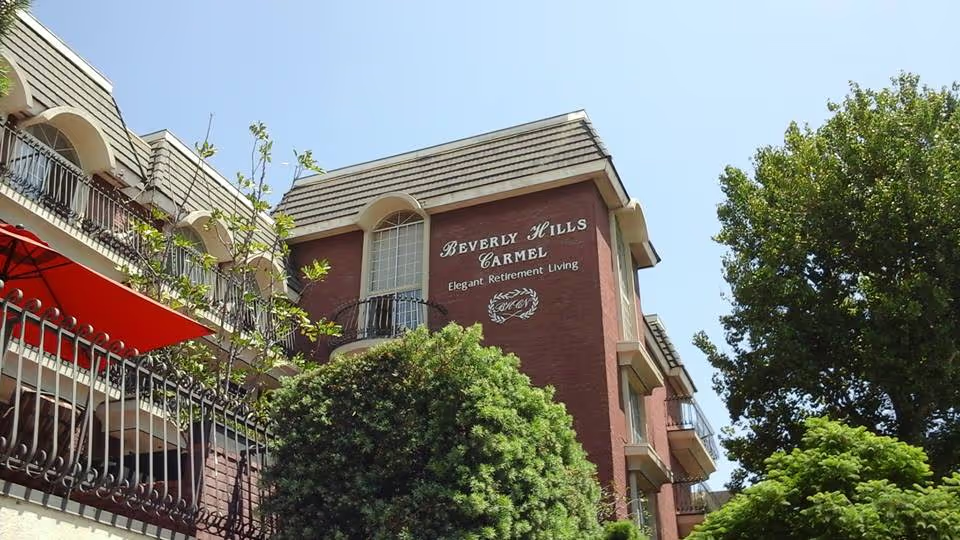
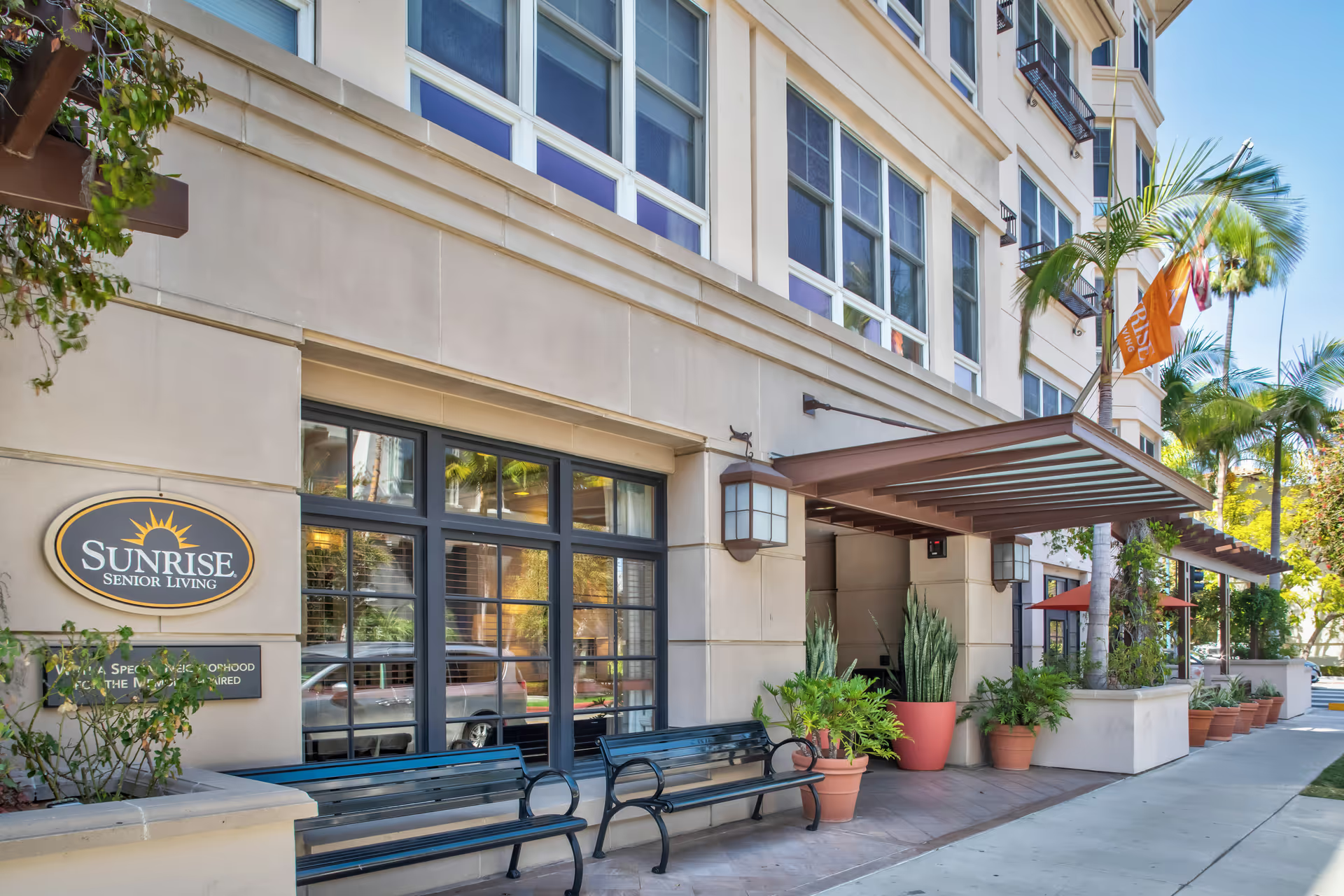
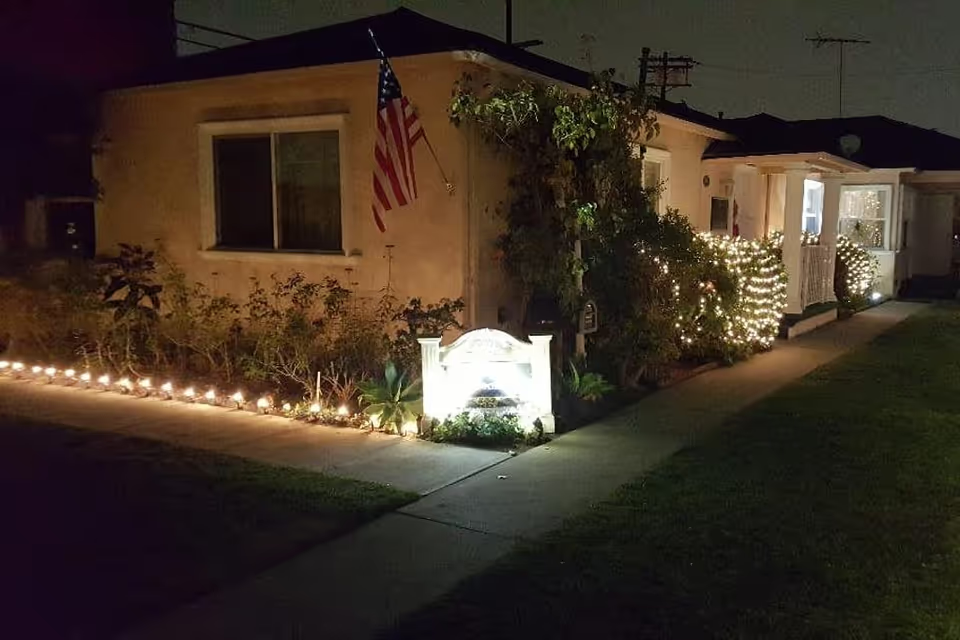
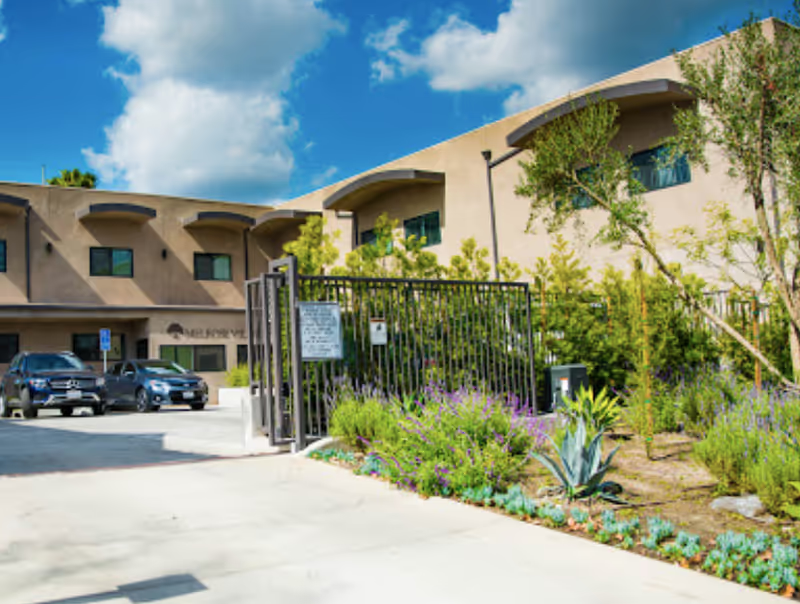
Facilities, maintenance, and infection-control environment: The physical plant is described as aged with ongoing remodeling in places. Reviewers cited outdated or manually operated beds and other equipment, occasional broken furnishings, cramped multi-bed rooms, and odor concerns in common spaces such as elevators. Cleanliness and sanitation inconsistencies and pest-control concerns were raised. Together, these observations point to maintenance and environmental-control deficits that may negatively affect resident comfort and safety.
Management and operational patterns: Several reviews identify front-desk inattentiveness and internal communication breakdowns between departments as recurring operational weaknesses. Slow responses to call buttons, delays in routine care tasks, and maintenance backlogs were reported across multiple accounts. While some staff members received positive mention for taking time with residents and assisting with admissions or discharges, the overall pattern reflects variability in oversight, staffing allocations, and training.
Bottom line: Prospective residents and families should weigh the facility's active activity program and instances of caring staff against repeated accounts of inconsistent clinical responsiveness, aging infrastructure, cleanliness and pest-control concerns, and equipment/maintenance issues. Those seeking a setting for short-term, equipment-intensive rehabilitation may find these limitations significant; families prioritizing strong activity programming and occasional individualized attention may find value in the facility but should probe staffing levels, response times, and maintenance plans during a visit.