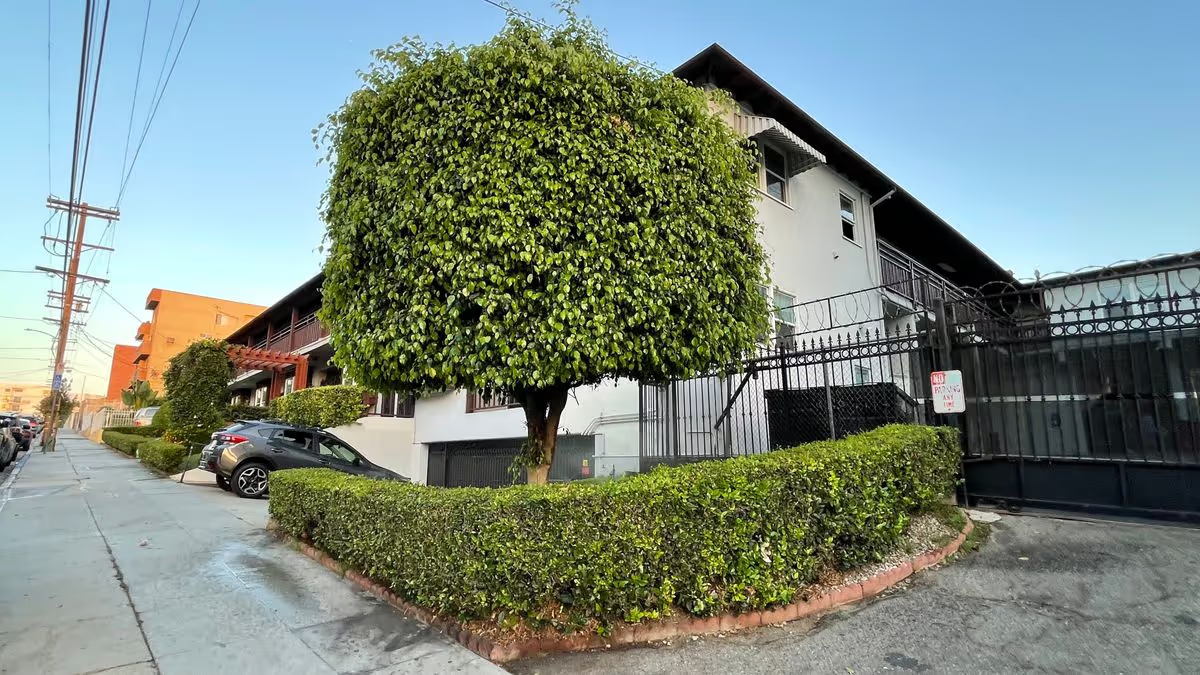
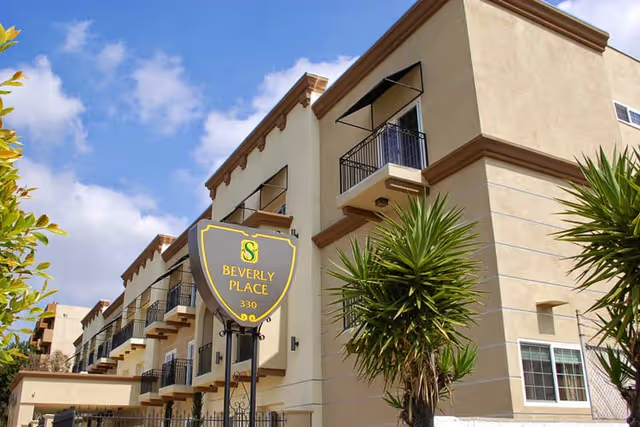
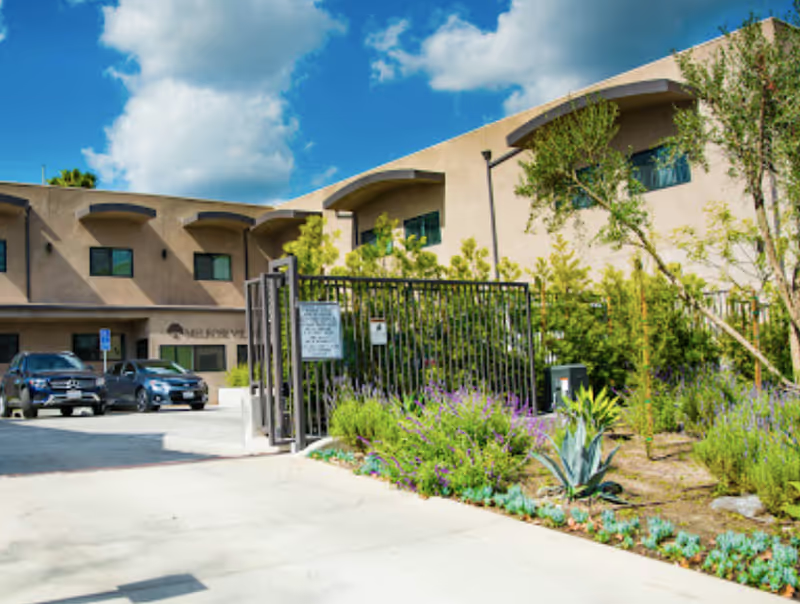
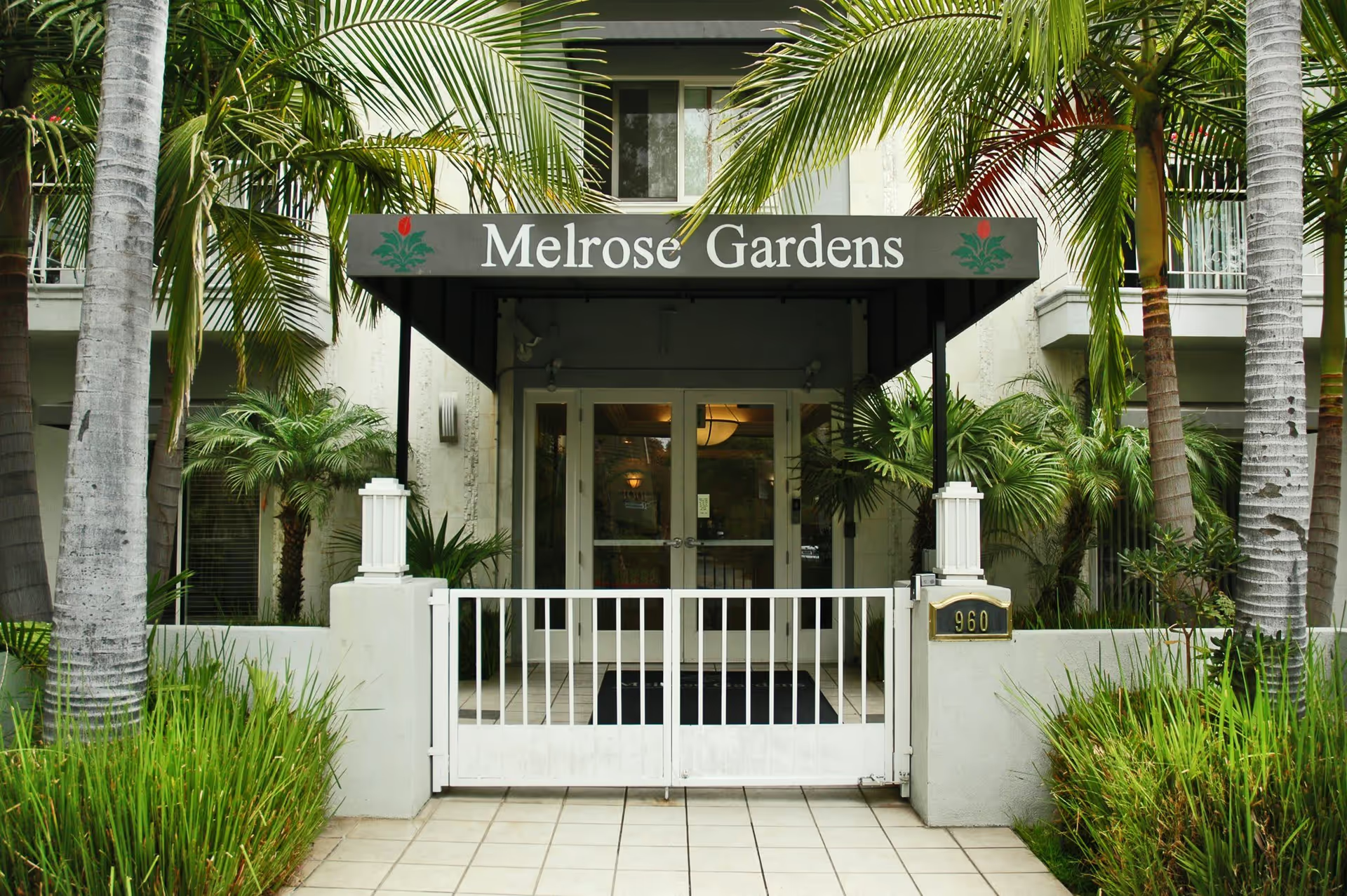
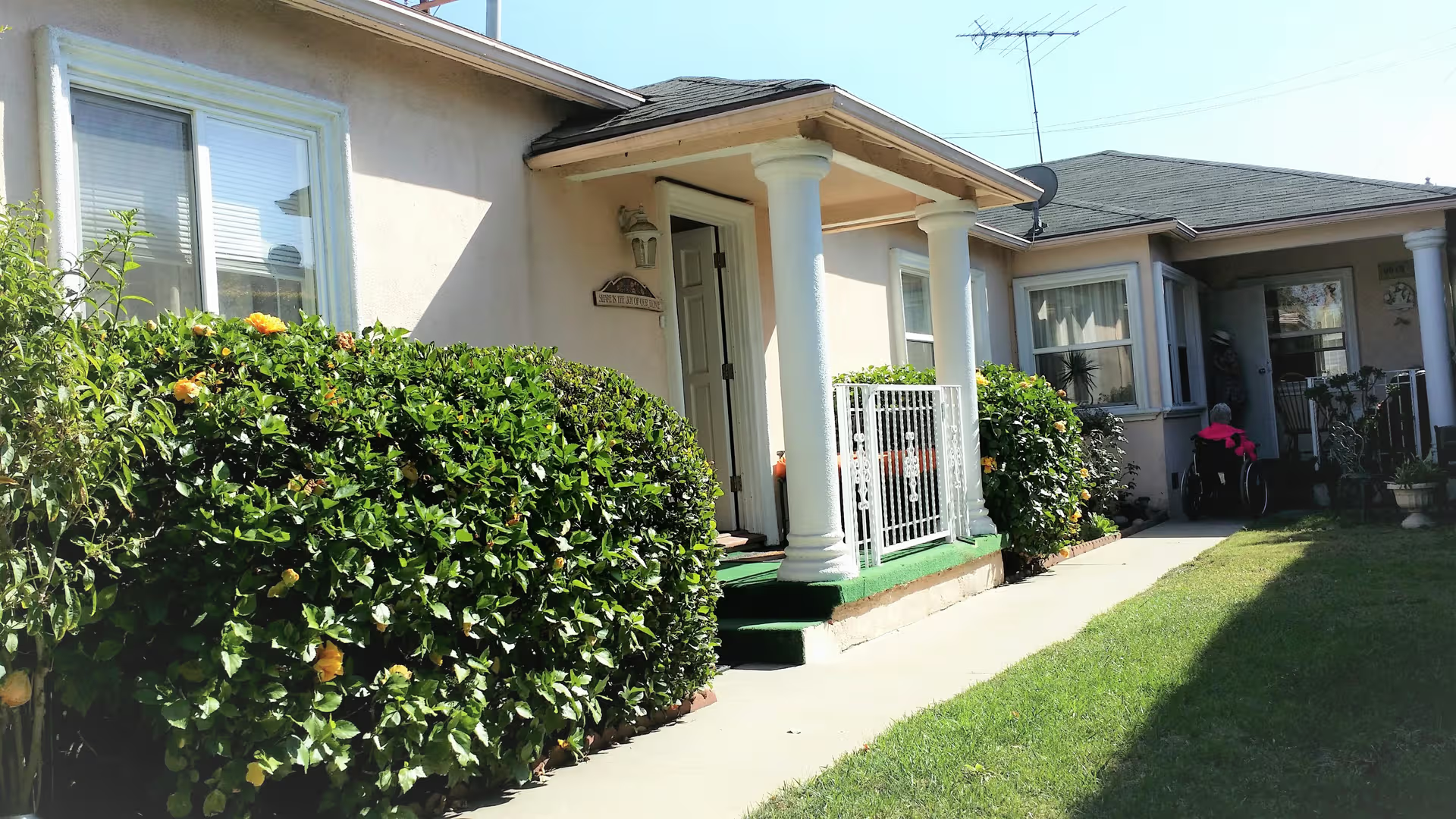
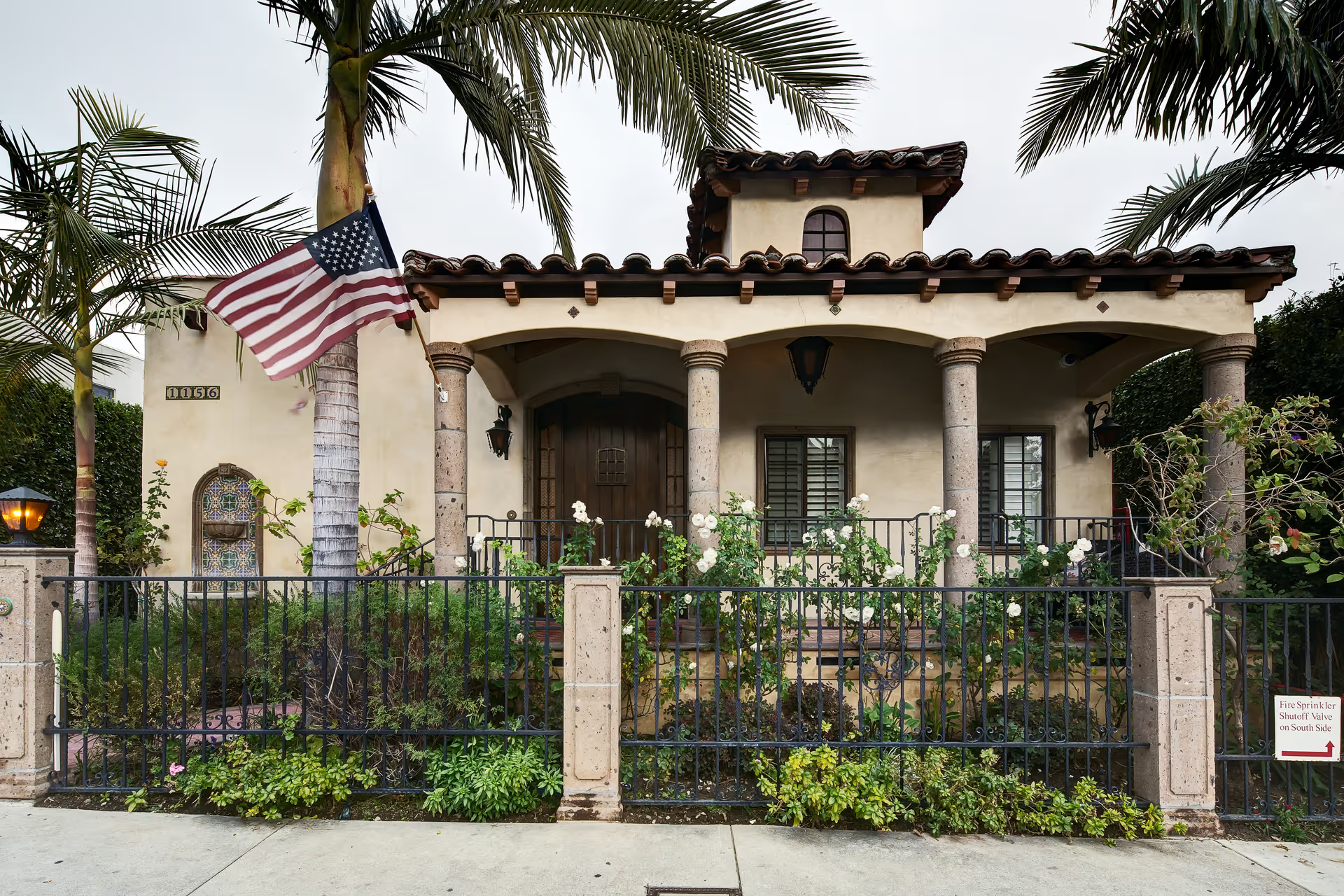
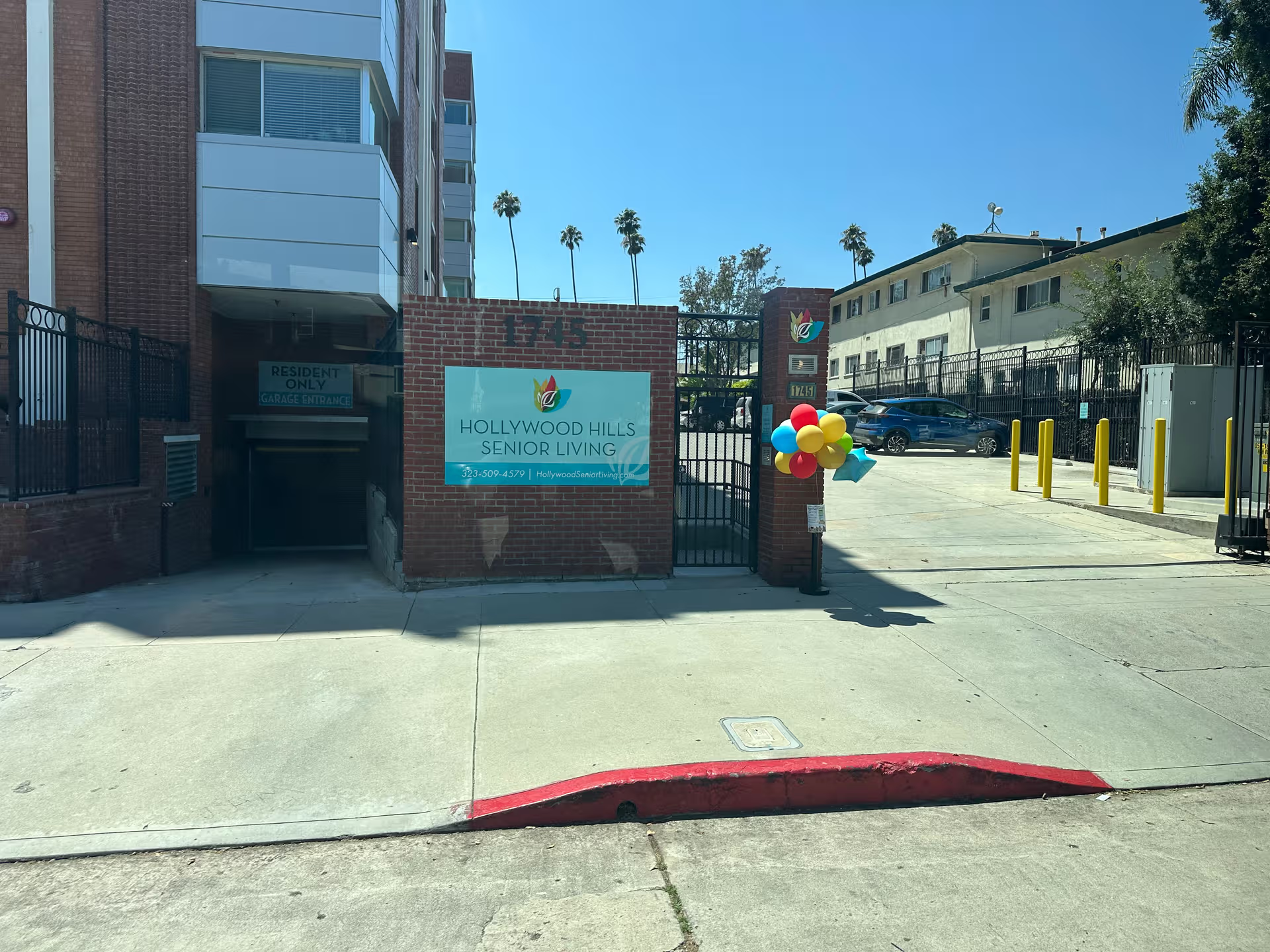
St. John of God presents as a well-kept, campus-style senior community with attractive historic architecture, pleasant grounds, and visible investments in common areas. Many residents and family members highlight cleanliness, secure gated access, private rooms with courtyard or balcony views, and on-site amenities such as a pool, tennis court, therapy services, and regular transportation for medical appointments. The availability of a full continuum of care on campus (assisted living, memory care, skilled nursing) and coordination with outside providers are noted strengths for families seeking long-term options in a central Los Angeles location.
Care quality and staff performance are described in mixed but strongly polarized terms. A substantial portion of reviewers praise compassionate, attentive caregivers, helpful nursing staff, and an activities team that maintains an active social calendar — comments that describe residents as safe, engaged, and well-cared-for. At the same time, other families describe variability in staff conduct, communication tone, and responsiveness; issues include delayed attention, uneven clinical follow‑up, and specific interpersonal concerns with individual employees. Language barriers between some staff and Spanish-speaking residents or families are a repeated operational issue that can affect daily care and family communication.
Dining and food service receive both positive and critical feedback. Several accounts praise menu variety and good-tasting meals, while others indicate inconsistent meal quality, seasoning/nutrition concerns for seniors, order inaccuracies, and food-service hygiene issues that warrant clarification. Operational weaknesses around meal delivery, order accuracy, and nutrition planning appear to be area-level opportunities for improvement rather than uniformly poor service.
Management and administrative patterns described by reviewers are similarly mixed. Many families are pleased with transparent, inclusive pricing and the absence of routine extra charges for basic services; others raise concerns about billing clarity and pressure around transfers to higher-acuity units, which they perceive as financially motivated. There are also concerning allegations regarding staff misconduct, including theft and serious complaints following clinical incidents; these items would merit direct inquiry with leadership about investigative processes, HR follow-through, and regulatory outcomes.
Other practical considerations emerging from reviews include limited wheelchair accessibility within some Memory Care areas (necessitating use of the Skilled Nursing building for certain mobility needs), occasional room-temperature or ventilation issues, and constrained shuttle frequency. Prospective residents and families would be advised to tour with specific questions: staffing ratios and continuity, language-support services, incident-reporting and family-notification protocols, dining and nutrition oversight, billing policies and transfer procedures, sanitation and food-safety practices, and accessibility features in chosen neighborhoods of the campus. Overall, the facility shows many features families value — attractive grounds, on-site services, and active programming — alongside operational inconsistencies that warrant targeted questions during a visit and review of documented policies and recent quality metrics.