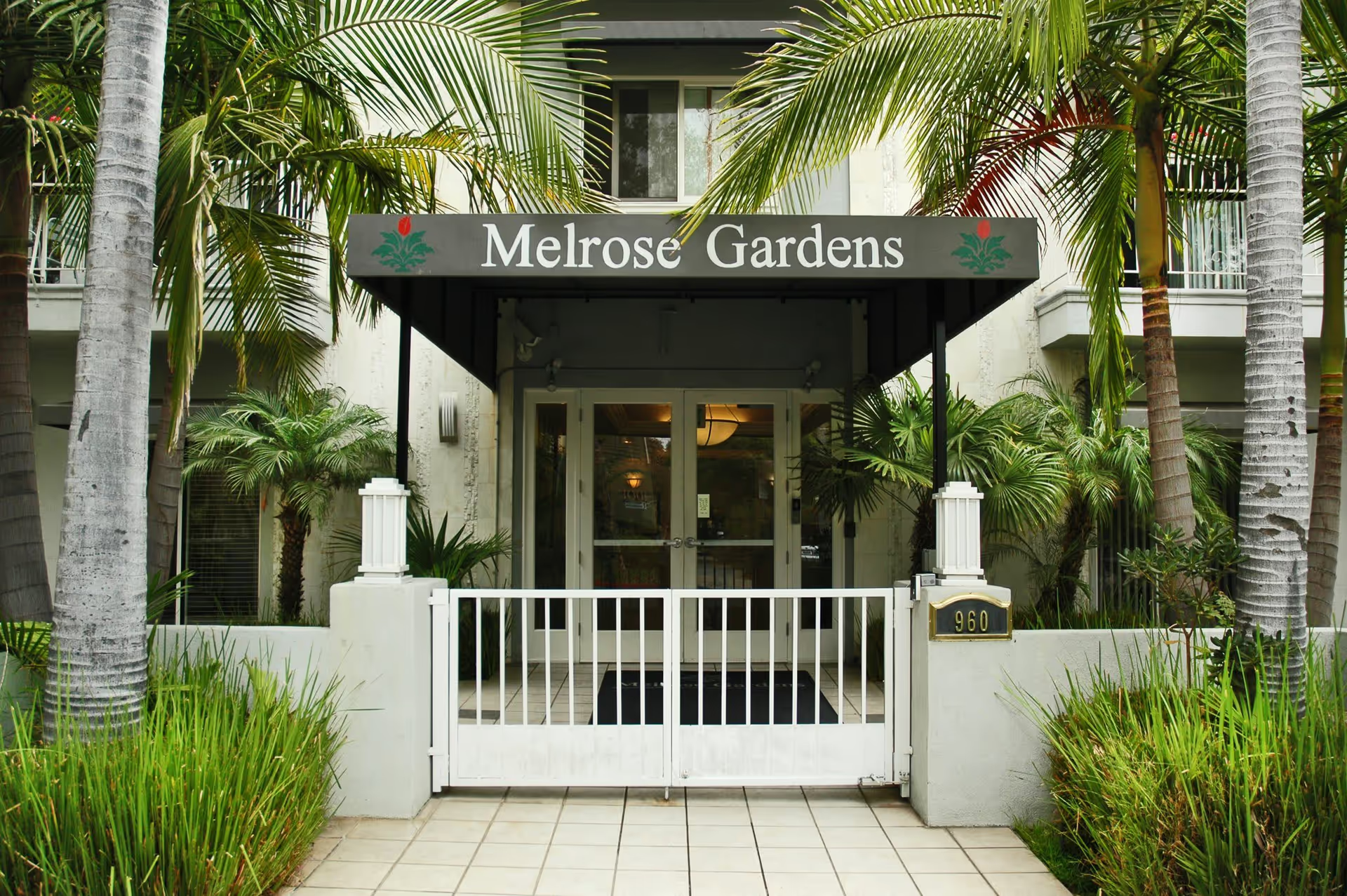
The reviews present a mixed picture. On the positive side, many comments emphasize strong hands-on care: nursing staff and rehabilitation therapists are described as supportive and effective, and families note a generally comfortable, well-maintained environment. The admissions experience, including interactions with a named admissions liaison (Pauline), is characterized as helpful and reassuring. Outdoor access and opportunities for walking are also mentioned as a quality-of-life benefit.
Care quality and staff: Clinical and therapy services receive favorable remarks, particularly short-term rehab and daily caregiving when staff are available. At the same time, there are concerns about the internal work environment — specifically, indications of low morale or disrespect directed at direct-care staff. Those workplace-culture issues can affect continuity of care and staff responsiveness if not addressed. Several accounts also raise broader safety concerns that families feel warrant closer oversight.
Management and governance: While administrative responsiveness is noted in some accounts, a notable pattern involves serious financial concerns. Reviews reference allegations of improper use of resident credit and other irregularities tied to resident accounts; these items suggest gaps in financial-account controls and have prompted calls for formal investigation. There are corresponding complaints about limited transparency around incident handling and communication with families, and reviewers recommend verifying the facility's regulatory and inspection record before proceeding.
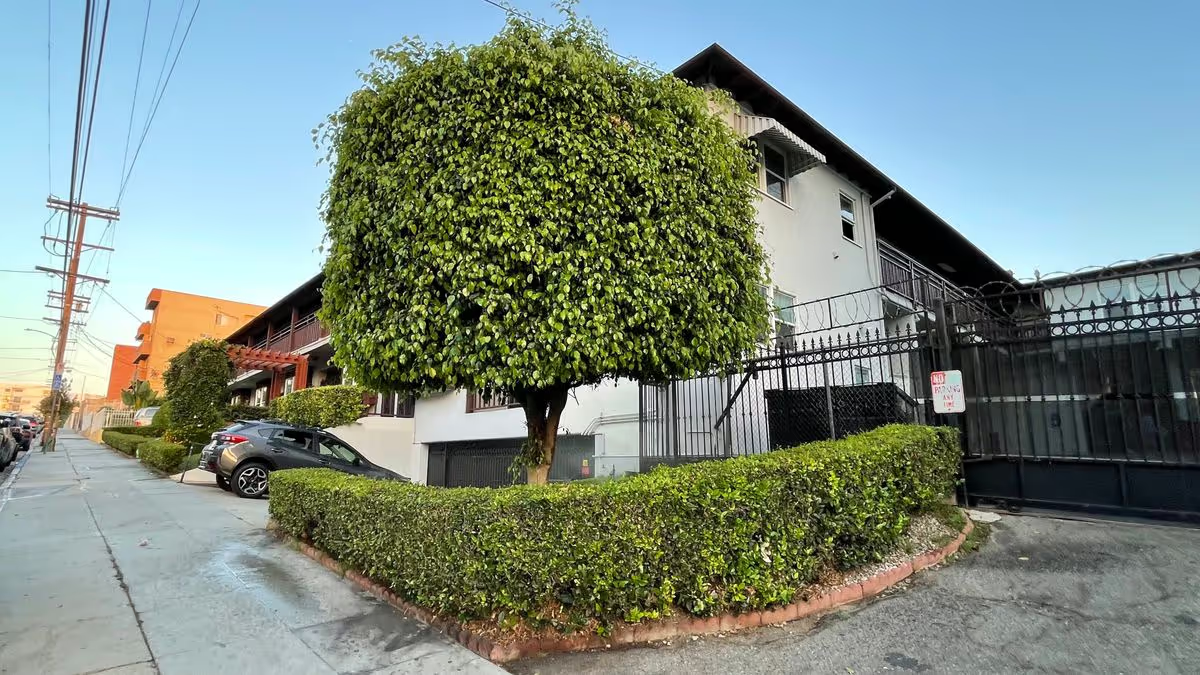
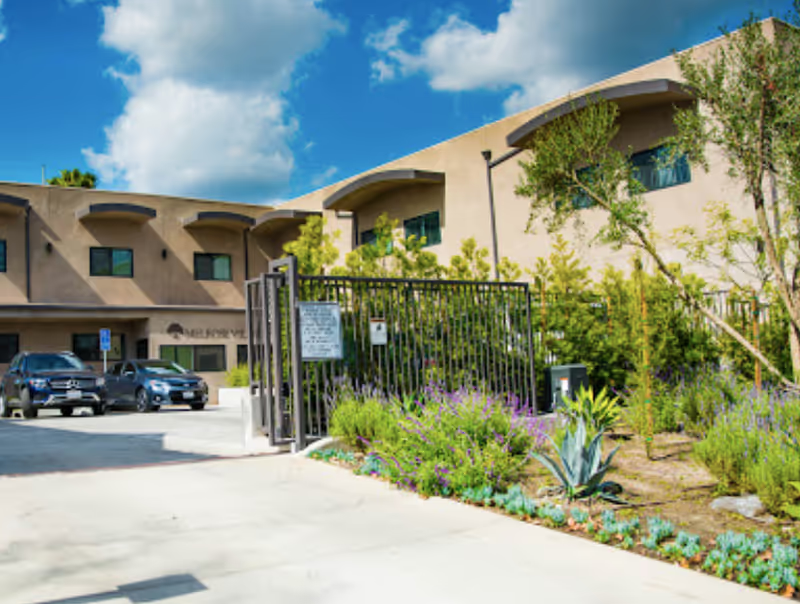
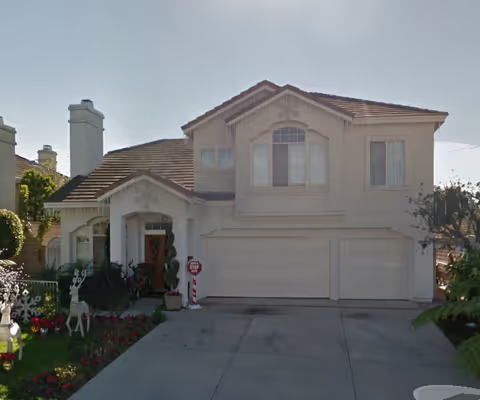
Facilities, dining, and activities: The physical environment is generally described as comfortable and inviting, with access to outdoor walking areas and nearby green space cited as a positive. Specific feedback about dining quality and the breadth of activity programming is limited in these summaries; available comments focus more on outdoor mobility and the admission experience than on meal service or structured activities.
Notable patterns and guidance: The primary strengths are caregiving and rehabilitation capacity and a reassuring admissions process. The primary weaknesses are organizational: financial-account controls, staff workplace culture, and perceived gaps in safety protocols and incident transparency. Prospective residents and families should balance the facility's therapy and caregiving strengths against the documented governance and oversight concerns. Practical next steps include reviewing state inspection reports, asking for written financial-safeguard policies, requesting staff-turnover and incident-response data, and meeting frontline caregivers during a tour to assess both care and the unit culture firsthand.