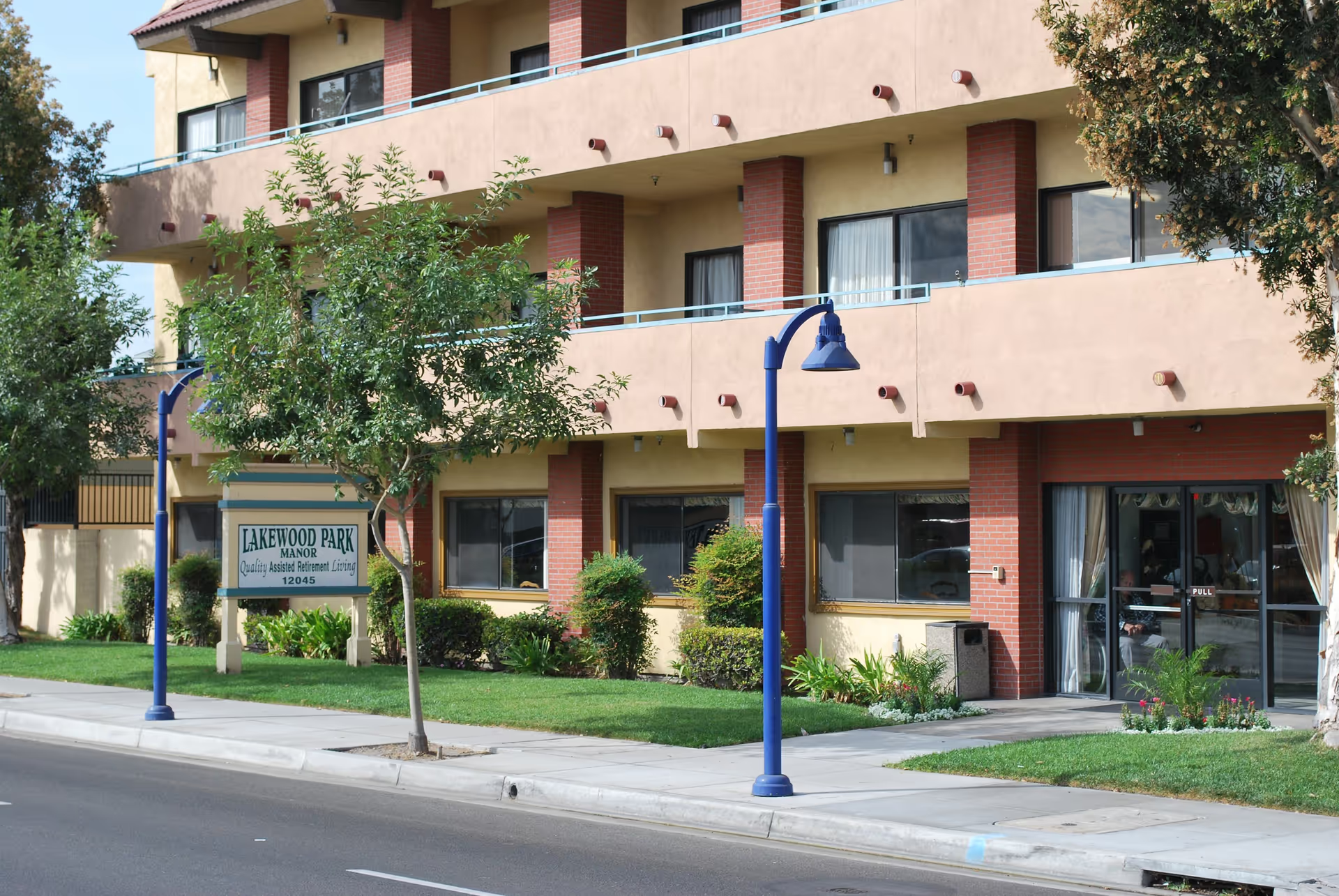
Rio Hondo Subacute and Nursing elicits a bifurcated set of impressions: several reviewers describe attentive, skilled clinicians and rehabilitation staff, while others document recurring operational weaknesses that affect day-to-day care. Positive accounts highlight compassionate caregivers, capable physicians and therapists, an active rehabilitation program, and a visible activities department with engaged leadership. Portions of the facility appear renovated and comfortable, with spacious rooms and clean common areas noted by families who were satisfied with the stay.
Care quality and clinical operations are described inconsistently. Many families praised individual nurses, CNAs, therapists, and activity staff for timely, dignified attention and effective therapy interventions. Conversely, a recurring pattern in other accounts points to delayed responses to resident requests, missed or late medication administration, and variability in routine personal-care tasks such as bathing and toileting. Several reviews raise concerns about clinical supervision and record-keeping, including discrepancies between documented care and family observations, and at least one reviewer referenced concerns following a resident's death.
Staffing and staff conduct are prominent themes. Reviewers frequently describe periods of understaffing or high workloads that correlate with slow call-light response times and inconsistent care. While some staff members and administrators were singled out for professionalism and helpfulness, other reports indicate inconsistent professionalism, rude interactions, and breakdowns in family communication. Case management and admissions personnel were often viewed as helpful, but follow-up on grievances and responsiveness from higher-level management were commonly described as inadequate.
Dining and activities are mixed. Some families commented positively on meals and an active, well-run activities program led by dedicated staff; others reported inconsistent food quality and limited options for special diets. The facility’s activities offerings and therapy resources have been described as meaningful contributors to recovery when they are delivered as scheduled, but reviewers also noted weekends and scheduling gaps that limited access to therapy for some residents.
Facility condition and infection prevention present a mixed picture. Several reviewers noted recent renovations, pleasant common spaces, and clean restrooms. At the same time there are sanitation and odor concerns in parts of the building, reports of trash or maintenance lapses in hallways, and specific concerns about infection-control practices and PPE availability. Supply and equipment issues — including occasional shortages of incontinence supplies and equipment battery failures — were described as impacting care continuity.
Management and operational patterns merit attention from prospective families. Persistent themes include inconsistent family communication, inadequate grievance resolution, supply-chain problems, and episodic alleged financial or property concerns. There are also repeatedly mentioned operational gaps around medication management, timely clinical escalation, and visitor/noise control. At the same time, several reviewers named individual administrators and staff as effective advocates who improved care coordination.
Overall, Rio Hondo displays strengths in individual clinical skill, rehabilitation capability, and activity programming, but also shows recurring operational weaknesses that can materially affect resident experience and safety when present. Prospective residents and families should weigh both the positive staff-led elements and the documented patterns of inconsistent responsiveness. If considering this facility, families may wish to verify staffing levels, clarify medication-administration protocols, confirm infection-control procedures, and establish regular communication channels with case management and nursing leadership prior to and during admission.