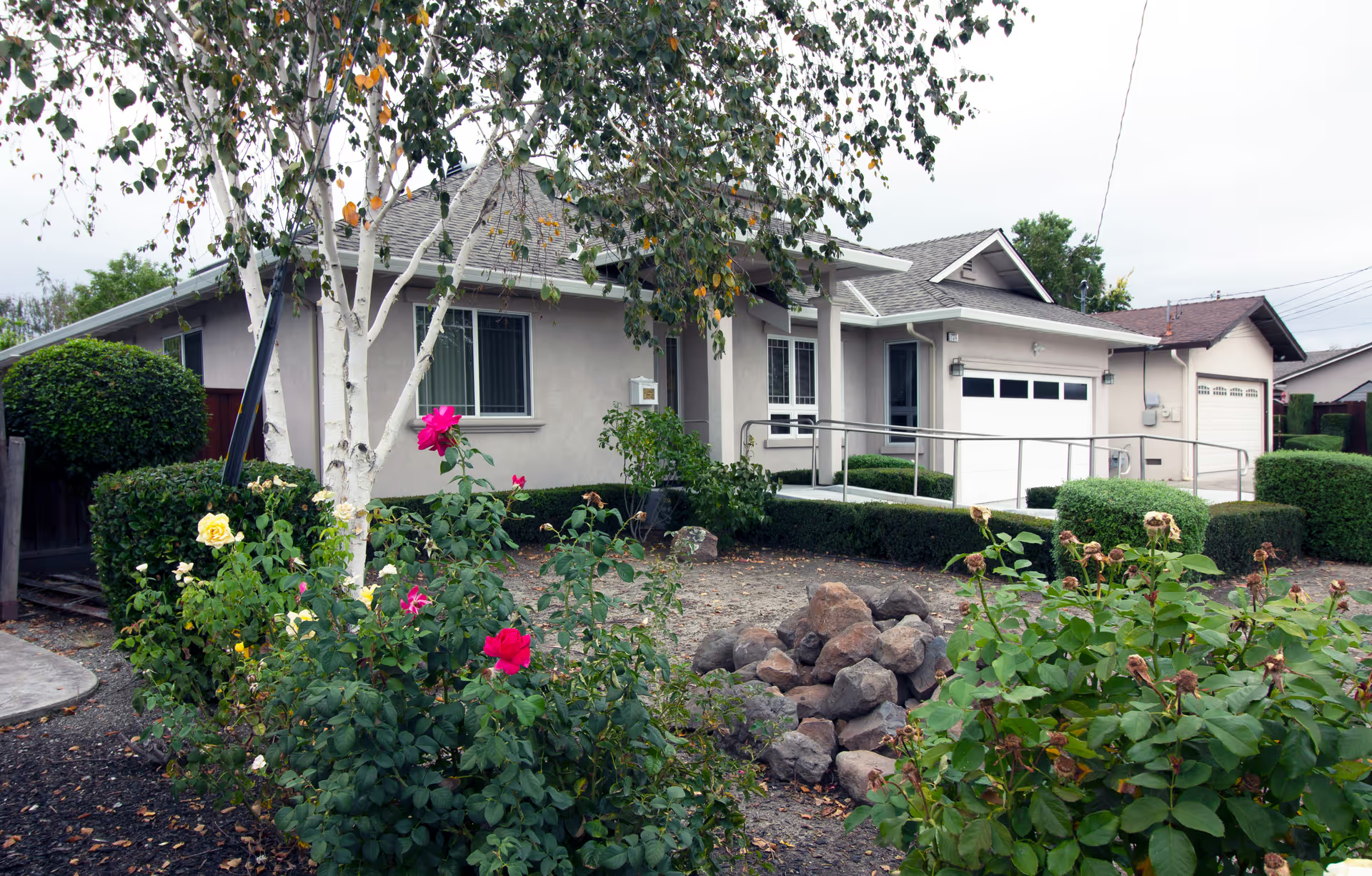
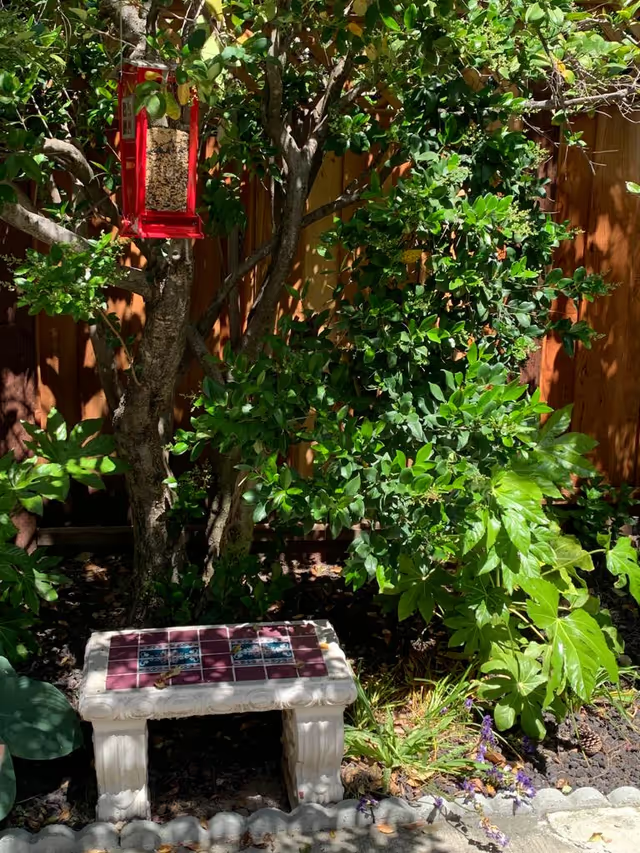
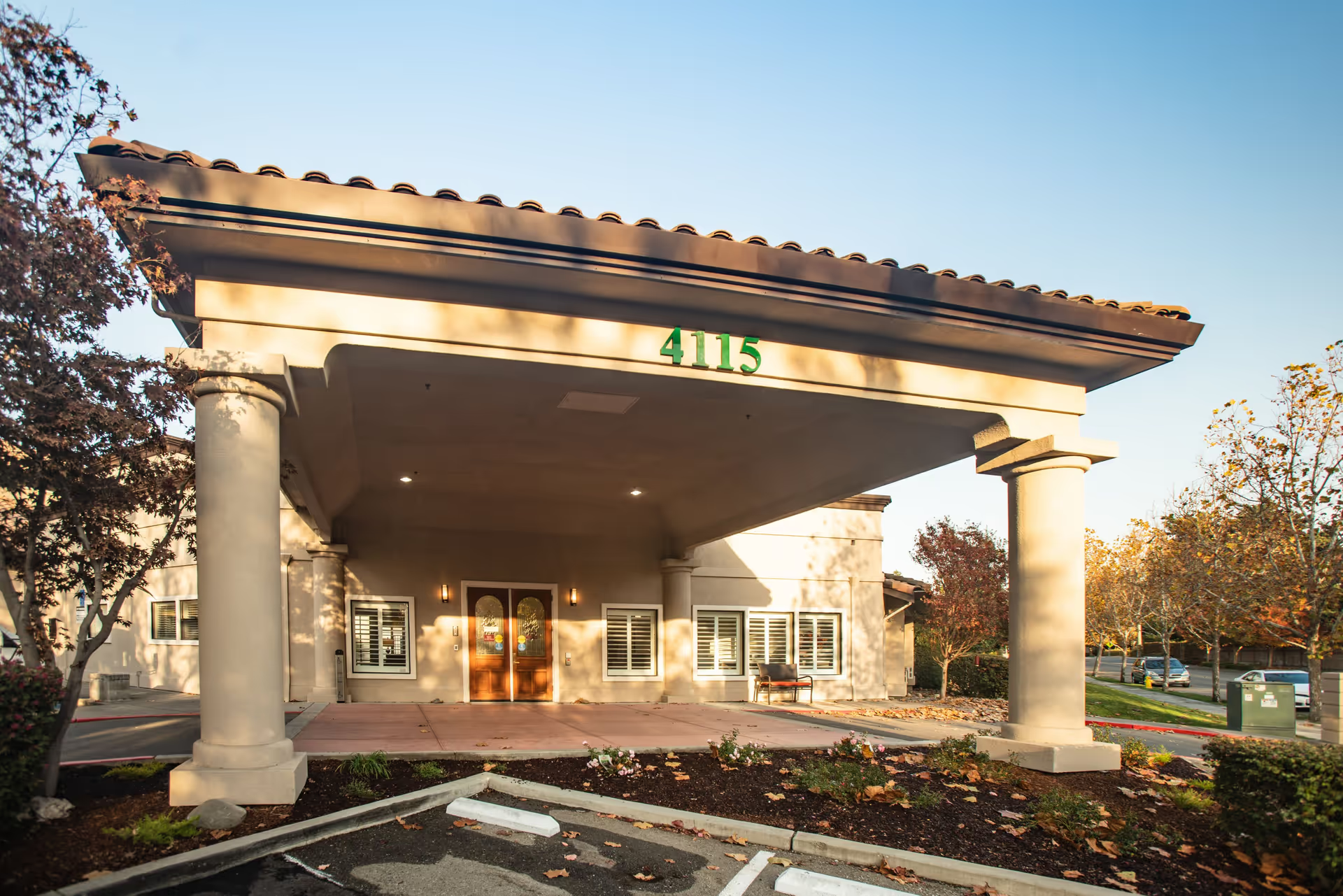
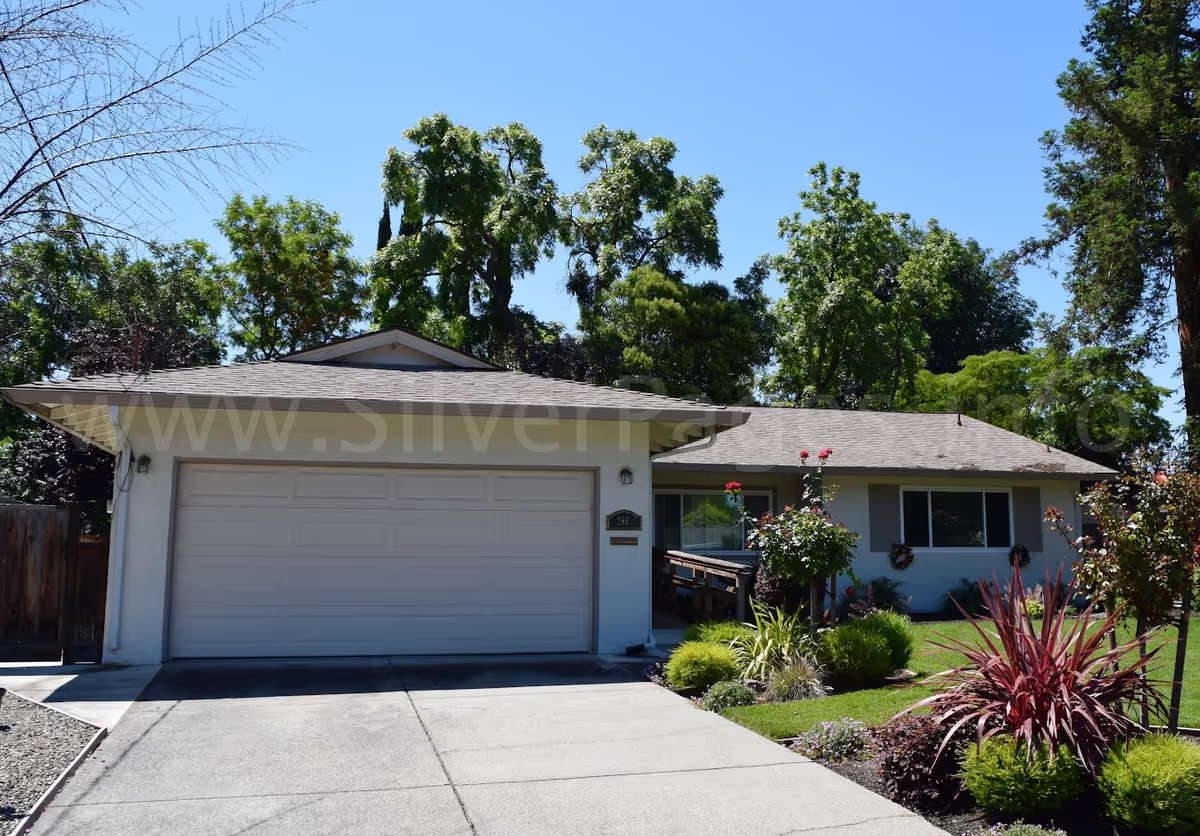
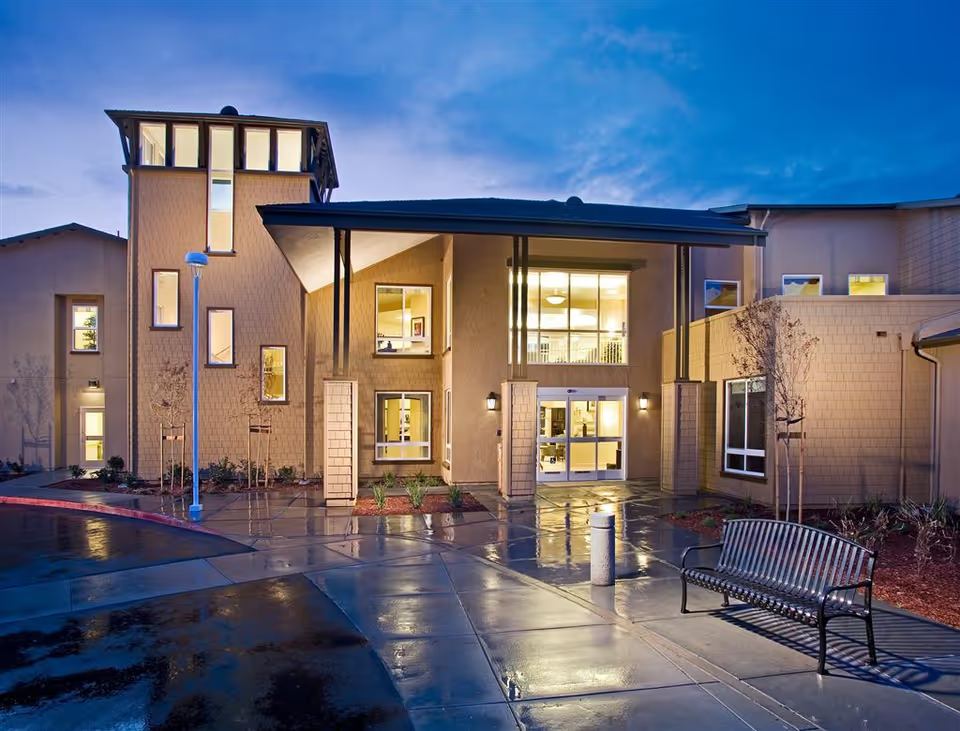
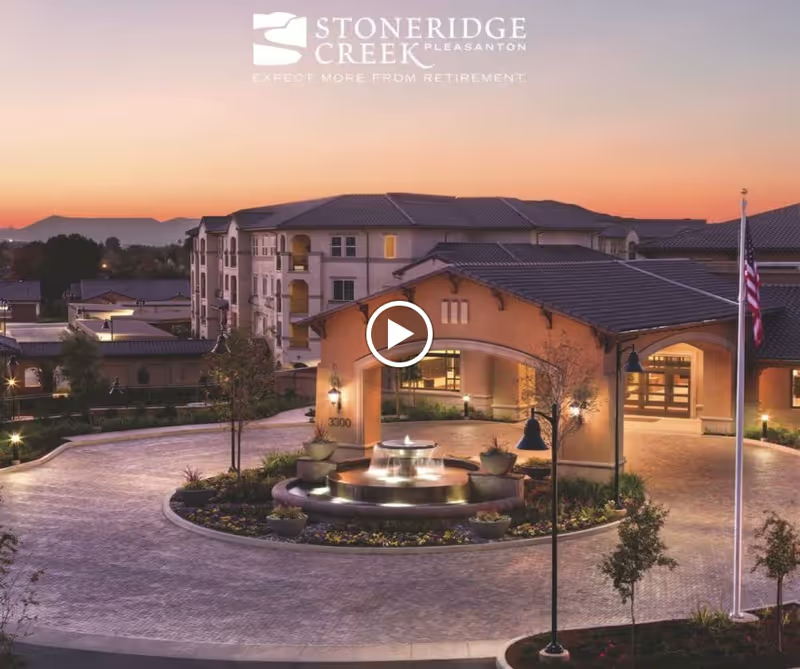
Ivy Park at Pleasanton presents as an upscale, well-maintained senior living community with many hospitality-style amenities. Multiple reviewers praised the physical environment — new/renovated construction, attractive gardens and rooftop verandas, spacious apartment-style residences, and well-appointed common rooms with pianos and entertainment. The property gives a resort-like impression to many visitors, and common-area cleanliness and landscaping are frequently described as strong points.
Clinical and day-to-day care showed mixed patterns. Several families praised on-site nursing, hospice coordination, and prompt call‑button response; reviewers specifically cited skilled nursing involvement and coordinated care during transitions. At the same time, a number of families raised concerns about memory-care operations: understaffing, limited staff engagement with residents, and uneven training for memory-care aides. There are also broader concerns about fall-prevention practices and follow-up communication after clinical incidents. These indicate variability in how clinical protocols and incident communications are implemented across units.
Staff quality is often described as a major strength at the leadership and senior-staff level. Executive leadership, certain nurses, and named team members were repeatedly characterized as attentive, compassionate, and effective at coordinating care. However, reviewers also highlighted persistent turnover among junior staff and periodic lapses in responsiveness and follow-up from administration. That combination results in many families feeling supported by leadership but encountering inconsistency at the point of care.
Dining and activities are generally viewed positively. Dining is frequently described as restaurant-like with varied menu choices and healthy snacks; several reviewers called the food outstanding. Others noted repetitive or bland rotations and occasional service shortfalls linked to understaffed wait staff. Activities programming is broad — music nights, outings, exercise classes, physical and music therapy, shuttle service, and social events — and is often cited as contributing to a community feel and resident engagement.
Operational and administrative issues recur in reviews. Laundry-management problems (over-drying, poor folding, misplaced or missing items), inconsistencies in room-level housekeeping, extra charges for one-on-one or supplemental care, and unclear deposit/refund terms were all reported and point to process and communication gaps. Administrative responsiveness was uneven: families praised specific staff members for rapid problem resolution but also described delays in email follow-up, volunteer coordination, and billing clarification.
Overall pattern and guidance: experiences appear polarized — many families describe compassionate staff, strong leadership, excellent amenities, and satisfying daily life, while a notable subset raised substantive operational concerns, particularly around memory-care staffing, laundry and housekeeping processes, dining-service consistency, and clinical-incident handling. Prospective residents and families should consider an in-person visit and ask targeted questions about memory-care staffing ratios and training, fall-prevention protocols and incident notification procedures, laundry and housekeeping workflows, fee schedules and refund policy, and recent staff turnover. These targeted inquiries will help assess whether the facility’s strengths align with a specific resident’s clinical and daily-living needs.