Overall impression: The facility elicits a wide range of experiences. Many accounts describe skilled, compassionate direct-care staff and effective therapy teams, while other accounts describe operational inconsistencies that affect day-to-day safety, comfort, and family confidence. Prospective residents and families will find both clear strengths and recurring operational weaknesses when evaluating placement.
Care quality and clinical operations: Clinical strengths include an established rehabilitation program (PT/OT/Speech) and hands-on CNAs and nurses who are frequently praised for compassion and persistence. Social services and discharge planning are often cited as helpful and proactive. However, there are repeated operational concerns that affect clinical reliability: delayed medication administration, occasional medication-handling mistakes, slow responses to call lights, variability in bathing and toileting assistance, and inconsistent wound/bandage change timing. These operational gaps introduce safety and comfort risks for some residents and merit direct questions about staffing ratios and medication-safety protocols during any tour or intake conversation.
Staff and communication: Staff performance is highly variable by shift and unit. Numerous staff members and department leaders receive positive mention for professionalism, patient focus, and communication, and specific front-line employees are frequently singled out as exemplary. At the same time, families describe inconsistent communication from nursing and leadership, confusing interdepartmental handoffs, delayed family notification about clinical changes, and, in a few cases, concerns following a resident's death. Administrative responsiveness and customer-service interactions (including billing and admissions) are also uneven, with examples of timely, helpful social-service support alongside instances of unclear billing or lost personal belongings.
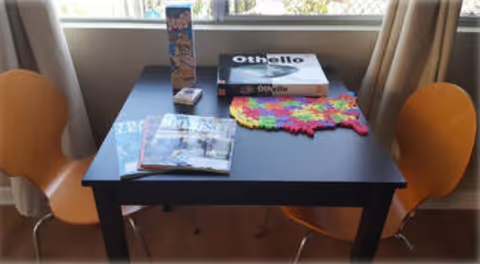
Dining and activities: The facility offers a range of recreational and enrichment options — group activities, music programs, church volunteers, and pet visits are noted as meaningful quality-of-life contributors. Meal experiences are mixed: some families praise meal service and snacks delivered to rooms, while others note inconsistent food quality and failures to accommodate complex dietary needs (for example, renal/diabetic restrictions). It is advisable to ask about menu accommodations, therapeutic diets, and how meal substitutions are managed for medically restricted residents.
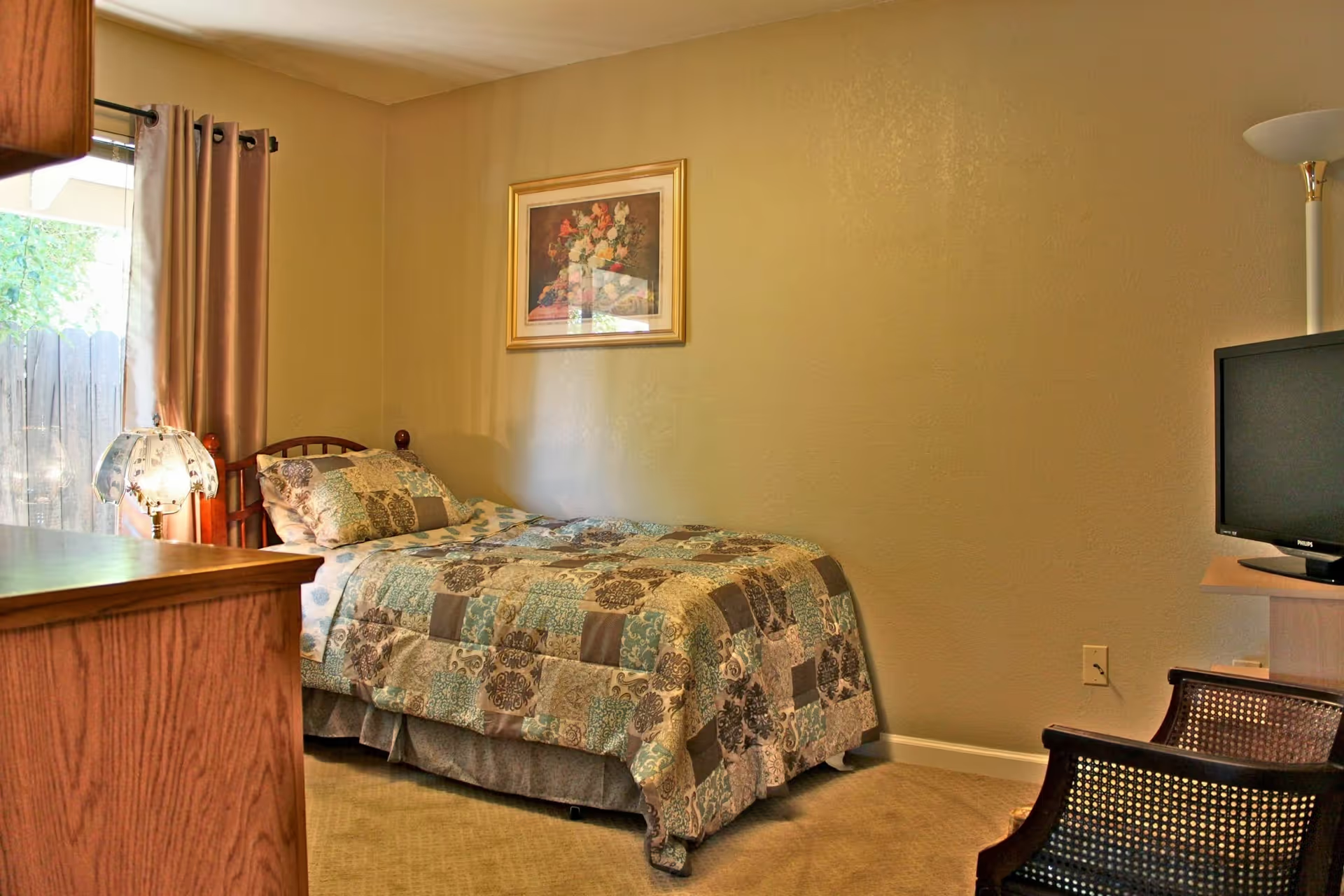
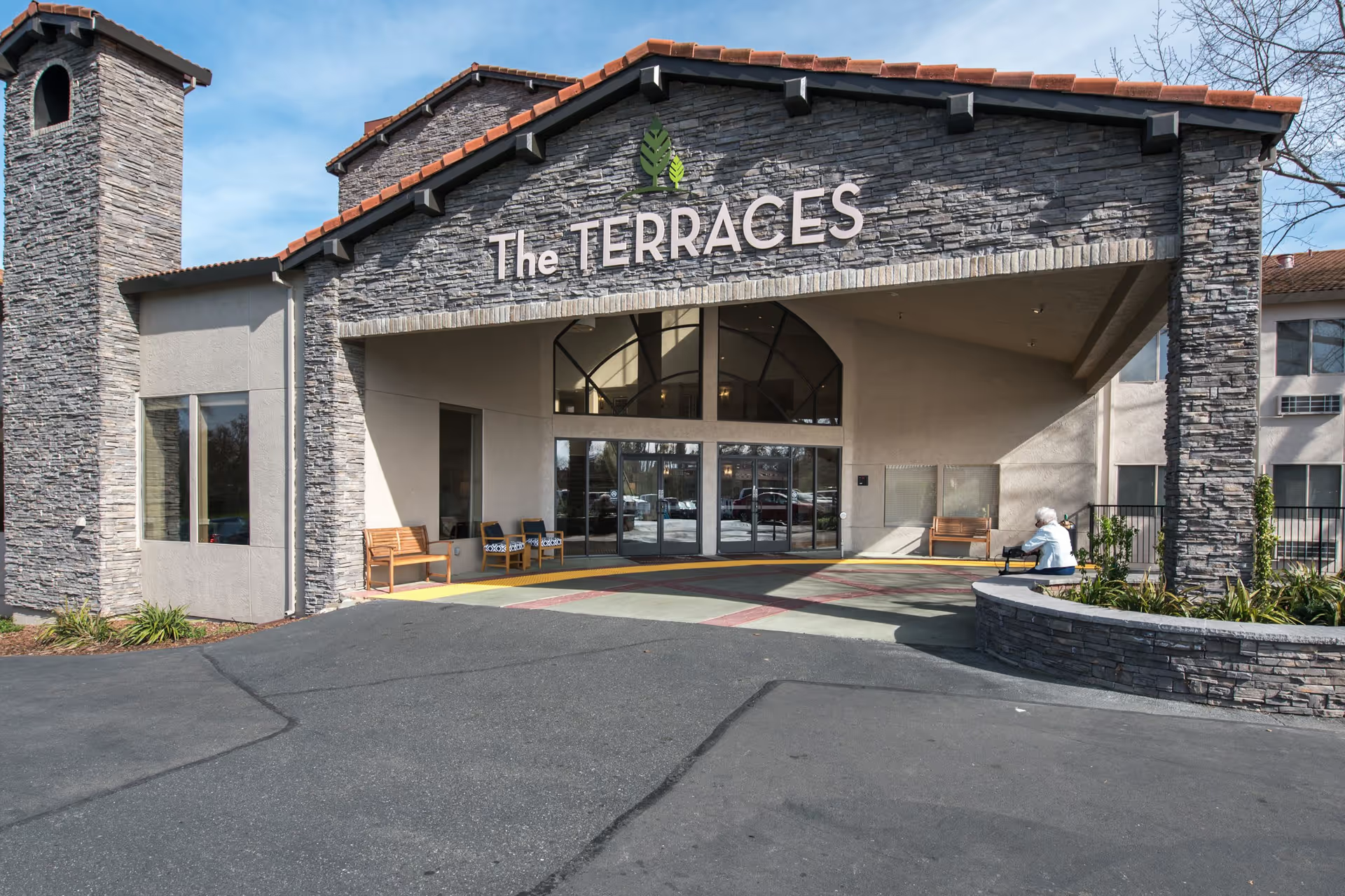
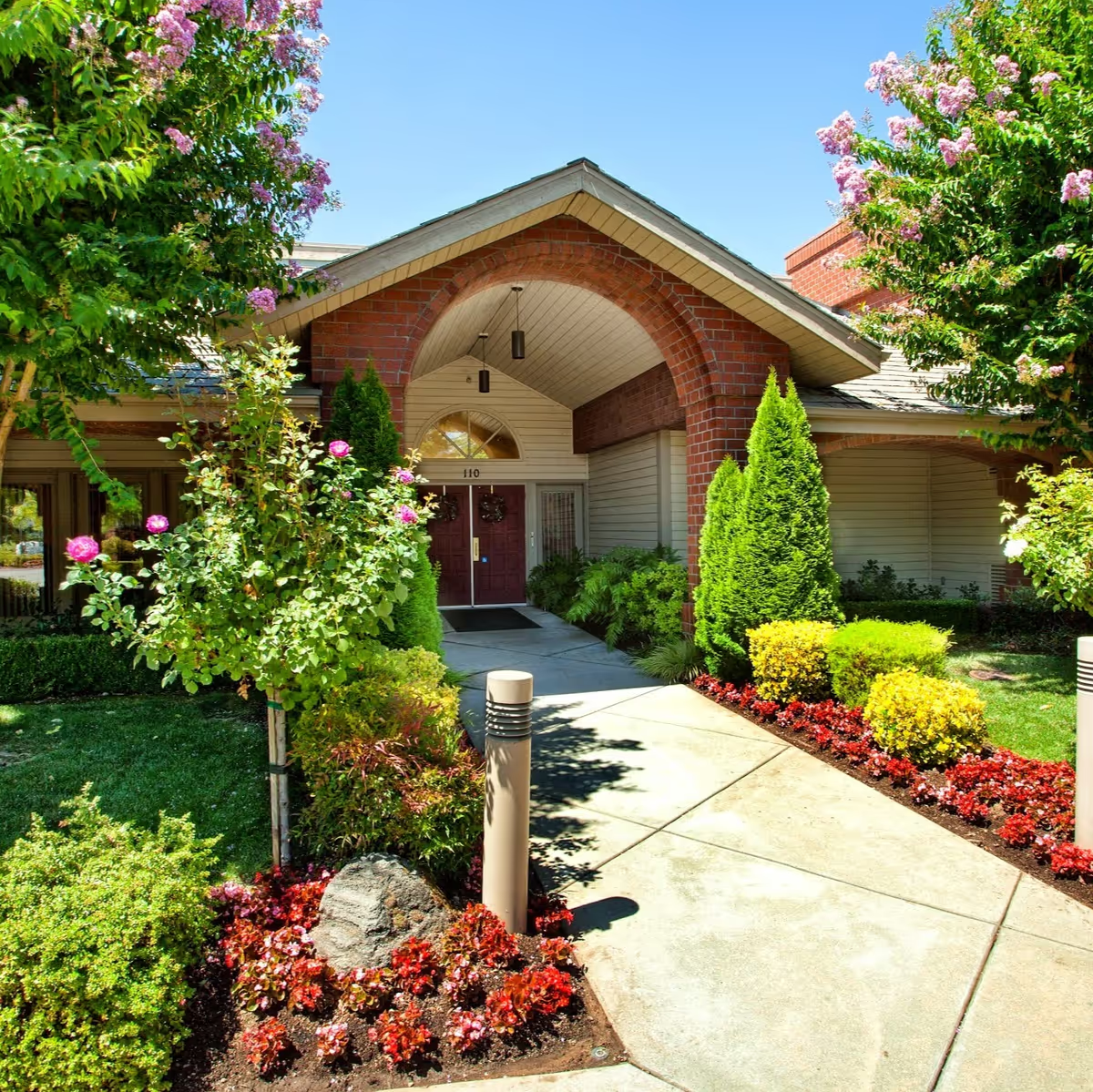
Facilities and maintenance: Physical-plant descriptions vary by area. Positive comments reference clean, welcoming wings and well-maintained therapy spaces. Criticisms highlight aging infrastructure, HVAC and temperature-control problems, visible wear in some units, housekeeping lapses, odor concerns, and pest-control or housekeeping process issues. Shared rooms and room arrangements are acceptable for some residents but are a liability for those who require privacy or have complex medical needs. Security practices and access control are sometimes described as lax; confirm door-security and visitor-screening procedures if those are priorities.
Management, billing, and regulatory concerns: Administrative leadership and certain department heads receive strong praise for creating a supportive work environment and a patient-centered focus. Conversely, there are multiple accounts of delayed or unclear billing, invoicing irregularities, missing personal items, and at least one allegation related to staff theft and billing manipulation. Given those concerns, families should verify billing procedures, inventory controls for personal belongings, and grievance processes. Infection-control and visitation policies were applied inconsistently across stays, creating frustration for some families; clarify current COVID-19 and infection-prevention rules prior to admission.
Notable patterns and guidance for families: Two consistent themes emerge — capable clinical and therapy staff who can deliver meaningful rehabilitation and compassionate bedside care, and operational variability that can affect safety and satisfaction. Ask concrete, on-site questions about staffing levels per shift, average response time to call lights, medication-administration safeguards, dietary accommodations, private-room availability, maintenance and housekeeping schedules, billing practices, and how the facility communicates clinical changes to families. Observing the unit at different times (day/evening/night) and speaking directly with social services and nursing leadership will give the best picture of whether the facility’s strengths align with a prospective resident’s needs.