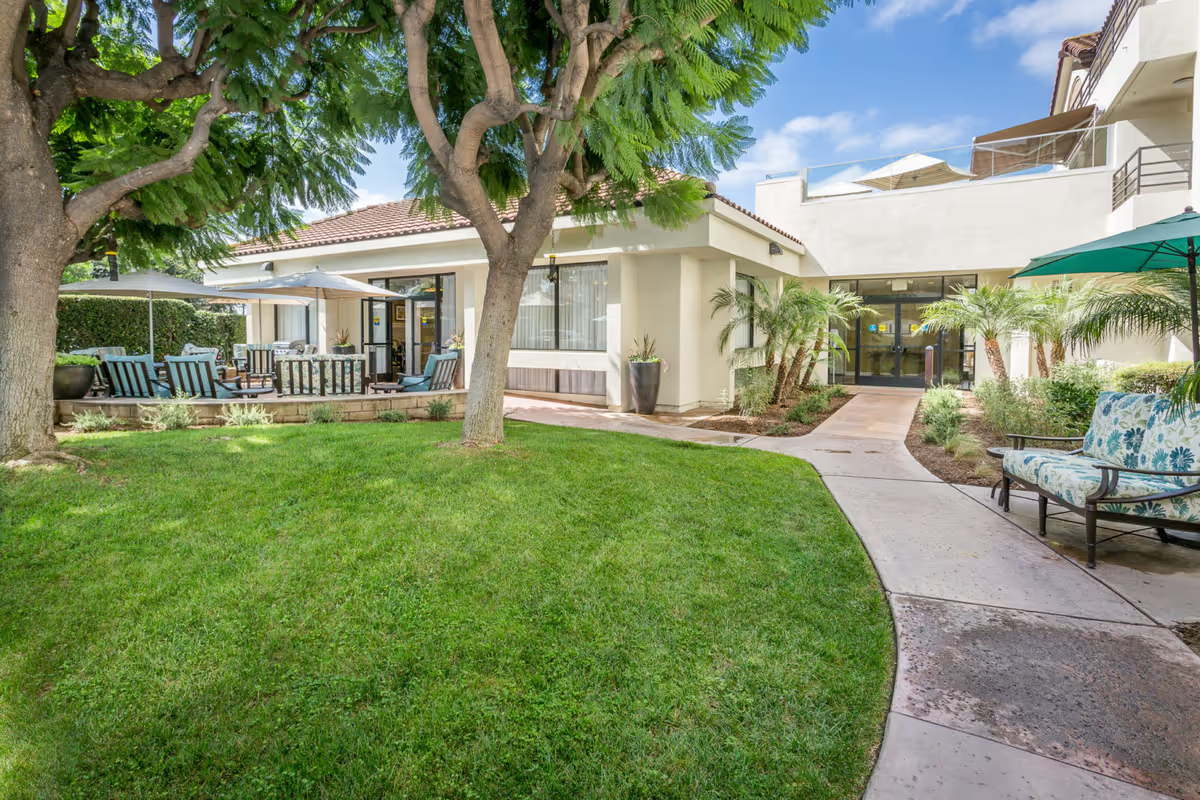
Feedback for The Hills is highly mixed, with clear strengths in therapy, many individual clinical staff, and family-oriented amenities alongside recurring operational concerns. Numerous accounts describe compassionate, attentive caregivers and nurses, a strong physical and occupational therapy program that helped multiple residents return home, and case-management staff who facilitated discharges and insurance coordination. The facility's ambience, updated dining area, pleasant grounds, transportation services, and programs such as pet therapy contributed to a family-like atmosphere and flexible visiting arrangements that families appreciated.
At the same time, a substantial portion of feedback points to variability in core operational areas. Staffing levels and turnover appear inconsistent, producing episodes of delayed responsiveness and uneven monitoring of residents. Several families described problems with wound care, complex post-acute needs, and recognition of acute clinical changes, suggesting that the facility may not reliably manage higher-acuity cases. Infection-control and outbreak vulnerabilities were also mentioned alongside improvements such as an infection-control program and camera upgrades, indicating uneven implementation of safety measures over time.
Sanitation and hygiene processes were a recurrent concern, including inconsistent incontinence-care procedures and room-cleaning challenges; these reports imply gaps in housekeeping protocols and supervisory oversight. Dining and nutritional services received mixed comments: some praised meals and a remodeled dining room, while others cited cold food, limited menu suitability for American palates, and coordination lapses when diets changed. Communication failures—both family-facing (unreturned calls, slow callback) and internal (kitchen not updated on diet changes)—were frequently cited and appear to compound clinical and operational issues.
Additional patterns include occasional problems with personal-item handling and inventory controls, and instances where complaint resolution was described as adversarial; together these point to weaknesses in property safeguards and grievance processes. Management and leadership were described variably: some reviewers noted positive changes under new administration and helpful managers, while others described inconsistent policies and a perceived emphasis on financial drivers. Prospective residents and families should weigh the facility's evident strengths in rehabilitation, therapy, and individual staff dedication against documented operational inconsistencies. When considering The Hills, verify current staffing and clinical capabilities for specific needs (wound care, stroke/post-acute monitoring), review infection-control and housekeeping protocols, confirm dietary accommodations, and clarify procedures for reporting and resolving concerns.