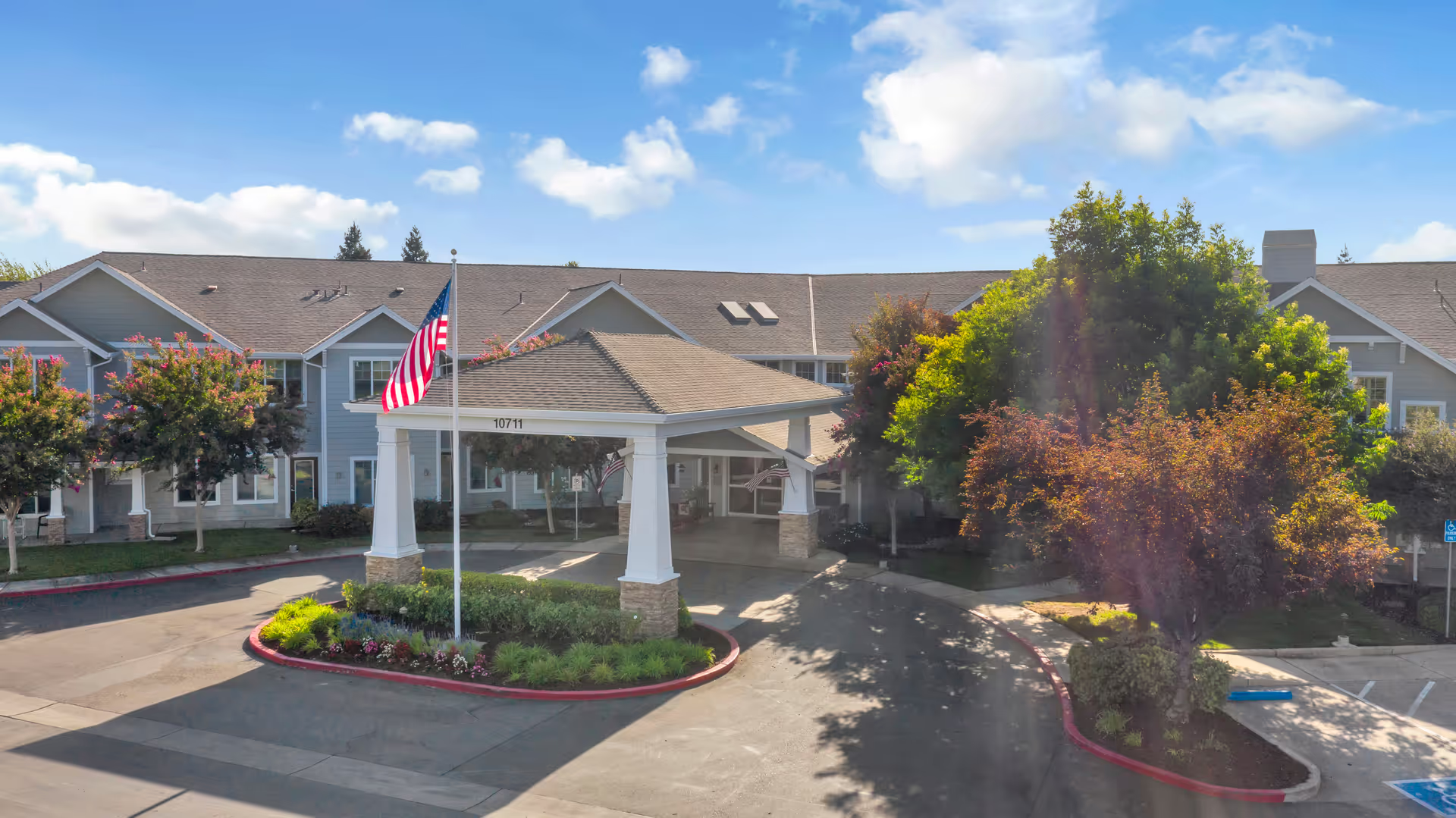
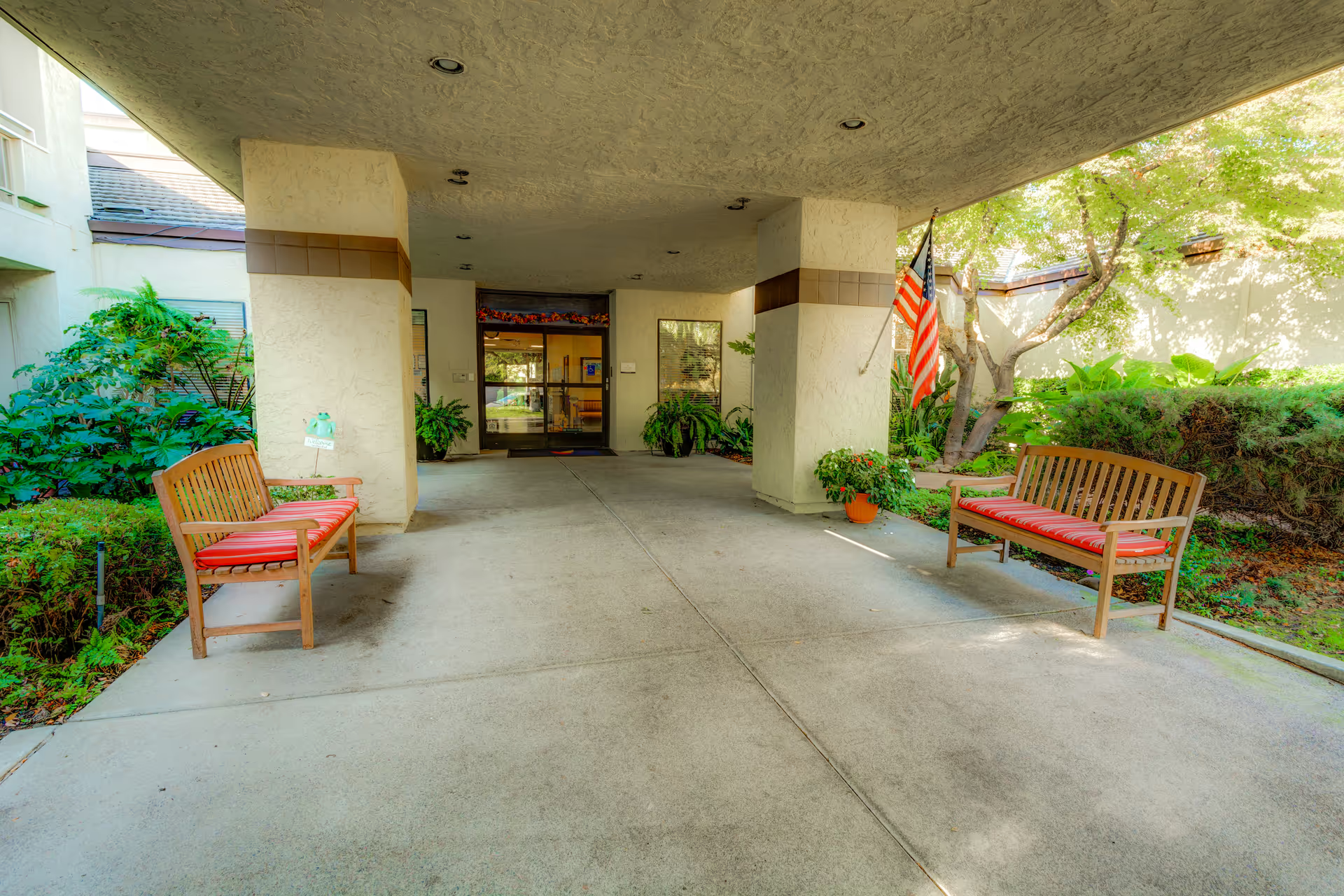
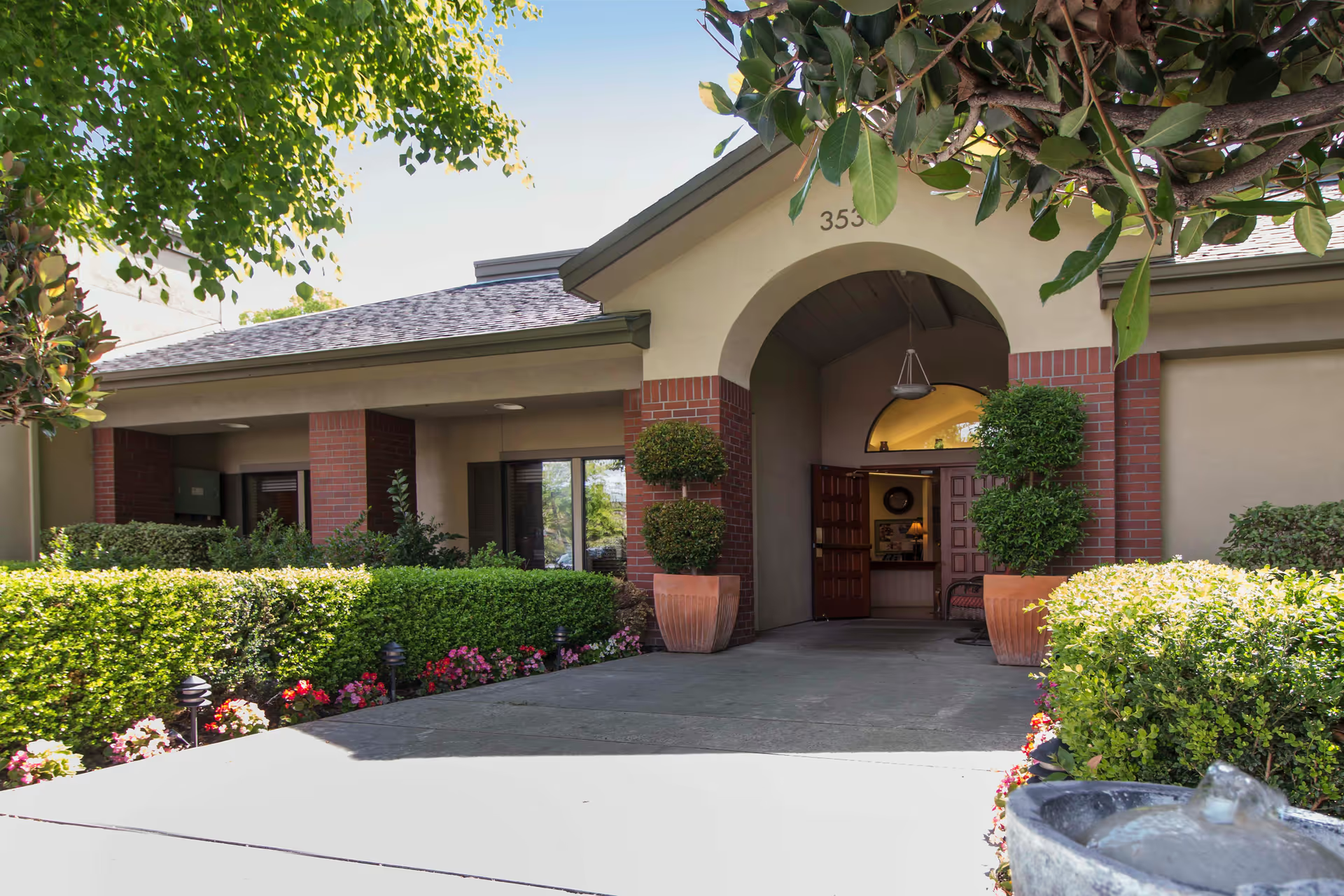
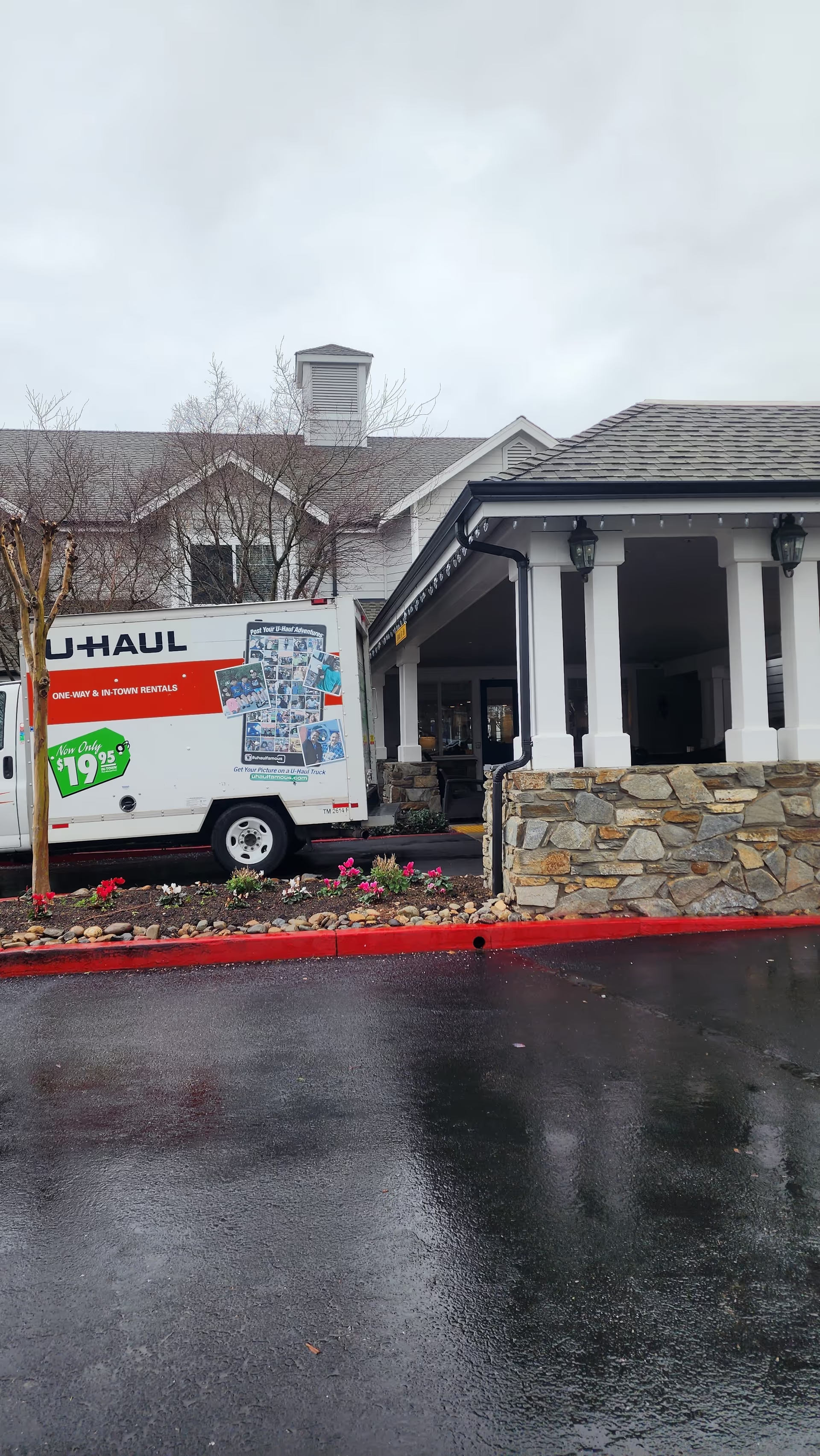
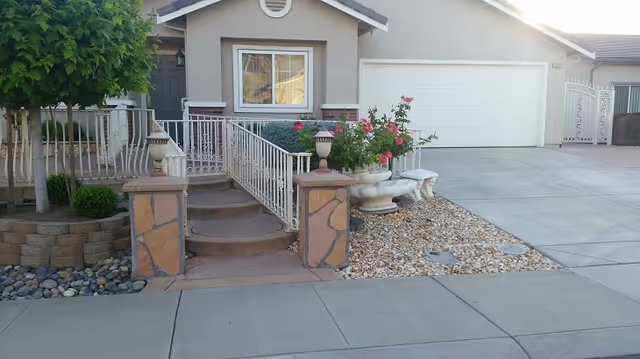
O'Connor Woods presents as a large, well‑appointed senior living campus with many amenities and a strong emphasis on active, social living. Reviewers consistently highlight the attractive, park‑like grounds — including gardens, koi ponds, oak trees and walking paths — and the variety of housing options from private cottages to apartment units and memory‑care buildings. Common, on‑site conveniences such as a restaurant, ATM, hair care, shuttle service and a fitness center with a heated indoor pool support an independent and engaged lifestyle. The community offers a broad programming slate — cards, bingo, quilting, woodworking, exercise classes, chapel services and clubs — which contributes to a lively, “cruise‑like” social environment for many residents.
Care and staff are described in largely positive terms: many accounts note warm, respectful staff, licensed nursing presence, proactive medication management, and attentive dining-room service where staff remember names and accommodate meal preferences. The facility also provides higher‑acuity supports on site (memory care, in-house nursing resources, around‑the‑clock kitchen for memory care), which can be reassuring for families seeking a continuum of care. Maintenance and cleanliness are frequently praised for common areas and landscaping, and the campus offers useful resident conveniences and transportation services.
However, several operational patterns emerge as concerns that prospective residents and families should evaluate. Staffing levels and workload distribution are inconsistent; some reviewers describe overworked or understaffed shifts and variability in staff responsiveness. Relatedly, families have raised issues about delays in attending to resident needs and incontinence‑care processes; these should be clarified with management during a tour. There are also mentions of security and asset‑protection gaps, including insufficient camera coverage and alleged theft, which point to the need for prospective residents to review the facility’s current security and monitoring protocols. While dining is often praised for freshness and customization, other accounts describe occasional lean portions or inconsistent food quality.
Management perceptions are mixed: some reviewers commend organized leadership and informative directors who engage with residents, while others describe variable management responsiveness and limited staff recognition, which can affect morale and continuity of care. The large campus size is an operational factor — it affords many amenities but can complicate staffing and service continuity in some areas. Additional practical considerations include variable unit condition (older vs. modern units), lighting concerns in some apartments, limited formal orientation for new residents, and a price spectrum that may be on the higher side for certain accommodations.
In summary, O'Connor Woods offers a well‑landscaped, activity‑rich environment with many on‑site conveniences and a generally warm staff culture. It is best suited for those seeking an active, amenity‑focused campus with available clinical supports. Prospective residents and families should, during a visit, review current staffing ratios and shift coverage, ask about protocols for incontinence care and responsiveness, confirm security/camera systems and asset‑protection measures, inspect specific unit conditions, and clarify pricing and onboarding processes to ensure the community meets their clinical and lifestyle expectations.