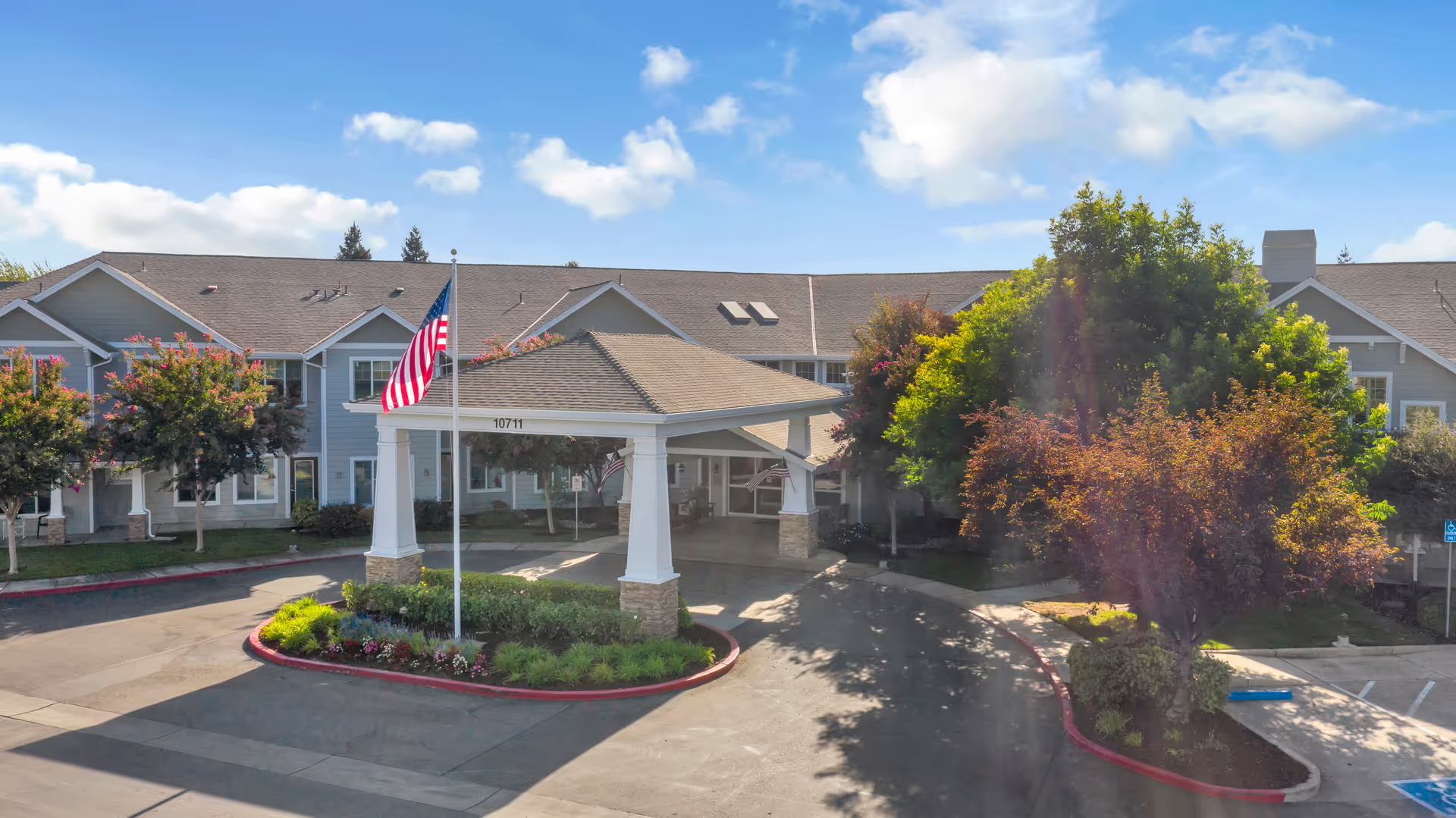
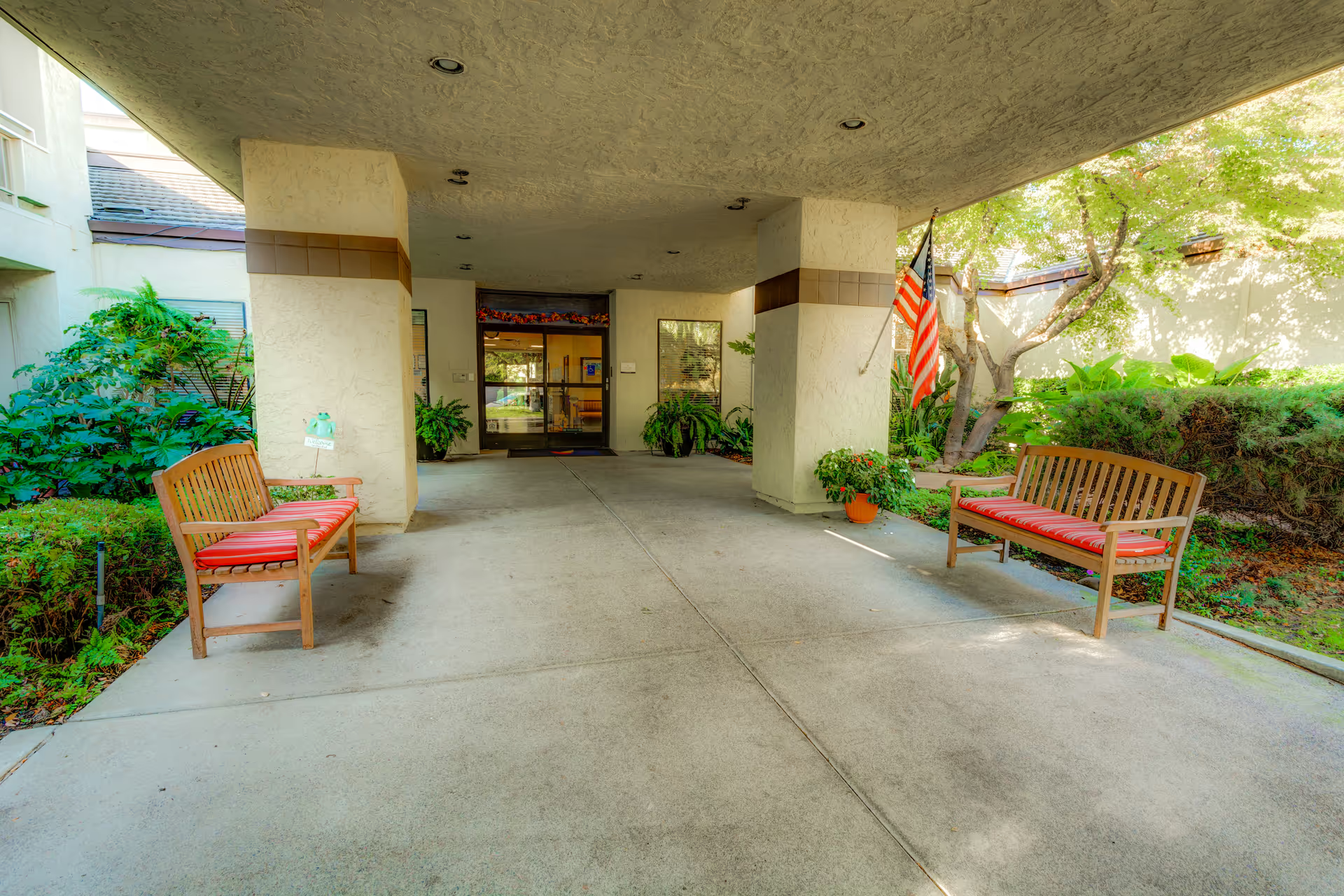
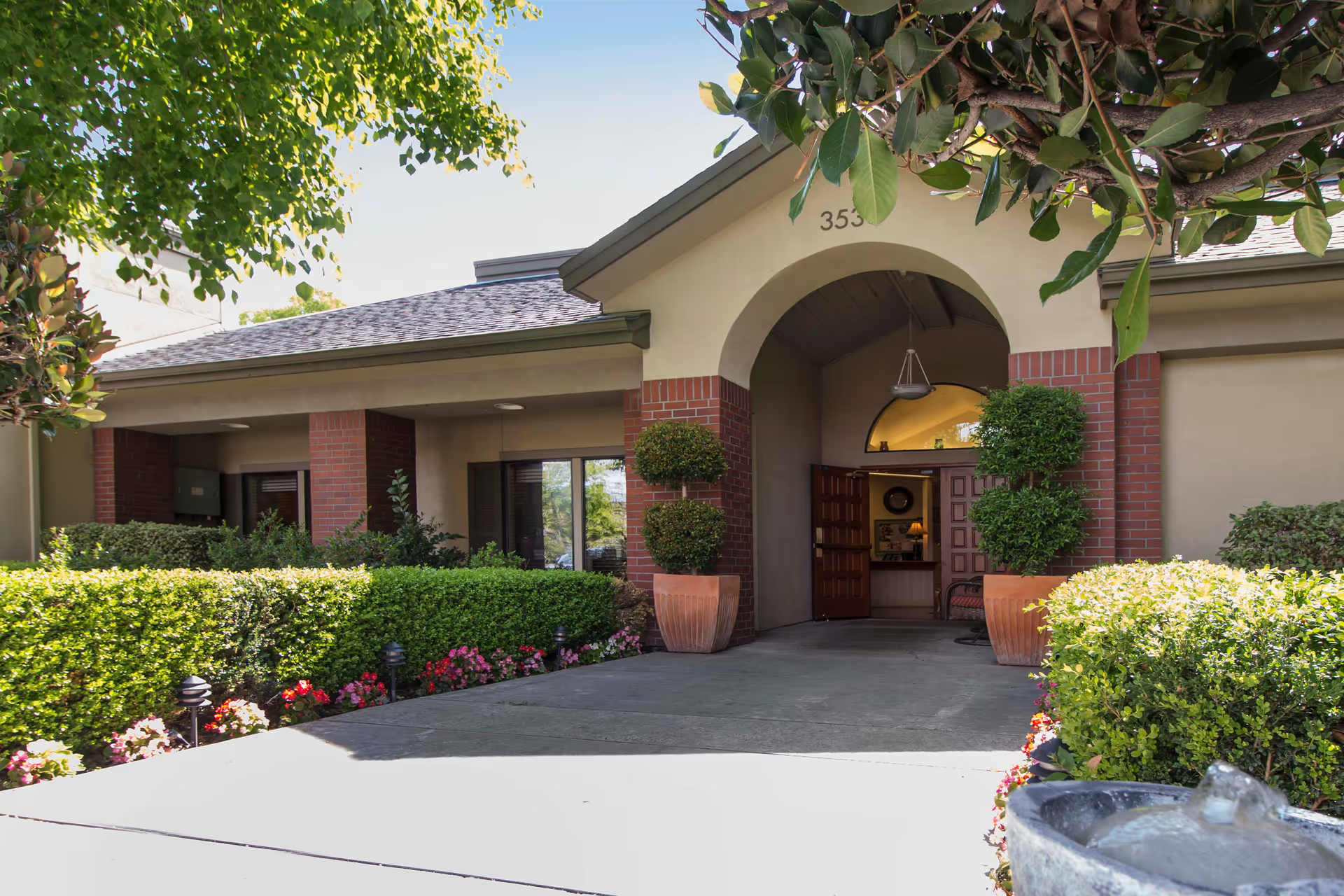
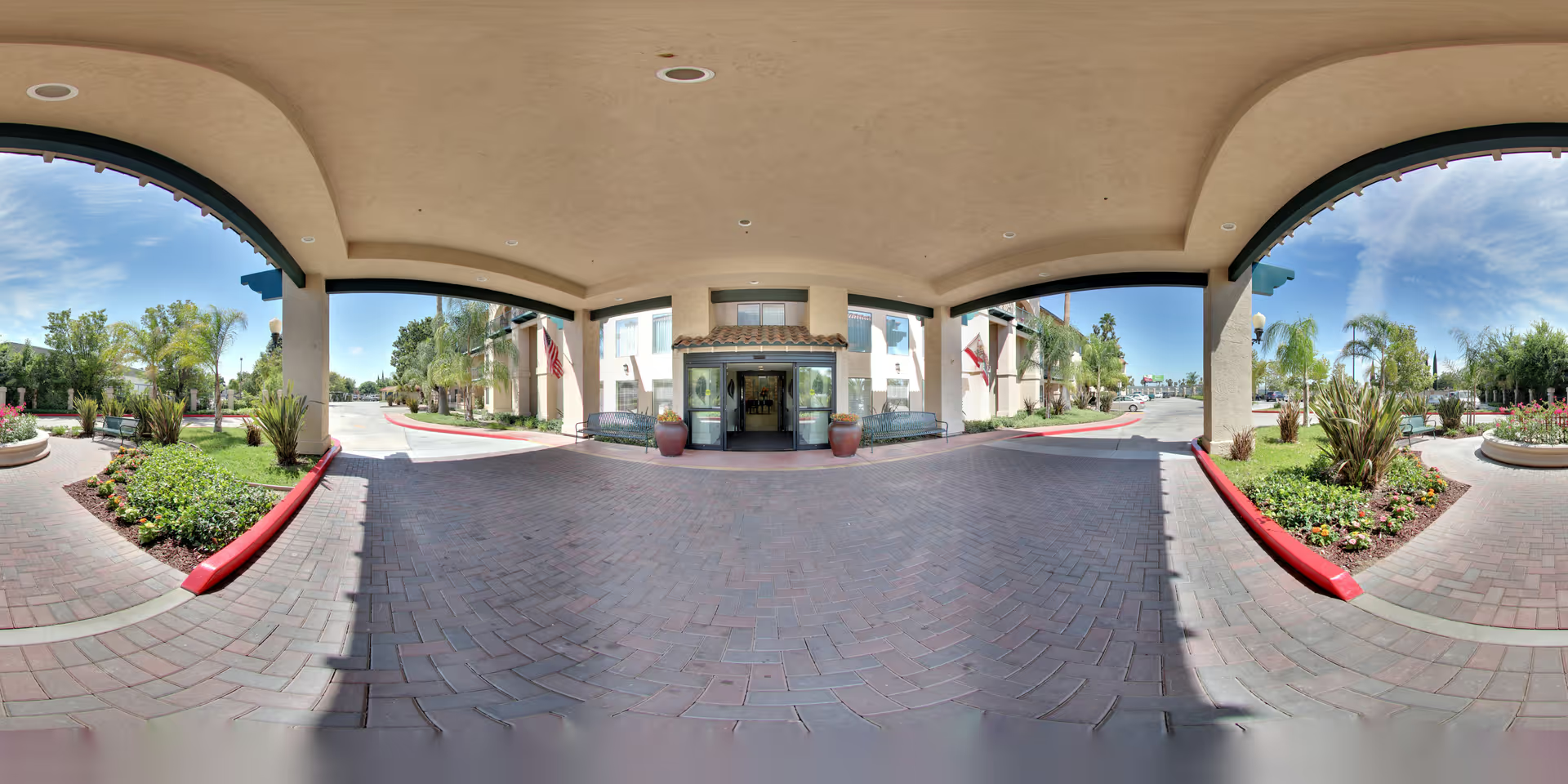
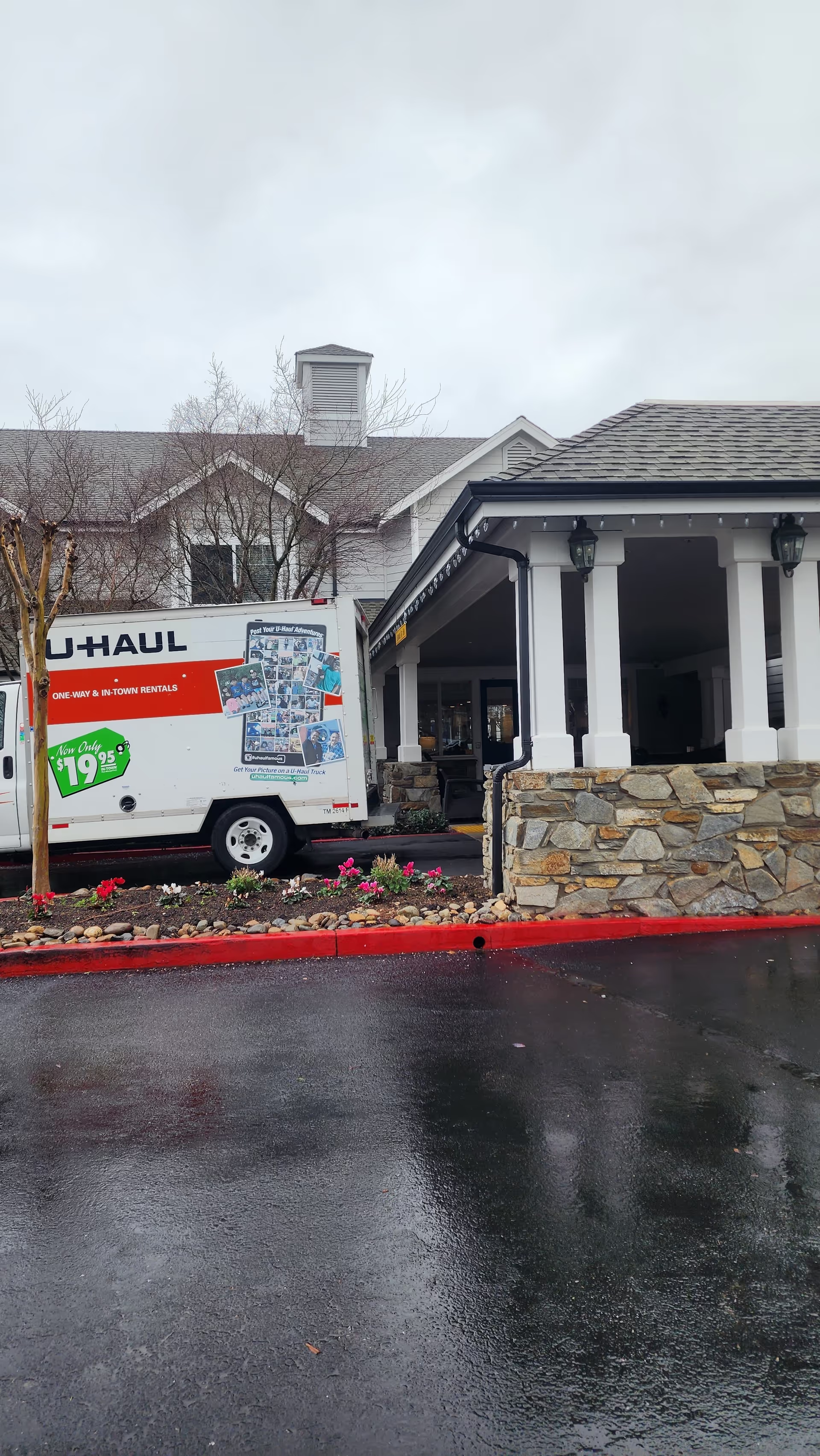
Reviewer experience of Wagner Heights Nursing & Rehabilitation Center is highly polarized: many families and patients describe compassionate, skilled frontline clinicians and strong therapy outcomes, while others describe operational and clinical inconsistencies that affected care quality. Positive accounts emphasize attentive nurses and CNAs, an effective physical/occupational therapy program, helpful admissions staff, private and well-kept rooms, and a welcoming reception area. When the facility performs well, reviewers report clear care plans, rapid therapy-driven progress, coordinated discharge instructions, and a home-like environment with an active activities program and usable courtyard.
Care quality is characterized by two distinct patterns. Numerous reviews praise nursing competence, timely medication administration, and successful post-acute rehabilitation that led to functional improvement. Contrasting reports describe gaps in wound-care management, delayed responses to care needs, irregular personal-care schedules, and medication or feeding delays. These divergent accounts suggest that clinical performance may vary by unit, shift, or staffing level rather than reflecting a single consistent standard of care.
Staff behavior and culture likewise receive mixed feedback. Many reviewers highlight compassionate, communicative staff members, helpful supervisors, and a social-services team that supported discharge planning. However, recurring concerns include variable responsiveness to call lights, instances of dismissive or disrespectful communication (including misgendering), and uneven supervision. Administrative stability is a recurrent issue: several comments reference frequent leadership changes, inconsistent follow-through on paperwork, and lapses in communication with families and external providers.
Dining and activities show similar variability. Multiple visitors appreciated accommodating dietary adjustments, regular meals, and an activities program that includes bingo and occasional outings. In contrast, other reviewers described meals that were carbohydrate-heavy, overcooked, or lacking in fresh options, and they noted limited encouragement for social engagement for some residents. The facility’s therapy spaces and programs are often cited as strengths when staffing and scheduling are consistent.
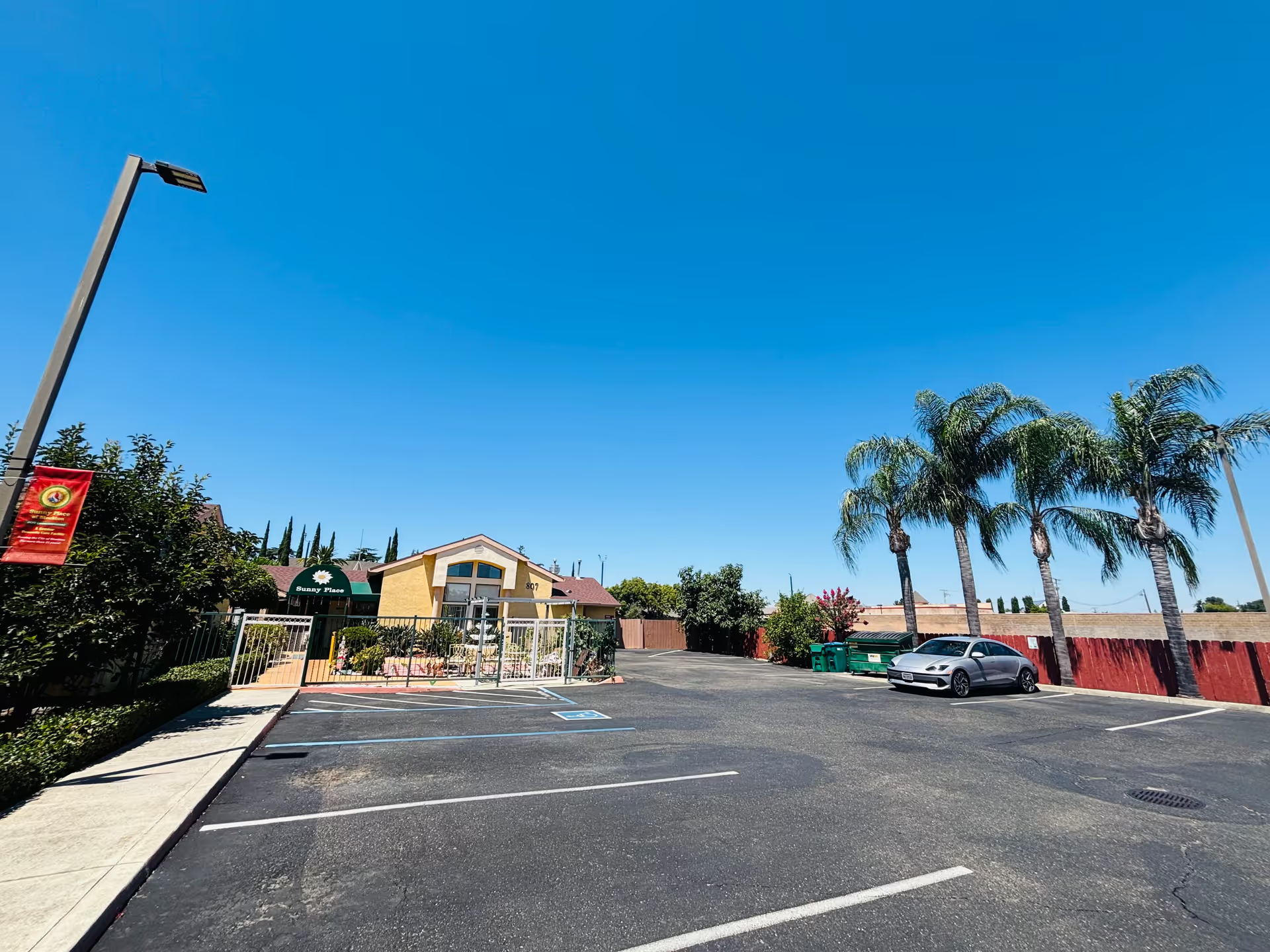
Facility condition reports are mixed: many reviewers describe clean, well-maintained common areas and rooms, while others report sanitation and odor-control issues, pest-control concerns in specific rooms, and an aged building with maintenance needs. Security of personal belongings and inventory procedures emerged as a repeating concern, with several accounts of missing clothing or items and frustration about unresolved follow-up.
Management and processes are a key dividing line in reviews. Several commenters praised recent management initiatives and hands-on leadership that improved cleanliness and staff morale. Conversely, others describe cumbersome paperwork, bed-allocation delays, poor discharge coordination for complex needs (for example, dialysis logistics), and inconsistent communication from admissions or social-work staff. A small number of reviews reference regulatory complaints and at least one police investigation; these are serious individual claims that families should investigate further when evaluating placement.
Practical takeaways for prospective residents and families: the facility can deliver high-quality, therapy-focused rehabilitation and compassionate bedside care, particularly when staffing and leadership are stable. At the same time, reviewers document operational weaknesses — inconsistent staffing, variable sanitation and wound-care practices, communication breakdowns, and concerns about belongings security — that merit close inquiry. When considering Wagner Heights, arrange a detailed tour, ask about unit-specific staffing patterns and wound-care protocols, review recent regulatory history, request written procedures for belongings inventory and pest control, and speak directly with the current nursing leadership about transitional-care and discharge coordination for any complex needs.