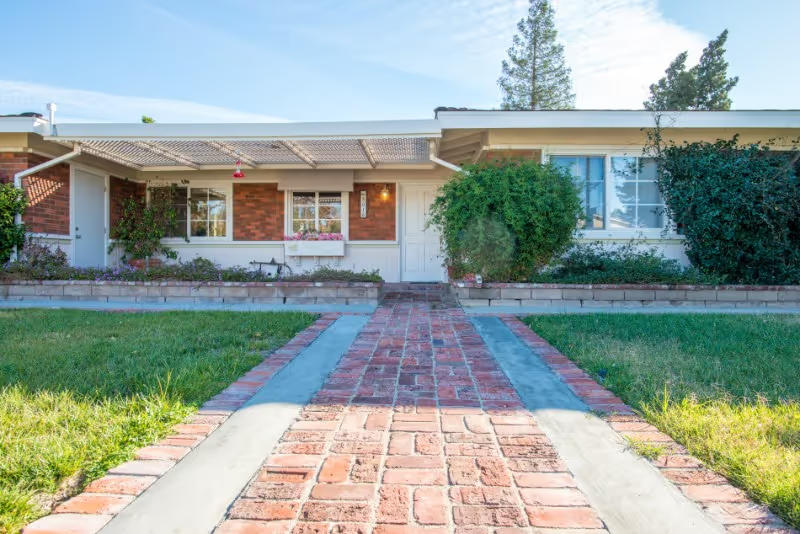
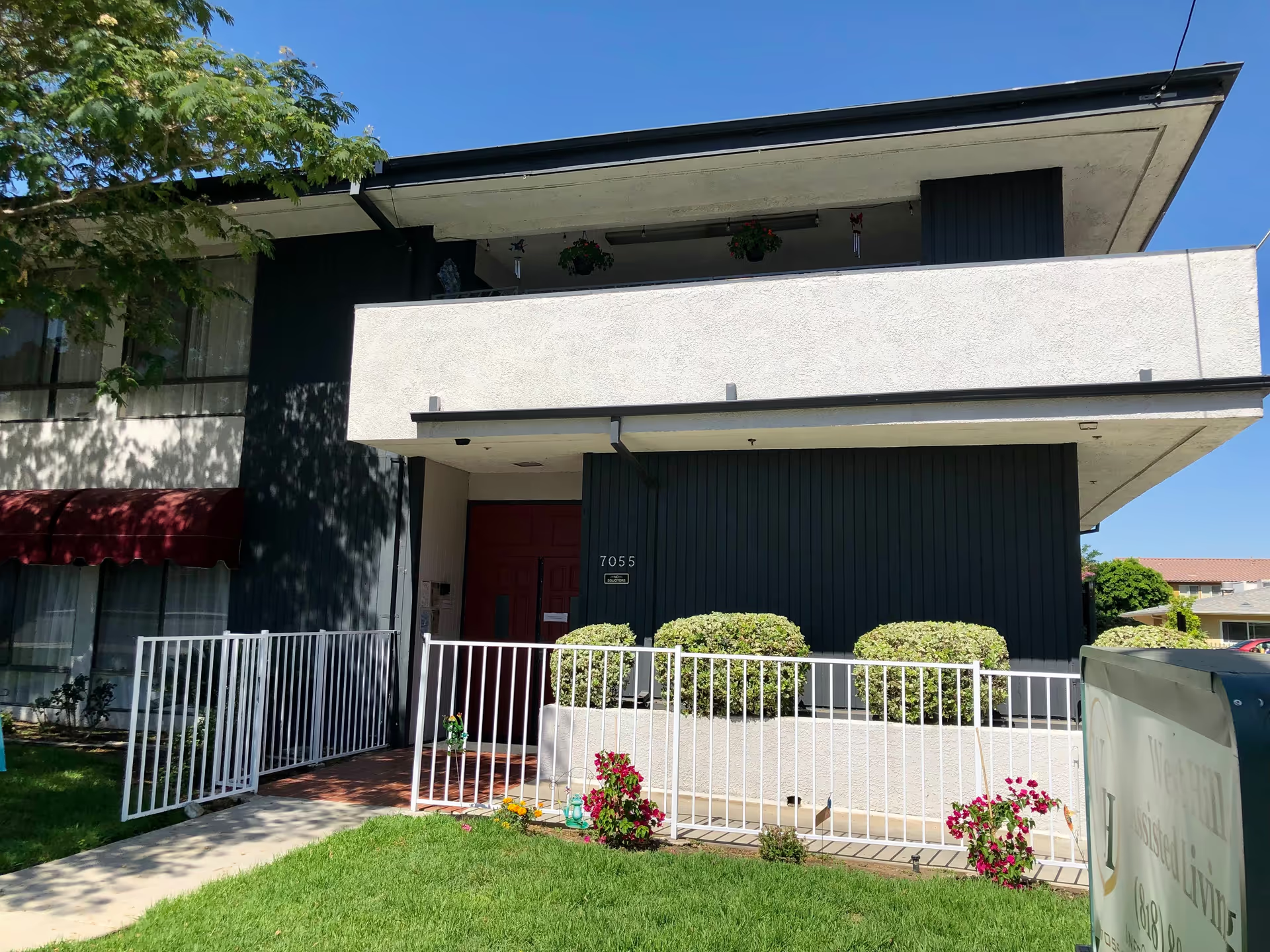
A Place for All Seasons presents a mixed profile in these review summaries. The facility's small-house approach (six bedrooms) and private rooms appear to foster close, individualized caregiving. Multiple comments emphasize compassionate, respectful caregivers and a capacity to provide dementia-specific support; reviewers describe personal attention and a generally positive overall experience for residents in those respects.
At the same time, there are recurring operational concerns. Several summaries describe a decline in aspects of care and service quality over time, suggesting inconsistency in day-to-day delivery. Dining is a frequent focus of criticism: reliance on frozen or processed options and repetitive menus were noted, which can indicate limited kitchen capability or constrained meal-service planning. Prospective residents and families should clarify current meal-service plans and menu variety during a tour.
Facility-level maintenance and housekeeping are additional areas of concern. Review text points to cleanliness and sanitation issues and to pest-control concerns in resident areas. These items indicate a need for strengthened environmental services and more consistent housekeeping oversight. Given the small size of the home, such lapses can have a noticeable impact on resident comfort and family perceptions.
Management and operational continuity appear variable. The pattern described — initially satisfactory conditions followed by decline — suggests possible turnover or gaps in supervisory oversight. Families considering this facility should ask about staff retention, supervisory practices, housekeeping schedules, pest-control contracts, and recent changes in management or care protocols.
In sum, the facility's strengths lie in its small-home model and attentive, dementia-capable caregivers. The principal weaknesses inferred from the summaries involve inconsistent operational oversight affecting dining quality, cleanliness, and pest control. A targeted tour and direct questions about current practices (meals, sanitation, staffing consistency, and dementia programming) would help determine whether recent improvements have addressed the noted concerns.