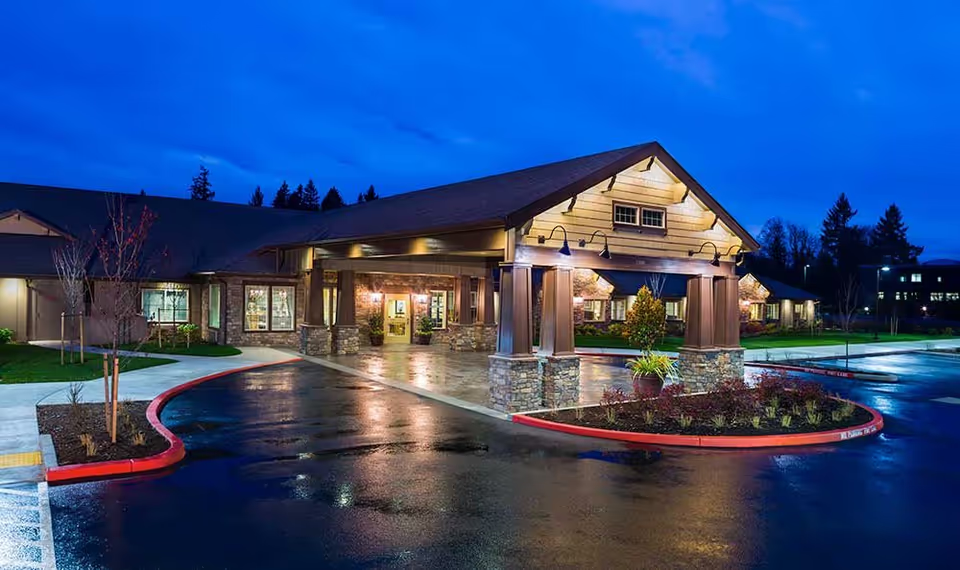
Aspen Trail presents as a modern, full-service independent-living community with many resort-style features. Multiple reviewers described brand-new, well-maintained common areas and spacious one-bedroom apartments with up-to-date finishes. The facility offers a broad slate of on-site amenities — salon, bank, on-site church, physical therapy and other in-house services — and structured supports such as included housekeeping, maintenance, concierge and valet services that contribute to a smooth move-in and daily living experience.
Staff and community life emerge as central strengths. Numerous comments praise helpful, attentive and professional employees who provide transportation for medical appointments, weekly shopping outings, assistance with appointments, and responsive maintenance. Reviewers describe a strong social culture: friendly residents, active programming (crafts, classes, exercise, theme parties), communal dining and a sense that staff and residents know each other. Many families and residents characterized the staff as caring and the community atmosphere as welcoming.
Dining is a mixed area of performance. Several accounts describe restaurant-style meals, special-event buffets, and high-quality food service with themed brunches and plentiful options. At the same time there are repeated observations of inconsistent meal quality, uneven weekend menus, cafeteria-style flows at times, and occasional preparation issues. Staffing changes in the kitchen and temporary absence of a chef are mentioned as drivers of variability.
Operationally, the facility shows a pattern of staffing and management challenges. High staff turnover and reports of employees being overworked are associated with service delays and variability in day-to-day operations. Related issues include intermittent gaps in food-service staffing and temporary reductions in service consistency. Concerns about policy transparency and the predictability of rule enforcement have been raised — for example, conflicting guidance on pet policies and instances where admissions or post-move changes did not match initial marketing conversations. There is at least one serious allegation concerning abrupt visitor handling and pet-policy enforcement that underscores the need for clearer written policy and consistent communication.
Overall care-related impressions are generally positive for independent-living residents: concierge-level services, scheduled activities, and accessible on-site medical or therapy options support independent lifestyles. However, families considering a move should weigh the variations in dining and the potential for management and staffing fluctuations to affect daily experience. Prospective residents may want to ask specific questions about current kitchen leadership, staff retention strategies, written policy documents (pets, visitor conduct, billing), and available outdoor space before committing.
In summary, Aspen Trail offers a strong, amenity-rich independent-living environment with many elements of a high-end retirement community: modern facilities, robust on-site services, engaged staff, and an active resident community. The primary areas to probe further during a visit are dining consistency, staffing stability, and clarity/transparency of policies and communications from management.