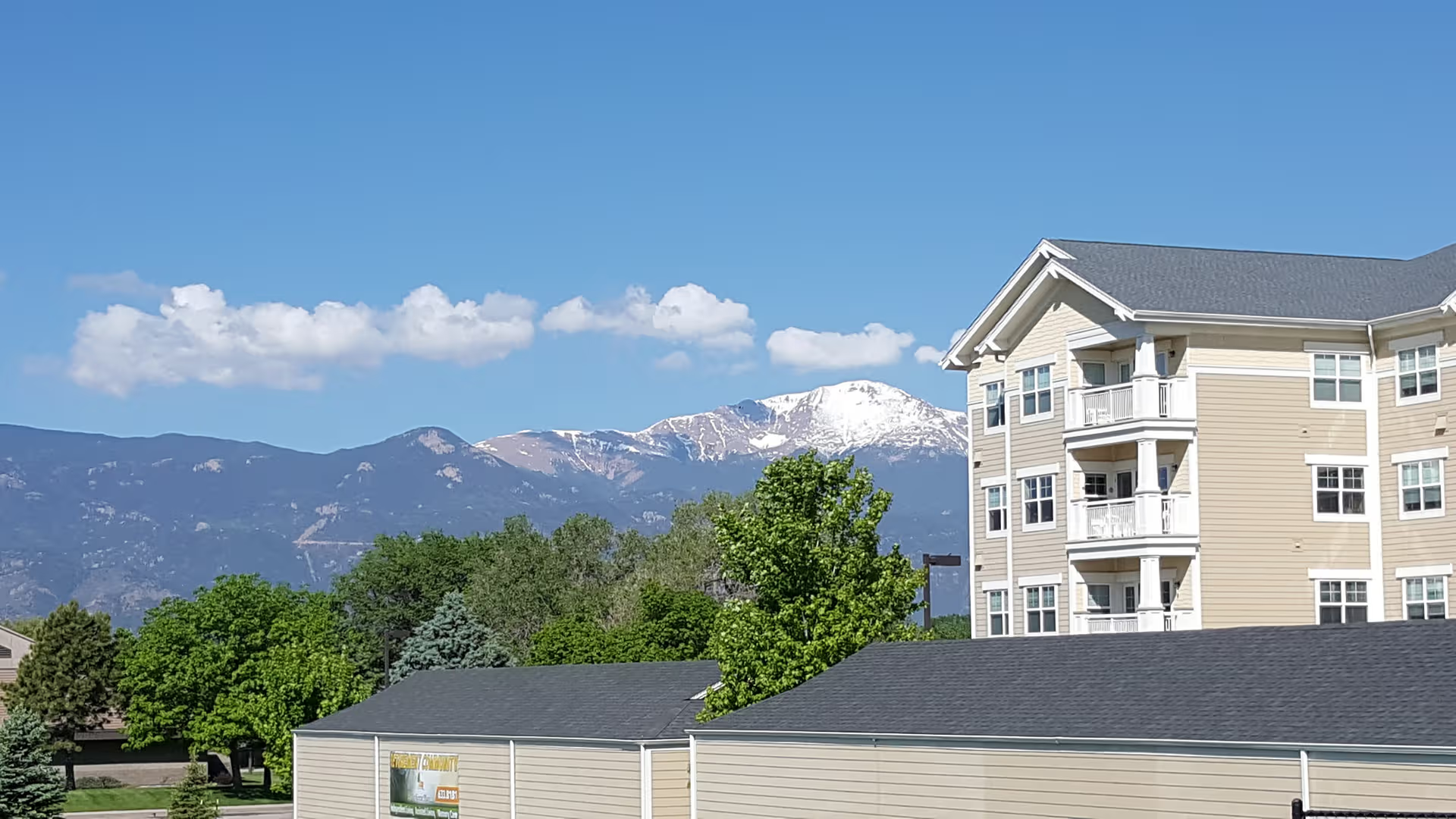
Overall impression: Brookdale Vista Grande presents a split profile. Physically the community receives frequent praise — many reviewers describe recently renovated common areas, attractive dining spaces, comfortable apartments with kitchenettes and ample natural light, and pleasant outdoor patios and walking routes with mountain views. The community offers typical assisted-living amenities such as on-site therapy, a salon, a whirlpool, and social programming that many families find engaging and home‑like.
Care and staff: A major strength cited throughout reviews is the caregiving culture. Numerous comments highlight warm, compassionate staff who know residents by name, provide hands-on assistance with toileting and medications, and offer transition support that eases moves. At the same time, a consistent operational weakness is staffing instability. Reviewers describe high turnover, frequent reliance on transient or agency workers, and periods when night or weekend coverage is thin. Those staffing gaps are linked to delayed call‑button responses, variable bedside assistance, and concerns about clinical oversight and medication administration. There are also isolated but serious accounts of delayed attention after falls and misplaced personal items; these translate to broader concerns about response reliability and continuity of care.
Dining and nutrition: Dining receives mixed feedback. Some families praise the menu variety, fresh desserts, and accommodating staff who can address dietary needs. Other comments point to inconsistent execution — meals arriving cold or not at the scheduled time, running out of menu items, limited selection for certain items (for example, muffin variety), and occasional extra charges. Nutrition accommodations are available but the consistency of meal delivery and temperature control appears to vary.
Activities and social life: The community scores well for programming. Activity offerings include bingo, Bible study, music, exercise classes, and an active calendar that many residents enjoy. Reviewers note that the social atmosphere is often lively and that staff-led activities contribute to residents’ wellbeing. A few reviews indicate the published calendar can overstate activity frequency and that some planned events are canceled when staffing is limited; this points back to the facility’s operational staffing variability.
Facilities and cleanliness: Physical plant and aesthetics are frequently praised — remodels, attractive common rooms, and spacious floor plans are cited positively. Concurrently, there are recurring cleanliness and sanitation concerns in some units and lapses in housekeeping consistency. Reviewers described situations where room cleaning was brief or delayed and where sanitation-related issues required management attention. These comments suggest the facility maintains high aesthetic standards in public areas but has uneven execution in routine room-level housekeeping and incontinence-care follow-through for some residents.
Management, billing, and value: Management receives mixed evaluations. Several families compliment responsive leadership and specific staff who resolve issues quickly; a recently named director and weekend managerial coverage are noted as positives. However, recurring themes include billing errors, late fees, unclear monthly charges, and substantial rate increases that raise value concerns relative to cost and veteran benefits. Communication gaps, occasional allegations of retaliatory behavior by staff or supervisors, and inconsistent follow-through on credits or reimbursements are part of the reported pattern. For families evaluating cost versus consistency of care, these financial and communication patterns are material.
Notable patterns and recommendation guidance: The dominant pattern across reviews is a contrast between a warm, personable caregiving culture and systemic operational weaknesses tied to staffing and administrative consistency. Prospective residents and families can expect an attractive environment, many activities, and staff members who are capable and caring; but they should also assess current staffing levels, night/weekend coverage, medication‑management protocols, housekeeping schedules, memory-care programming, and billing transparency during tours. For individuals requiring stable, high-acuity memory-care or continuous overnight supervision, families should probe staffing ratios and documented clinical procedures. For those prioritizing an active social environment and renovated facilities, the community may be a strong fit if the family is comfortable with potential variability in service execution and with the facility’s current cost structure.