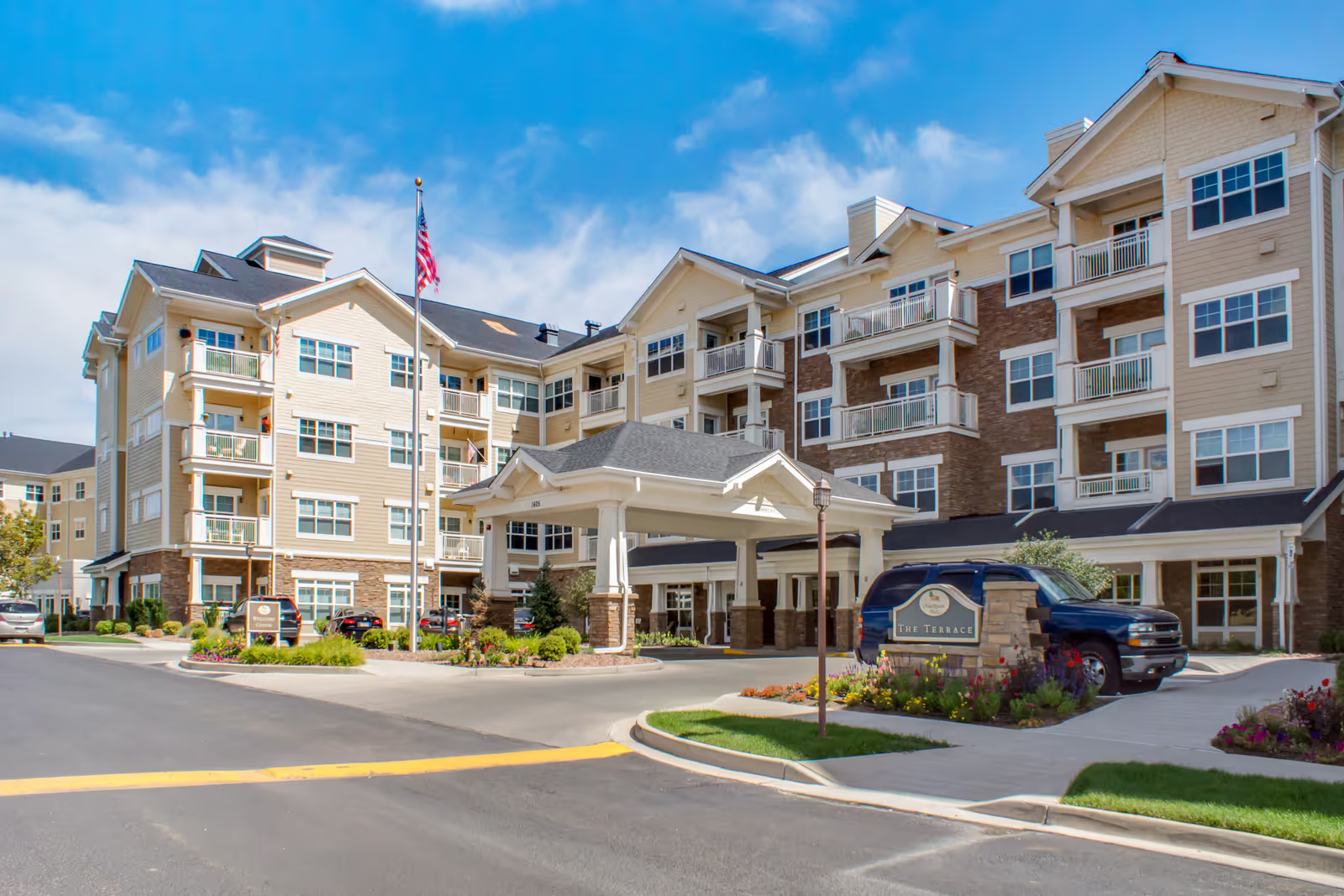
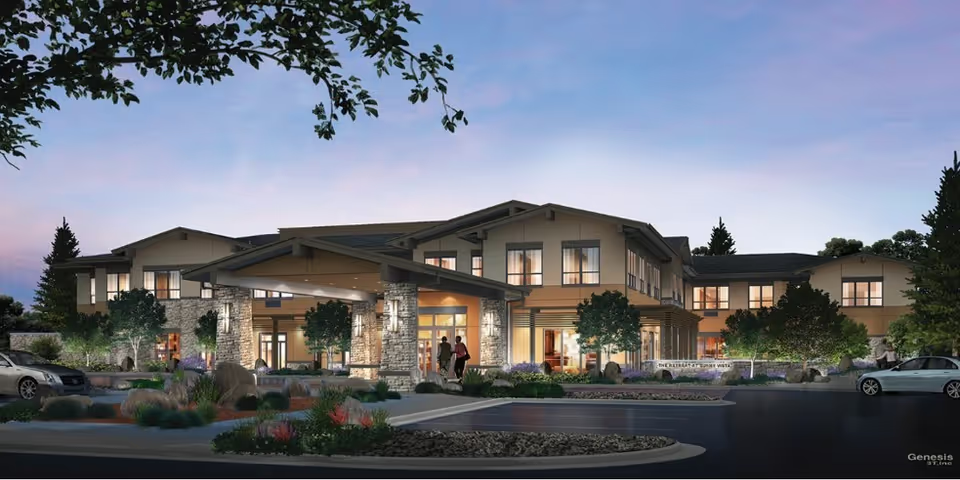
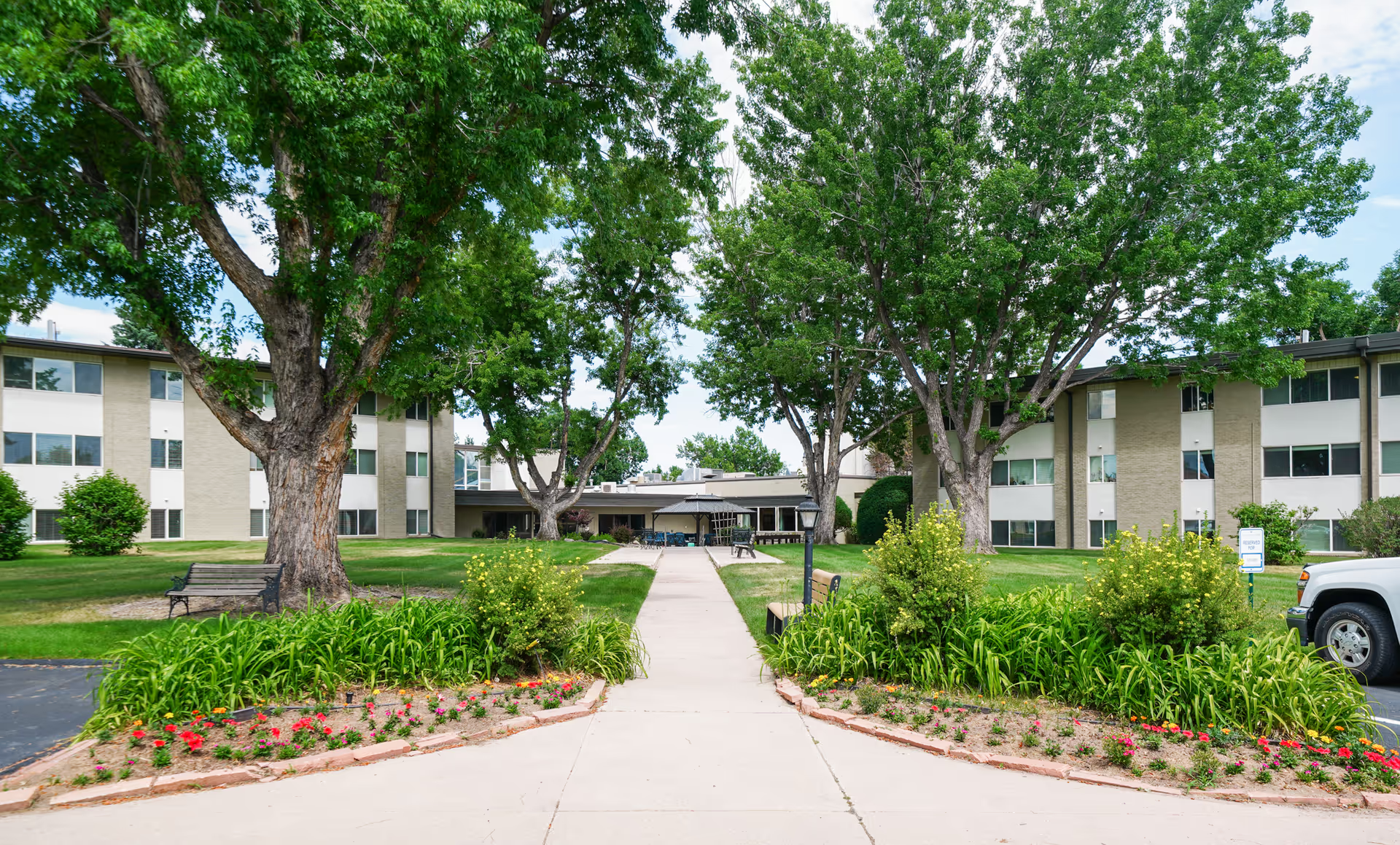
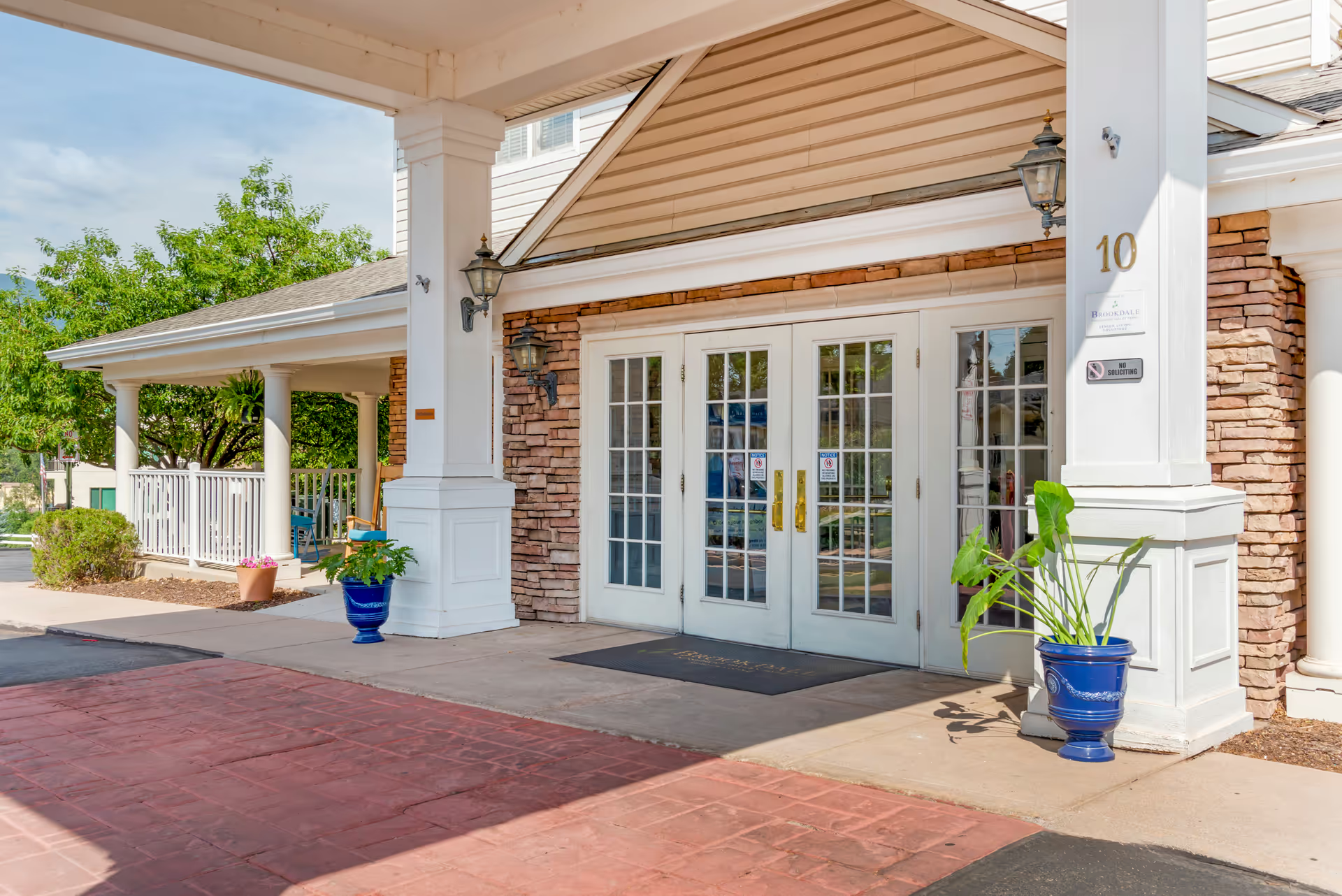
The reviews present a mixed but coherent profile of Pikes Peak Post Acute. Strengths are concentrated in rehabilitation and hands-on therapy, with multiple accounts of effective PT/OT that helped residents regain function and return home. Many reviewers praised nursing staff and CNAs as compassionate and attentive, and noted welcoming admissions support and a friendly front desk. The facility offers a range of social activities (outdoor BBQs, musical performances, car shows and other events), appealing dining, and several reviewers highlighted clean, roomy rooms, pleasant common areas and recent interior updates. The presence of on-site hospice and acceptance of Medicaid were also cited as practical advantages.
At the same time, there are recurring operational concerns that prospective residents and families should evaluate. Staffing levels and responsiveness are inconsistent across accounts; some families described delays in care and instances when staff did not respond promptly. Relatedly, reviewers identified gaps in medication-management processes and in the way clinical follow-up is handled after acute events. Communication and message-delivery between staff and families were also noted as unreliable in some situations, which can complicate care coordination and family reassurance.
Personal-care and sanitation practices emerged as another area of divergence. While some reviewers described attentive hygiene care and daily room cleaning, others reported inconsistent bathing schedules, incontinence-care concerns and linens not being changed in a timely way. A subset of reviewers mentioned cleanliness or odor concerns in certain common areas or hallways. These patterns suggest that performance may vary by unit or shift rather than reflecting a uniform facility standard.
Management and culture appear to be in transition. Multiple reviews referenced new ownership or management and an enthusiasm about improvements, but others described conduct concerns involving specific staff members (including the social-work role) and a perception that financial priorities or pricing practices can overshadow resident-focused decisions. Taken together, the comments indicate operational inconsistency between different units or care levels: some units (particularly rehab) receive uniformly positive feedback, while feedback about long-term nursing and hospice care is more mixed.
For families considering this facility, recommended areas to probe during a tour include current staffing ratios by shift and unit, the medication-administration and clinical-followup protocols, how messages are routed and documented, the schedule and oversight for personal-care and linens, and recent inspection or deficiency history. Meet the therapy and nursing leadership, ask about turnover and recent management changes, and tour the specific unit where the resident would live to assess cleanliness, activity programming and staff-resident interactions firsthand. These steps will help clarify whether the strengths noted by many reviewers align with the particular level of care you require and whether operational weaknesses have been addressed.