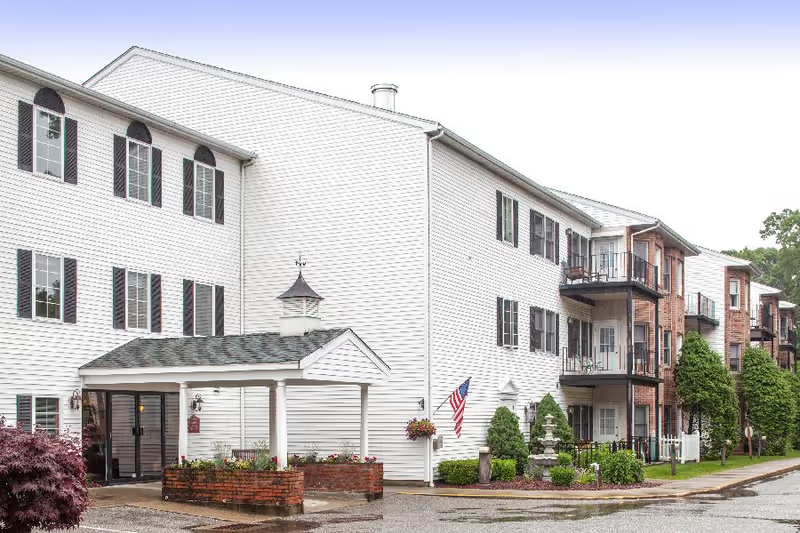
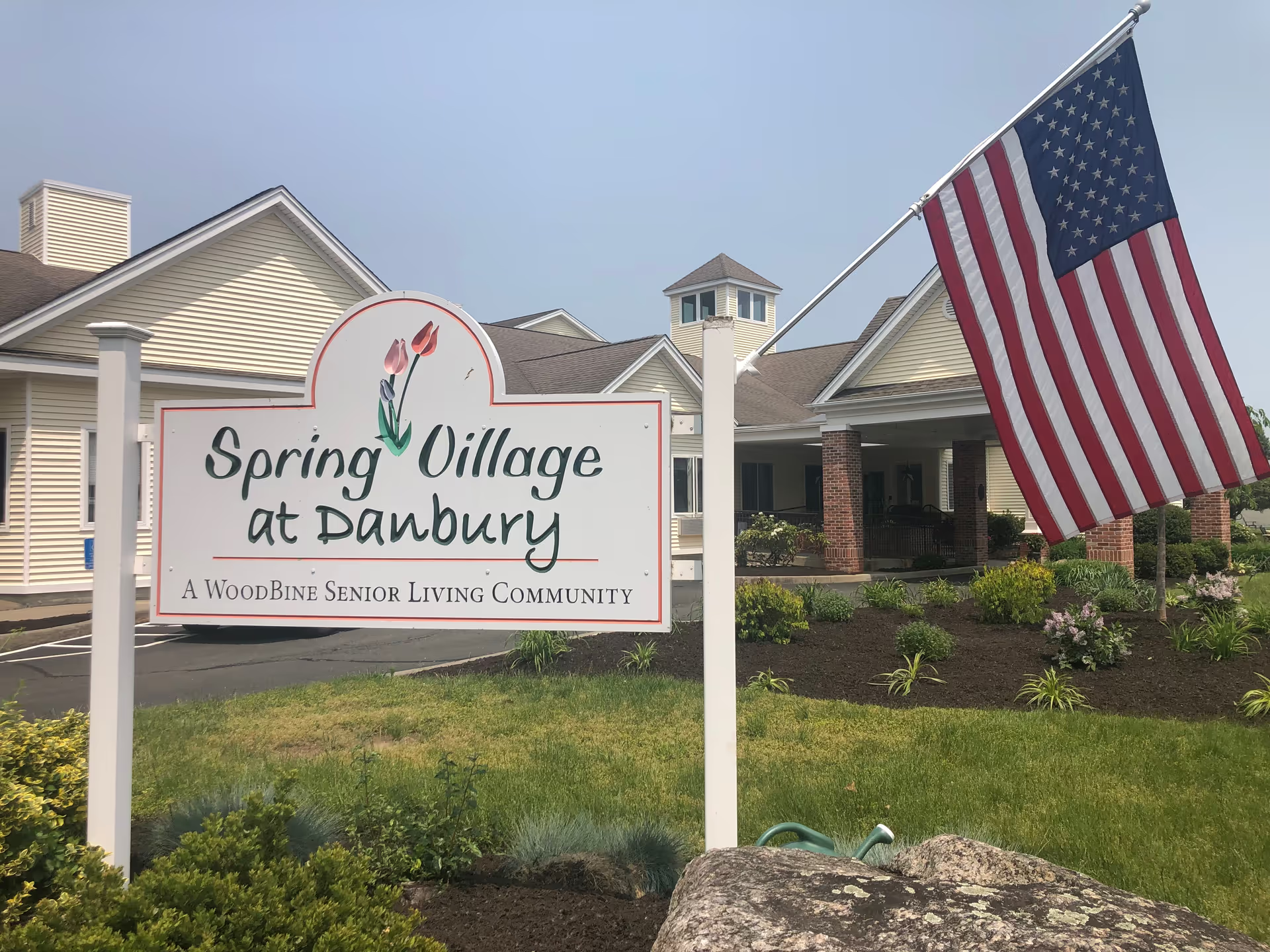
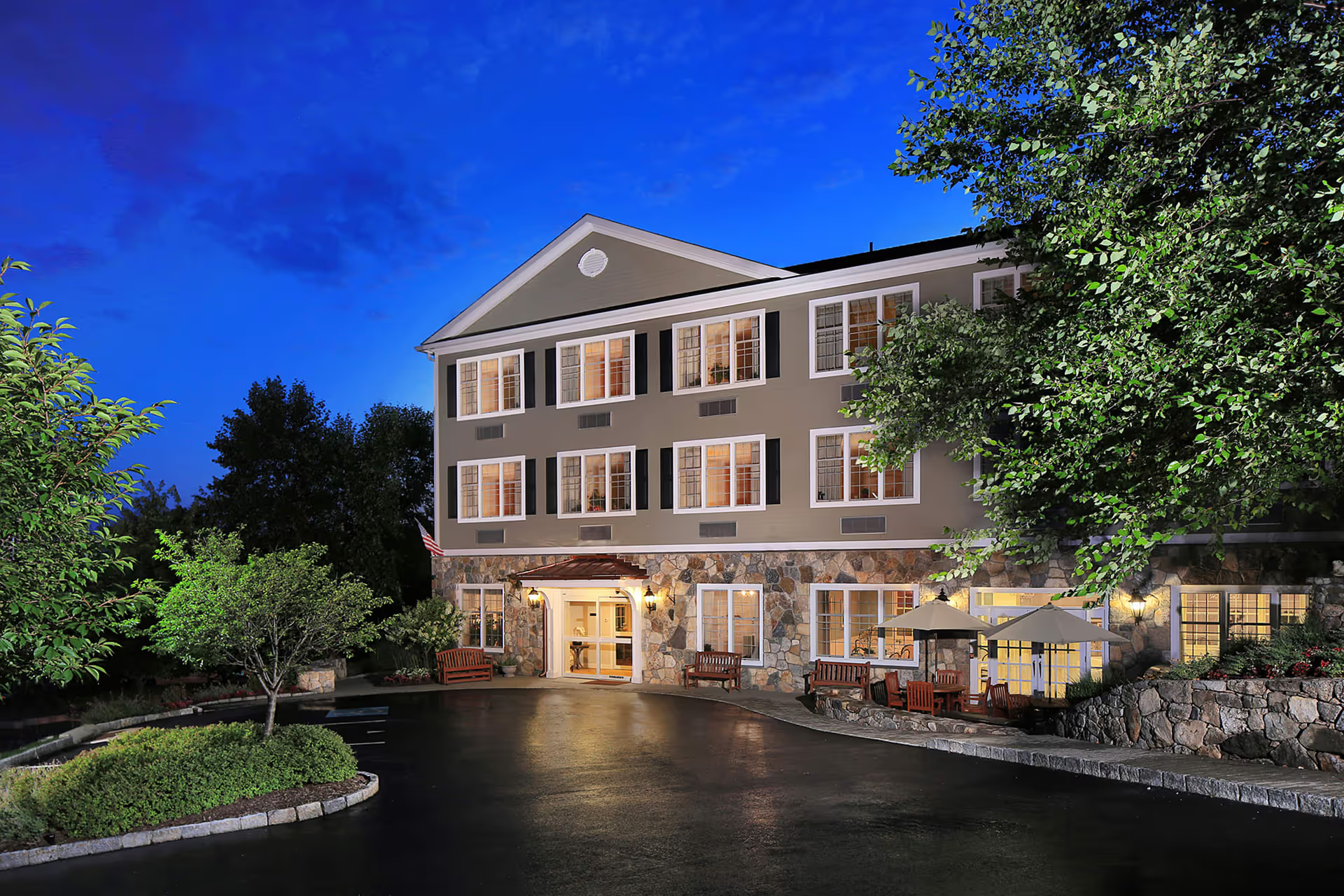
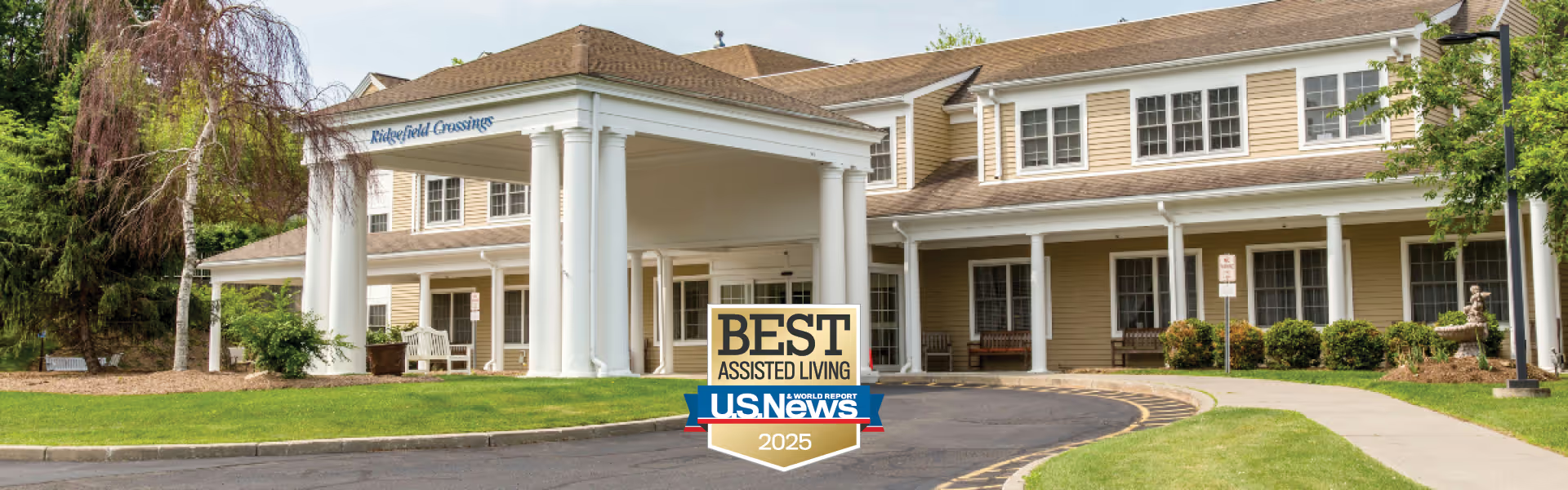
Reviews for The Cascades Assisted Living present a polarized picture: several families describe high-quality, personalized care delivered by long-tenured staff and an engaged Director of Nursing, while other accounts cite operational gaps that materially affect resident experience. Strengths cited include attentive nursing, respectful and motivating aides, individualized care plans, and a family-centered atmosphere consistent with a small, close-knit assisted living community. The facility's grounds and housekeeping services receive favorable mention, and some reviewers highlight gourmet, locally sourced meals, robust transportation services, and active recreational programming.
Care quality appears variable. Positive accounts emphasize personalized attention, staff continuity, and increased resident engagement; in those cases, staff members and nursing leadership are described as proactive and compassionate. Conversely, other accounts raise concerns about inconsistent clinical responsiveness, delayed attendance to toileting needs, and uneven end-of-life support. Rehabilitation services and therapy follow-through are described as limited or insufficient in some reports, which contributes to perceptions of a gap between clinical needs and provided services.
Staffing and communication are frequent themes. Strengths include friendly aides and helpful nurses, but criticisms focus on slow responses to requests, unreturned calls and emails, and failure to follow through on scheduled medical evaluations or move-in arrangements. Several reviewers described a troubling pattern of poor management communication that affected transitions of care and family confidence. Infection-control communication and isolation practices were also criticized in serious accounts describing nondisclosure of infectious-status information and returns of symptomatic residents; these represent governance and transparency concerns that prospective families should query directly.
Dining and activities show mixed feedback. Many reviewers praised high-quality, appealing meals and noted measurable positive outcomes such as weight gain and resident satisfaction; others reported inconsistencies in meal quality, food-safety concerns, and digestive issues following some meals. Recreational programming and transportation services are generally seen as positive features that support resident engagement and family access.
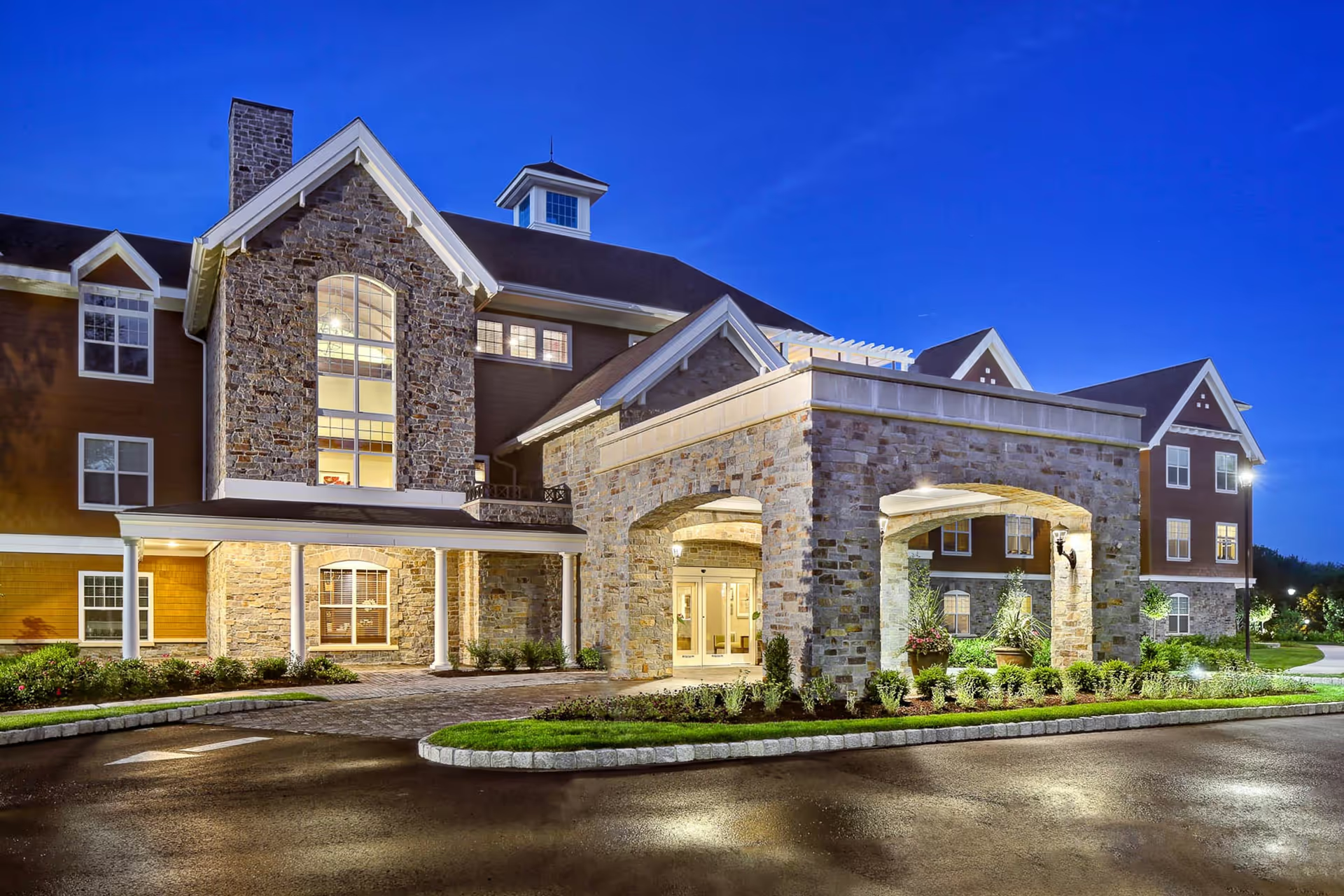
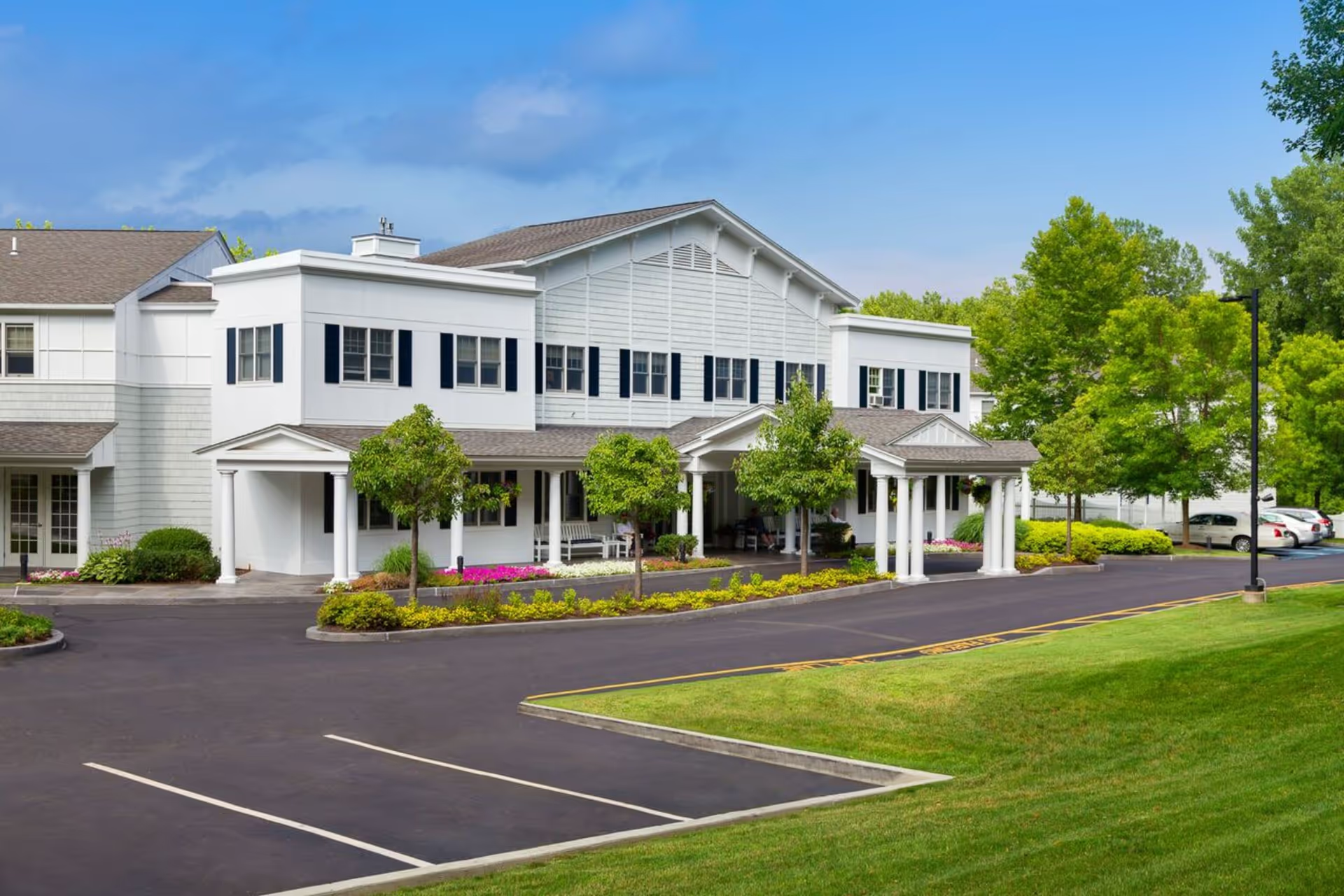
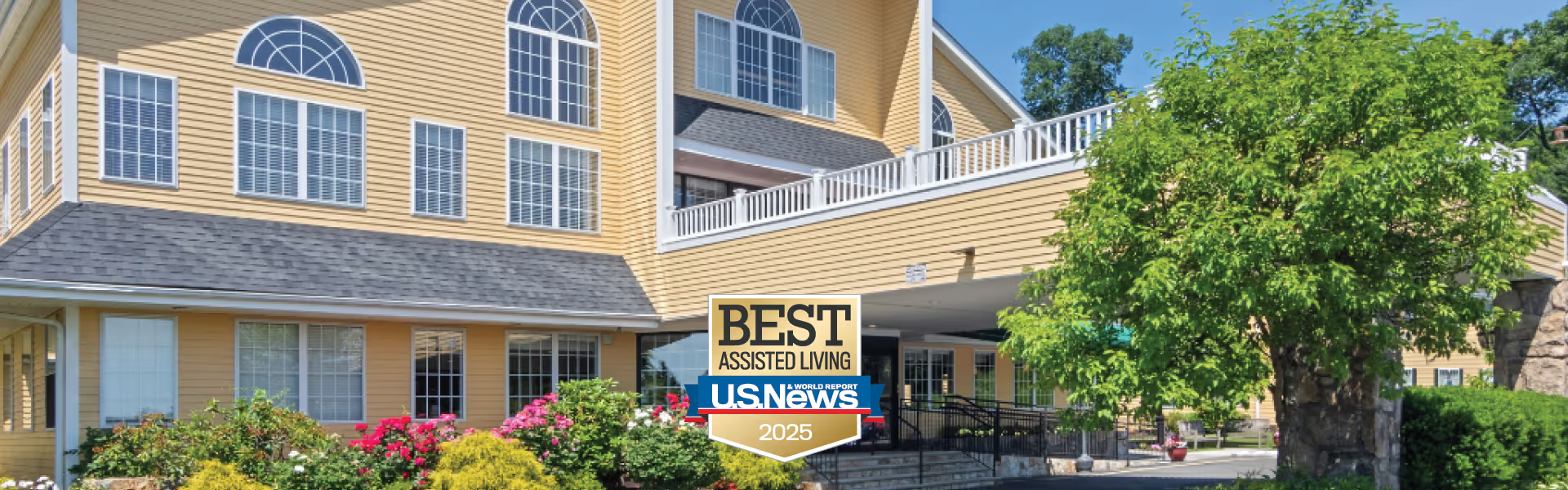
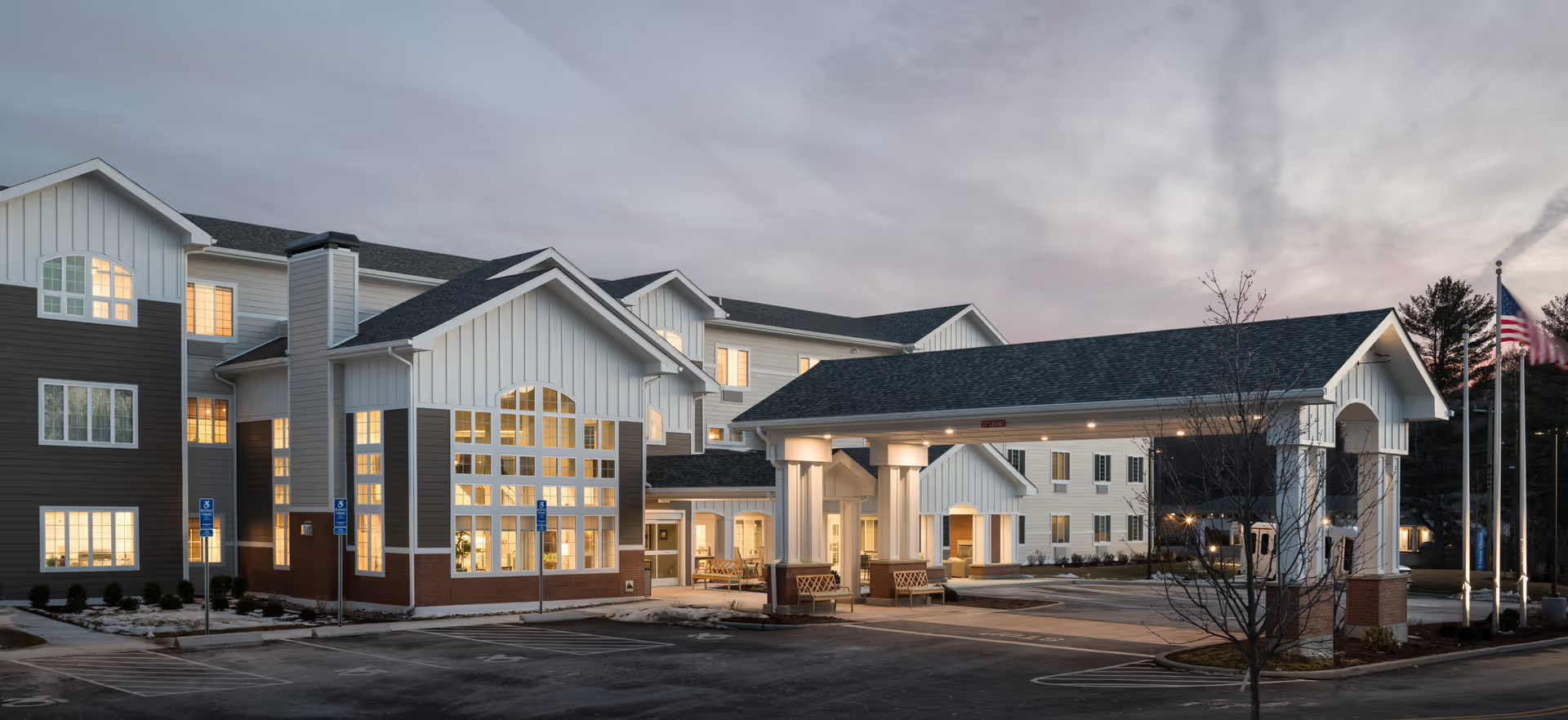
Facilities and operations show both positive and negative elements. The property and grounds are described as well maintained, but unit-level issues are repeatedly mentioned: small room sizes, limited privacy unless paying extra for a private room, inconsistent heating/cooling, lukewarm water at times, and delayed maintenance responses. Sanitation and odor-control practices are an area of concern in some reports, as are incontinence-care processes.
Overall pattern and guidance: The Cascades appears capable of delivering high-quality, individualized assisted living in many cases, driven by committed front-line staff and engaged nursing leadership. However, there is variability in operational consistency—particularly around staffing levels, communication from management, sanitation processes, infection-control transparency, and maintenance responsiveness. Prospective residents and families would be advised to tour in person, ask specific questions about staffing ratios and clinical coverage, request written infection-control and communication policies, inspect room sizes and privacy options, and confirm how the facility handles maintenance requests and rehabilitation goals before making a decision.