Reviews portray a facility with a notable range of experiences: several families describe high-quality, compassionate care—particularly for short-term rehabilitation—while other accounts describe operational weaknesses that affect safety, comfort, and communication.
Care and clinical services: Many reviewers praised the physical therapy and rehabilitation teams, reporting measurable improvement and successful transitions home. Nursing and aide staff are frequently described as attentive and caring by families who had positive experiences. However, an opposing pattern includes delayed responses to call buttons, missed or inconsistent personal-care checks, and instances that reviewers interpreted as lapses in monitoring for high-risk residents. Overall, clinical capability appears strong in the rehabilitation context but inconsistent in routine resident monitoring and incident response.
Staff and culture: The front desk, admissions team, and certain named staff receive consistent positive mention for professionalism and helpfulness. Concurrently, several comments highlight staffing shortages, frequent call-outs, and heavy workloads that place strain on direct-care staff. This staffing pressure is linked by reviewers to long response times, variable staff attitudes, and uneven care quality across shifts. There are also documented concerns about staff conduct and tone in family interactions; these concerns coexist with accounts of highly compassionate employees and teams.
Dining and activities: Activity programming and resident engagement are often cited as strengths, contributing to a familial and community atmosphere. Dining impressions are mixed—some reviewers find meals acceptable while others describe inconsistent meal quality. Activity and social programming appear to be meaningful for many residents, aiding acclimation and mood.
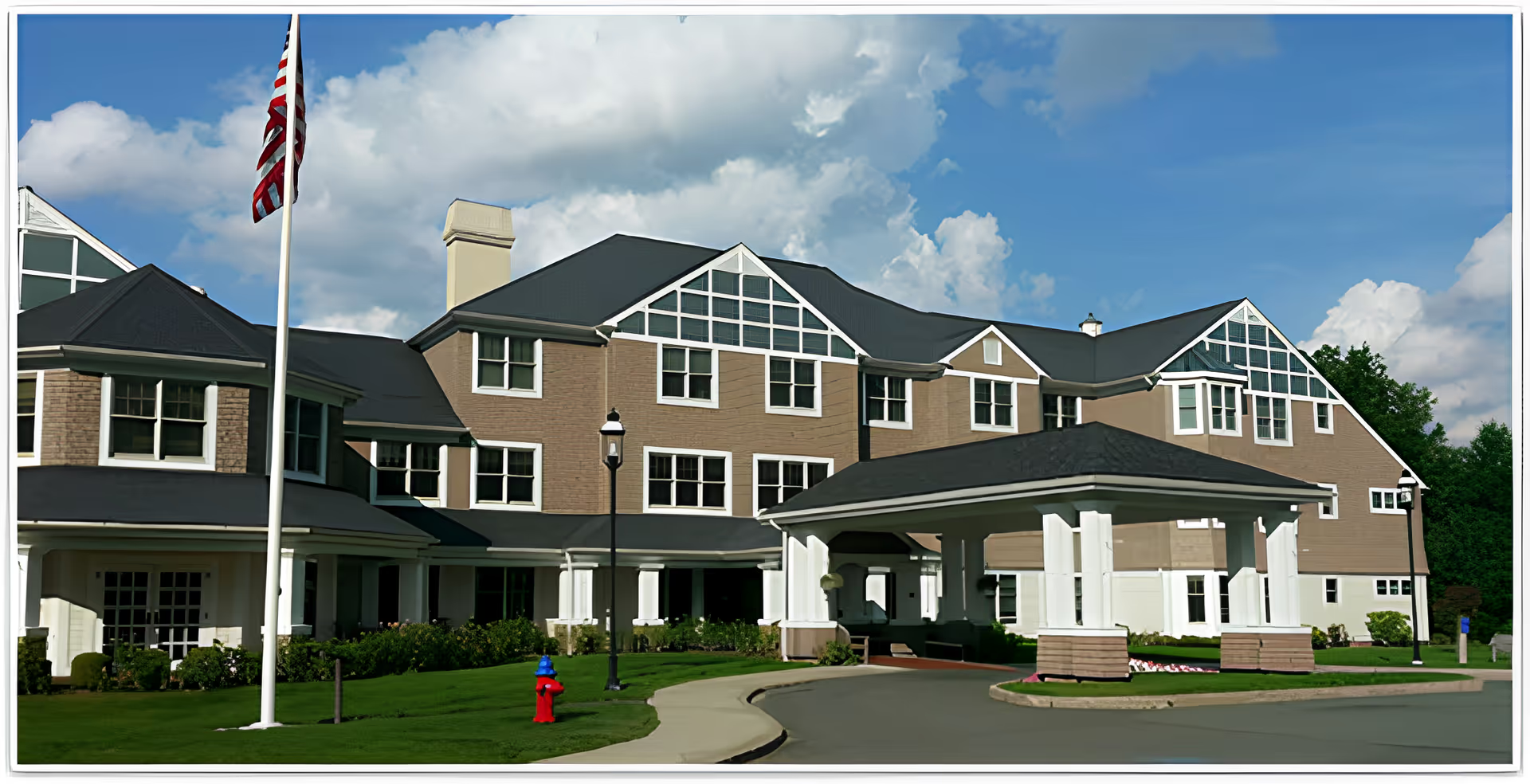
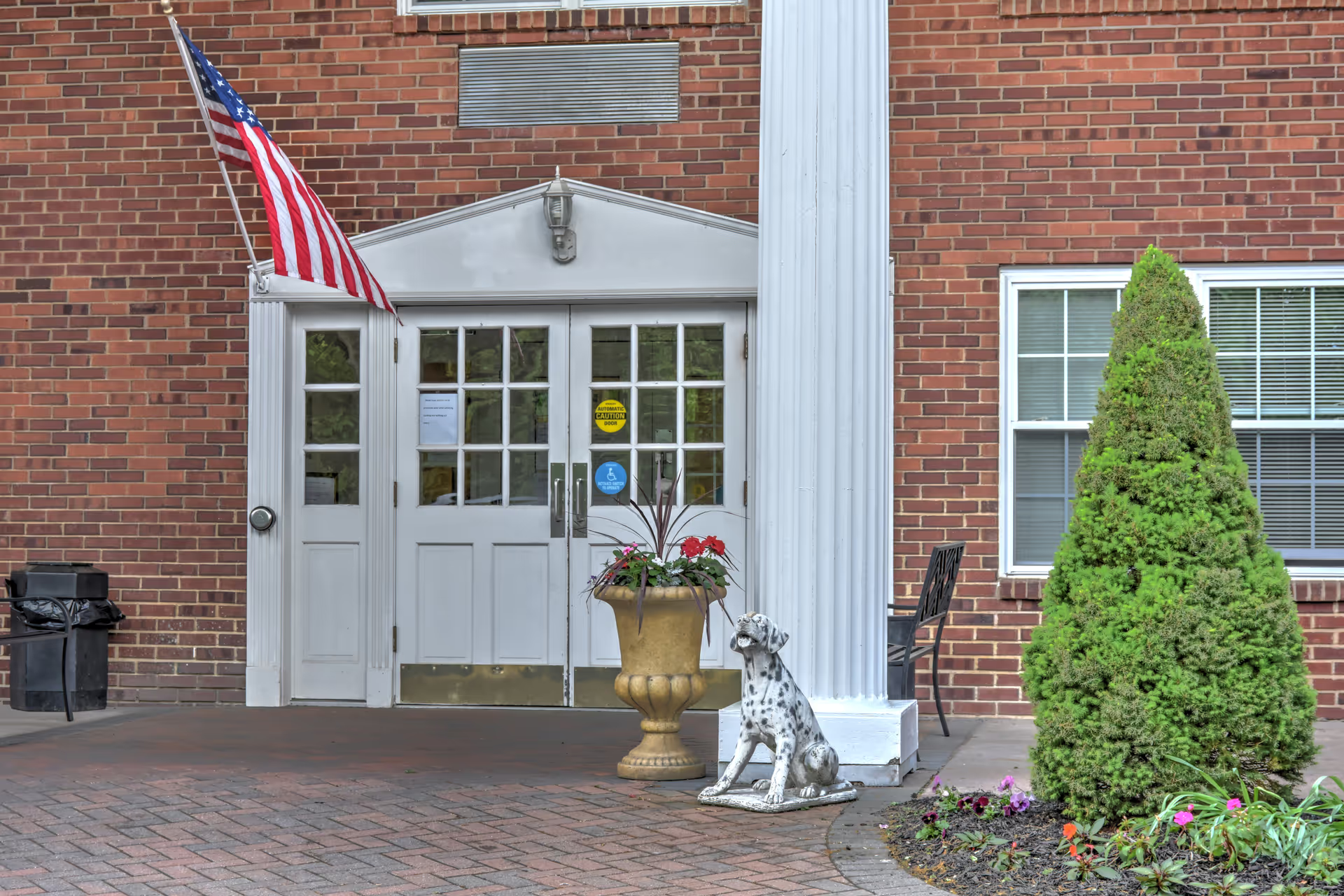
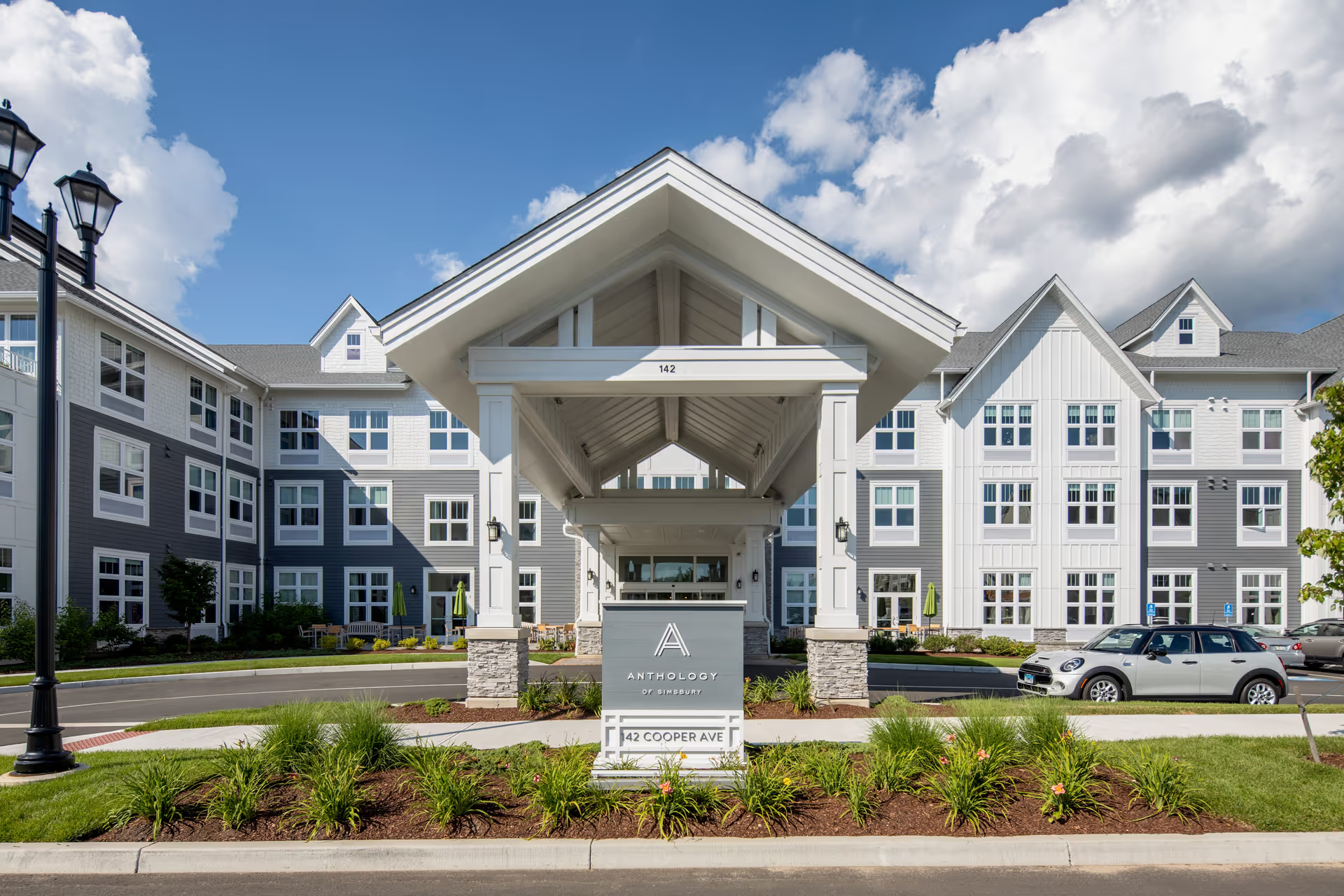
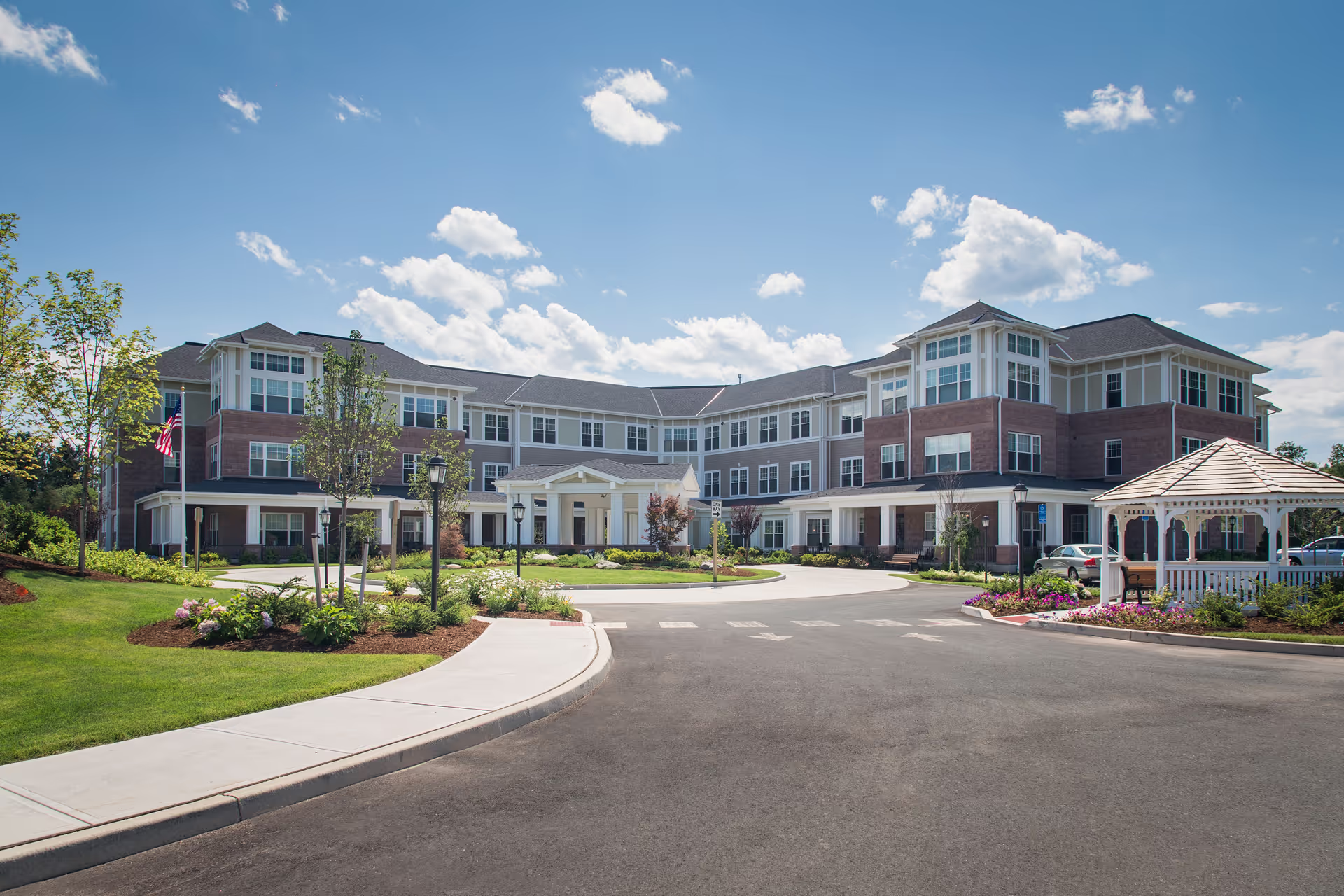
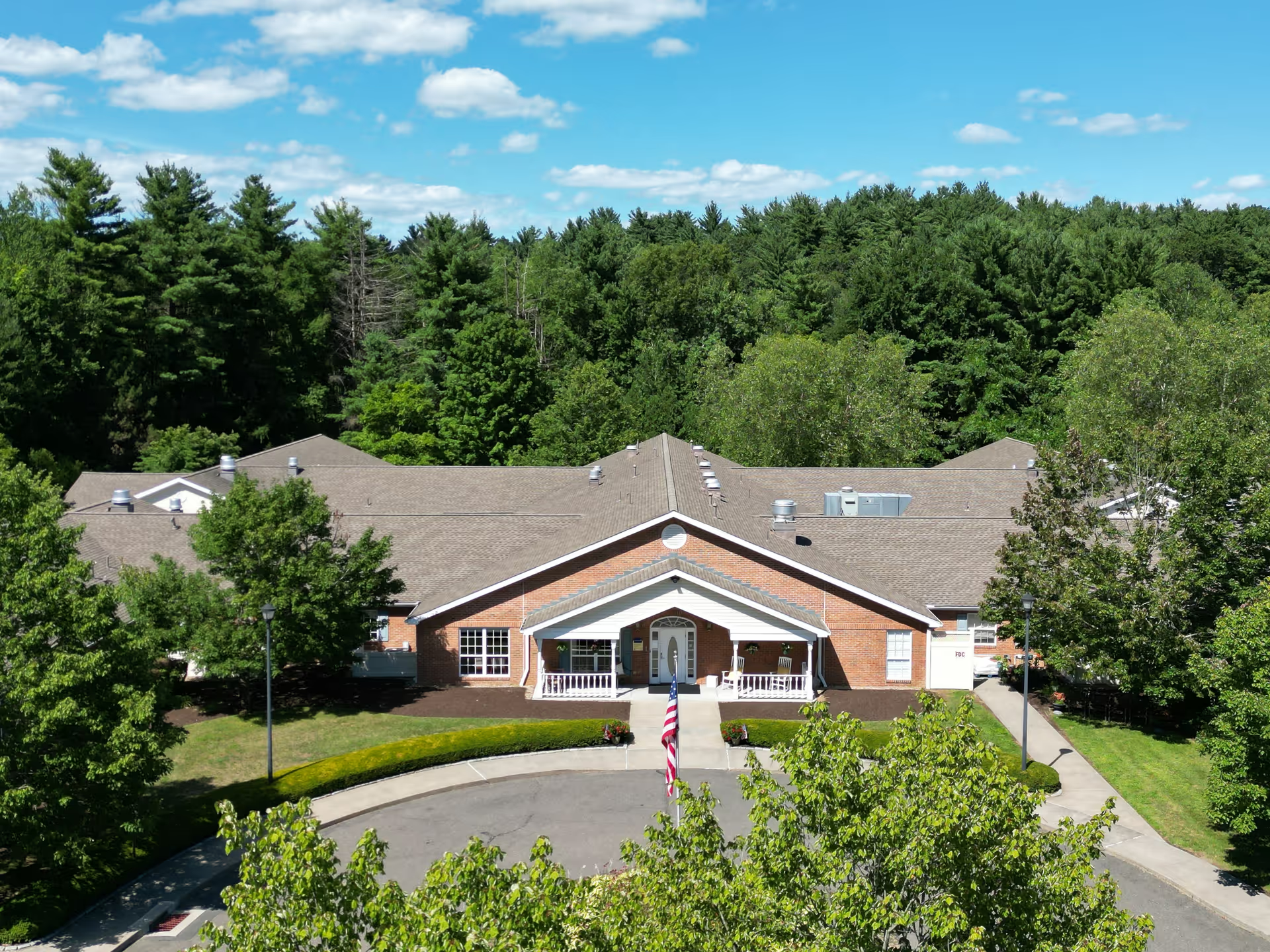
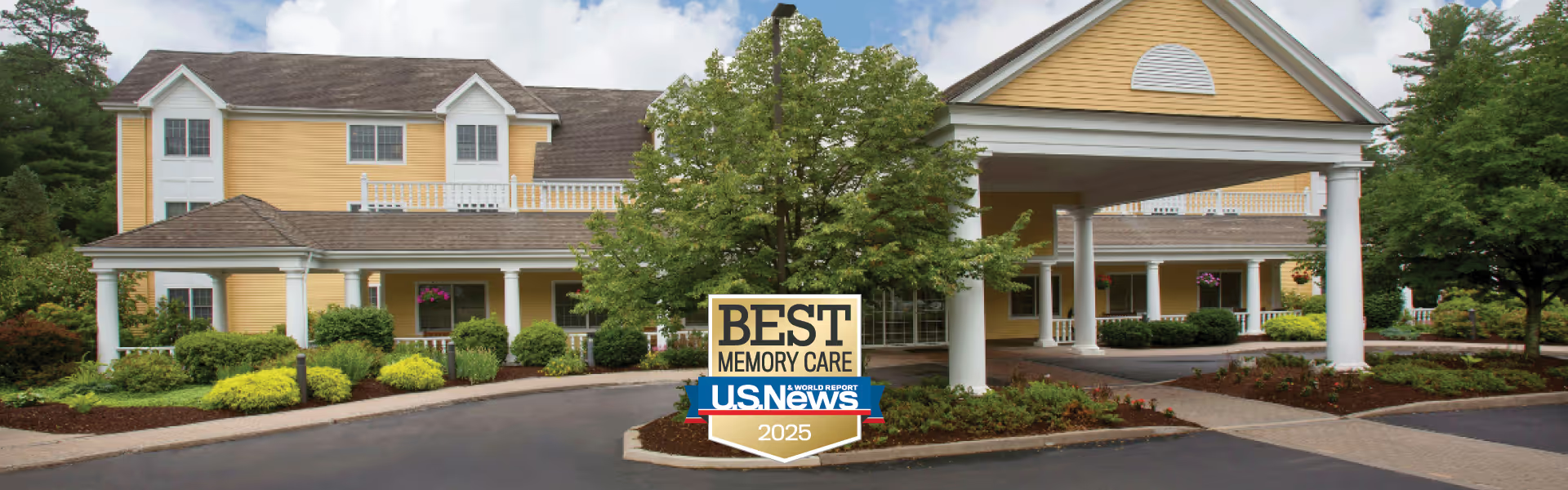
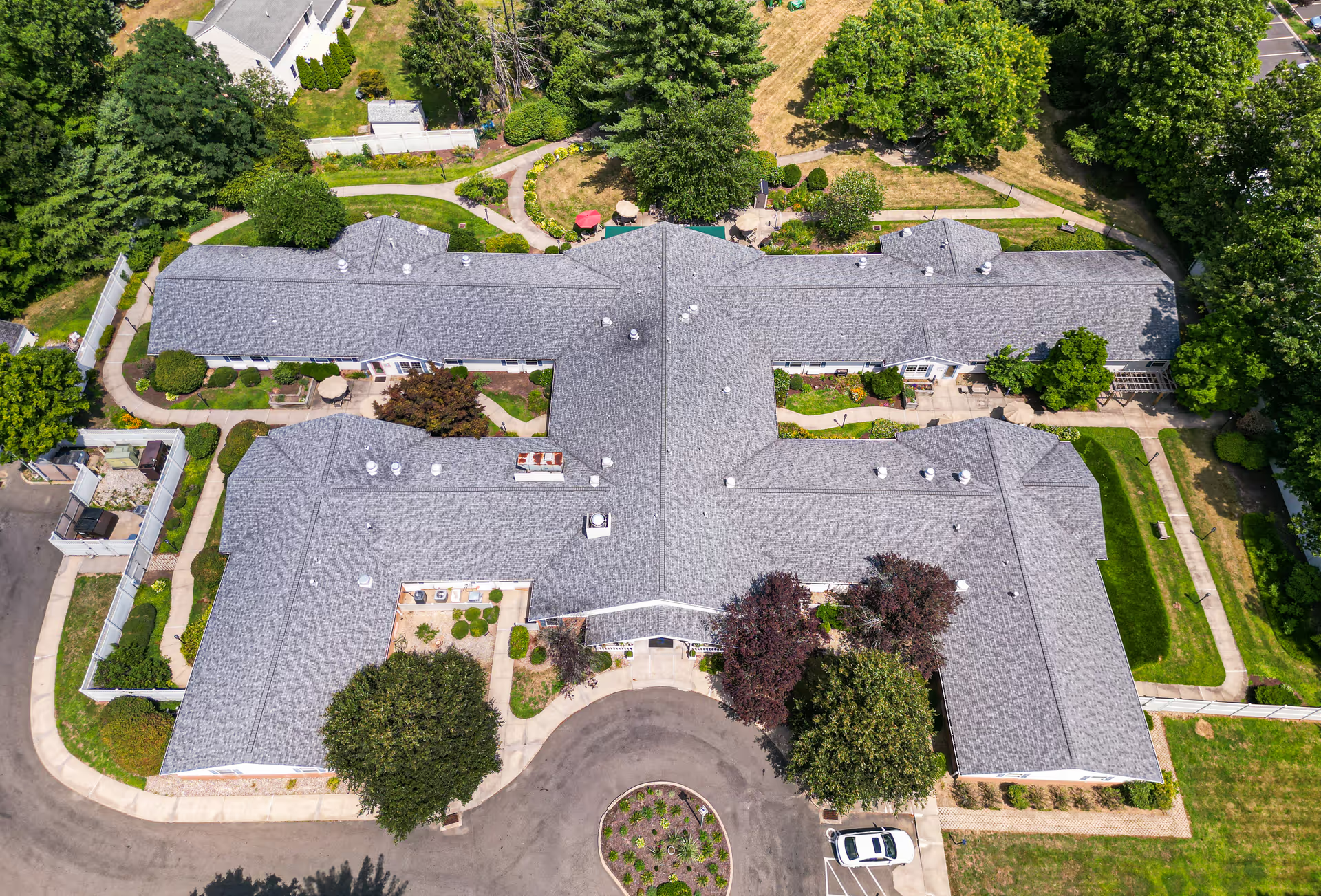
Facilities and cleanliness: Many visitors report clean, modern common areas and a welcoming reception. At the same time, there are recurring sanitation and odor-management concerns in some areas and intermittent cleanliness issues in patient rooms or communal spaces. These facility-level inconsistencies suggest uneven attention to environmental services rather than a uniform condition across the campus.
Management, communication, and safety: Reviewers identify both helpful care coordination and problematic family communication. Positive notes include effective social-work explanations and admissions support. The critical patterns include lapses in family notification, delayed administrative follow-up, and problems coordinating medications with pharmacy partners. One reviewer made an allegation of failure to notify family following a resident death; more broadly, families describe unclear or delayed communication after adverse events. Safety-related themes include inconsistent adherence to monitoring protocols (for example, response to fall risk or respiratory equipment) and concerns about elopement prevention and response systems.
Notable patterns and recommendations: The dominant distinction in reviews is variability—some residents receive attentive, effective care and strong rehabilitation, while others experience delays, cleanliness problems, and communication breakdowns. For prospective residents and families, key due-diligence topics are staffing levels on the intended unit/shift, the facility's incident-response and family-notification policies, medication/pharmacy procedures, and environmental services/cleaning schedules. The facility's clear strengths are its rehabilitation services, certain compassionate staff members, and engaging resident life; its primary improvement areas are staffing stability, response time consistency, communication protocols, medication coordination, and environmental maintenance.