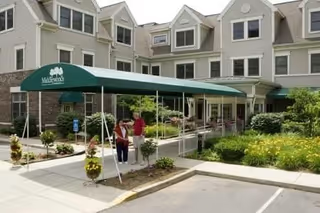
Sheriden Woods Health Care Center elicits strongly polarized impressions: many families praise day-to-day caregiving, rehabilitation outcomes, and specific clinical programs, while other families raise substantial operational and communication concerns. On the positive side, reviewers frequently cite compassionate, attentive nurses and CNAs who form close, familiar relationships with residents. Standout clinical examples include effective wound and lymphedema care, a robust physical‑therapy/rehab program, and instances where on‑call clinicians proactively arranged hospital referrals. Ancillary services such as laundry, admissions coordination, and dining-room upkeep are often described as helpful, and the facility offers an active recreation program with arts, bingo, outings, and group exercise that residents appear to enjoy.
Despite these strengths, a number of recurring operational weaknesses emerge. Medication management and pain‑control practices are described as inconsistent, with several accounts of delays, missed doses, or abrupt changes in analgesic regimens; these issues intersect with broader concerns about responsiveness to call lights and timely assistance. Reviewers also identify inconsistent bathing schedules and hygiene support, which families view as a quality-of-care gap. Staffing levels and workload pressures are commonly cited as contributors to these delays and uneven service delivery.
Facility maintenance and infrastructure present another pattern: common areas and dining rooms are generally described as clean, but multiple reviewers describe bathroom plumbing and fixture problems, unreliable sinks or toilets, and a need for targeted upgrades in resident bathrooms. Dining generally receives positive comments for taste and flexibility, but there are also reports of inadequate dietary accommodation for specific clinical needs such as diabetes.
Communication and management practices are a frequent source of dissatisfaction. Families note gaps in notification about infection‑control events, inconsistent family communication about clinical status or transfers, and occasional inflexibility in visitation that has impacted end‑of‑life contact. There are also serious claims about missing personal items and property-control failures; these are presented as allegations and suggest a need for clearer asset‑management protocols. A few families described contested placement or discharge situations and contemplated legal review, indicating friction around administrative decision-making.
In summary, Sheriden Woods provides several core strengths—dedicated caregiving staff, effective rehab and specialty wound services, and an active activities program—that can deliver good outcomes and resident satisfaction. However, recurring operational issues—particularly inconsistent medication and hygiene practices, response delays tied to staffing, maintenance deficiencies in bathrooms, and lapses in family communication and property controls—warrant careful inquiry by prospective residents and families. Visiting in person, asking for current staffing ratios, reviewing medication and infection‑notification protocols, and confirming dietary and property‑management policies will help families assess whether the facility’s strengths align with a particular resident’s clinical and personal needs.