Autumn Lake Healthcare at Glen Hill elicits a polarized set of experiences: many families and residents praise the facility’s rehabilitation programs, compassionate caregiving, and engaging activities, while others describe operational shortcomings that affected clinical responsiveness and day-to-day comfort. The facility’s rehabilitation services — physical, occupational, and speech therapy — receive consistent positive feedback for intensity, clinician skill, and measurable functional gains. Social services and discharge planning are also frequently cited as helpful, with admissions staff noted for being guiding and informative.
Clinical care and staffing present a mixed picture. Reviewers repeatedly highlight dedicated nurses, therapists, and CNAs who provide compassionate, resident-focused care; at the same time, multiple accounts point to inconsistent staffing coverage, frequent use of agency staff unfamiliar with residents, and slow response to call bells. These operational weaknesses have been associated with delayed medication administration, medication-management errors, and delayed wound or clinical follow-up in some cases. Prospective residents with high medical acuity should ask specific questions about current staffing patterns, medication-safety protocols, and wound-care procedures during a tour.
Dining and activities show similar variability. Activity programming is regularly praised for creativity and breadth (weekend events, themed weeks, special functions), supporting social engagement and quality of life. Dining receives mixed reviews: some families describe good meals and positive experiences, while others report inconsistent meal quality, incorrect meal substitutions relative to dietary requests, and food-served temperature concerns. Clarifying dietary accommodations and meal-delivery processes is advisable.
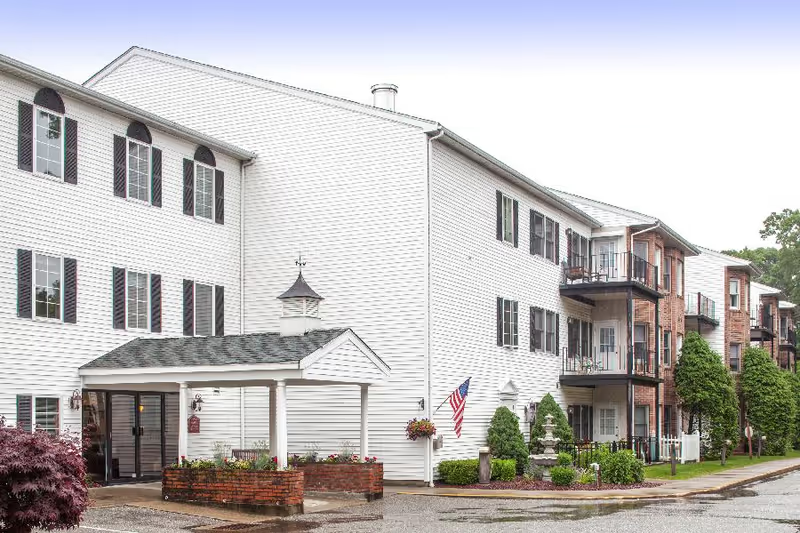
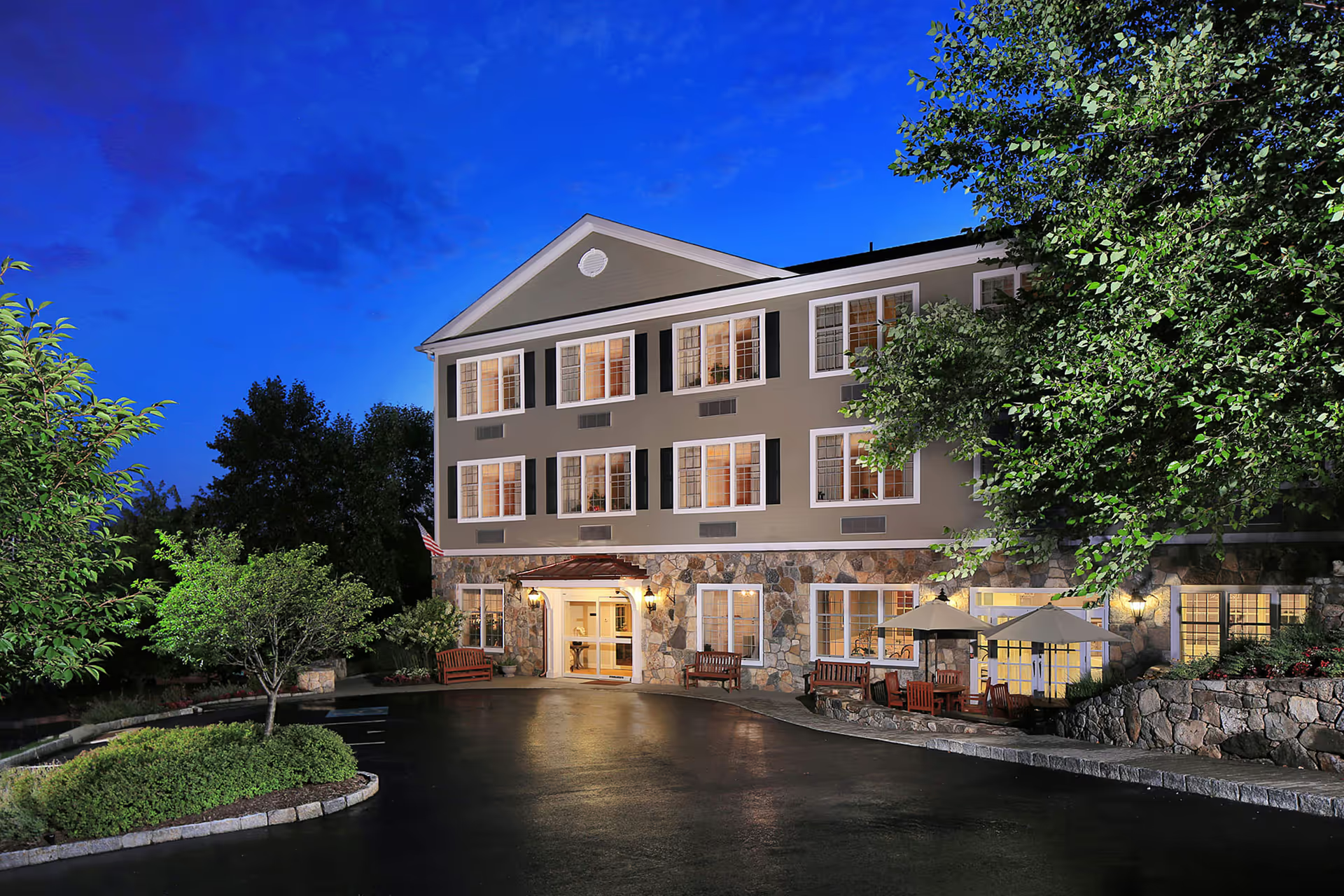
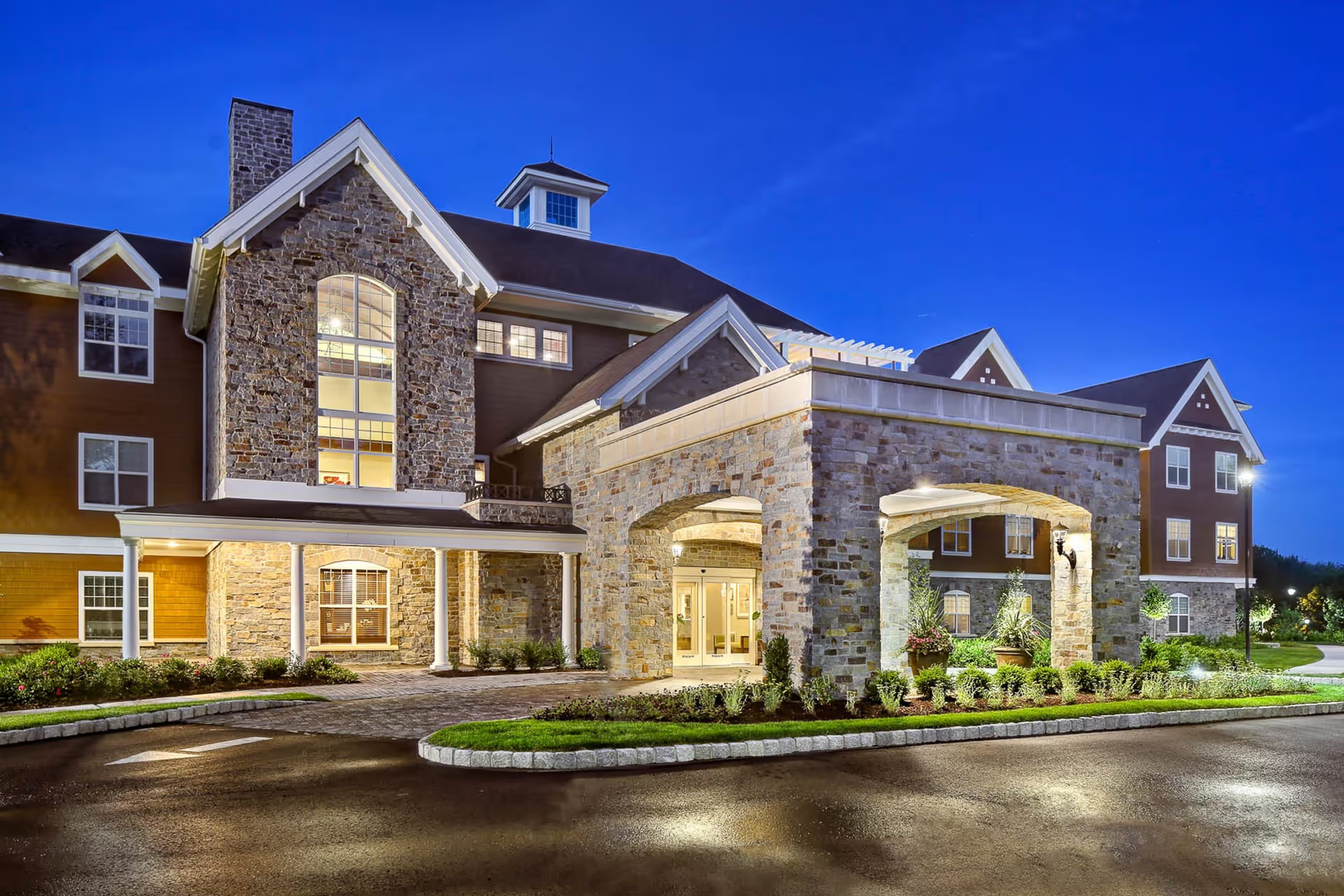
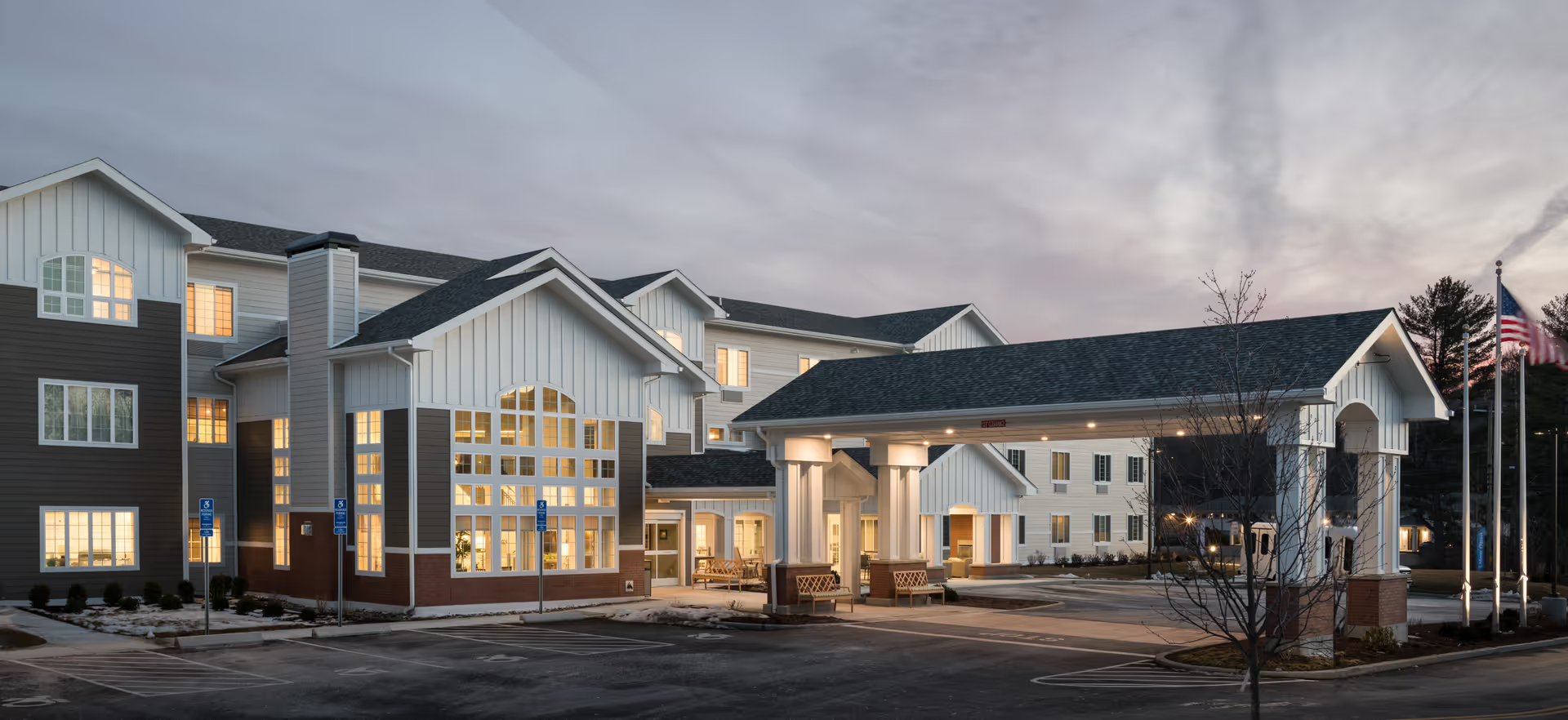
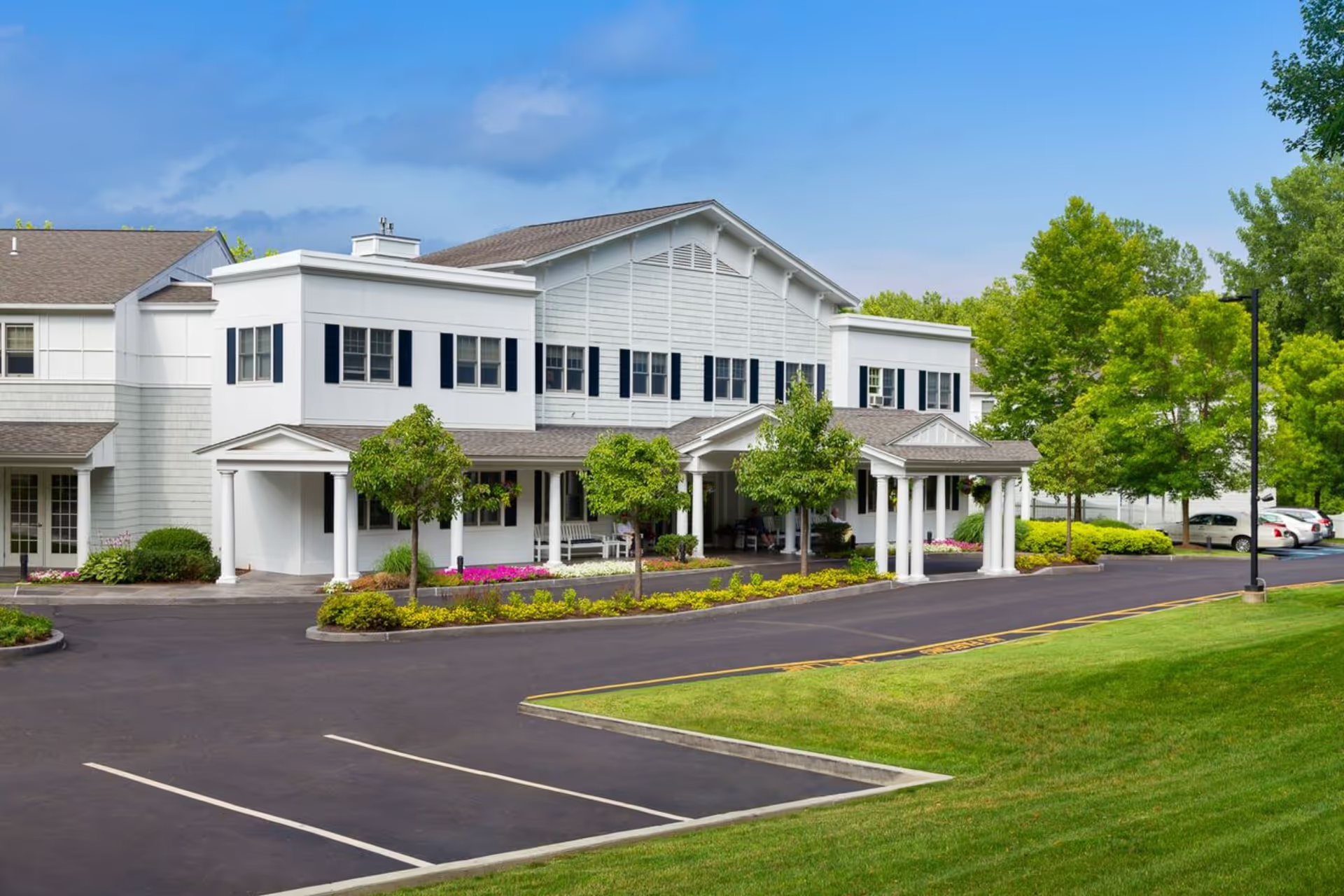
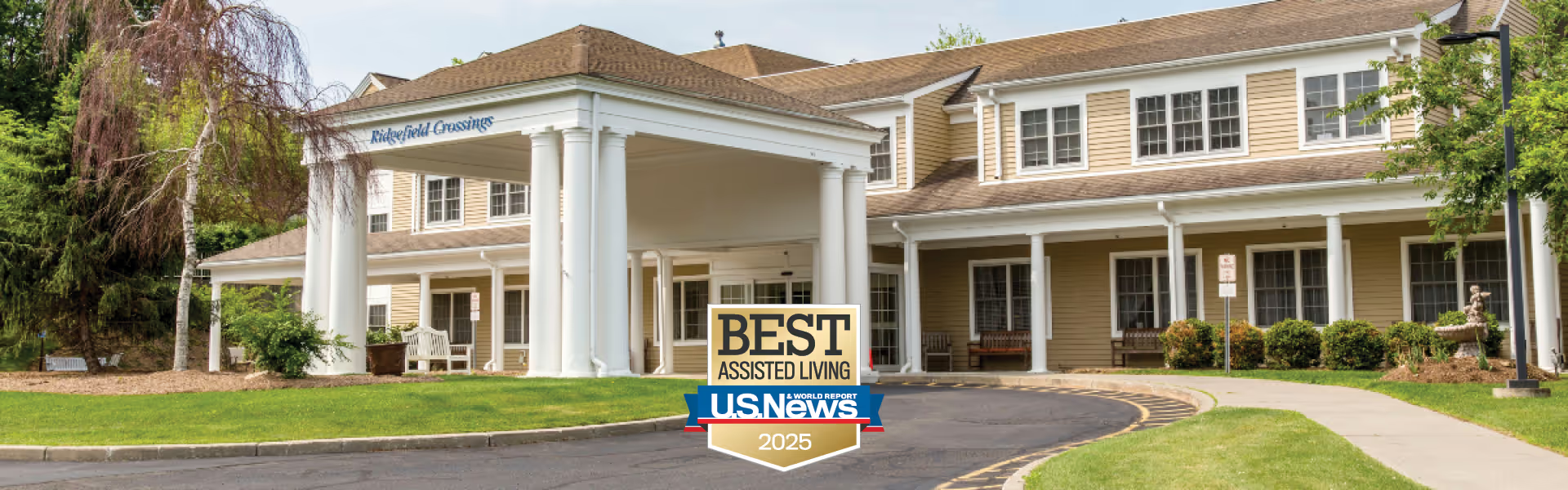
Facility condition and environment combine strengths and weaknesses. Grounds, outdoor spaces, and many common areas are described as clean and well maintained, contributing to a home-like atmosphere. Conversely, multiple comments note small or dated resident rooms, worn furniture, HVAC/temperature issues in some rooms, and intermittent maintenance problems. Noise from nearby traffic and courtyard exposure is noted by some residents.
Management and operational oversight appear inconsistent across reviewers. Several families praise attentive administrators and a proactive Director of Nursing who addressed concerns; other accounts describe lapses in oversight, delayed vendor payments, supply shortages, and inconsistent front-desk/security coverage. These governance and supply-chain issues have contributed to variable experiences with equipment maintenance, availability of basic supplies, and follow-through on family concerns.
Notable patterns: strengths cluster around rehabilitation, therapy-driven recovery, and staff members who go above-and-beyond; risks center on medication safety, shift staffing reliability, timeliness of clinical interventions (wound care/urgent needs), and inconsistent management follow-through. For families considering Glen Hill, balance the facility’s strong therapy and activity offerings against operational weaknesses by asking targeted questions about current staffing ratios, medication-safety checks, weekend coverage, wound-care protocols, dietary accommodations, and escalation pathways for clinical concerns. Visiting during different shifts, requesting recent quality indicators, and confirming discharge-planning processes can help set realistic expectations and clarify whether the facility matches the prospective resident’s clinical and social needs.