Overall impression: Reviews describe a facility with many strengths in direct care, activities, and physical environment alongside organizational challenges tied to recent ownership and renovation activity. Many families highlight reliable nursing care, a clean attractive building, an active recreation program, and a generally supportive culture; however, other reviewers describe operational disruptions and staffing variability that have affected some residents' experiences.
Care and staff: Most feedback emphasizes compassionate, attentive nurses, aides, and administrative staff. Reviewers cite individualized care planning, strong involvement from social work, and positive resident–staff relationships that support dignity and emotional comfort. Several reviews specifically praise RNs, aides, and the social worker for proactive communication and advocacy on behalf of residents. At the same time, there are recurring concerns about staffing stability after an acquisition, including increased use of agency staff and occasional staff distraction from personal devices. These operational issues appear to be the primary drivers of inconsistent experiences among families.
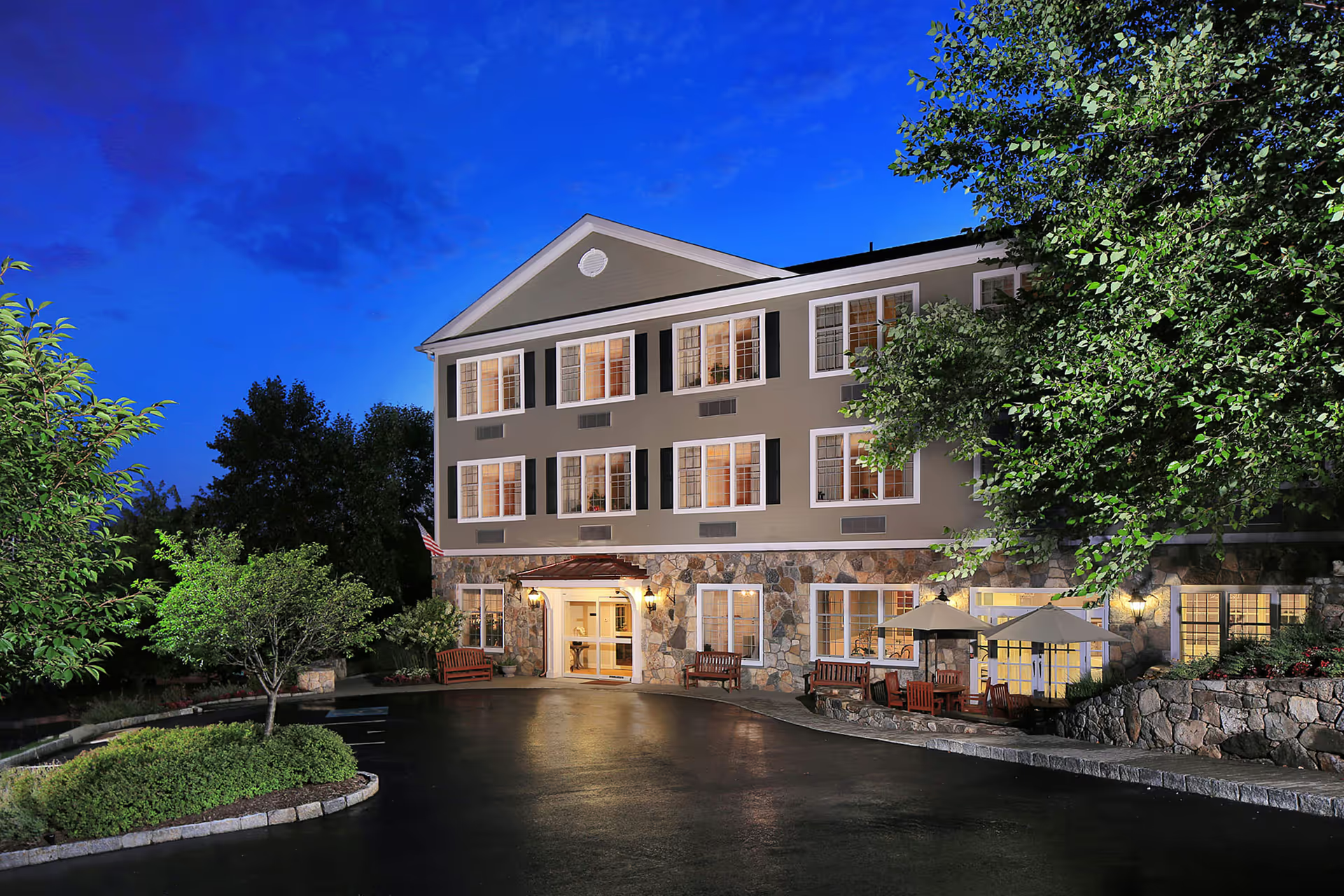
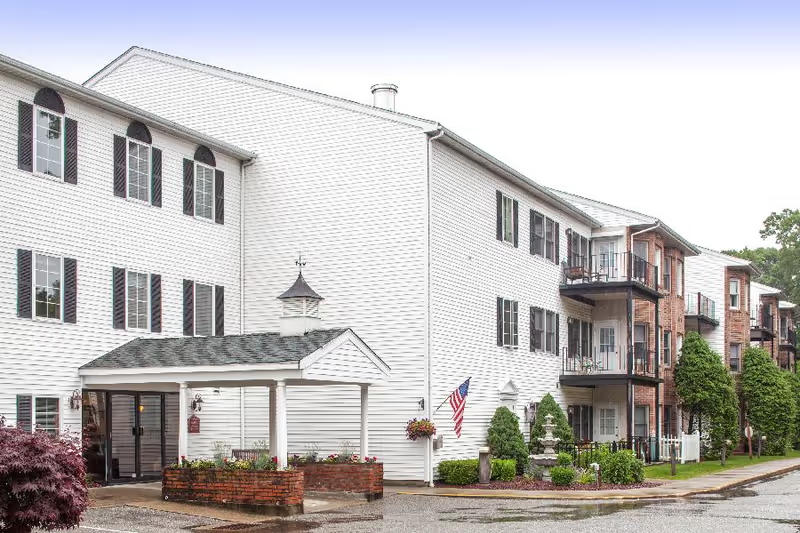
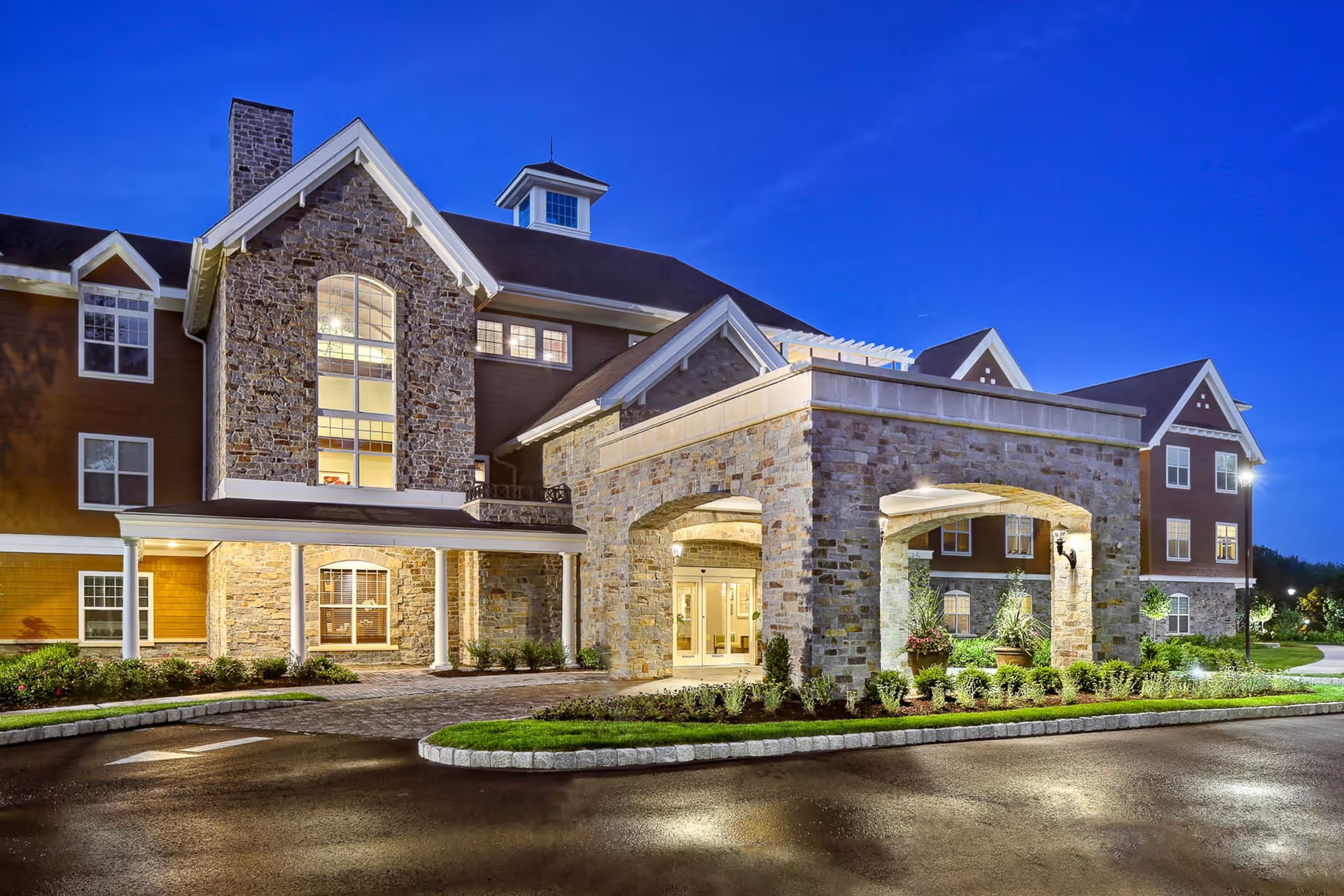
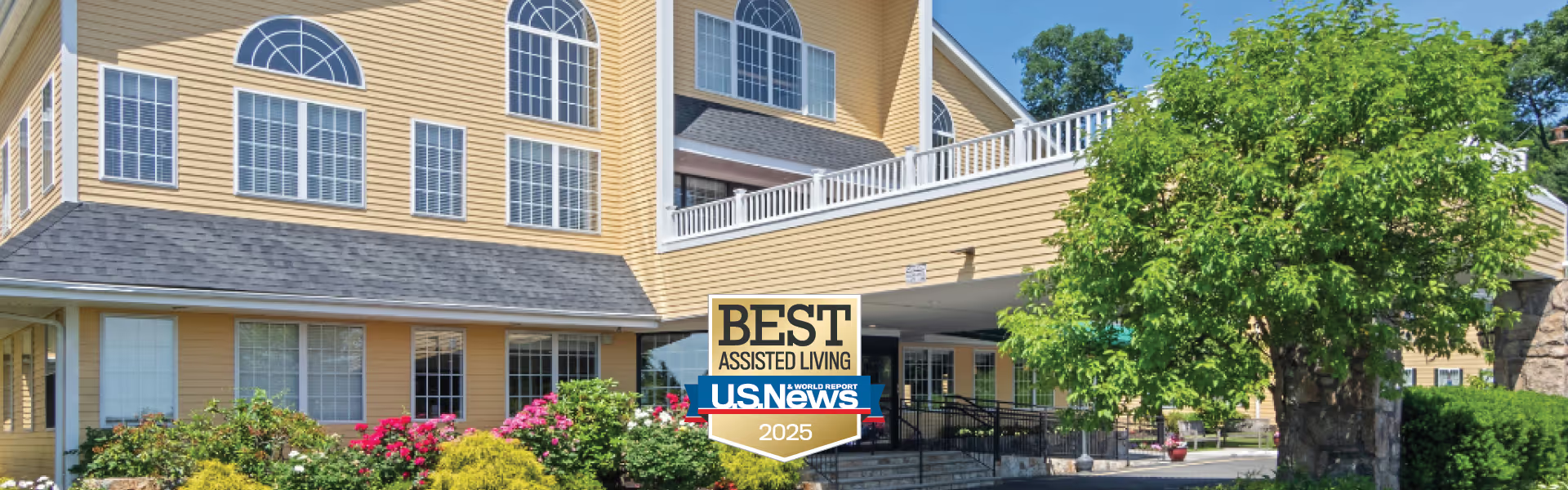
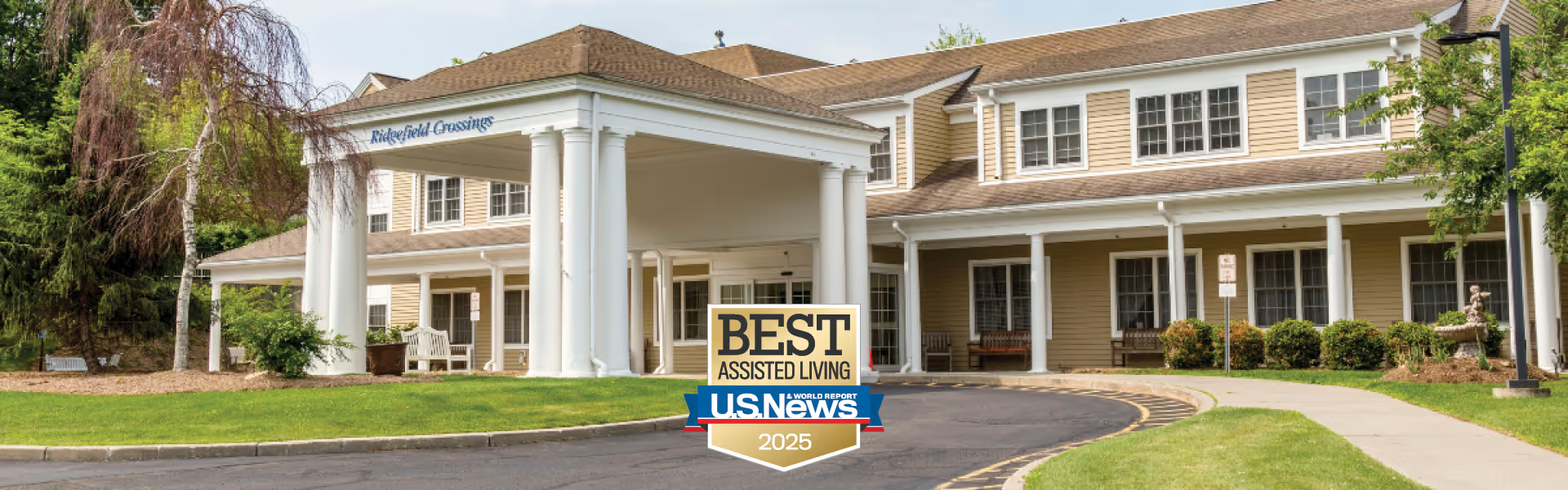
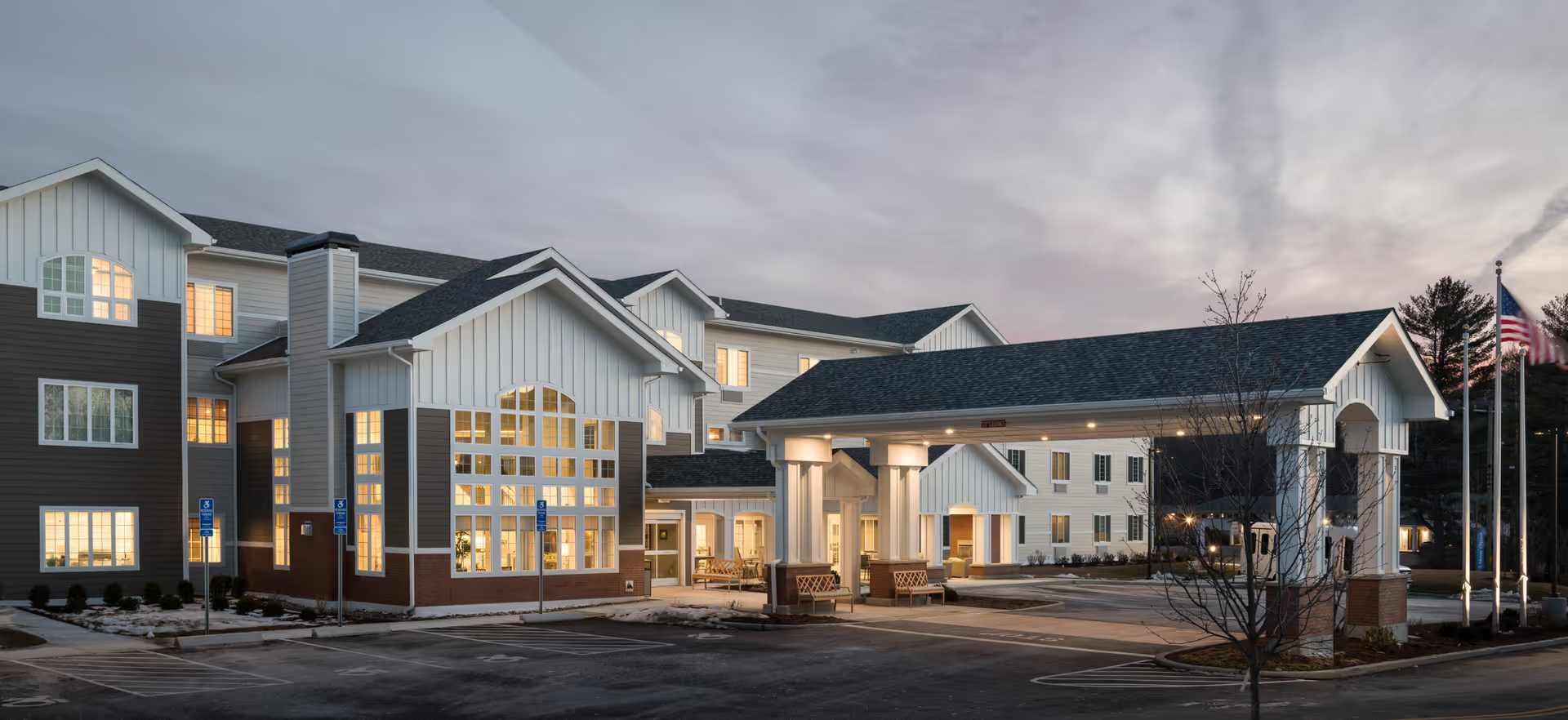
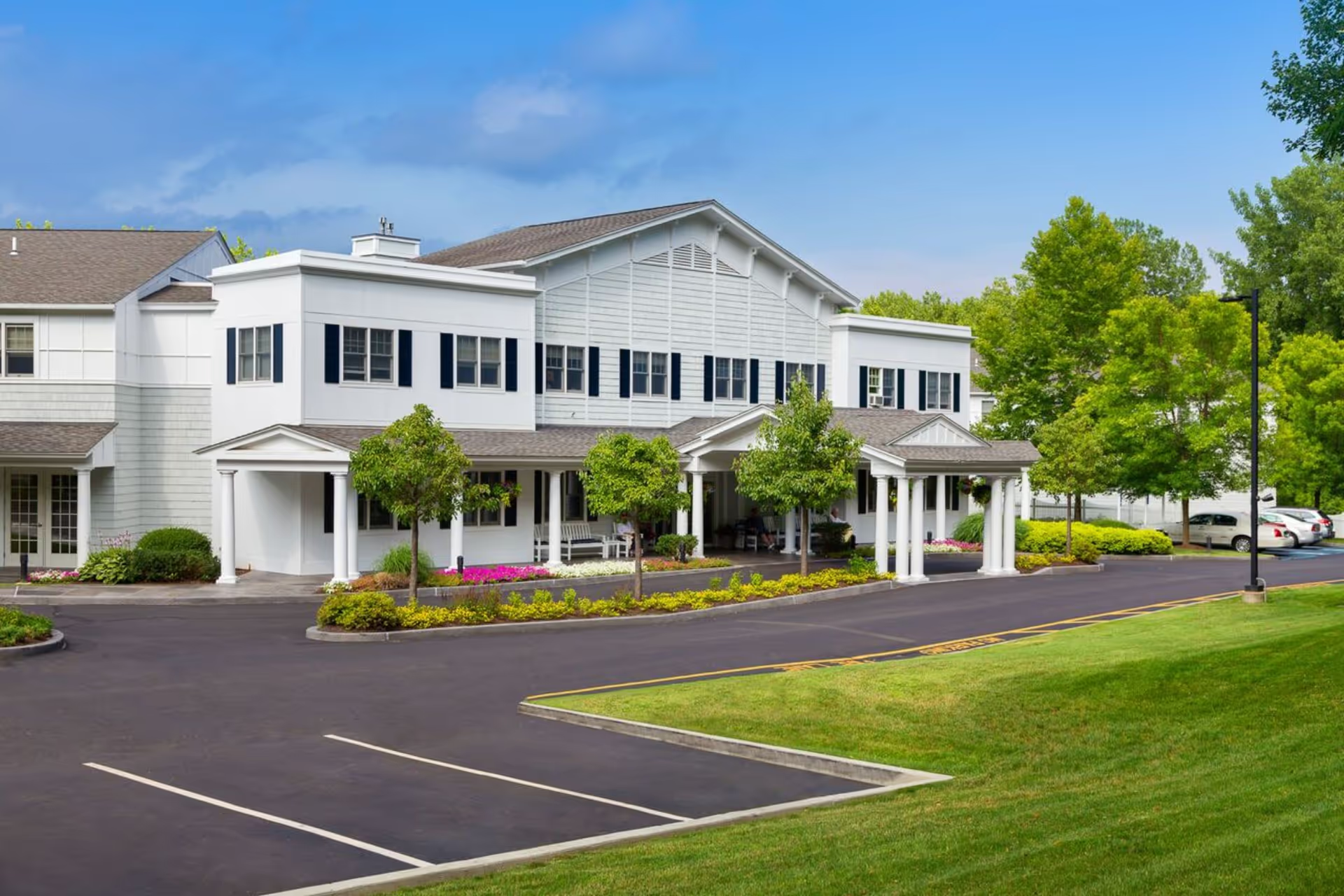
Dining, activities, and facilities: The facility is frequently described as clean, attractive, and well-maintained, with appreciated communal spaces such as a well-equipped game room and exercise equipment. Recreation programming is noted as proactive and varied, contributing to resident engagement and wellbeing. Dining and kitchen staff are generally viewed positively. Renovation work has modernized space for some, but it has also produced temporary disruptions for residents when rooms were unavailable during construction periods.
Management and operational patterns: On-site owners and responsive administration receive positive mention for visibility and communication in many instances. Conversely, reviewers point to operational weaknesses that merit attention: staffing instability and dependence on agency personnel, renovation-related displacement and service interruptions, limited parking, some declines in the quality of clinical supplies, and occasional delays in family notification after incidents. Rehabilitation outcomes are described as mixed in a few accounts, with at least one theme of goal misalignment related to Medicare coverage and therapy expectations.
What prospective families should consider: The facility demonstrates clear strengths in direct care, cleanliness, activity programming, and family visitation accommodations. Prospective residents and families would benefit from asking targeted questions about current staffing mix (permanent vs. agency), the renovation schedule and associated resident-displacement plans, protocols for incident notification and communication with families, rehabilitation goals and how they coordinate with payor expectations, and parking logistics. An in-person visit to observe staffing patterns, recreation sessions, mealtime, and the status of ongoing renovations will help confirm whether the facility’s strengths align with a particular resident’s needs.