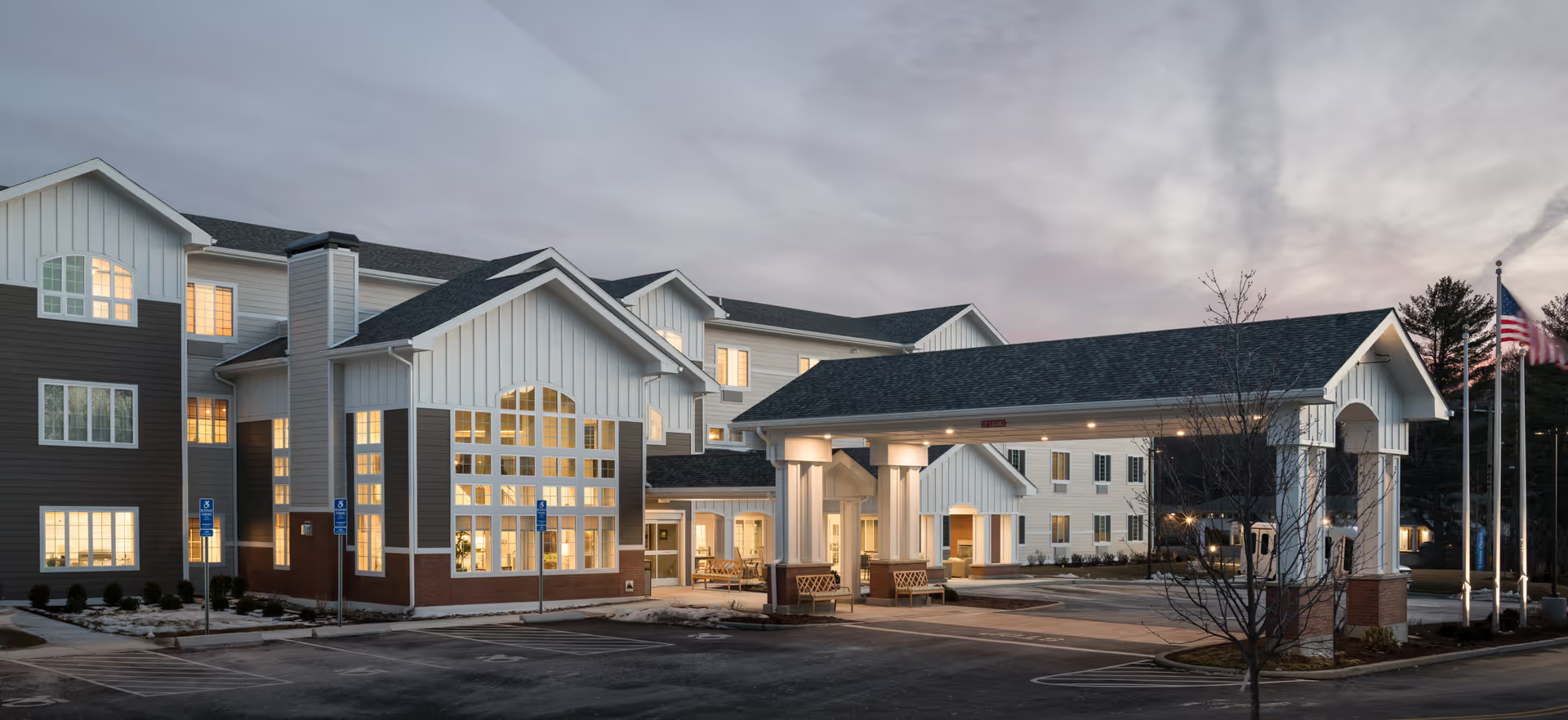
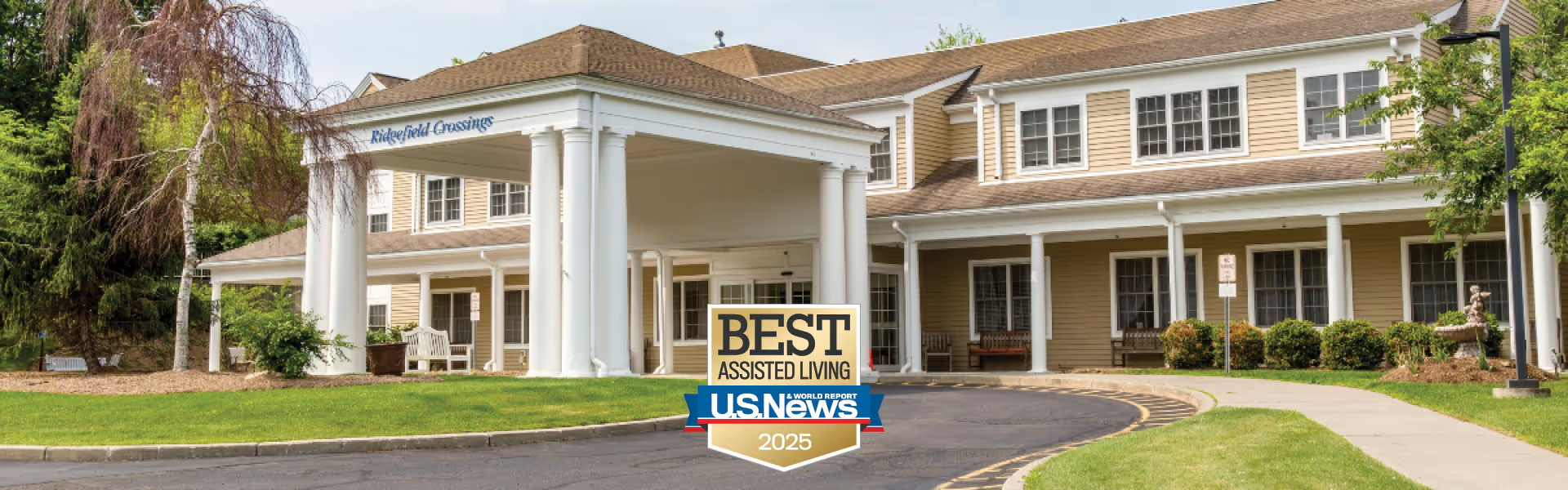
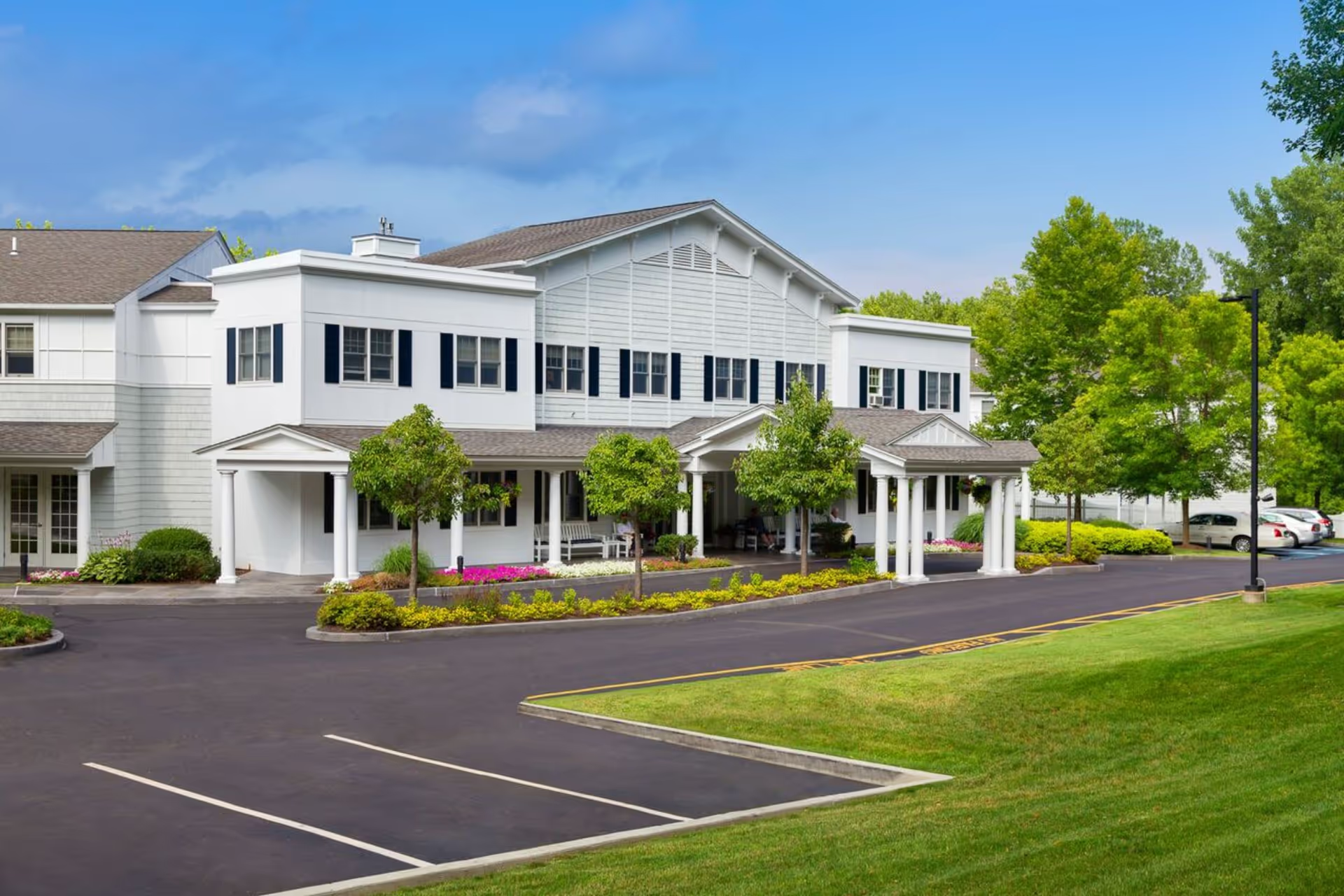
Havencare at Hancock Hall receives extensive praise for its rehabilitation services, cleanliness, and the interpersonal qualities of many staff members. The facility is frequently described as immaculate and home-like, with pleasant common areas and a well-kept garden. Physical and occupational therapy programs are a consistent strength, with multiple accounts of restored mobility, faster-than-expected discharges, and effective therapy planning. Admissions, case management, and discharge coordination are often characterized as efficient and helpful, and families often cite specific staff members and administrators as accessible and responsive.
Clinical care is largely commended for attentive nursing and competent rehabilitation, but there are recurrent operational concerns. Multiple accounts point to inconsistencies in medication administration and in vital-sign monitoring, and several reviewers described delays in incident escalation and emergency response. Wound care and some aspects of clinical follow-through were noted as uneven, and pain-management approaches were characterized as variable. There are also isolated but serious concerns following a resident's death that prospective families should consider when assessing clinical protocols and incident-response practices.
Staff quality is a mixed pattern: many reviewers emphasize kind, patient, and well-trained aides and nurses, supportive therapeutic teams, and a respectful atmosphere; others describe cold or dismissive interactions, night-staff tone issues, and occasions when staffing shortages left employees overwhelmed. Staffing variability and call-offs were linked by reviewers to reduced responsiveness and gaps in monitoring or equipment availability on some units. Management and ownership are frequently mentioned as engaged and accessible, with family-owned oversight viewed as a positive factor in responsiveness and complaint resolution.
Dining and activities are recurring positives. Families note a flexible menu, attractive dining-room presentation, and generally good meals—some reviewers called the food among the better options for a rehab facility—while a smaller number raised concerns about occasional variability in meal preparation. The activities program is described as active and varied, with music, documentaries, games, and social opportunities that support resident engagement.
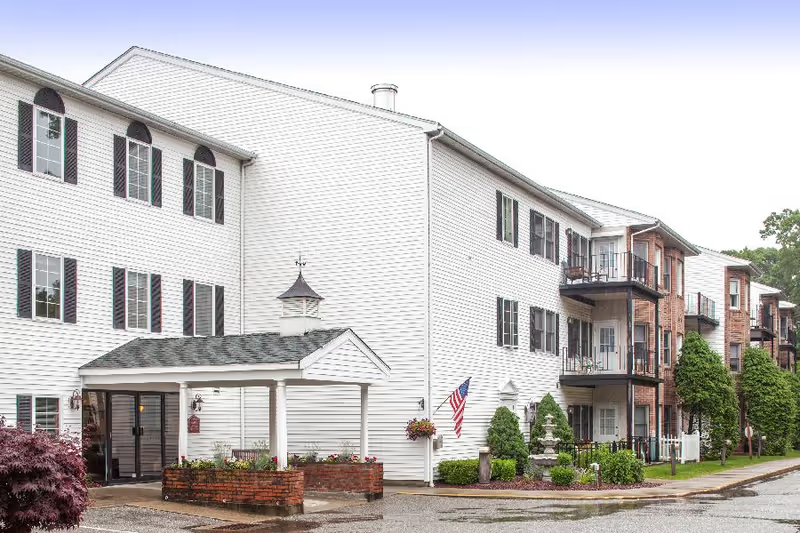
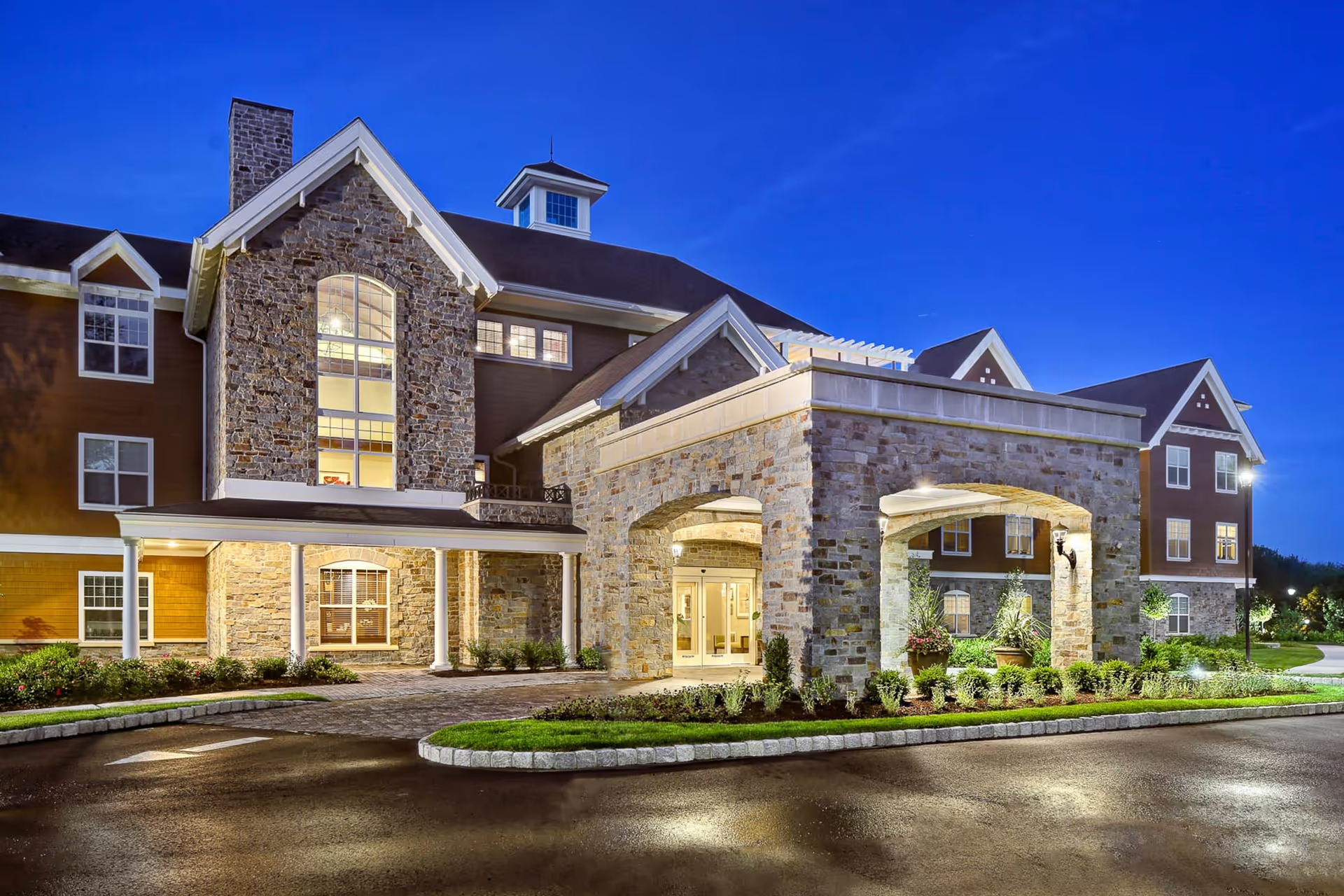
Facility features include modern, comfortable rooms (though private rooms are not always available), spotless common spaces, and a hotel-like atmosphere in many areas. At the same time, prospective residents should be aware of operational gaps that affect safety and continuity of care—examples include inconsistent use of bed alarms or missing equipment on some floors. Cost is described as higher than average for the area, which may be an important consideration for families balancing quality and affordability.
Overall, Hancock Hall appears to deliver strong rehabilitation and many elements of high-quality senior care, supported by an engaged management team and generally compassionate staff. However, there is a clear pattern of variability: staffing levels, medication and monitoring processes, pain and wound-care consistency, and family communication can be inconsistent. Prospective residents and families would benefit from direct questions about current staffing ratios, medication administration protocols, clinical monitoring schedules, pain and wound-care pathways, private-room availability, and specific examples of how management handles adverse events before making a placement decision.