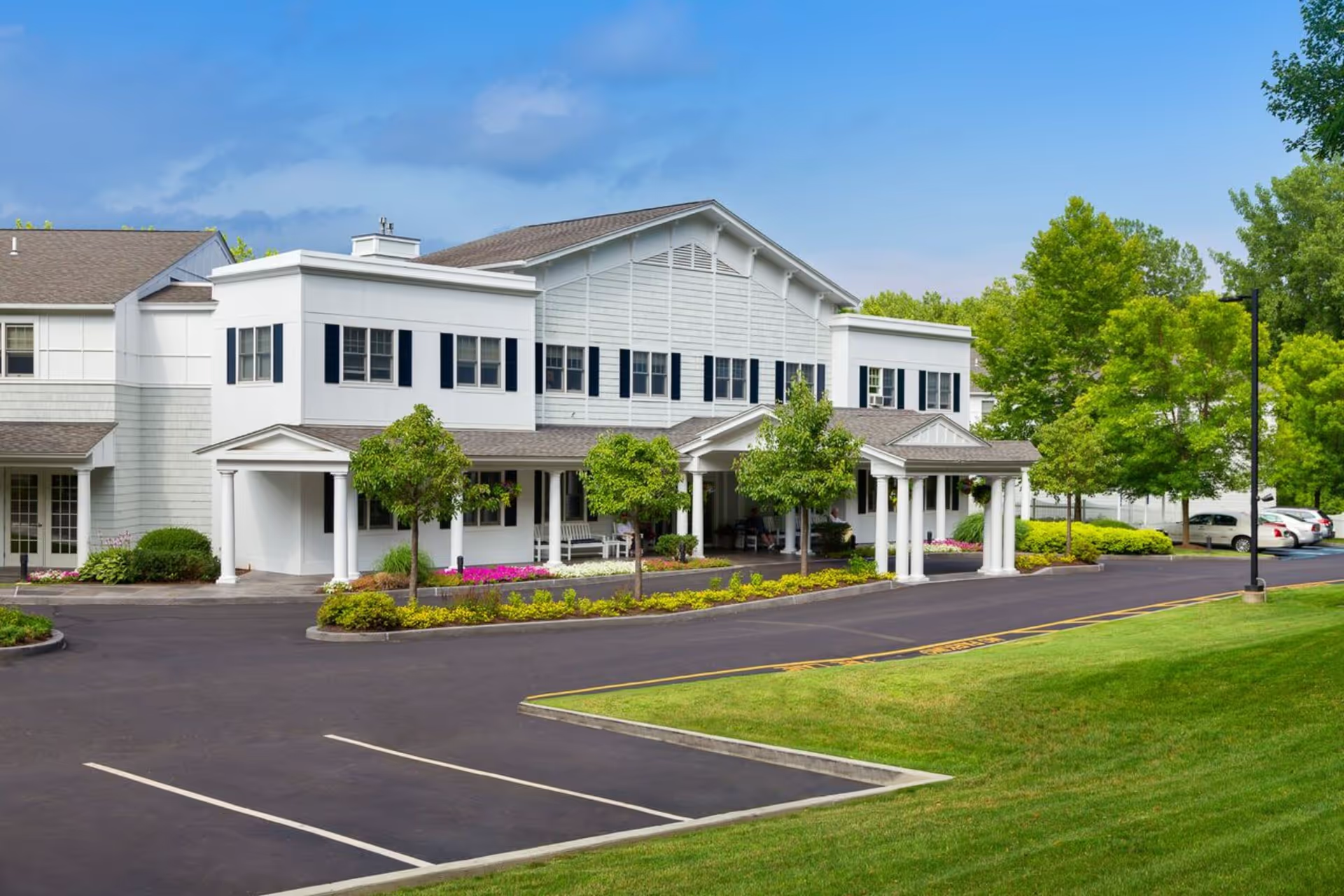
Keystone Place at Wooster Heights elicits a mixed but clear pattern: reviewers consistently praise the front‑line caregiving, social programming, and facility aesthetics, while raising operational and leadership concerns that can affect clinical consistency and family confidence.
Care and staff: Direct‑care staff receive repeated positive mentions for being kind, helpful and attentive; many families describe smooth transitions, strong onboarding support, and staff who engage residents productively. At the same time, reviewers point to high employee turnover, frequent use of agency nurses, and uneven night‑shift coverage. Those staffing dynamics have been associated with inconsistencies in medication administration and clinical continuity. There are also repeated concerns about workplace culture, communication tone, and personnel management practices that some reviewers say have affected staff morale and, by extension, consistency of care.
Management and governance: Comments indicate variable leadership performance. Some reviewers note improvements under different managers and cite specific staff who provide reliable support; others describe abrupt personnel changes, perceived unfair personnel practices, and weak follow‑through on family concerns. Several reviewers referenced external complaints and law‑enforcement involvement; these are serious concerns that families will likely want to investigate further by reviewing facility incident logs and public regulatory records. Overall, leadership stability and responsiveness to family inquiries are important distinct issues to probe during a tour.
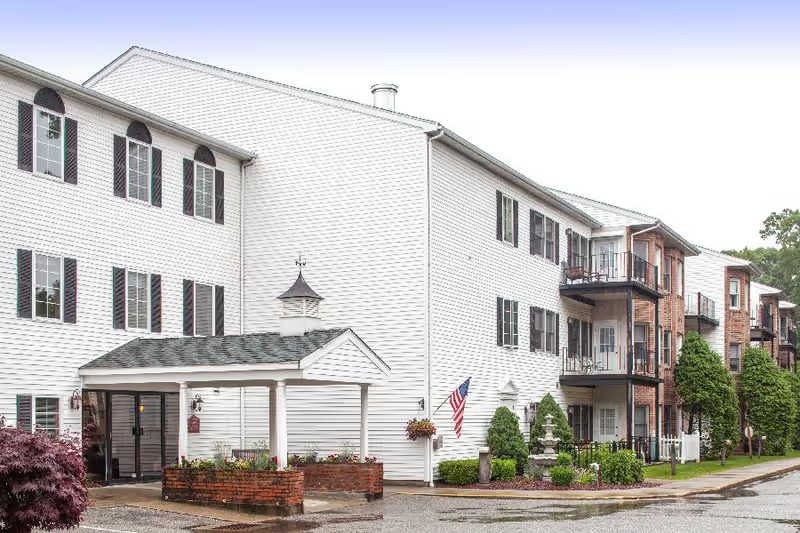
Dining and housekeeping: The facility is described as very clean and well maintained, with attractive common areas and newer construction. Dining feedback is mixed: some reviewers praise the meals and dining program, while others find the dinner entrees inconsistent and the overall menu lacking variety. A subset of reviews raises questions about kitchen practices and sanitation — an operational area families should ask about specifically during a visit and inquiring with the dietary manager.
Activities and amenities: Activity programming is a consistent strength. Reviewers mention a robust calendar, theater events, Coffee and Nosh, library access, a fitness/therapy room, and well‑designed social spaces that help residents stay engaged and active. Several families reported noticeable positive changes in their loved ones’ mood and activity level after moving in.
Notable patterns and guidance for families: The strongest and most consistent positives are direct‑care relationships and the social environment. The most persistent negatives are leadership instability, staffing variability, and related clinical/process gaps (medication administration, communication, kitchen practices). Prospective residents and families should weigh the strong engagement and physical environment against those operational risks. Practical next steps include asking about current staff turnover and agency use, medication administration policies and recent survey/inspection findings, kitchen sanitation procedures, how incidents and complaints are handled, and arranging to sample a meal and observe an activity. Those checks will help clarify whether current leadership and staffing dynamics align with your expectations for care continuity and safety.