Overall sentiment in the reviews is mixed, with a clear split between highly praised frontline caregiving and concerning gaps in clinical oversight, administration, and facility maintenance. Many reviewers highlight compassionate, dedicated aides and specific areas where care is strong — notably the memory wing — while criticizing inconsistent nursing quality, poor communication from medical leadership, and administrative failures that affect routine services like dental care and billing.
Care quality shows a contrast: aides are repeatedly described as terrific and staff are said to genuinely care about residents, with reviewers calling staff outstanding in many cases. The memory wing care receives strong, positive mention and specialized offerings such as a salon unit for extra attention are appreciated. At the same time, nursing is described as mostly only okay rather than excellent, the APRN is characterized as overworked, and the doctor is noted to be rarely communicative. There are also troubling clinical process issues reported — vital signs reportedly not being taken, broken machines, and a lack of regular wound doctor visits — which point to lapses in routine monitoring and clinical follow-up.
Staffing and interpersonal dynamics are uneven across shifts and roles. Night staff are repeatedly called nice or attentive, while morning staff are described as uptight, indicating inconsistency in demeanor and possibly in shift-to-shift care culture. Many reviewers praise front-line caregivers and highlight visible employee recognition (an employee recognition board), which suggests pockets of strong morale and appreciation. However, administrative staff are criticized as incompetent, and communication problems (both clinical and billing-related) undermine family trust and satisfaction.
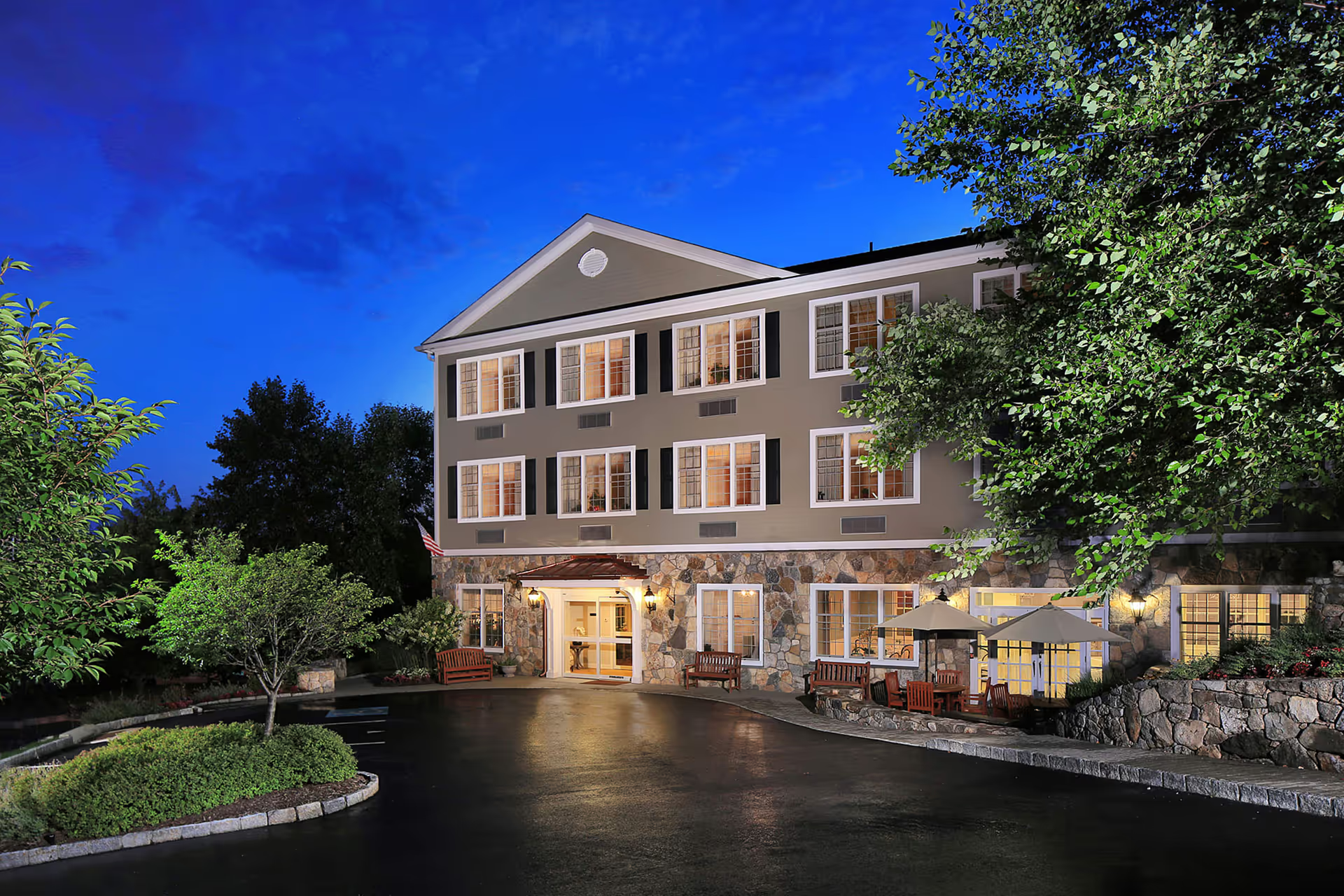
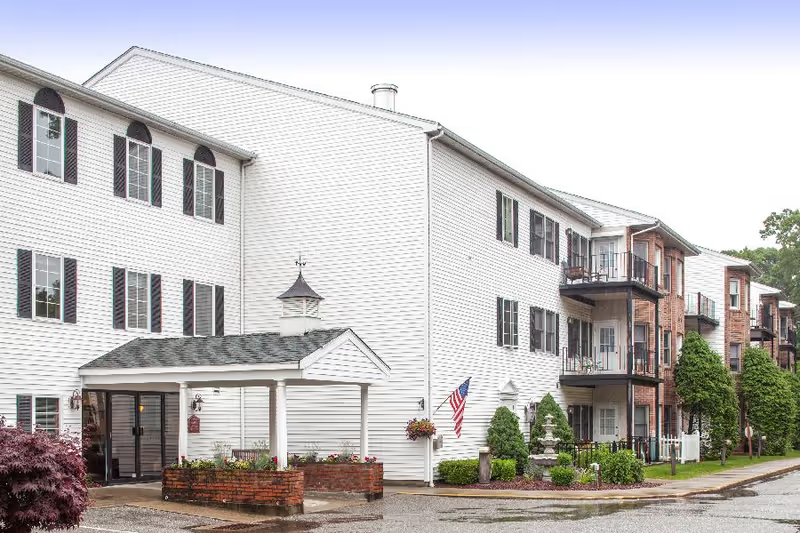
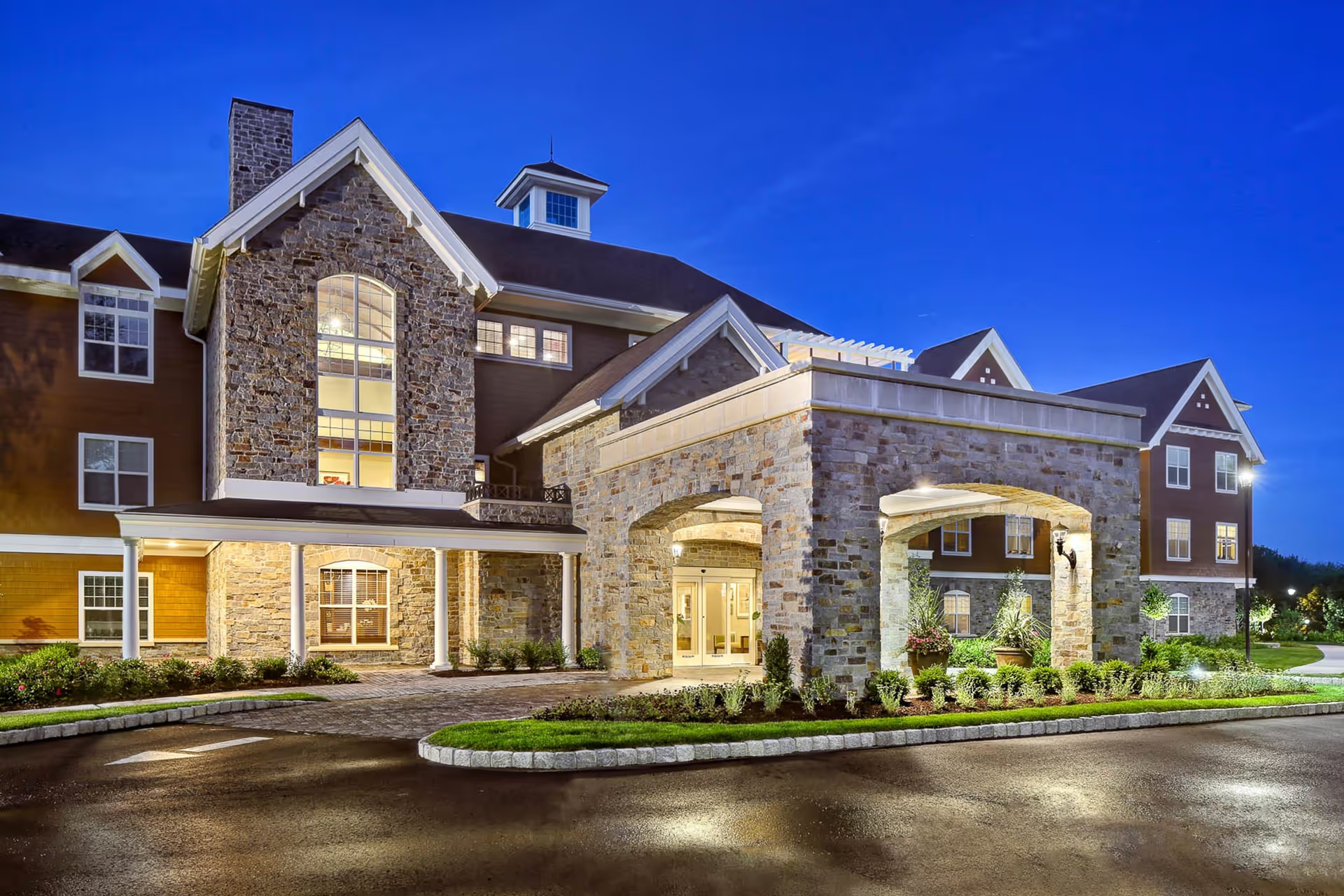
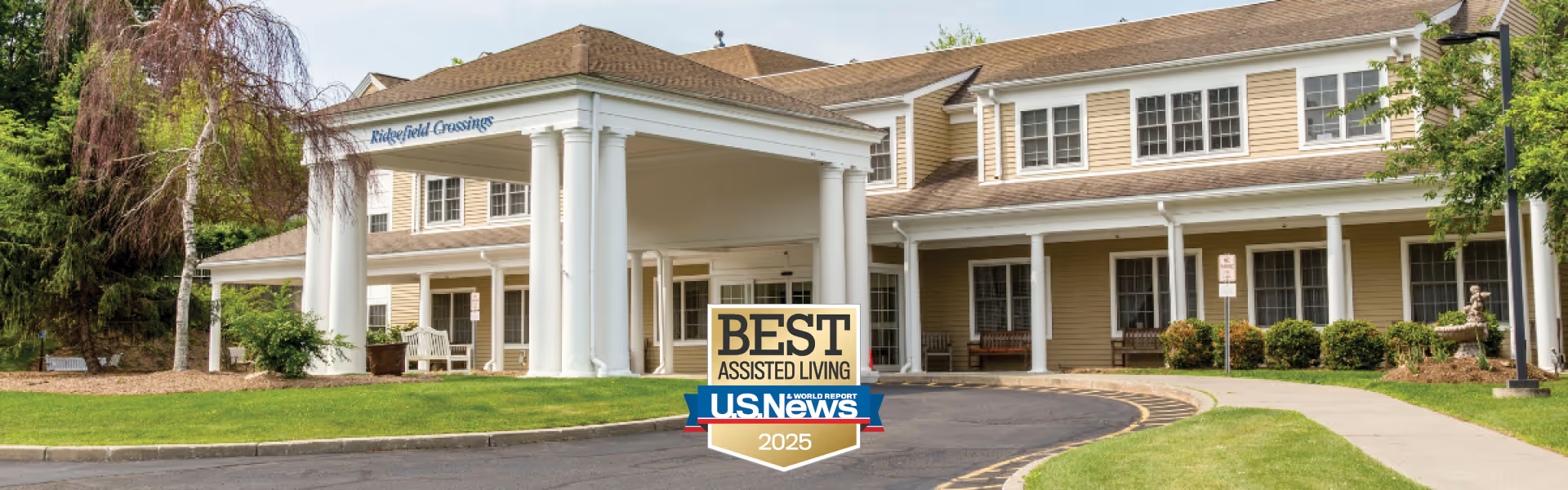
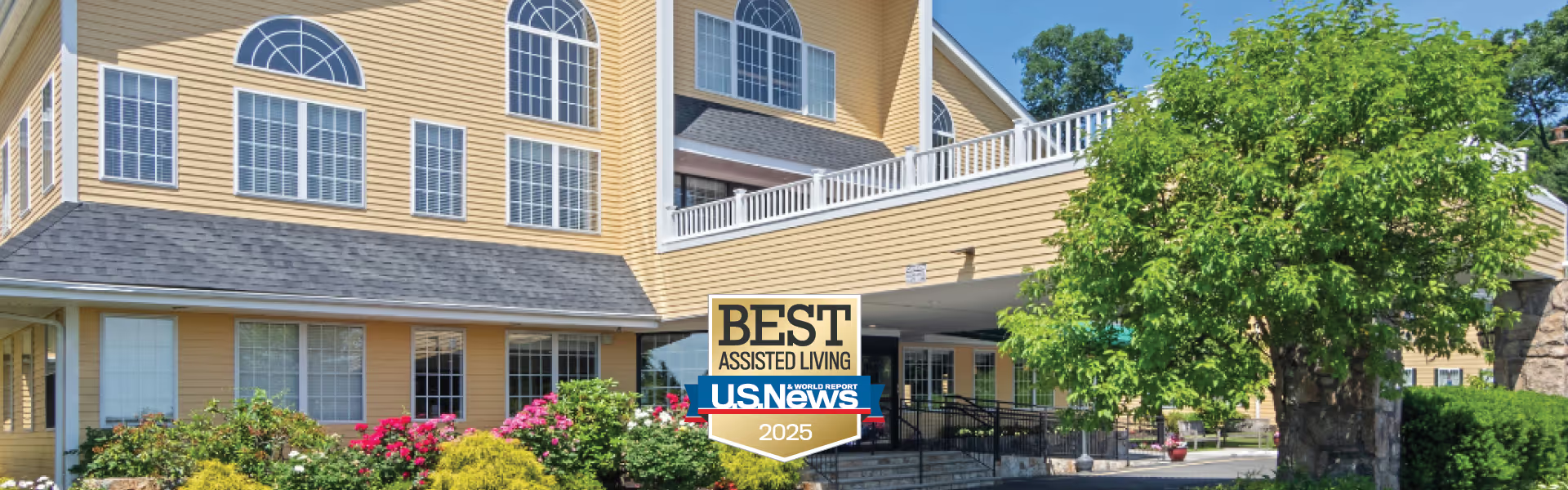
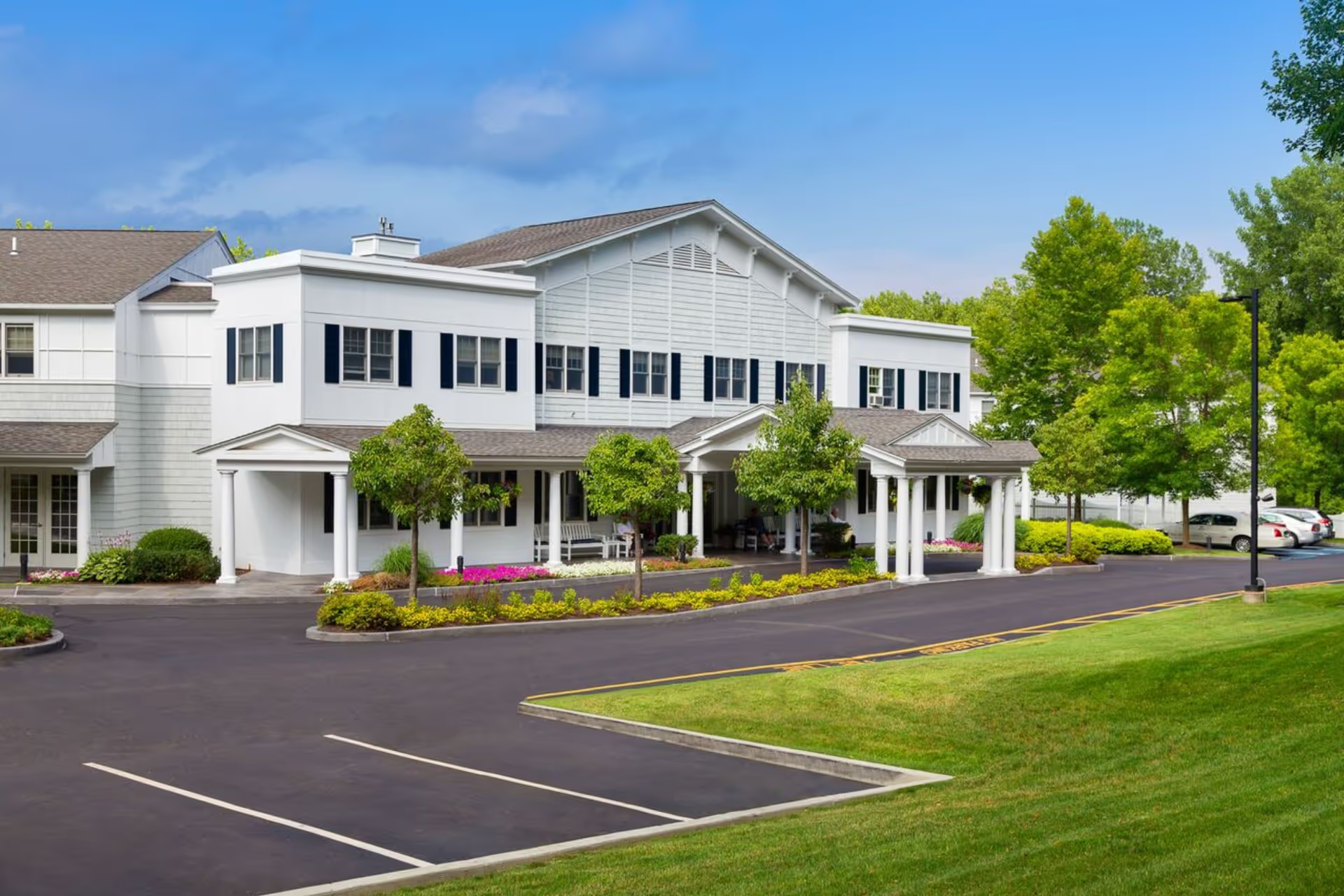
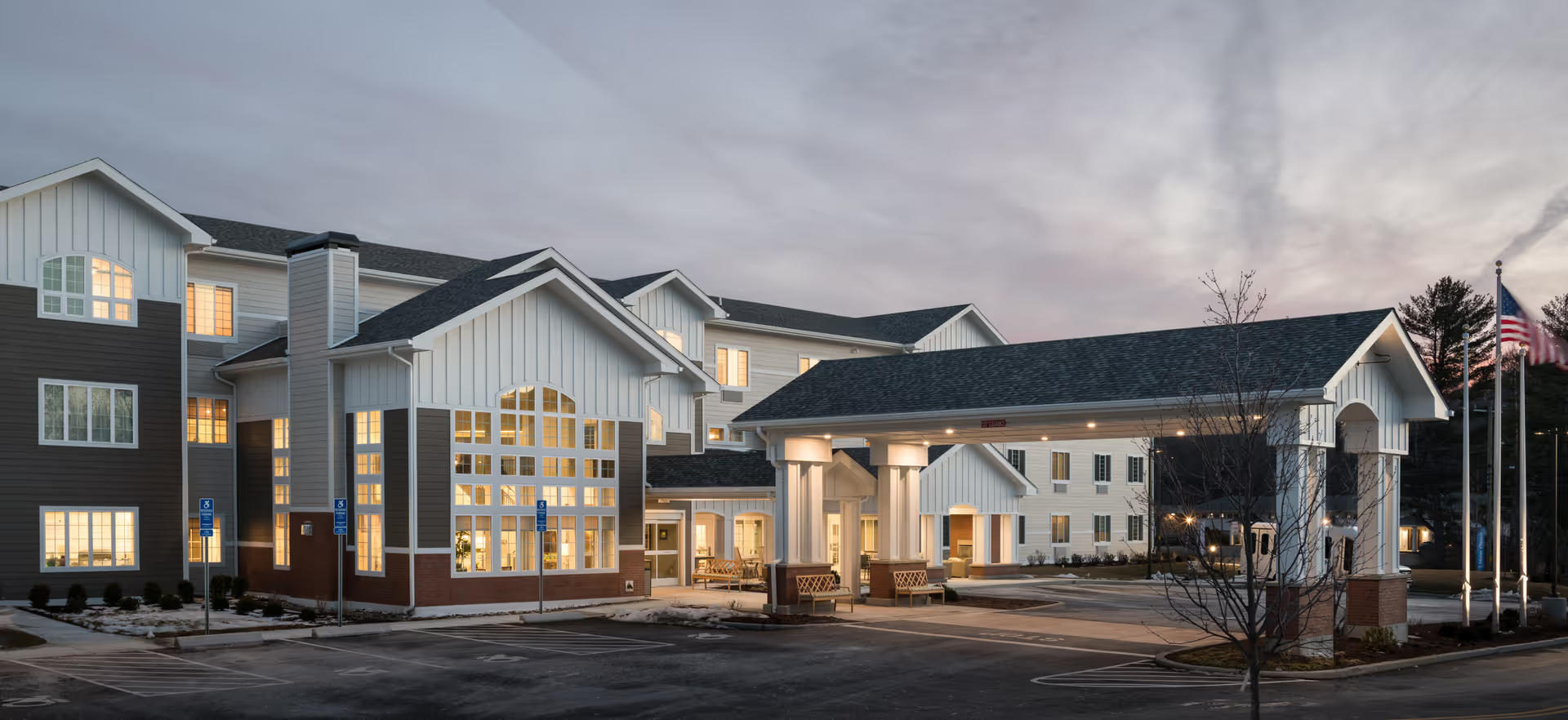
The facility itself elicits mixed impressions. Multiple comments praise the appearance, noting that rooms are spacious and the facility is large, and there are active programming and social opportunities. Conversely, other reviewers describe the building as dilapidated and old, indicating maintenance and infrastructure concerns that conflict with impressions of a pleasant appearance in some areas. This mixed picture suggests variability across wings or areas of the building — some parts may be well-kept while others show age and deferred maintenance.
Services and programming are a relative strength. Reviewers mention lots of activities, the presence of pastoral care, and a visiting geriatric psychiatrist as notable positives. The salon unit and strong memory-care program are specific amenities that families valued. Conversely, important routine health services appear unreliable: dental care has experienced months-long delays and there has been confusion about an unpaid dental bill. These administrative and service-delivery failures — particularly delays for dental cleanings and unclear billing — create avoidable stress for families and residents.
Taken together, the reviews point to a facility with strong, caring direct caregivers and valuable specialized services (memory care, pastoral support, psychiatric visits), but with significant operational weaknesses. Key patterns are (1) solid frontline compassion and some standout programs, (2) inconsistent clinical practices and strained clinical leadership, (3) administrative incompetence affecting scheduling and billing, and (4) uneven facility condition. Several families indicated enough dissatisfaction to consider moving a loved one, which underscores that operational and clinical reliability issues are materially affecting overall satisfaction.
For prospective residents and families, the most relevant takeaways are to weigh the facility’s strengths in personal caregiving, activities, and memory care against reported problems in clinical follow-up, equipment reliability, dental service timeliness, and administrative communication. For the facility, priorities to address based on these reviews would include improving clinical oversight (ensuring vital signs and wound care follow-up), repairing or replacing broken equipment, resolving dental service and billing processes, and addressing maintenance/appearance inconsistencies. Improving doctor/APRN communication and stabilizing administrative competencies would likely have the largest positive impact on family trust and overall ratings.