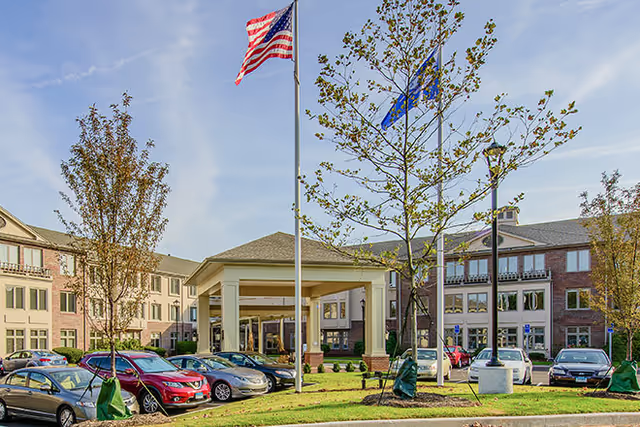
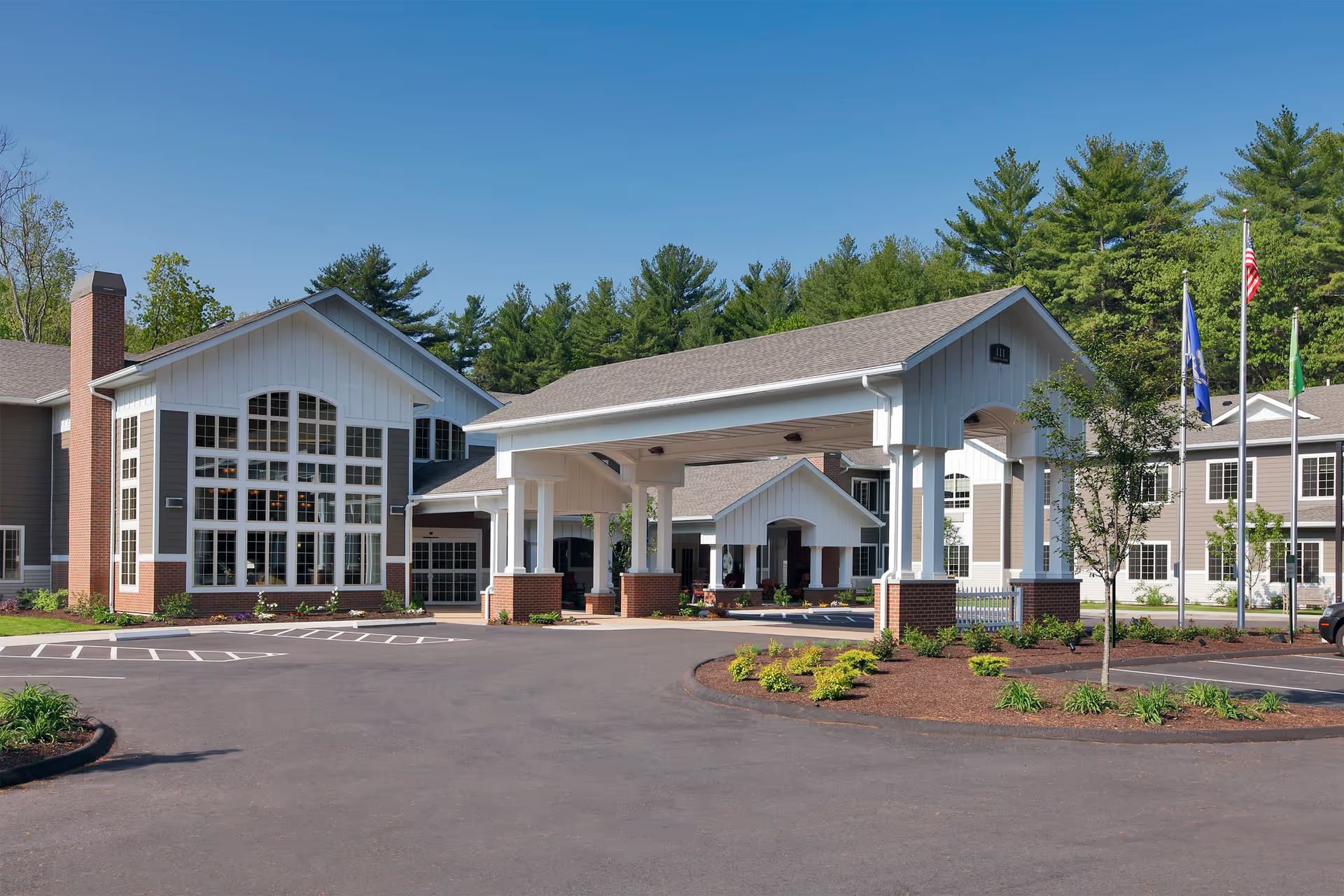
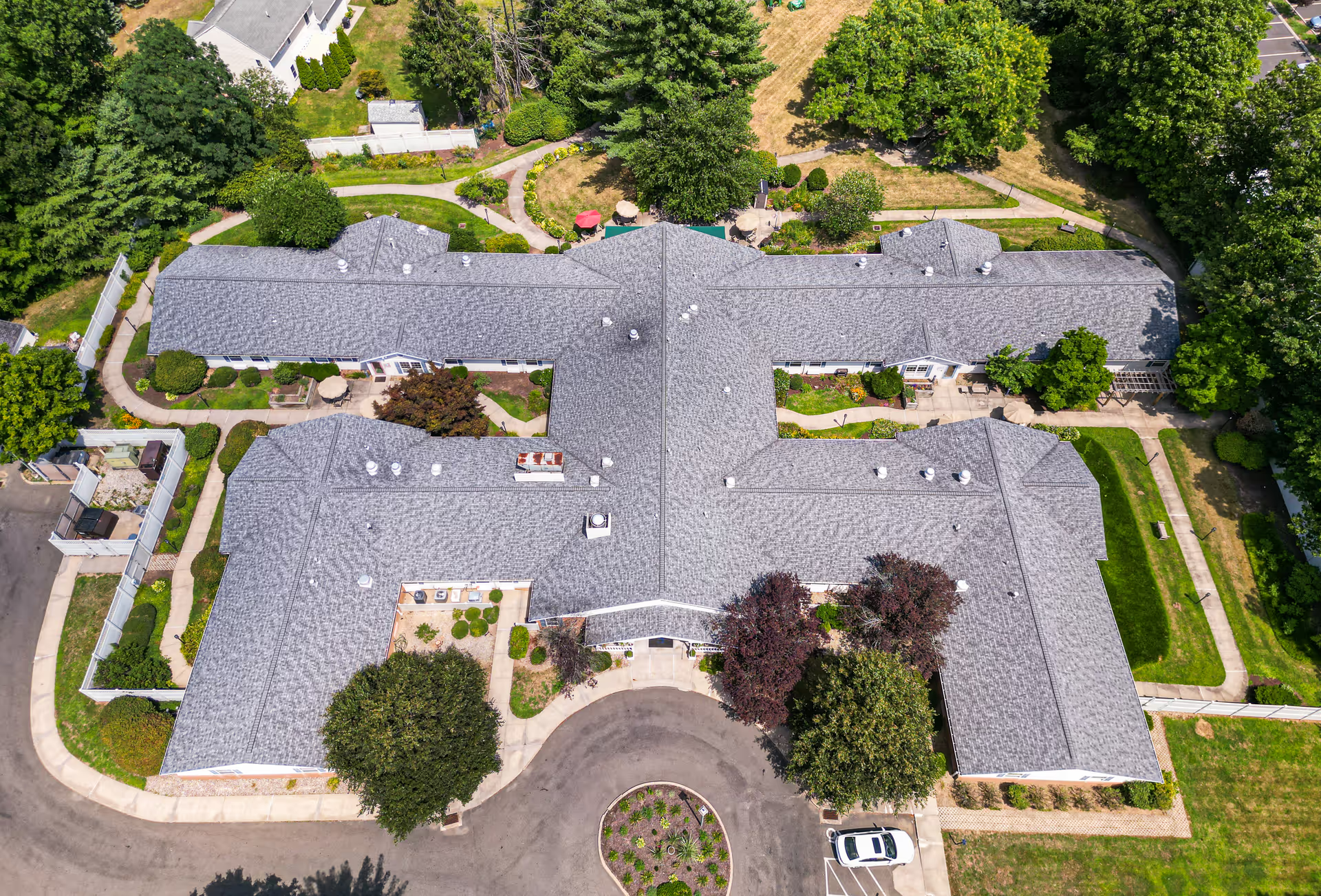
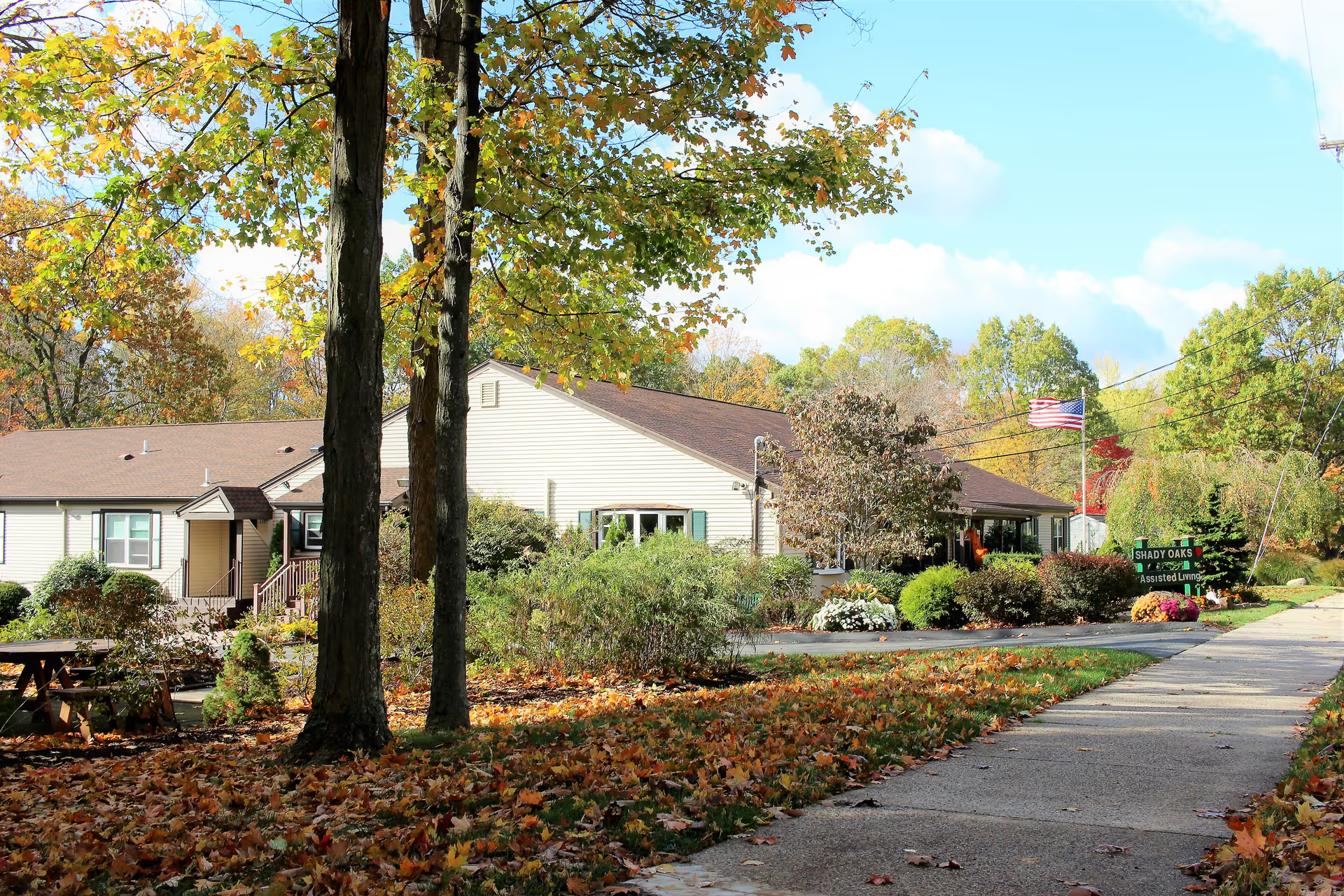
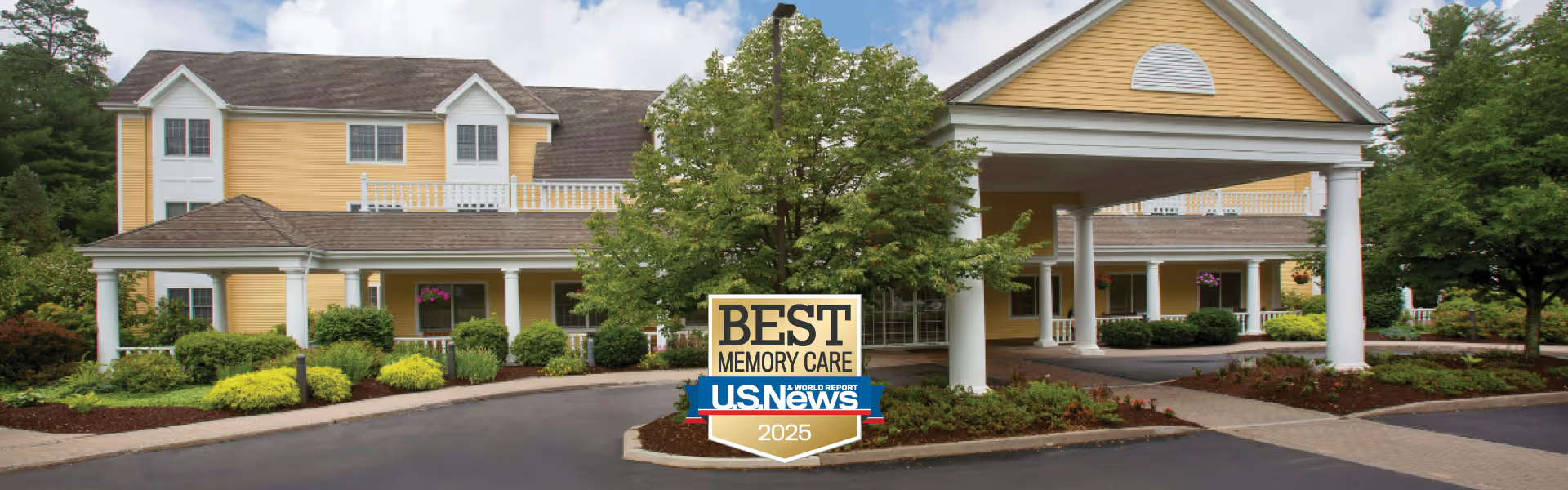
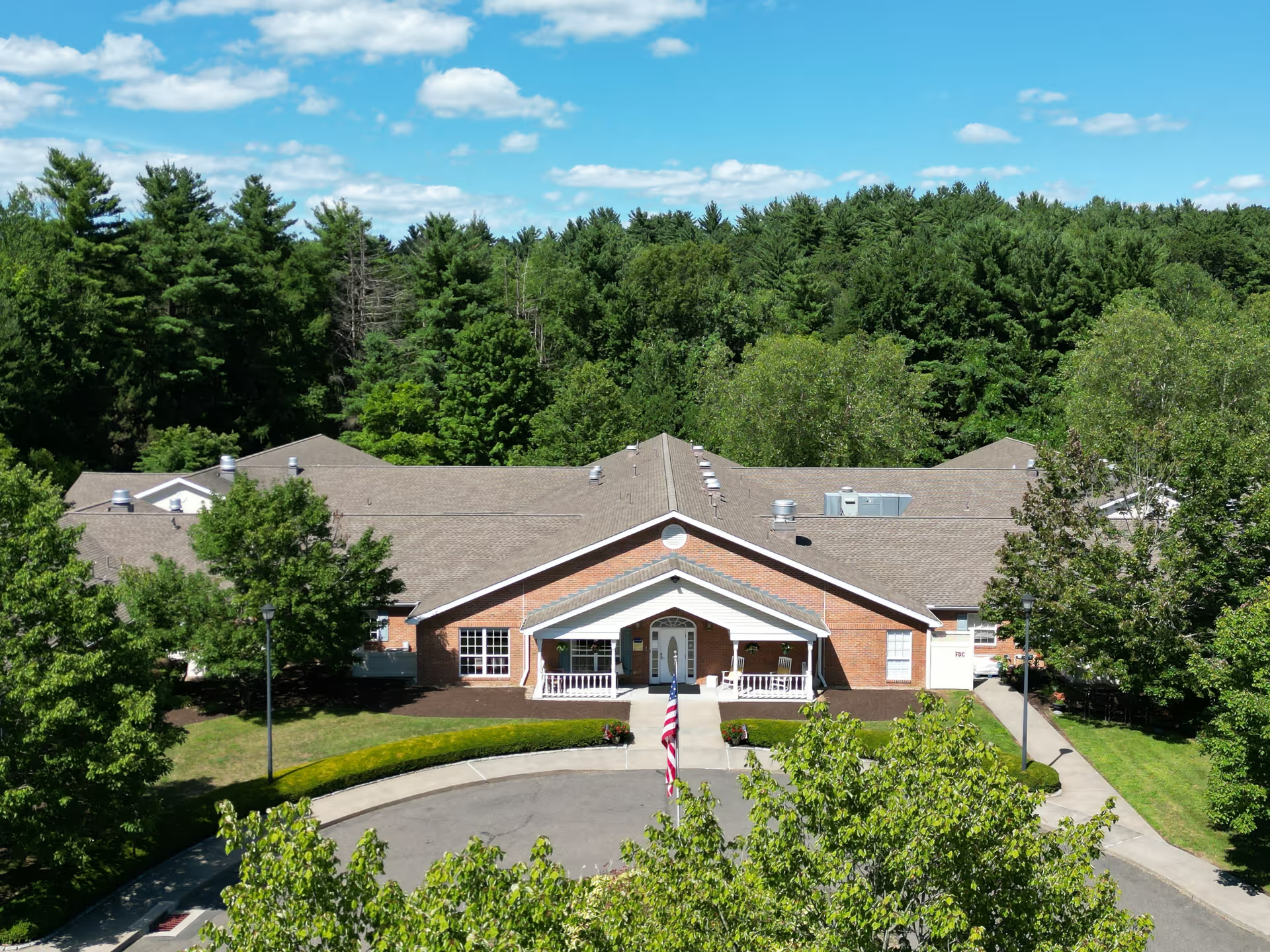
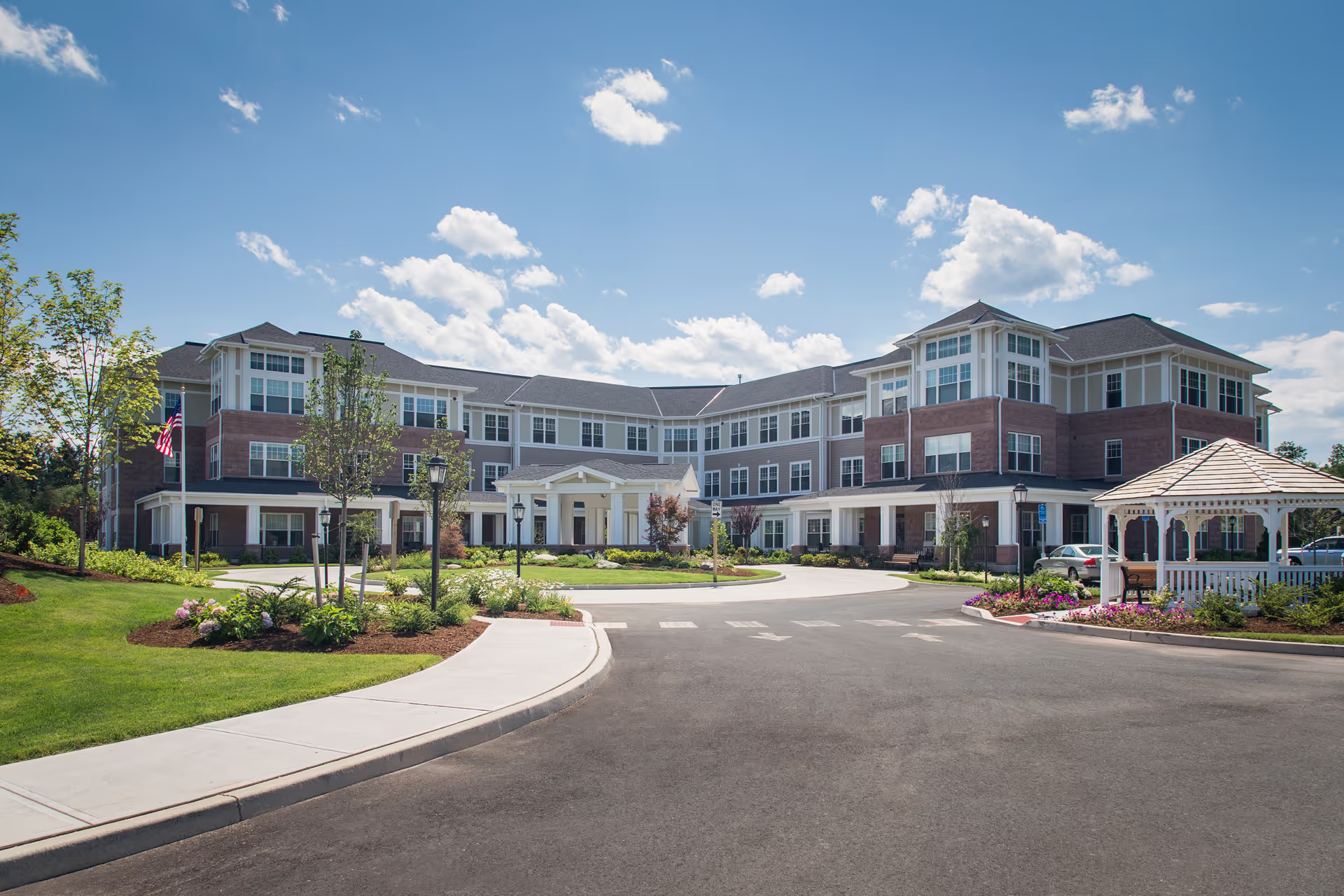
Riverbend at Farmington is described by reviewers as a modern, well-appointed campus with many amenities and attractive, apartment-style living. Many families and residents praise the physical environment—the resort-like common areas, large windows, contemporary design, and on-site features such as a movie theater, fitness center, woodshop, and virtual golf. Apartments are frequently noted as roomy and well-equipped (full kitchens, in-unit washer/dryer), and the community offers private-event dining and on-site therapies.
Care and staffing accounts are mixed and form a central theme in the reviews. Numerous reviewers describe direct-care staff as warm, compassionate, and attentive; others report persistent staffing shortages, high turnover, and long response times to calls for assistance. There are repeated concerns about medication handling and communication around medication changes and administration. While the presence of on-site nursing and therapy services is cited as a positive, families should be aware of variability in day-to-day responsiveness and continuity of caregiving personnel.
Dining and housekeeping receive divergent feedback. Several reviewers praise freshly prepared, varied menus and special catering for events. Conversely, others describe inconsistent meal quality, portioning problems, difficulties accommodating dietary needs, and understaffed dining service. Housekeeping and sanitation are generally commended in common areas, but some residents report inconsistent room cleaning schedules and sanitation concerns in individual units.
Activities and community life are frequently mentioned as strengths: the community offers a wide array of programs, outings, regular entertainment, and opportunities for resident socialization. However, reviewers indicate that programming and supervision within the memory-care neighborhood may be less robust or less age-appropriate than in the main community; activity levels there appear more limited and more dependent on staffing availability.
Management, communication, and business practices are another recurring pattern. Several reviews note turnover among administrators, variable communication from leadership, contract concerns, and periodic rent increases perceived as disproportionate to service changes. A few families described isolated incidents that required external intervention or prompted strong concern; these are not presented as routine but do indicate occasions where communication and incident follow-up were inadequate for those families.
Overall, Riverbend at Farmington presents as a high-quality, amenity-rich community with many positive attributes for independent living and active residents. Persistent themes to investigate further during a tour or decision-making process include staffing levels and turnover, medication-administration policies, housekeeping frequency, memory-care programming and supervision, dining service consistency, and contract/fee change policies. Prospective residents and families would be advised to observe staffing during different times of day, review recent inspection or quality reports, ask for written protocols on medication handling and emergency response times, and speak with current families in both independent and memory-care neighborhoods to assess fit and reliability.