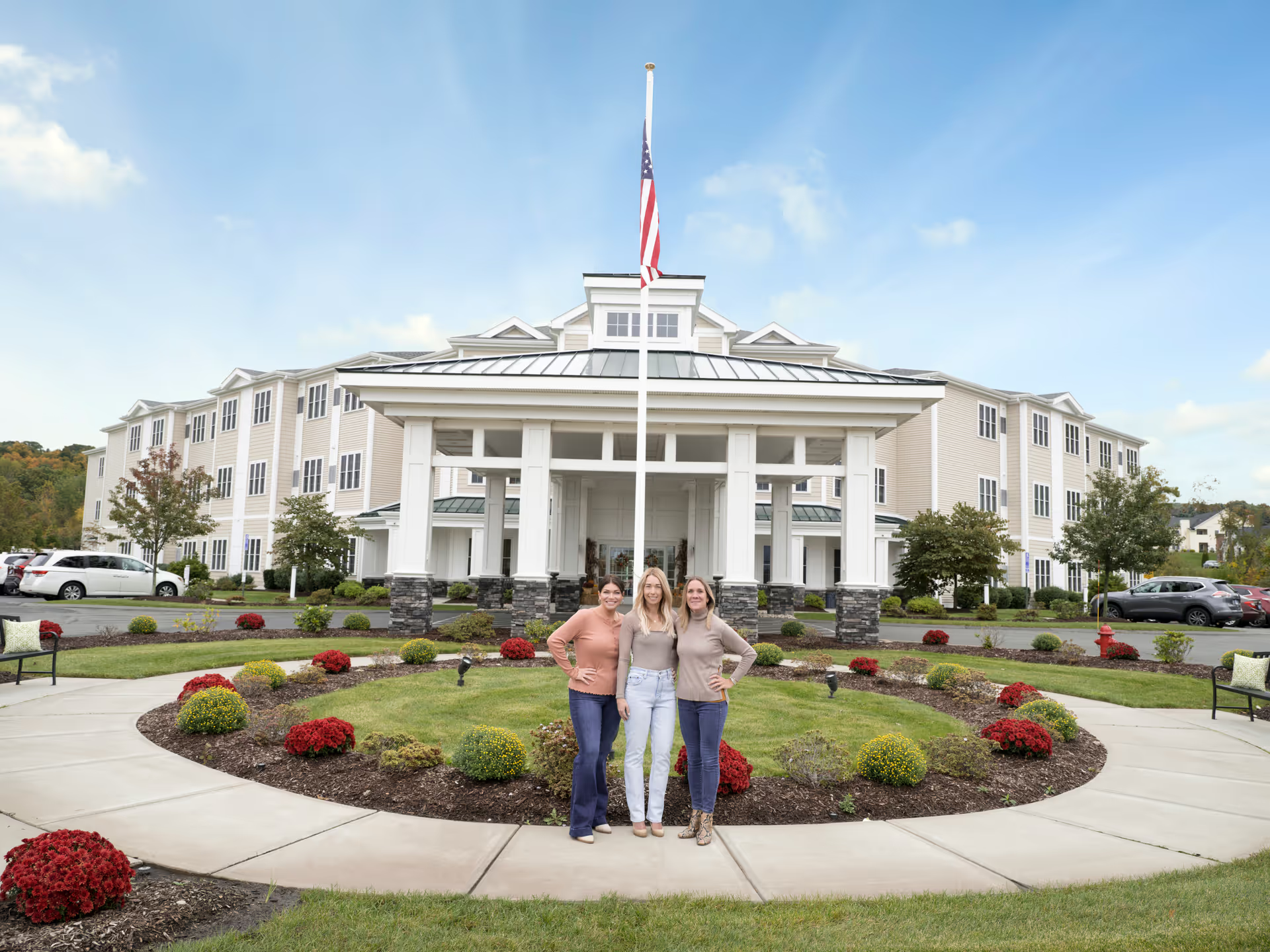
Alto Evergreen Walk, also referred to in reviews as HarborChase, receives strong praise for its welcoming atmosphere, attractive newer building, and staff members who form warm relationships with residents. Families often describe attentive care, helpful nursing staff, and a reassuring transition into assisted living or memory care. Several reviewers also credit individual care partners, activity staff, nurses, and managers with making residents feel known and supported. At the same time, experiences are not uniform: other accounts raise concerns about staffing levels, clinical consistency, management communication, and the ability to meet more complex or changing care needs. Prospective families may want to ask how care plans, medication instructions, hospice coordination, and after-hours staffing are handled, and how concerns are tracked through to resolution.
Dining is a prominent strength in many accounts. Residents and visitors praise fresh meals, menu choice, presentation, and a restaurant-like setting, while other reviews describe repetitive or declining meal quality and portions that do not satisfy some residents. The range of comments suggests that dining experiences may vary over time or by meal. Housekeeping and personal-care routines also receive mixed feedback: some families describe clean, well-kept apartments and common areas, while others report inconsistent cleaning, laundry, linen care, and bathing support. These are useful areas to clarify during a visit, including the frequency of services and how missed tasks are followed up.
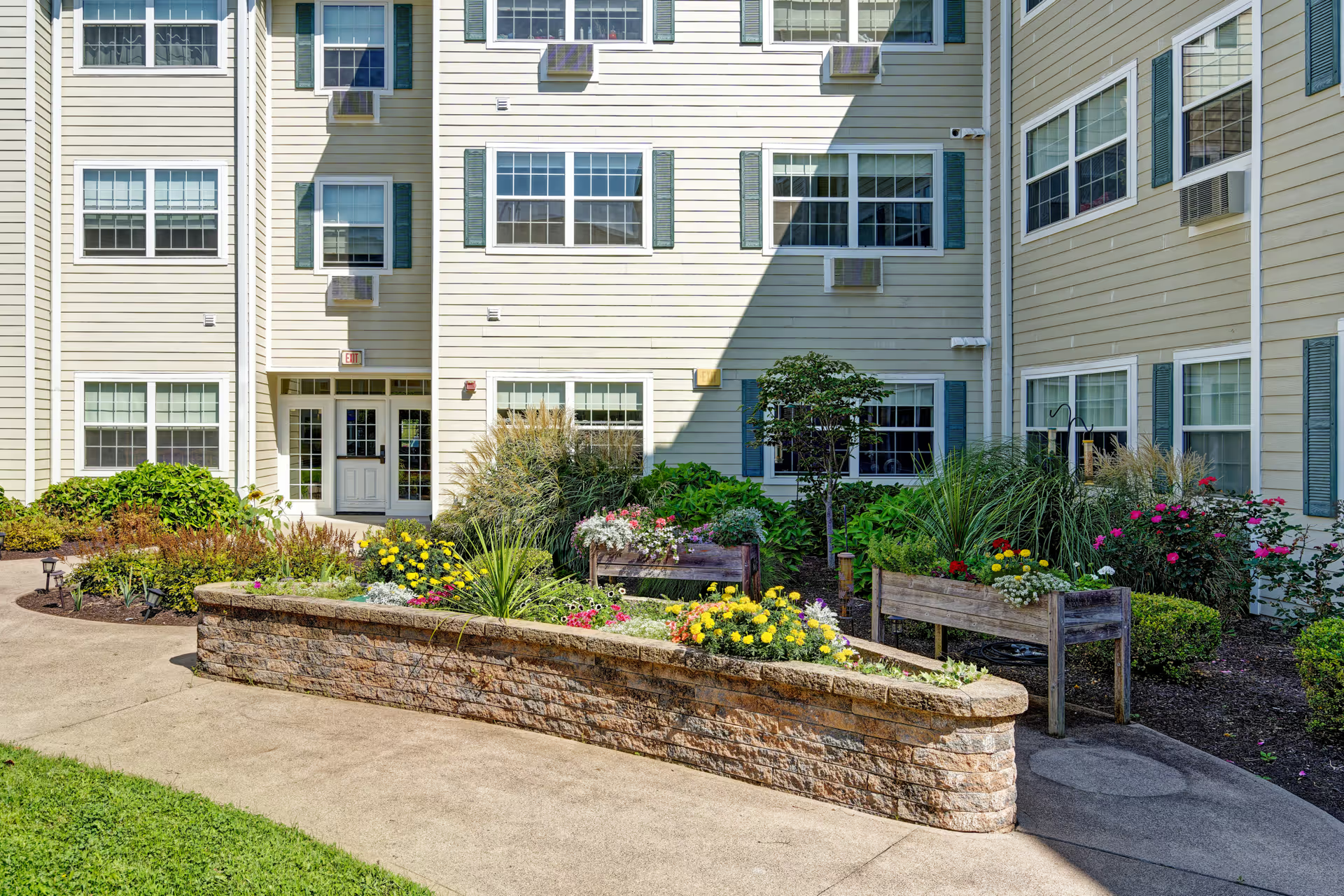
The community offers a broad activity schedule, including crafts, games, music, celebrations, fitness, movies, salon services, and outings. Residents and families frequently value the opportunities for social connection and the staff efforts to encourage participation. The building is commonly described as spacious, bright, modern, and residential rather than institutional, with attractive dining and lounge areas. One prospective family felt the room layout did not meet a loved one’s accessibility needs, so room dimensions and bathroom features should be assessed against each resident’s mobility requirements. Transportation is another practical point to verify; one family reported difficulty accessing the advertised van service.
Management and memory-care experiences are particularly mixed. Some families describe accessible leaders and effective help with transitions or questions, while others cite leadership turnover, weak communication, and limited follow-through on complaints. Memory-care accounts range from strong praise for attentive, individualized support to concerns about safety procedures and the facility’s capacity to accommodate residents with increasing needs; another family described the unit as highly secure. Overall, reviews portray a polished community with substantial amenities and many positive staff interactions, alongside meaningful variability in staffing, clinical support, housekeeping, dining, and management responsiveness. Families should tour the relevant care area, speak with current residents and staff, and confirm in writing that the services and level of care match their loved one’s needs.