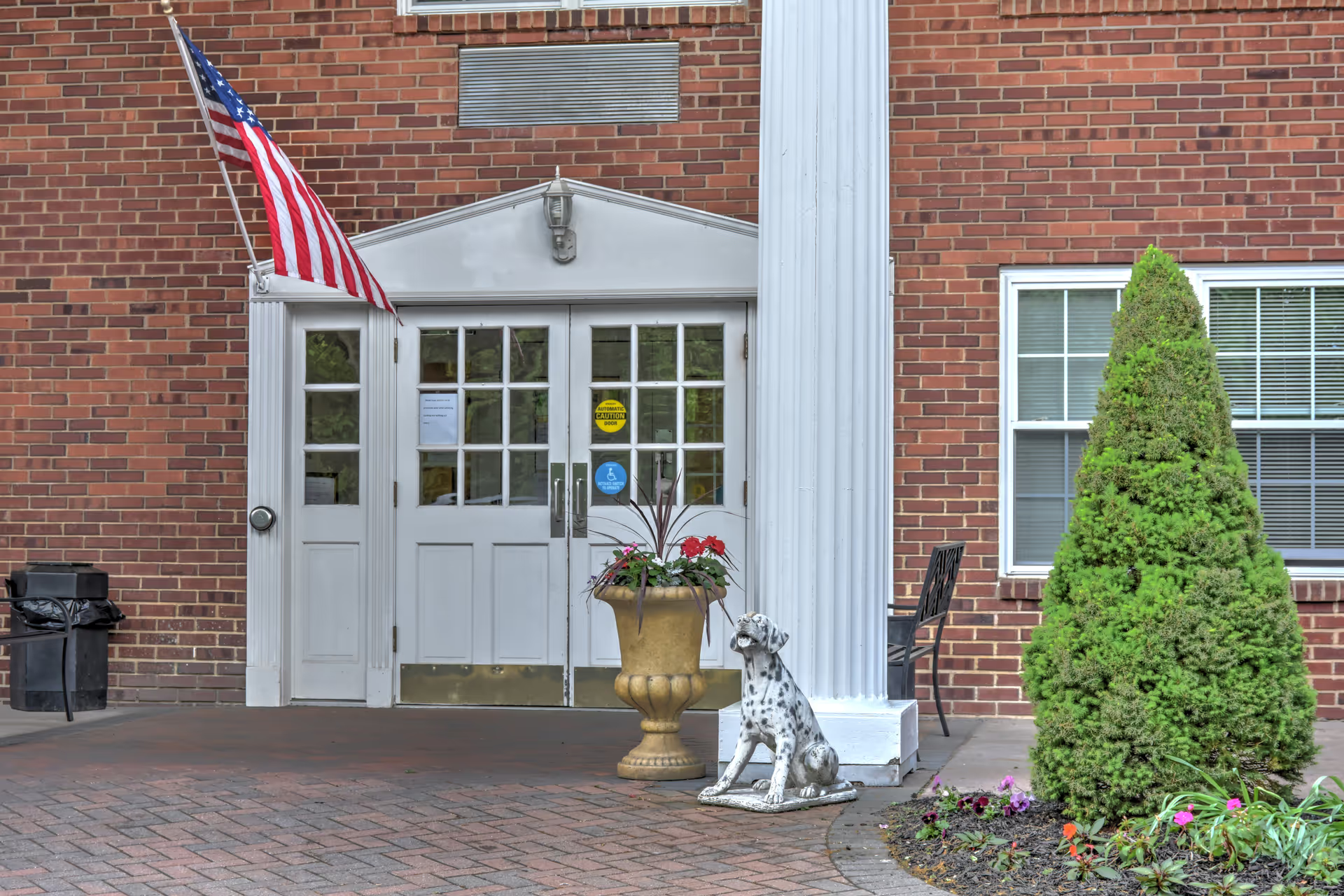
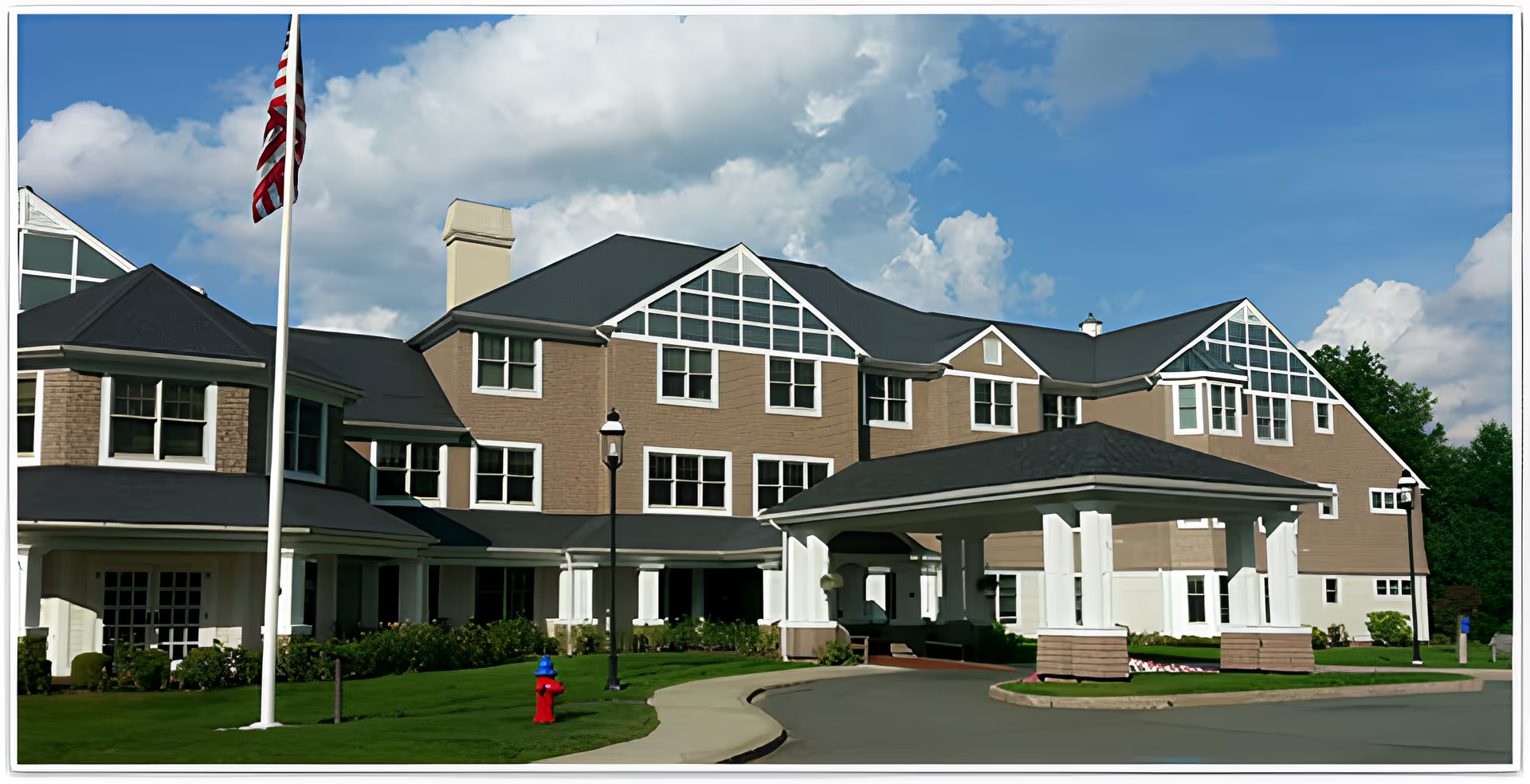
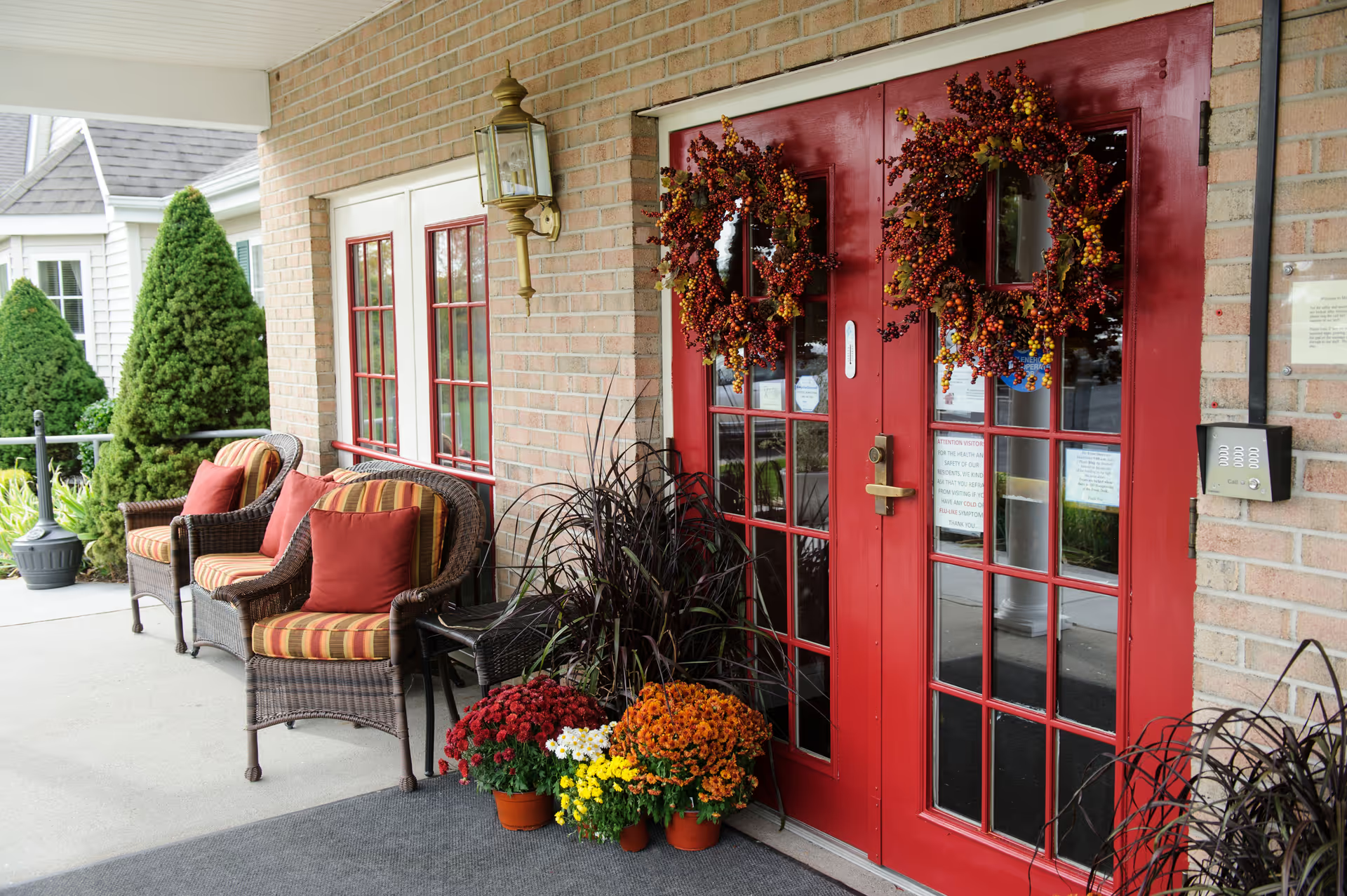
Overall impression: The Retreat Assisted Living presents a mixed picture. Many families and residents describe a pleasant, clean, and well-decorated interior with comfortable private rooms and a welcoming community atmosphere. There are consistent positive remarks about direct-care staff and nursing availability — several accounts characterize staff as warm, attentive, and proactive — and some families cite long, stable stays and effective hands-on care for long-term residents.
Care quality and staff: Care delivery appears variable. Positive feedback highlights friendly caregivers, proactive nurses, and timely assistance for activities of daily living. At the same time, there are operational concerns that point to inconsistent communication and uneven professional conduct among certain staff members. These communication gaps appear to affect family interactions, admissions discussions, and follow-up on issues; prospective families should expect variability in staff responsiveness depending on shift or individual assignment.
Medication and safety: Multiple reviews raise significant operational concerns related to medication handling and security. Issues described include administration errors and missing medications, which suggest weaknesses in medication-management controls and inventory/security practices. Separate comments about missing personal items and safety oversight indicate a need for stronger protocols to protect resident belongings and ensure consistent supervision of communal spaces.
Dining and nutrition: Dining experiences are mixed. The facility provides three meals daily and menus are noted as dietitian-designed, and some residents express satisfaction with the food. However, others describe inconsistent food quality, occasional spoiled meals, and insufficient tailoring for individual dietary needs. This suggests that menu planning may be adequate on paper but that execution and individualized meal accommodations are areas for improvement.
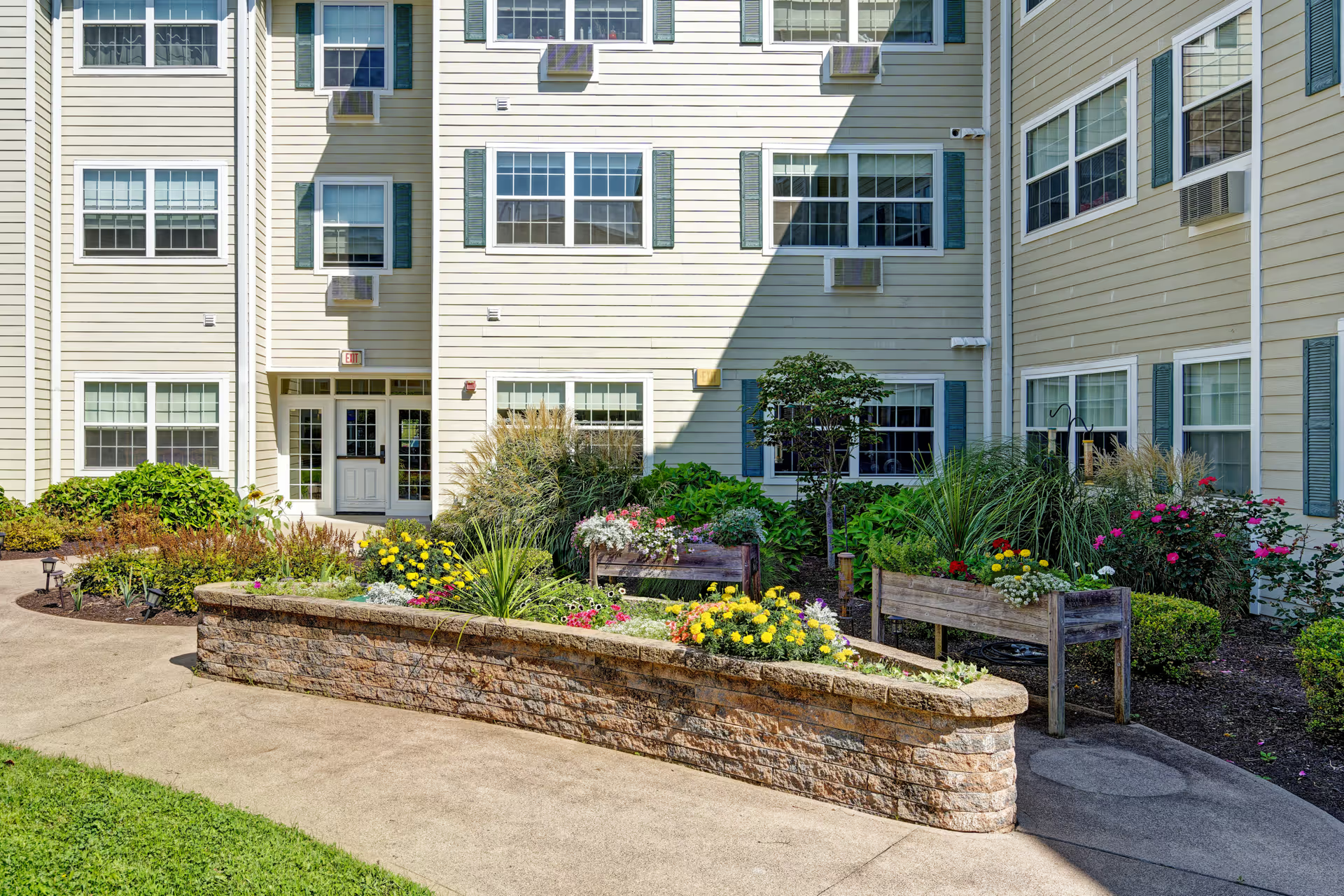
Activities and amenities: The Retreat offers a range of social programming and on-site amenities such as a chapel, library, and laundry services. Reviewers frequently mention active coordinators and a robust activity schedule, which supports social engagement and helps residents avoid isolation. Limited outdoor space and constrained campus mobility are recurring practical limitations; the facility’s small yard and restricted vehicle access may affect residents who prioritize outdoor access or independent transportation.
Management and admissions: Experiences with administration are inconsistent. Some families report an efficient admission process and helpful coordinators, while others describe confusing admissions decisions, poor follow-up, and concerns about the tone of some staff during intake. These differences point to variability in managerial communication and case handling rather than a single uniform approach.
Notable patterns and guidance: The Retreat demonstrates clear strengths in atmosphere, basic services, and social programming, and many families have had positive, long-term experiences. Simultaneously, recurring operational themes—medication-management weaknesses, inconsistent meal execution/dietary accommodations, variability in staff communication, and property/security oversight—warrant attention. Prospective residents and families should tour the facility, ask specific questions about medication protocols and inventory/security, review dietary accommodation policies, observe staff–family communication during the visit, and confirm outdoor-access and transportation arrangements before committing.