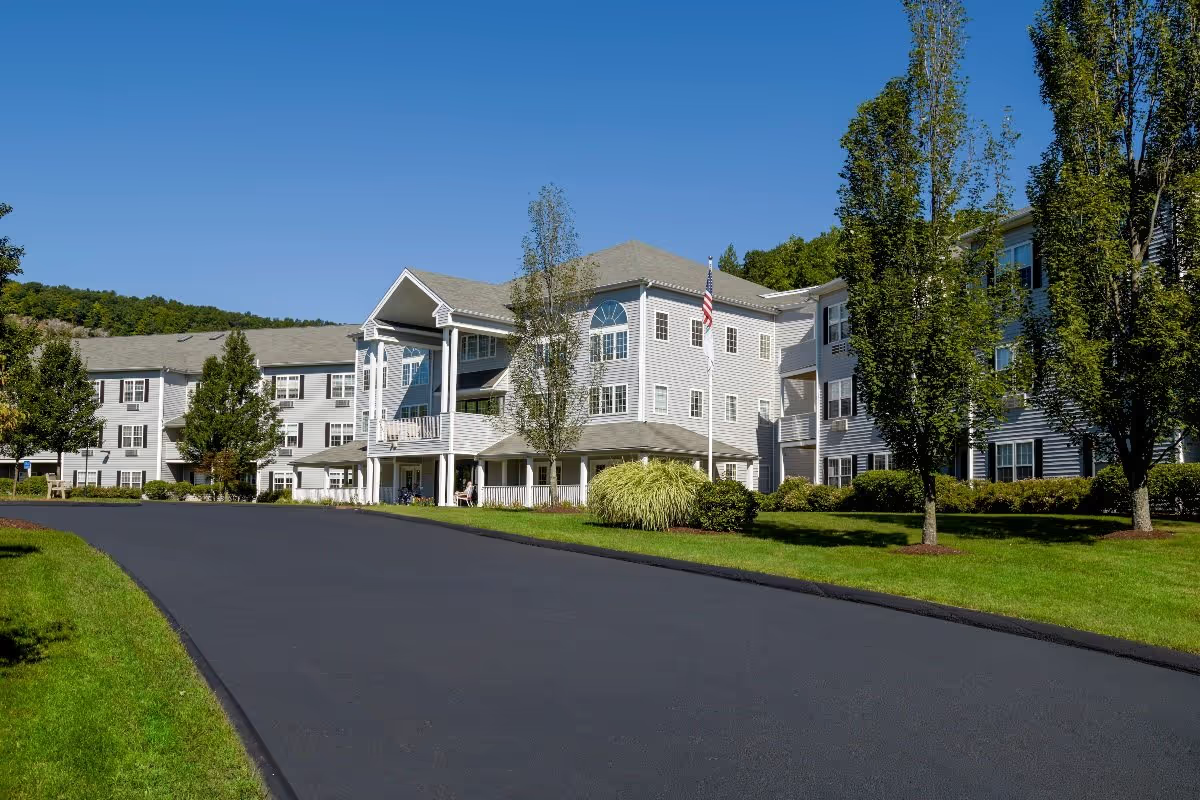
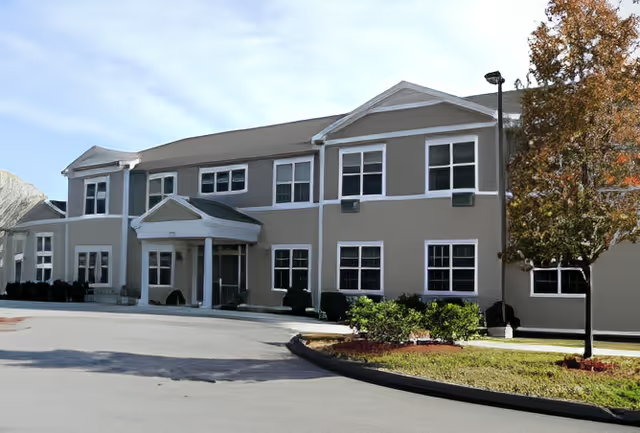
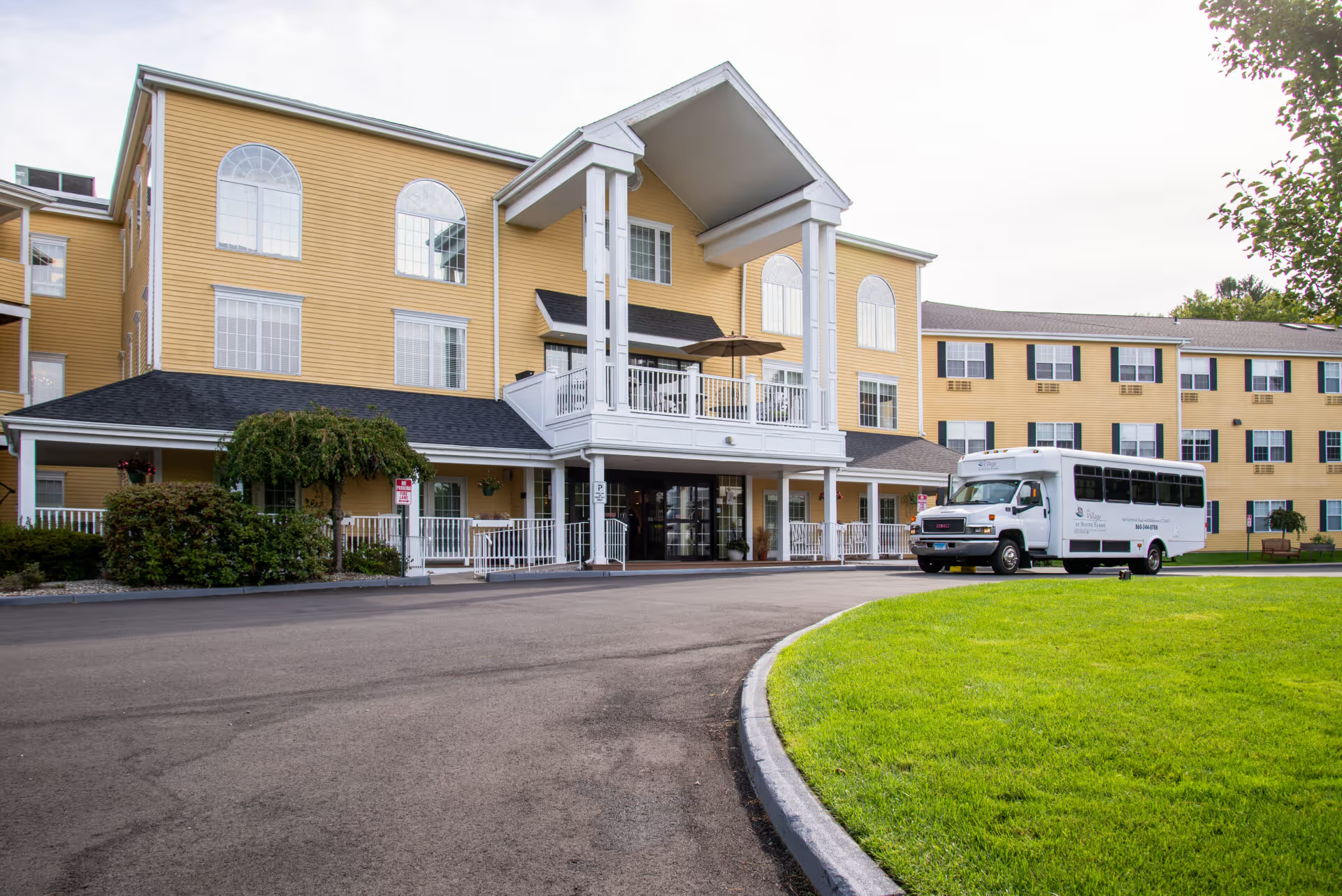
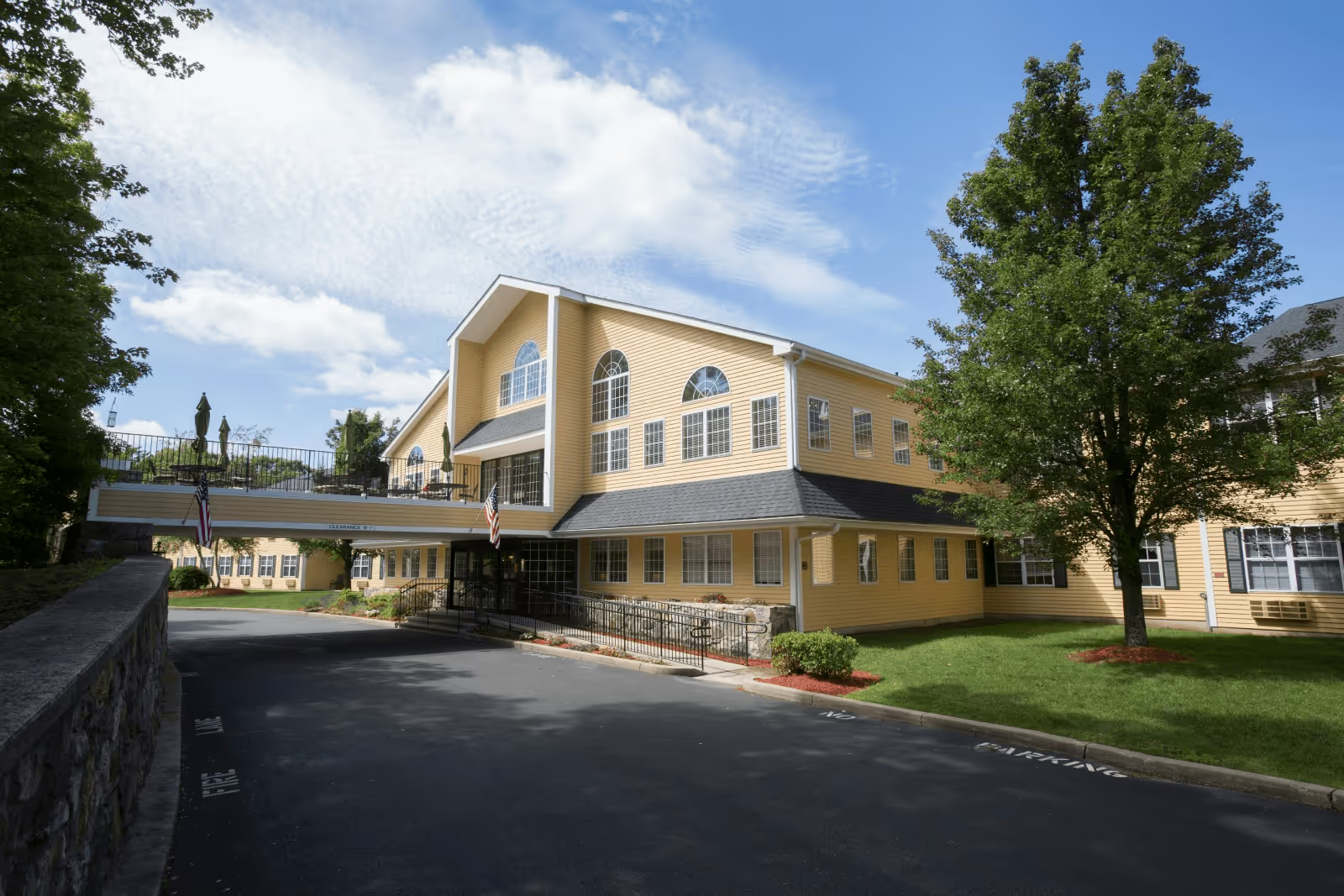
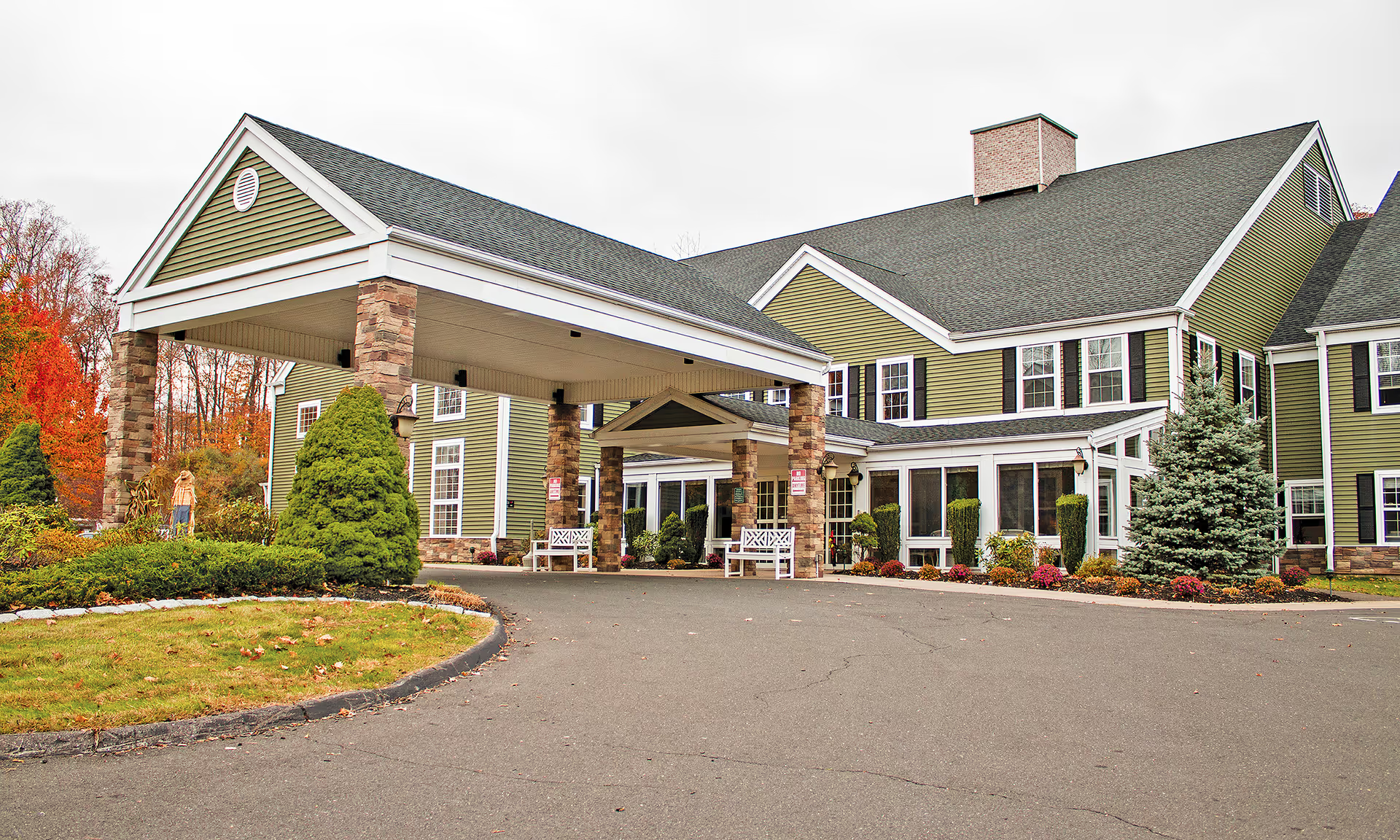
The reviews present a mixed but consistent pattern: clinical and caregiving staff are frequently described as caring, experienced, and effective, and the facility offers robust therapy and activity programming—particularly creative-arts approaches—that families and long-term residents have praised. Multiple accounts highlight polite, efficient reception staff, an inviting facility appearance in many areas, and cases where residents’ conditions improved under the facility’s clinical teams. For some long-term residents the facility functions well and delivers a quiet, comfortable environment.
At the same time, operational and administrative shortcomings recur across the feedback. Staffing levels are described as inconsistent, with reports of high turnover, limited weekend coverage, and variability between shifts. That variability is reflected in accounts of smooth first-shift operations contrasted with understaffing or reduced responsiveness at other times. Several reviews identify problems with scheduling and frequency of personal care tasks, suggesting inconsistent personal-care routines for some residents.
Management and human-resources issues are a prominent concern. Reviewers describe weaknesses in oversight, communication, and accountability, and there are allegations of payroll and HR irregularities that have attracted regulatory attention. Staff morale and teamwork problems—including poor communication among nursing staff and concerns about professionalism—are cited as factors that may impair day-to-day care continuity. Relatedly, family communication and care-coordination processes are described as uneven, with some families reporting inadequate updates or conflicting information.
Facility operations also show specific gaps: sanitation and localized mold concerns in certain areas, variable dining quality, and some accounts of inadequate hydration and nutrition oversight. There are mentions of infection-control and safety practice gaps during outbreak periods, as well as instances of front-desk or office staff being unresponsive or providing inconsistent information. These operational issues tend to cluster around administrative strain and staffing shortfalls rather than the clinical competence of individual caregivers.
For prospective residents and families, the key pattern is one of contrast: strong, compassionate caregiving and effective therapy programs on the one hand, and organizational, staffing, and administrative weaknesses on the other. Those considering the facility should weigh the positive clinical and activity offerings against documented variability in staffing, management practices, and facility-level maintenance. A focused in-person tour, discussion of staffing patterns by shift and day of week, and direct questions about HR/payroll status, infection-control protocols, and personal-care schedules would help clarify whether the facility’s current operations meet a given resident’s needs.