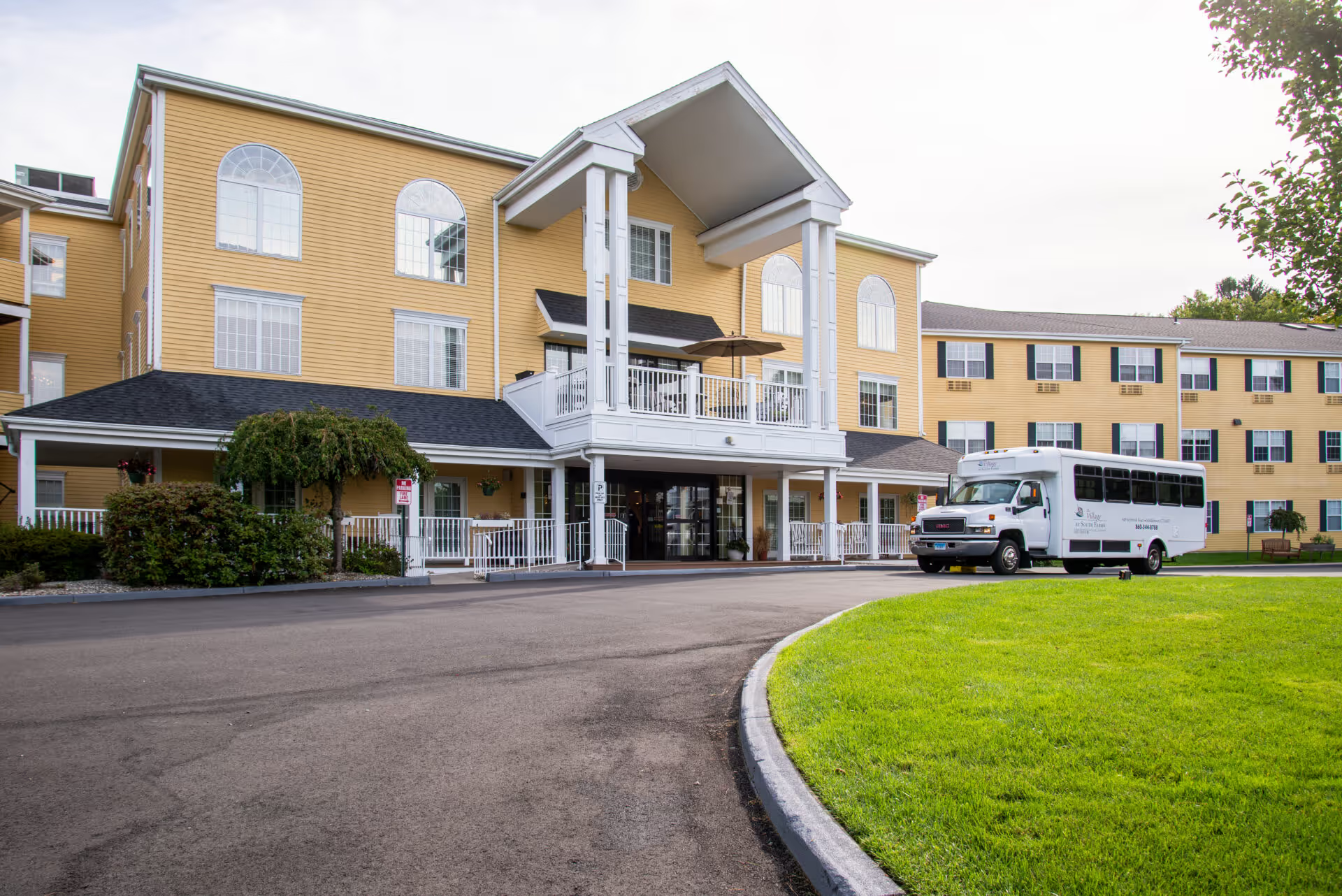
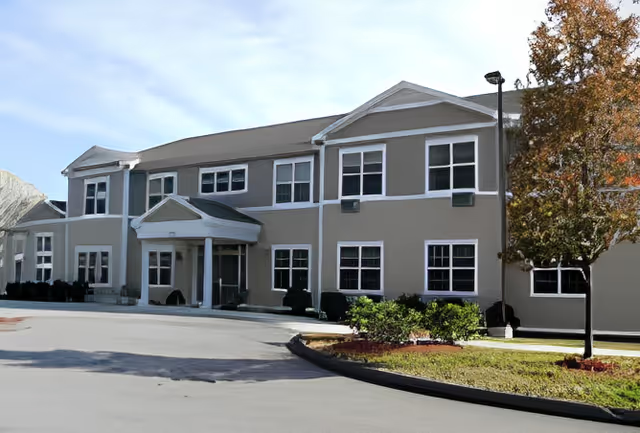
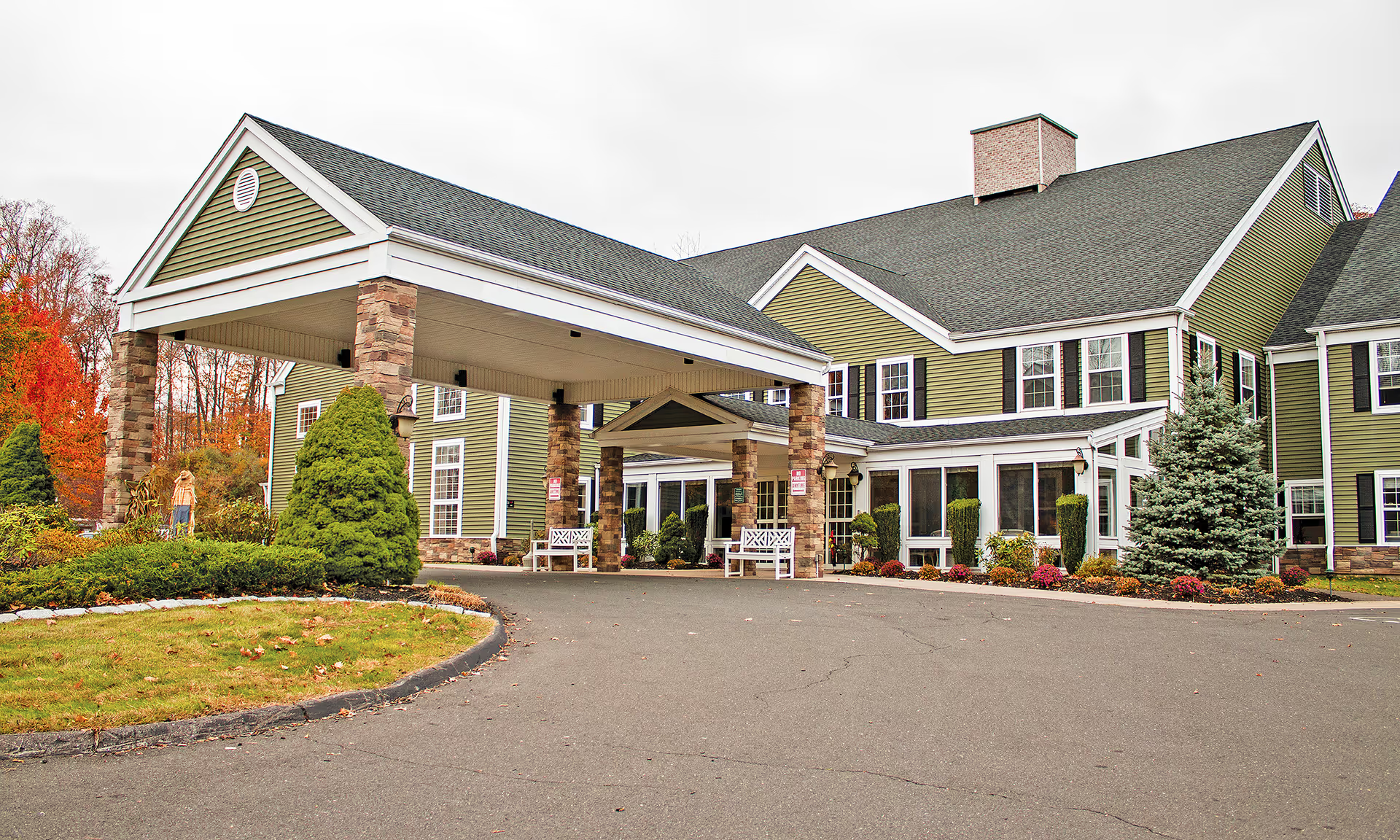
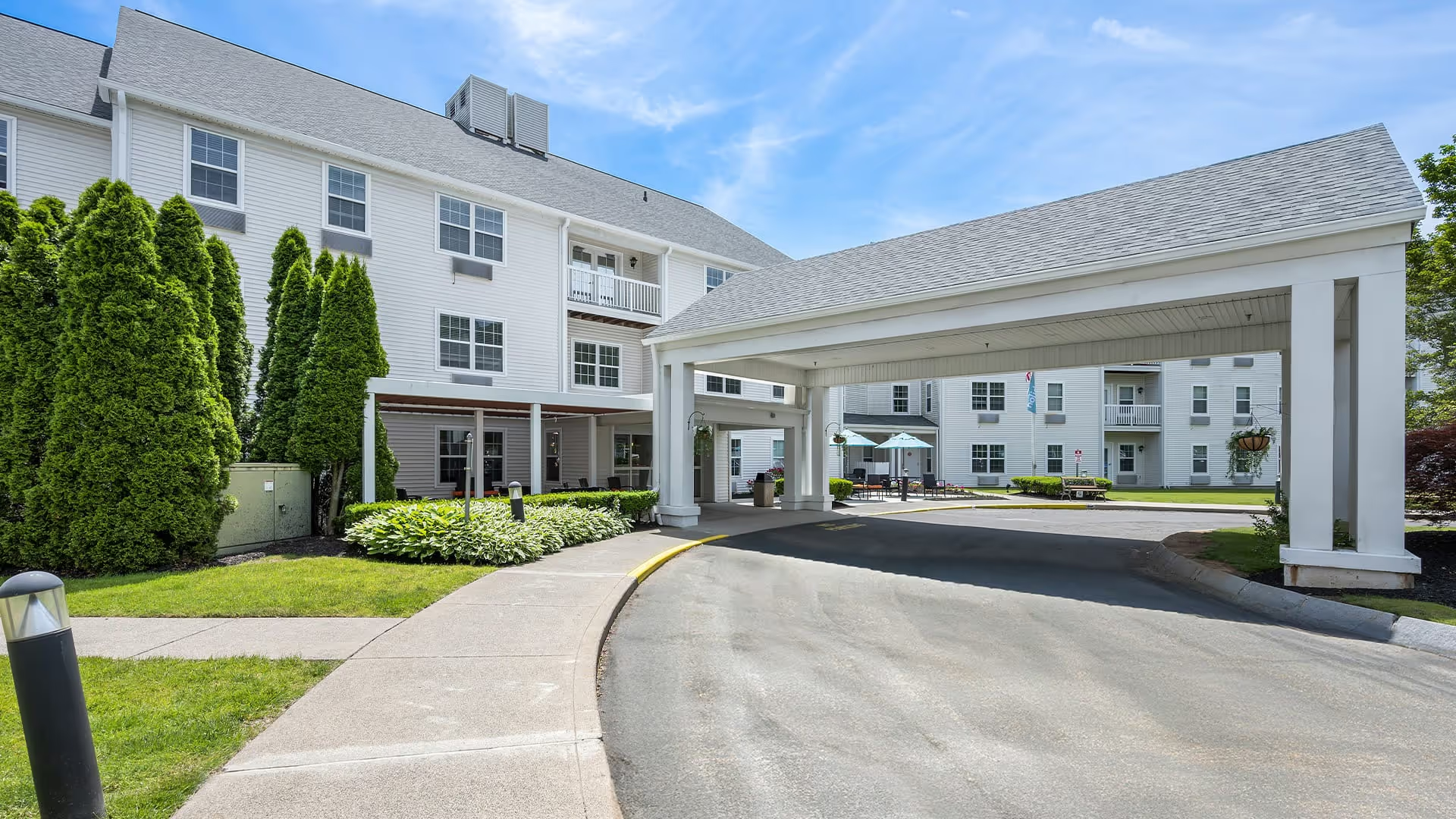
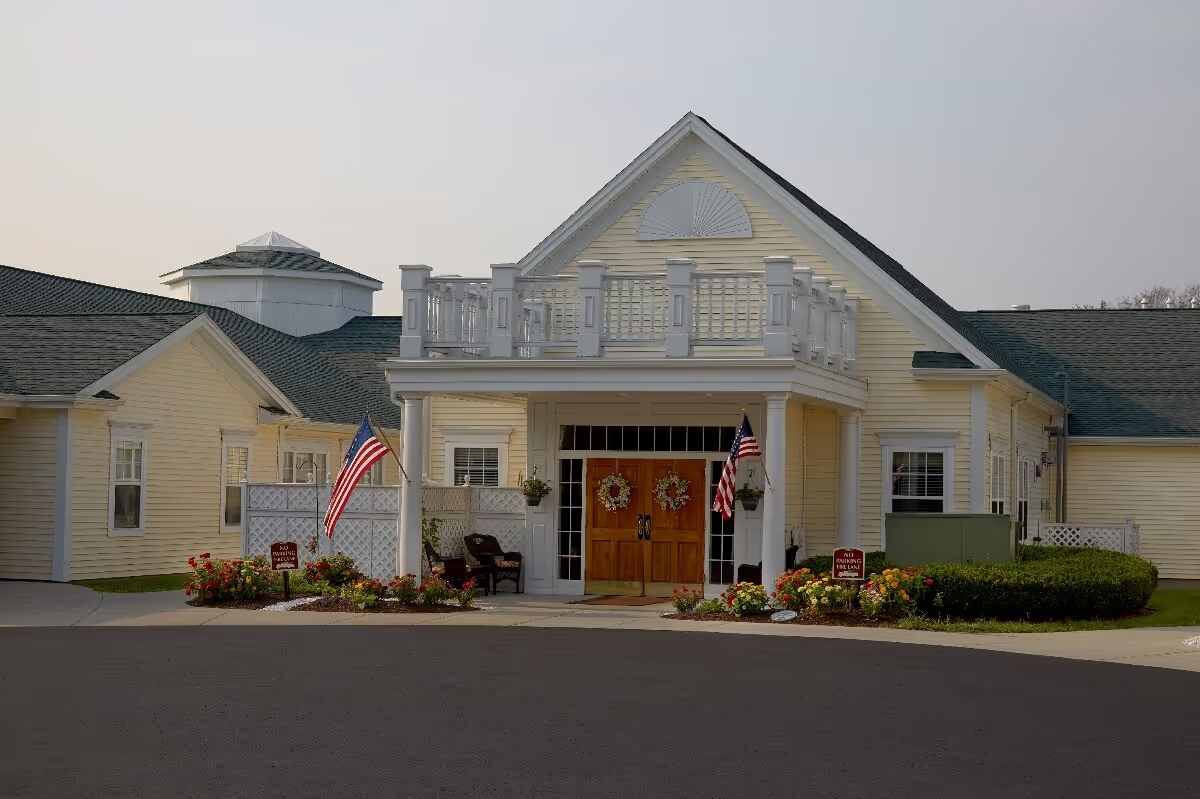
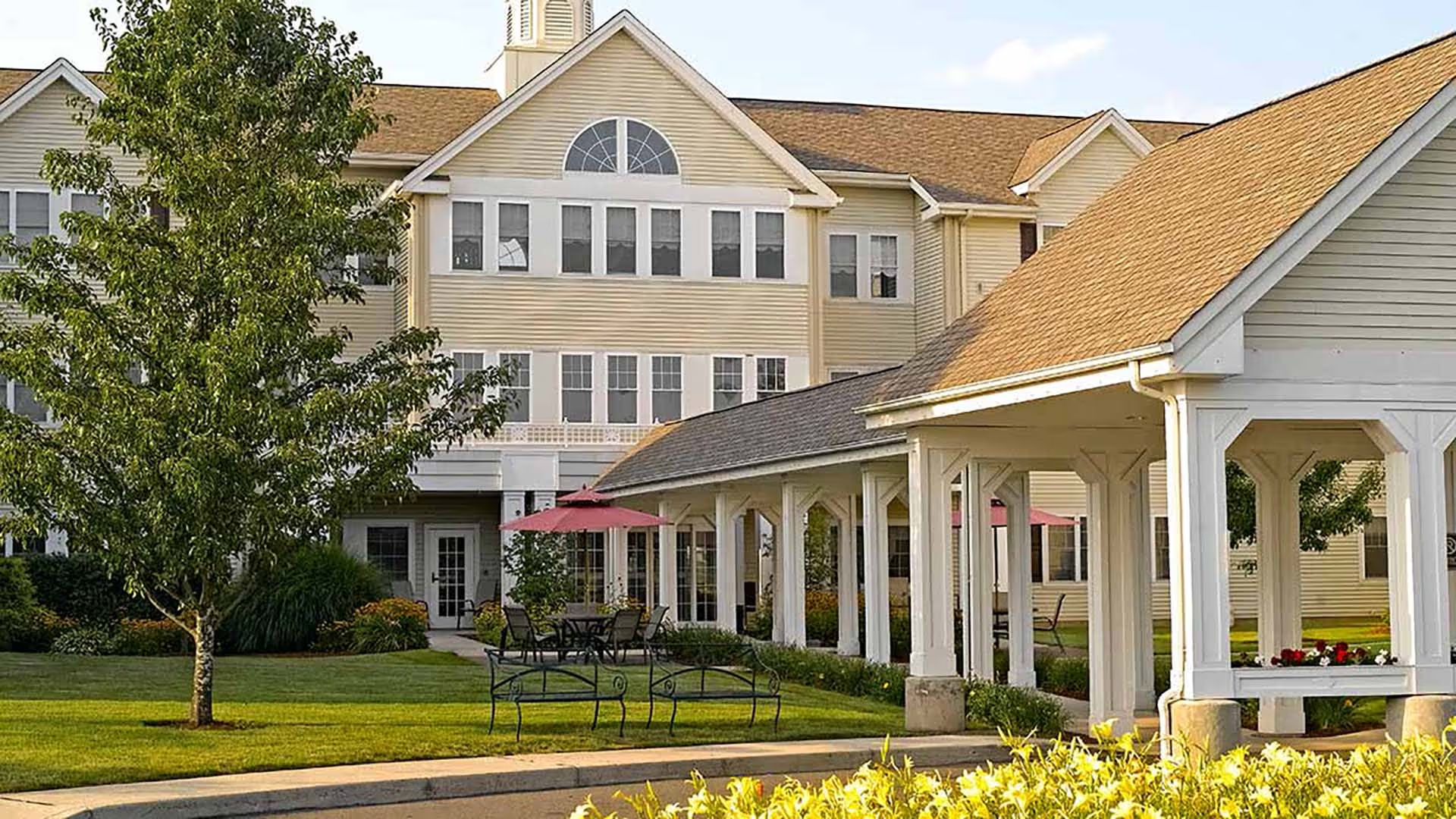
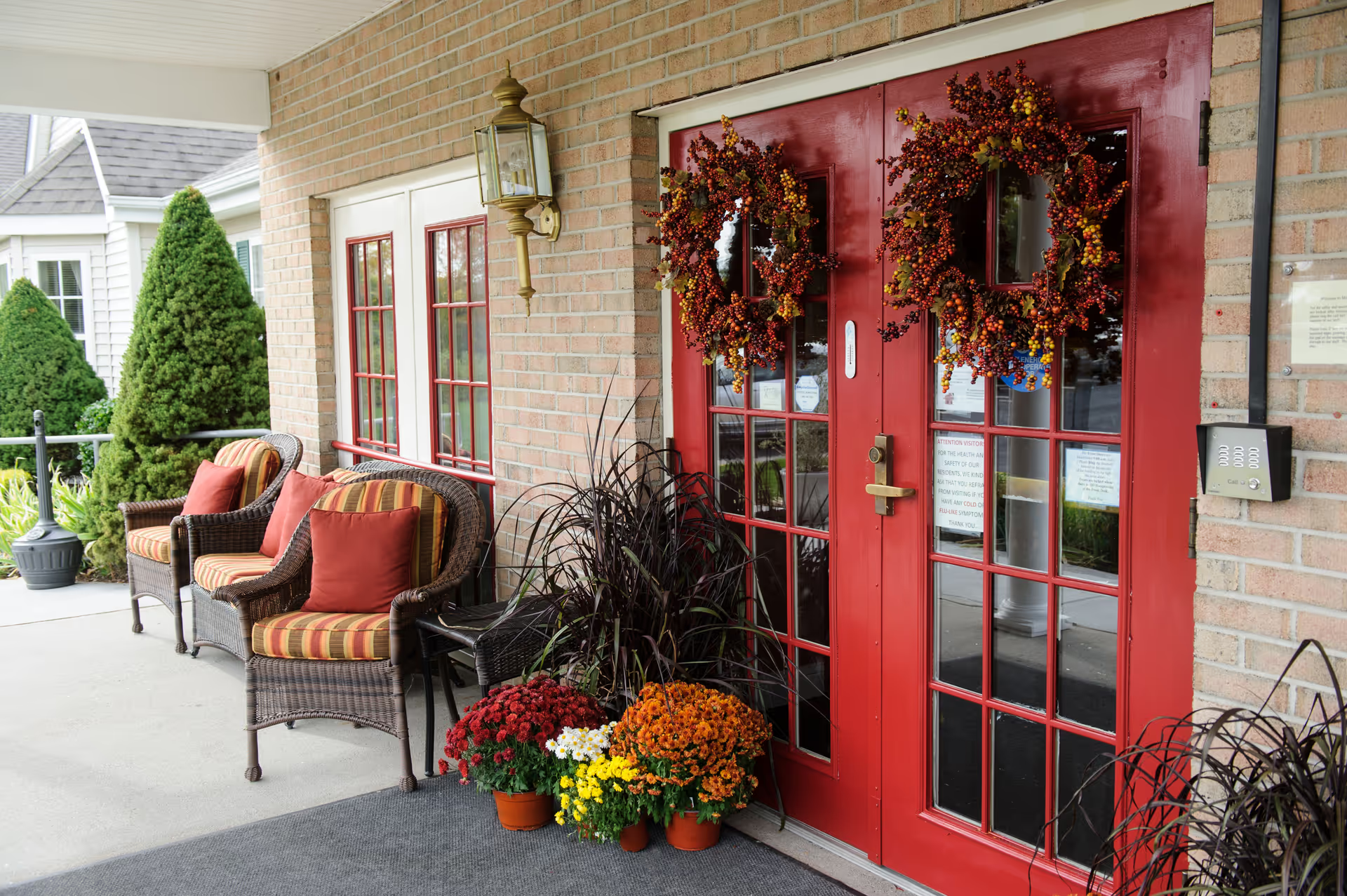
Greystone is described by many families as a warm, home-like retirement setting with a strong emphasis on personal attention and relationship-based care. Positive accounts highlight compassionate staff who know residents’ routines, coordination of outside medical appointments, attentive chronic-condition monitoring (for example diabetes care), and teamwork that families find reassuring. The facility’s grounds and common areas are frequently characterized as attractive and park-like, and many residents and visitors praise the cleanliness of living spaces and the quality of daily and holiday meals.
Care quality and staff behavior are central strengths for a number of families: reviewers describe respectful, dignified interactions, staff who are familiar with individual needs, and staff members who go beyond expectations to support residents. There are reports of meaningful dementia-care approaches and long-term positive outcomes for residents with cognitive impairment. At the same time, other accounts describe staffing shortages and episodes of insufficient assistance that led to care transfers or changes in placement; these point to variability in day-to-day staffing levels and task coverage.
Dining and activities are another mixed area. Several reviewers praise high-quality meals and special-event menus, and many residents appreciate the social opportunities and new friendships formed through activities. Conversely, other accounts identify inconsistent meal quality and limited activity offerings at times, suggesting that dining experience and program delivery can vary across days or cohorts of residents.
Facility condition is generally noted as pleasant, with well-tended landscaping and an inviting interior. However, some families raise concerns about maintenance and sanitation inconsistencies (for example, exterior maintenance issues such as driveway conditions), and there are explicit concerns about property security—particularly surveillance and safeguards for residents with dementia. There are also isolated but serious concerns following a resident’s disappearance and death; these accounts underline the importance of clarifying safety protocols and monitoring practices for cognitively impaired residents.
Management and organizational culture receive mixed commentary. Some families describe an engaged, community-minded owner and a kind, helpful administrator; others report that complaints were not always addressed and that staff sometimes felt undervalued. These contrasts suggest possible variability in leadership responsiveness, staff morale, and how operational challenges are escalated and resolved.
Overall, many long-term residents and their families speak highly of Greystone’s compassionate staff, homelike environment, and attractive grounds. Prospective residents and decision-makers should balance those strengths against the documented variability in meal quality, staffing consistency, maintenance, security practices, and complaint-resolution. A recommended next step for families would be an in-person visit that focuses questions on current staffing levels, dementia-safety protocols and surveillance, activity schedules, meal menus and consistency, maintenance plans, and the facility’s process for handling family concerns.