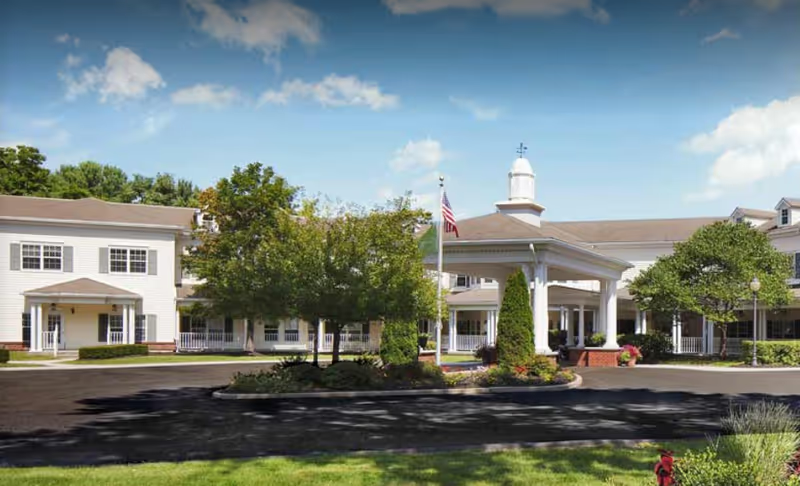
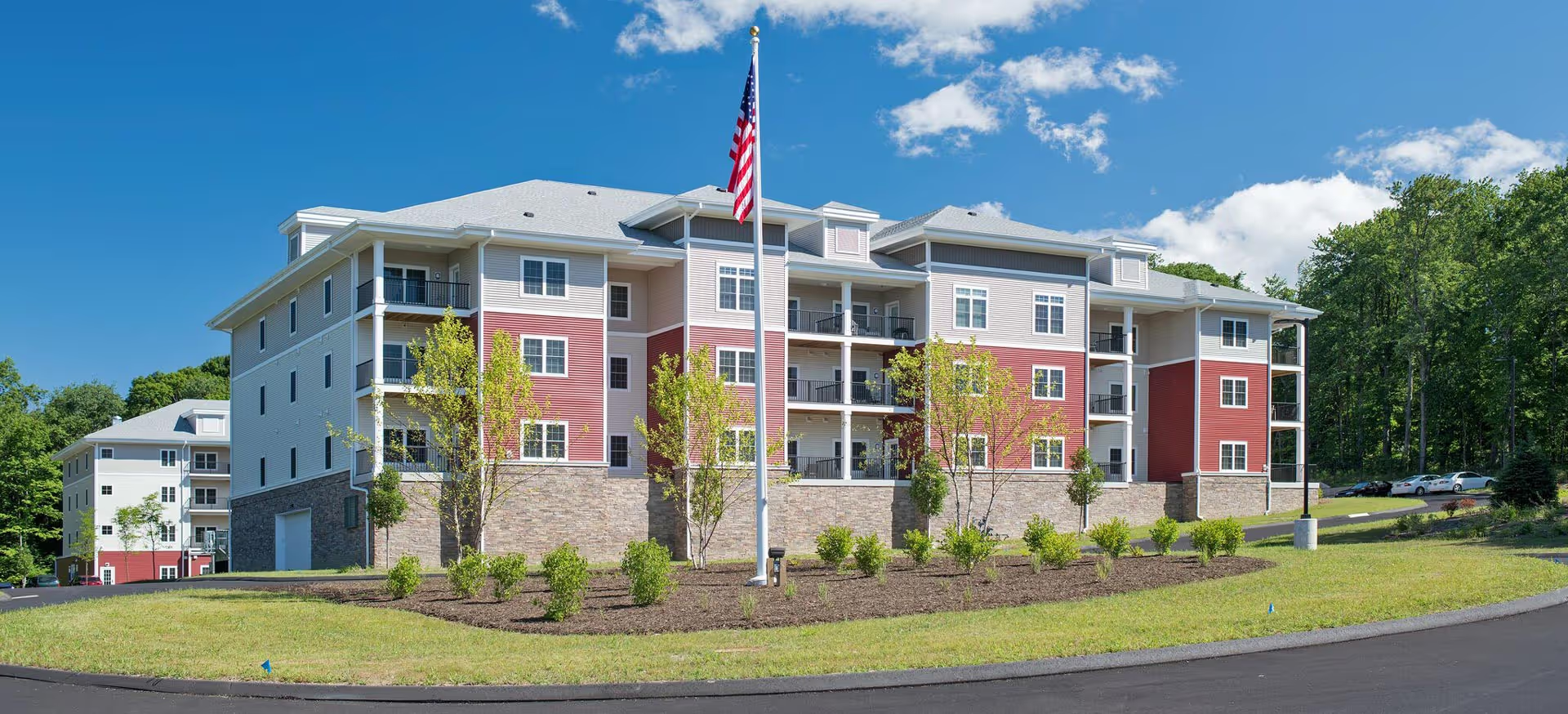
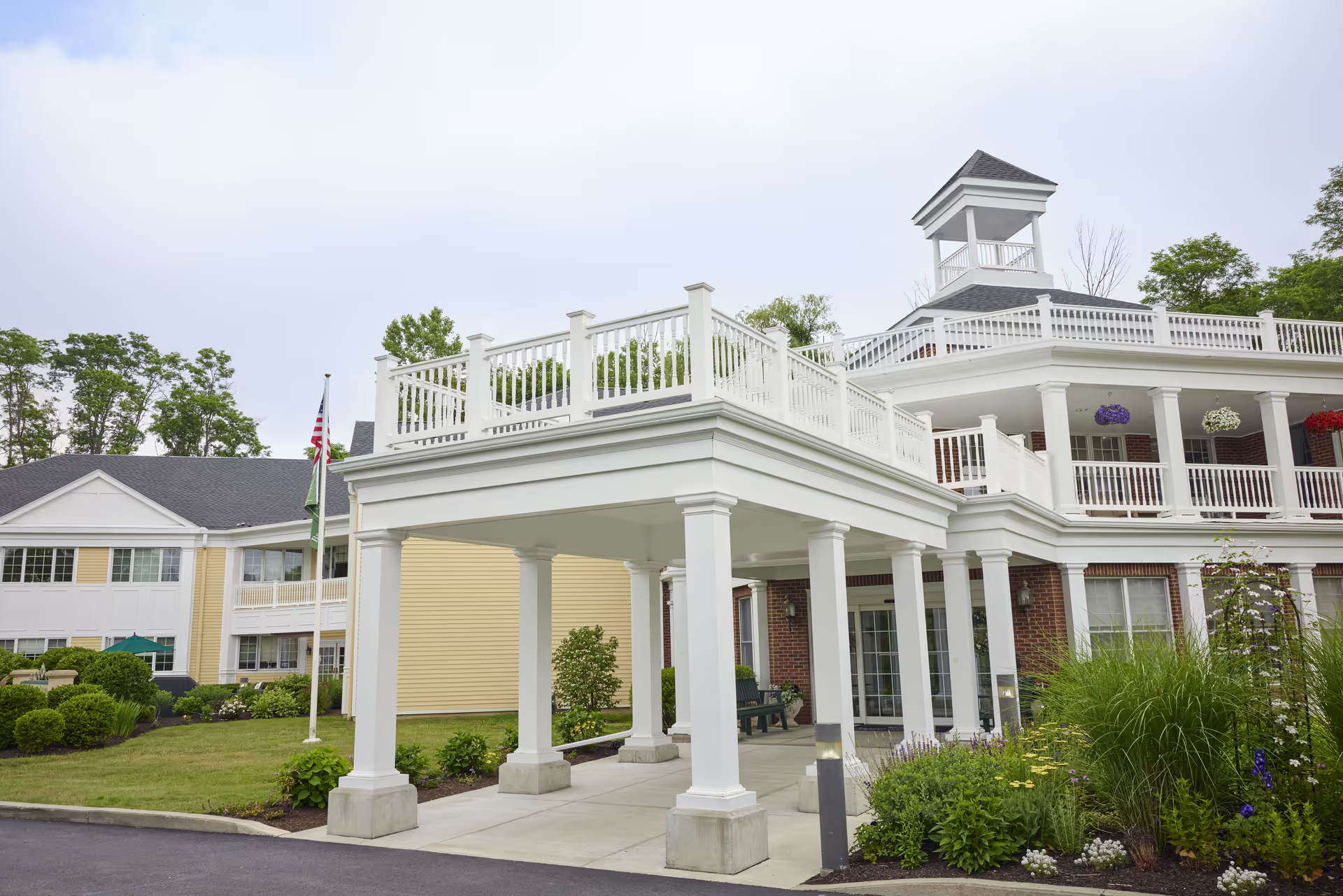
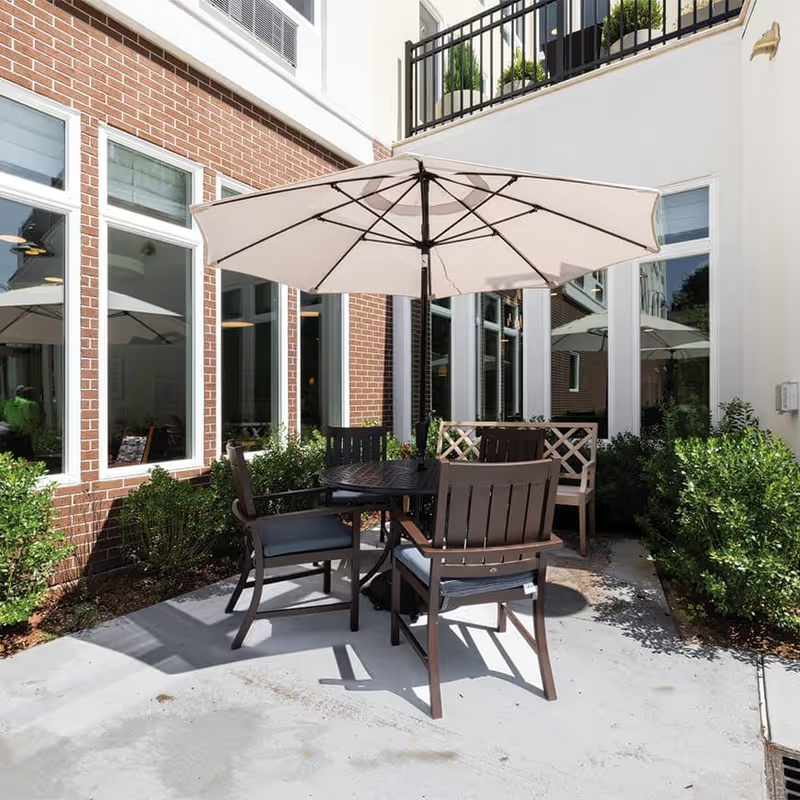
Reviews of Havencare at Litchfield Woods are highly polarized: many families praise frontline caregivers, therapy teams, and social services, while other accounts describe operational and clinical gaps that materially affect the resident experience. Positive accounts consistently highlight compassionate CNAs and nurses, a robust PT/OT program, helpful social workers, an active resident ambassador program, and generally clean, well-maintained facilities. Multiple reviewers described meaningful recreational programming and staff who personalize care and check in frequently, which several families said contributed to a pleasant short-term or long-term stay.
Clinical quality and safety received mixed feedback. Strengths include attentive rehabilitation staff and several nurses/CNAs who are described as caring and knowledgeable. Conversely, a number of reviews describe inconsistent clinical practices such as delayed medication administration, variable wound-care and hygiene practices, and episodic failures to respond promptly to call bells. These patterns point to gaps in clinical-process consistency and oversight rather than uniformly poor care; some units and shifts are described as exemplary while others are characterized as understaffed or rushed.
Staffing and management are frequent focal points. Reviewers frequently cited staffing shortages, staff compensation and retention pressures, and attendant no-shows that reduce available caregiver time. Families described positive unit-level staff relationships but also reported management-level communication problems, limited responsiveness to questions about care and placement, and what they perceived as unprofessional handling of administrative issues. Several highly concerning operational themes emerged: delays or barriers to obtaining adaptive equipment, burdens placed on families to purchase supplies, insurance-authorization challenges, and at least one billing dispute framed as a financial allegation. Together these indicate weaknesses in care coordination, supply management, and administrative transparency.
Dining, activities, and facilities are generally noted as strengths with some variability. The facility receives repeated praise for accommodating special diets, offering menu variety, and maintaining clean common areas. However, other reviewers described inconsistent meal quality and instances of poor meal delivery timing. Recreation and ambassador programs (named staff commonly praised) are seen as bright spots that support resident engagement. Lastly, safety and family-communication patterns surfaced as important considerations: concerns about roommate placement for medically vulnerable residents, restrictive phone/communication policies in certain circumstances, and uneven post-discharge follow-up were described. Prospective families should weigh the facility’s strong rehabilitation and frontline caregiving against documented operational inconsistencies, and consider direct discussions with leadership about staffing, equipment availability, billing practices, and communication protocols prior to placement.