Reviews describe a facility with clear strengths alongside notable operational challenges. Positive feedback highlights a warm admissions process, a welcoming communal environment with live piano music, and engaged social-work and therapy services. Nursing assistants and several nurses receive frequent praise for being caring and attentive; many families mention effective physical therapy, thorough admission paperwork and clinical checks, and an overall pleasant, smoke-free campus aesthetic.
Care quality appears mixed. Several reviewers praise direct-care staff for responsiveness, compassionate interactions, and appropriate medication timing; at the same time, a substantial number of accounts point to inconsistencies in staff responsiveness to call bells, delays in assisting with personal care and continence needs, and concerns about medication management and symptom control. There are also recurring references to lapses in rehabilitation continuity and clinical oversight that affected some residents' recovery trajectories.
Staffing and operations emerge as central themes. Multiple comments indicate insufficient staffing levels or heavy reliance on agency personnel, which reviewers connect to delayed assistance, missed meal delivery, and variable housekeeping. Related operational weaknesses include inconsistent room-level cleanliness, intermittent odor concerns in some areas, and variability in meal quality and timely delivery. Safety processes are another recurrent issue: reviewers describe falls and process gaps around transfers and supervision that suggest fall-prevention practices may need strengthening.
Dining and activities show a split pattern. Many families enjoy the meal variety, warmth of food when served on time, and the social atmosphere created by live music and open common spaces. Conversely, other accounts note late or missed meals, inconsistent meal delivery to rooms, and uneven food quality. Activities and communal spaces receive positive mention for their welcoming atmosphere and opportunities for social engagement.
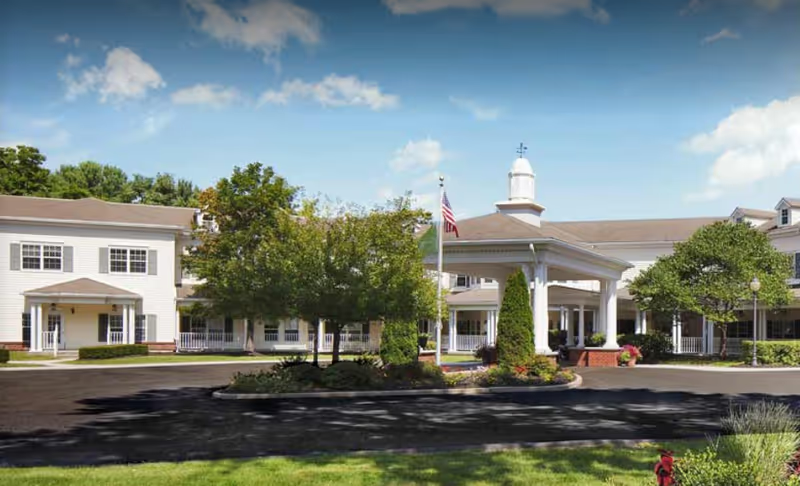
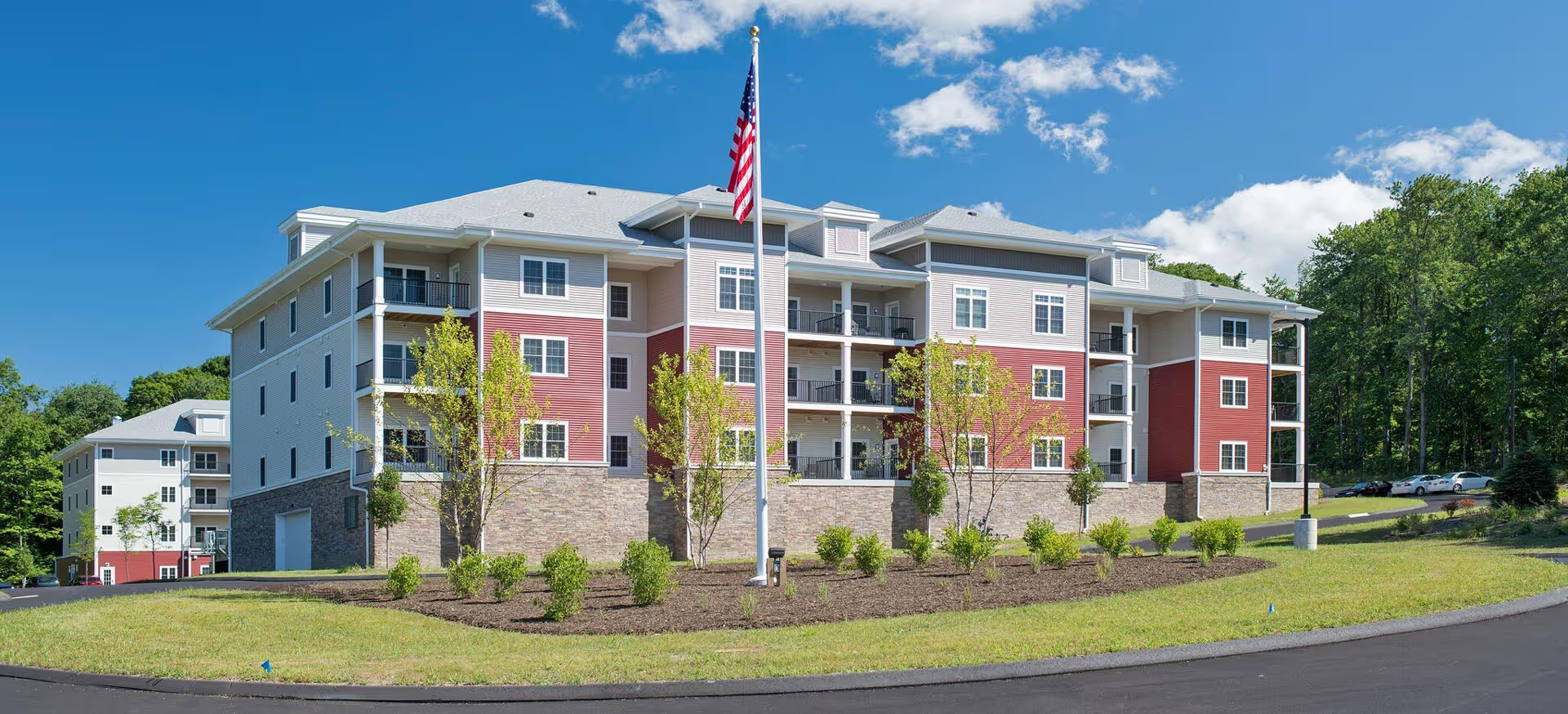
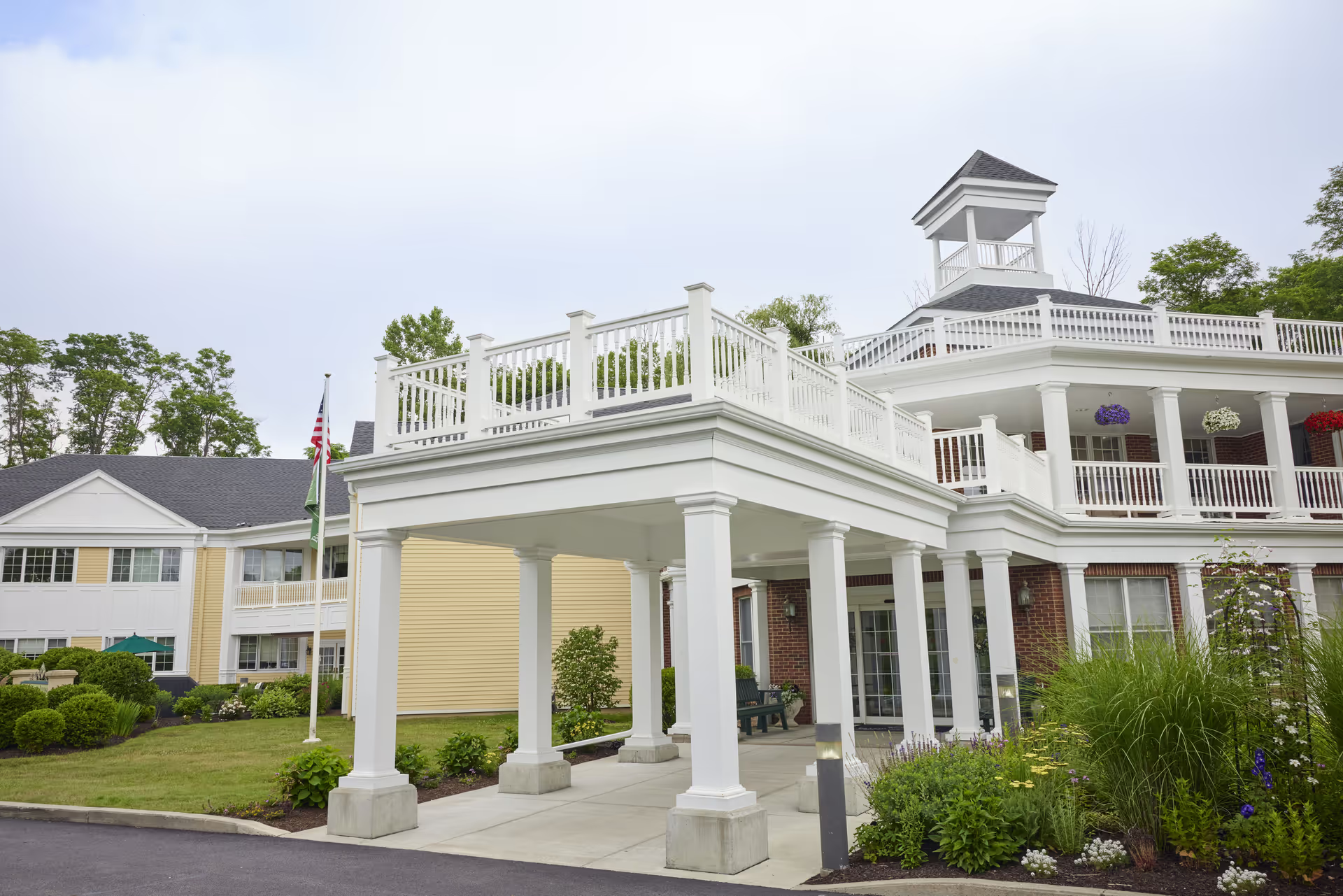
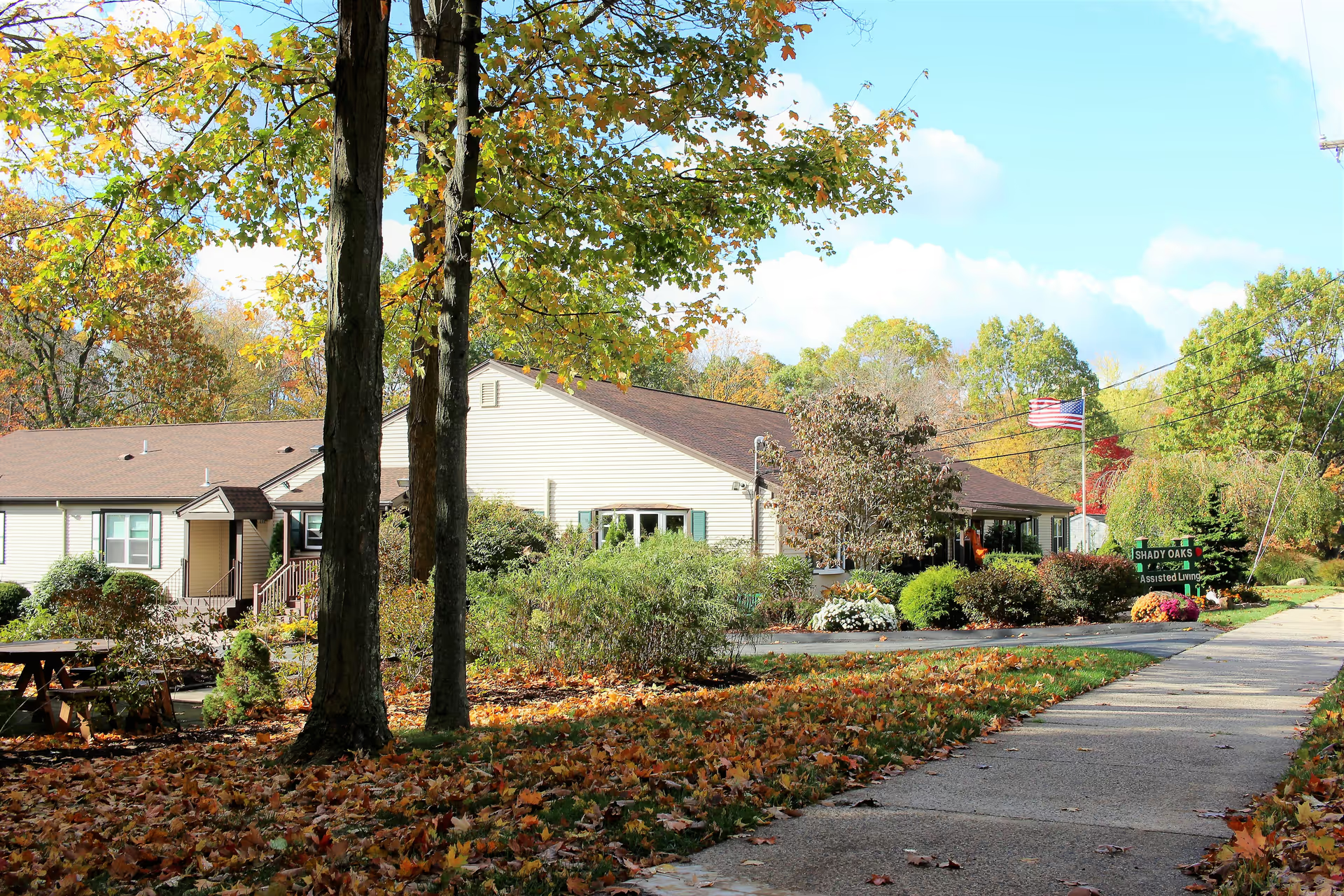
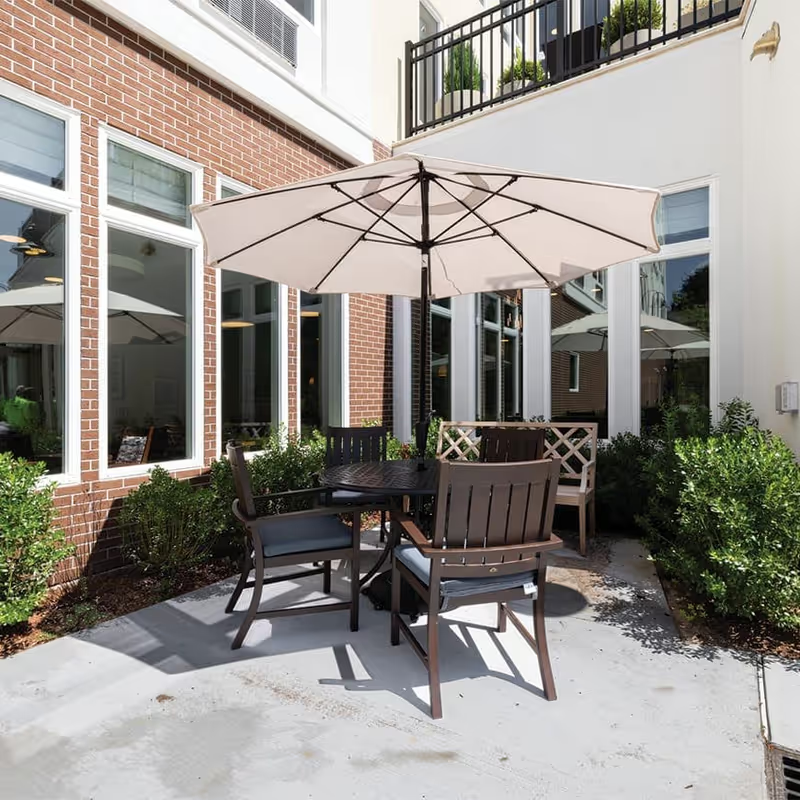
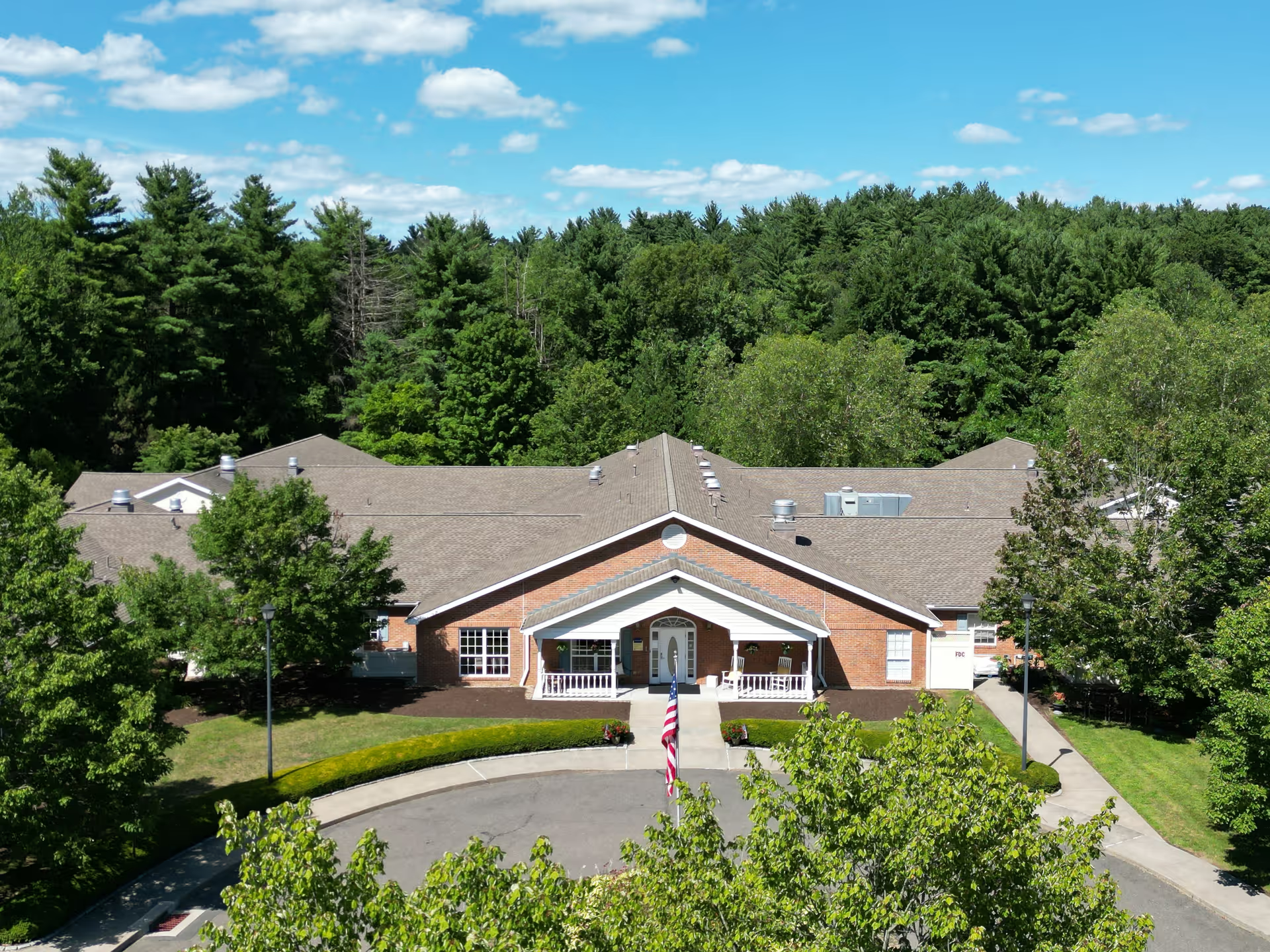
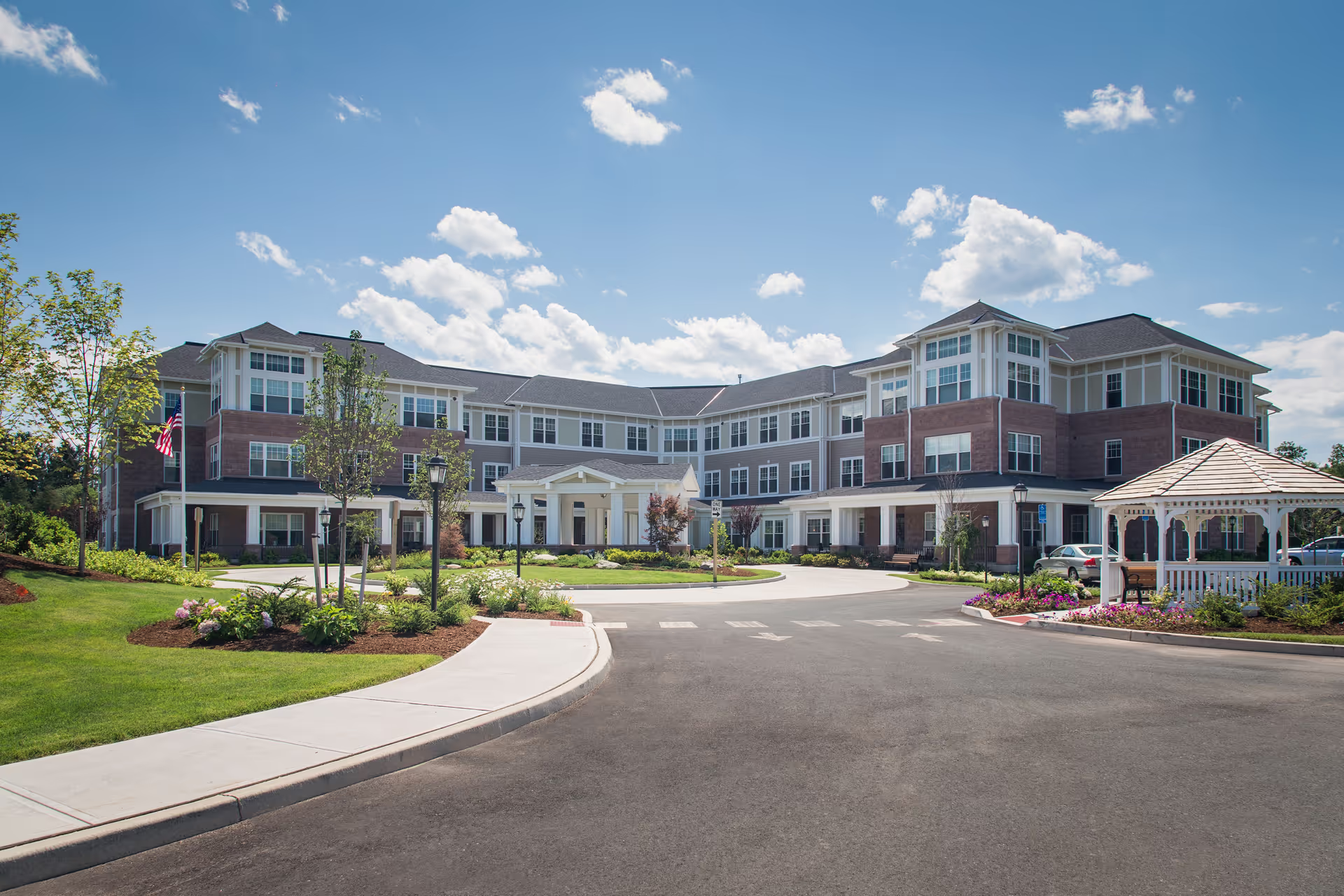
Facility appearance and housekeeping are described inconsistently. Common areas are often described as attractive and well-kept, but room-level cleanliness and housekeeping attention appear uneven across reports. Management and communication are frequently cited as areas for improvement: reviewers report difficulty getting timely responses from leadership, perceived lack of follow-through on complaints, and frustration with administrative responsiveness. There are also concerns about personal-property controls and procedures for handling missing items.
For prospective residents and families: this facility offers several meaningful strengths, especially in therapy services, social engagement, and a compassionate direct-care workforce. However, the pattern of concerns around staffing consistency, timely personal-care assistance, meal-service reliability, clinical oversight, safety processes, and management responsiveness suggests it is important to ask direct questions during a visit. Recommended topics to raise include current staffing ratios and use of agency staff, call-button response times and fall-prevention protocols, meal-delivery practices, sanitation and housekeeping schedules, medication-management oversight, procedures for safeguarding personal property, and recent infection-control measures and inspection history. Meeting the director, the director of nursing, and the social worker and observing care during different times of day can help clarify whether the facility’s strengths align with a prospective resident’s needs.