Vernon Rehabilitation and Healthcare Center elicits a broad range of experiences. The facility receives consistent praise for its rehabilitation services: families and former patients repeatedly highlight effective physical and occupational therapy, a well-equipped therapy gym, and positive functional outcomes. Admissions and social-work staff are often described as professional and helpful, and specific staff members receive frequent positive mention for their advocacy and coordination during transitions.
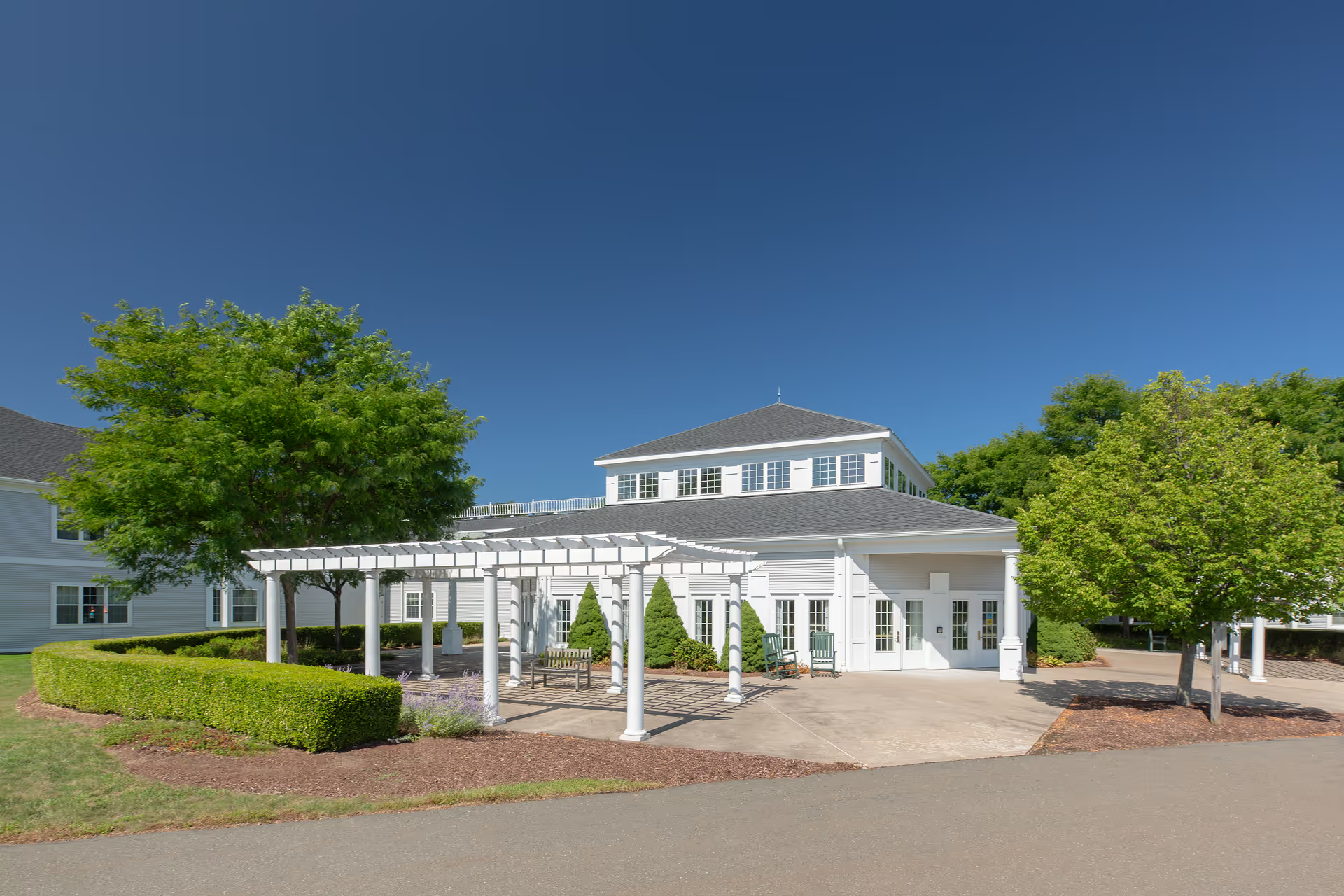
Direct-care staff (nurses and CNAs) are commonly described as compassionate, attentive, and skilled in day-to-day care tasks; ancillary departments such as laundry, housekeeping, and salon services also draw commendation for responsiveness. The building and grounds are frequently characterized as clean, tastefully furnished, quiet, and welcoming, and the facility's pet-friendly policy and family‑oriented culture are noted as strengths that support resident wellbeing.
Alongside these strengths, a set of operational shortcomings recurs across accounts. Staffing adequacy and consistency are the most common concerns: reviewers describe periods of understaffing, heavy reliance on agency personnel, and variability in care continuity and responsiveness. These staffing patterns are linked to delays in addressing personal-care needs and to variability in the tone and responsiveness of front-line interactions.
Dining and meal service are another frequent pain point. Many families report uneven food quality, small or inconsistent portions, missed items (drinks or extras), and variability in temperature and presentation. While some reviewers found meals acceptable or good, the inconsistency of meal delivery and portioning emerged as a theme that may affect nutritionally vulnerable residents.
Activity programming and social engagement are generally seen as positive when the program is active and staffed, with several reviewers praising the activity director and specific offerings. However, activity availability appears uneven across units or shifts; some families noted limited or no activity options for certain residents.
Facility-level maintenance and communication issues arise in multiple comments. While most accounts describe clean, well-kept spaces, a subset of reviews cites sanitation and maintenance lapses, noise problems, missing door hardware, and small room sizes. Clinical communication gaps are also noted: families report inconsistencies in updates about condition changes, medication adjustments, and infection-control or isolation status. There are also isolated concerns about safety and fall-risk management and about the handling of personal belongings and billing or administrative matters.
In sum, Vernon offers strong rehabilitative services, many caring and dedicated staff, and generally well-maintained, welcoming spaces. Prospective residents and families should balance those strengths against operational risks tied to staffing consistency, meal-service reliability, clinical communication, and occasional maintenance or safety issues. Visiting in person, meeting key admissions and clinical staff, and asking about current staffing patterns, meal schedules, activity programming, and communication protocols will help determine whether the facility’s current operational status aligns with a particular resident’s needs.