Overall impression: Reviews describe a facility with committed frontline caregivers operating within significant operational constraints. Many accounts highlight positive interactions with nurses and aides, who are frequently characterized as doing their best for residents. At the same time, reviewers identify persistent systemic issues that affect care delivery, environment, and family confidence.
Care and staff: Feedback indicates that bedside staff — particularly nurses and aides — are often viewed as compassionate and attentive when present. However, chronic understaffing is a recurring theme and is linked to delays in responding to resident needs, gaps in basic care processes, and insufficient supervision. Concerns were also raised about the facility’s ability to provide specialized services: there is limited capacity for 24-hour nursing oversight, dementia-specific supports, and hospice-level care. Some reviewers expressed unease about medication management, including the role of off-site prescribers; allegations regarding psychiatric prescribing by a named physician were mentioned and merit follow-up by families and regulators.
Infection control and supplies: Multiple comments referenced shortages of personal protective equipment and related infection-control resources, creating anxiety about preparedness—particularly in the context of accepting infectious patients. These descriptions suggest gaps in supply-chain management and pandemic-response protocols that prospective families should clarify with administration.
Dining and activities: Dining impressions are mixed to unfavorable. Food quality was described as mediocre or inconsistent, and some reviewers indicated interruptions or dissatisfaction with meal service. Activity programming was described as limited; reviewers perceived insufficient engagement options for residents, which reduces opportunities for socialization and cognitive stimulation.
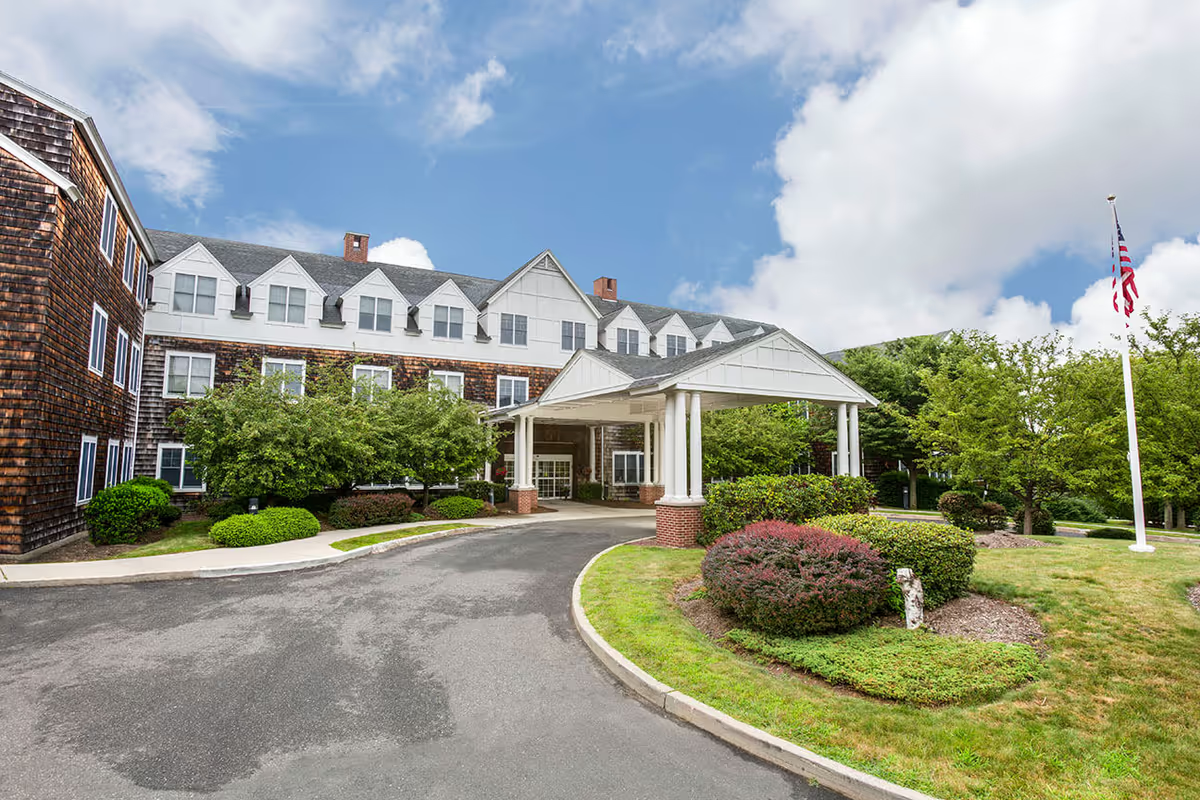
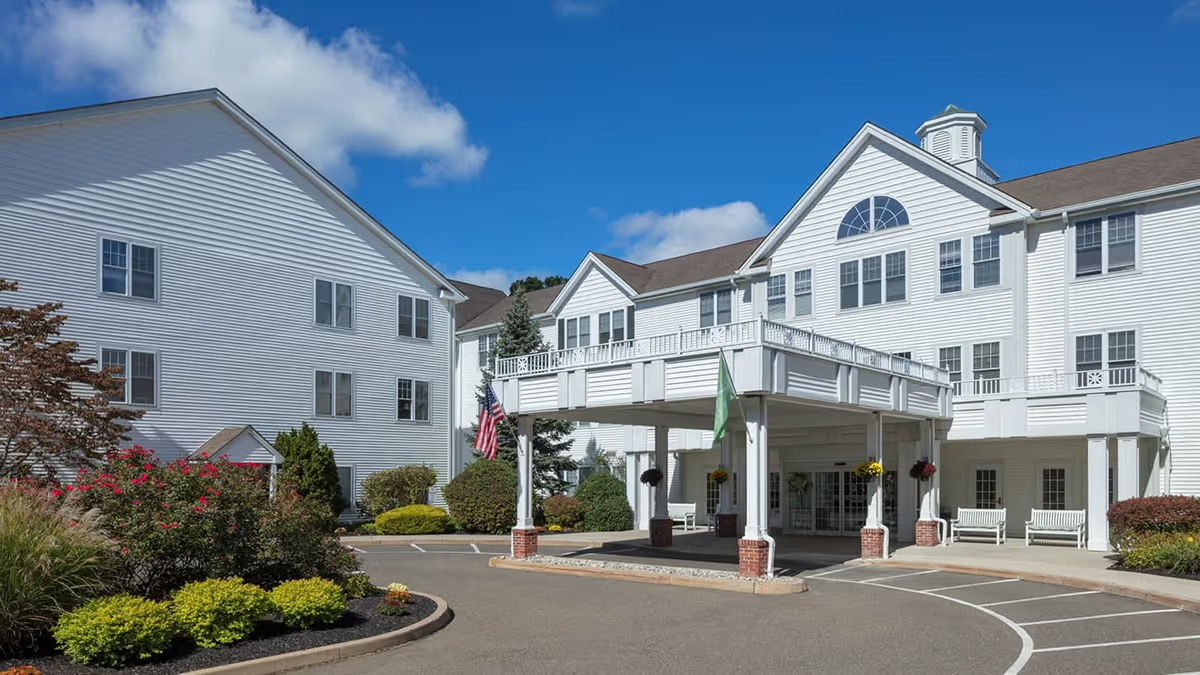
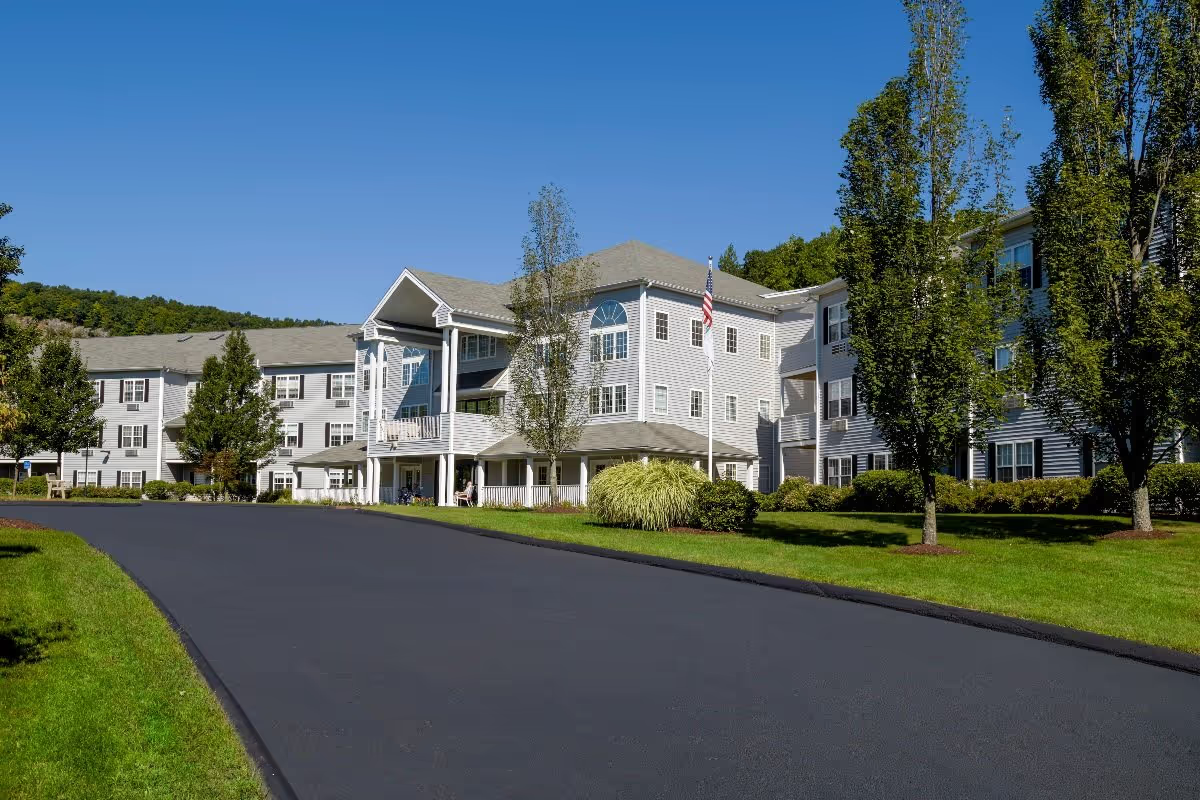
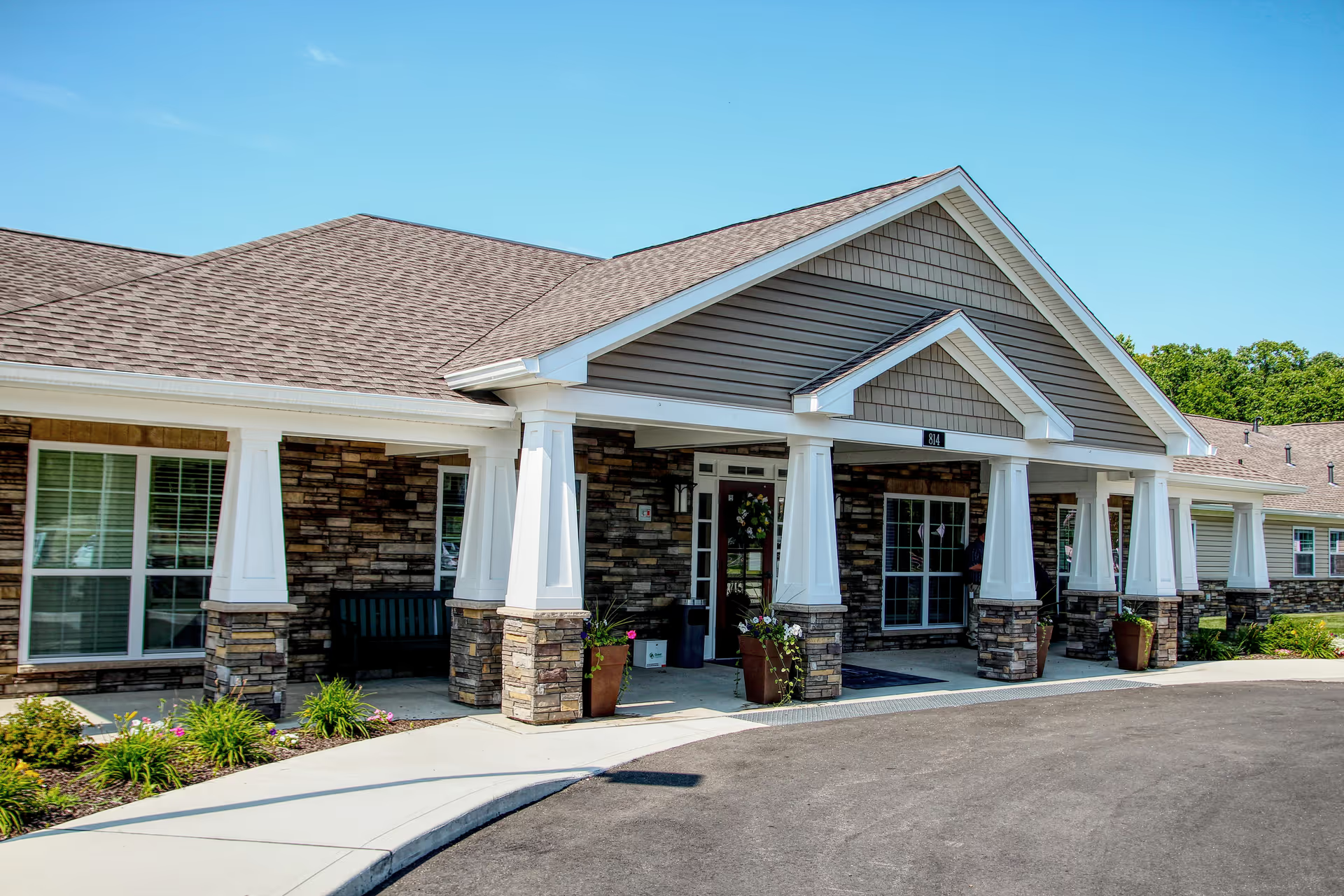
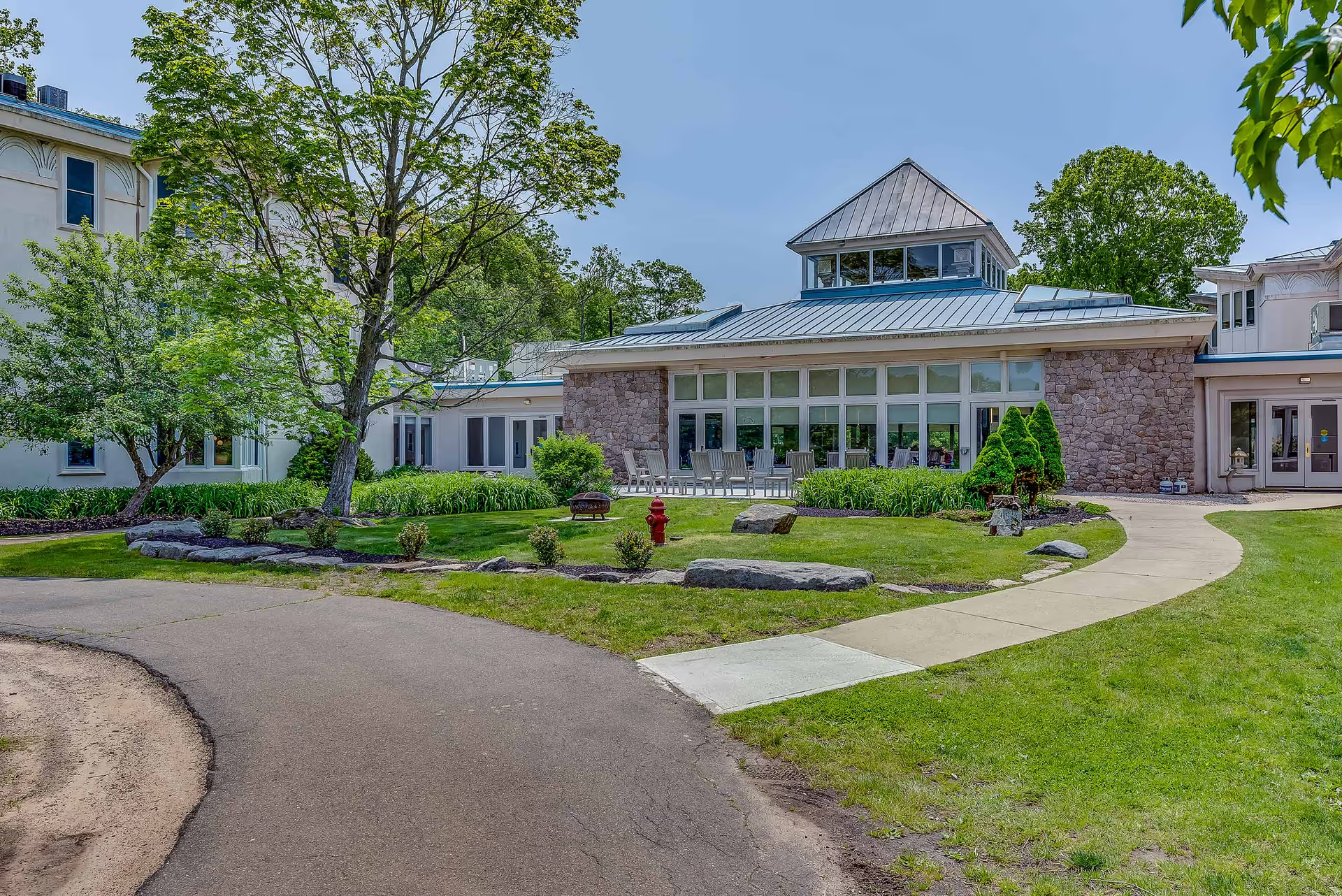
Facility environment and housekeeping: Reviewers cited sanitation and housekeeping concerns, including persistent odors in common areas and visible maintenance needs. The building is described as dated, dark, and in need of repair or updating. These comments point to deferred maintenance and possible staffing shortages in environmental services.
Management and oversight: A common pattern is limited managerial supervision. Families reported slow administrative responses to concerns and perceived a lack of proactive oversight. Observations of many empty beds were interpreted by some as a sign of turnover or occupancy issues, though that is circumstantial. Reviewers also called for greater administrative involvement and support, including improved communication and acceptance of external donations or assistance.
Notable patterns and advice for families: The dominant pattern is a distinction between the quality of individual caregivers (generally positive) and facility-level systems (problematic). Prospective residents and family members should ask detailed questions about staffing ratios, infection-control protocols and PPE availability, medication-prescribing practices and oversight, specific clinical services (dementia, hospice, 24-hour nursing), housekeeping schedules, activity calendars, and planned capital improvements. Consider arranging an on-site tour, reviewing inspection records, and requesting clarification about off-site medical providers to corroborate or allay the recurring concerns described above.