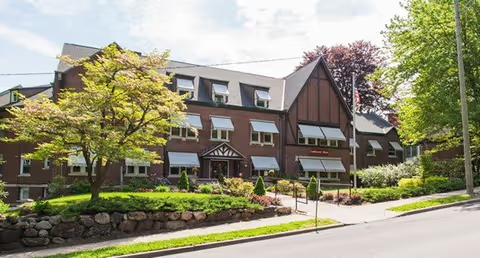
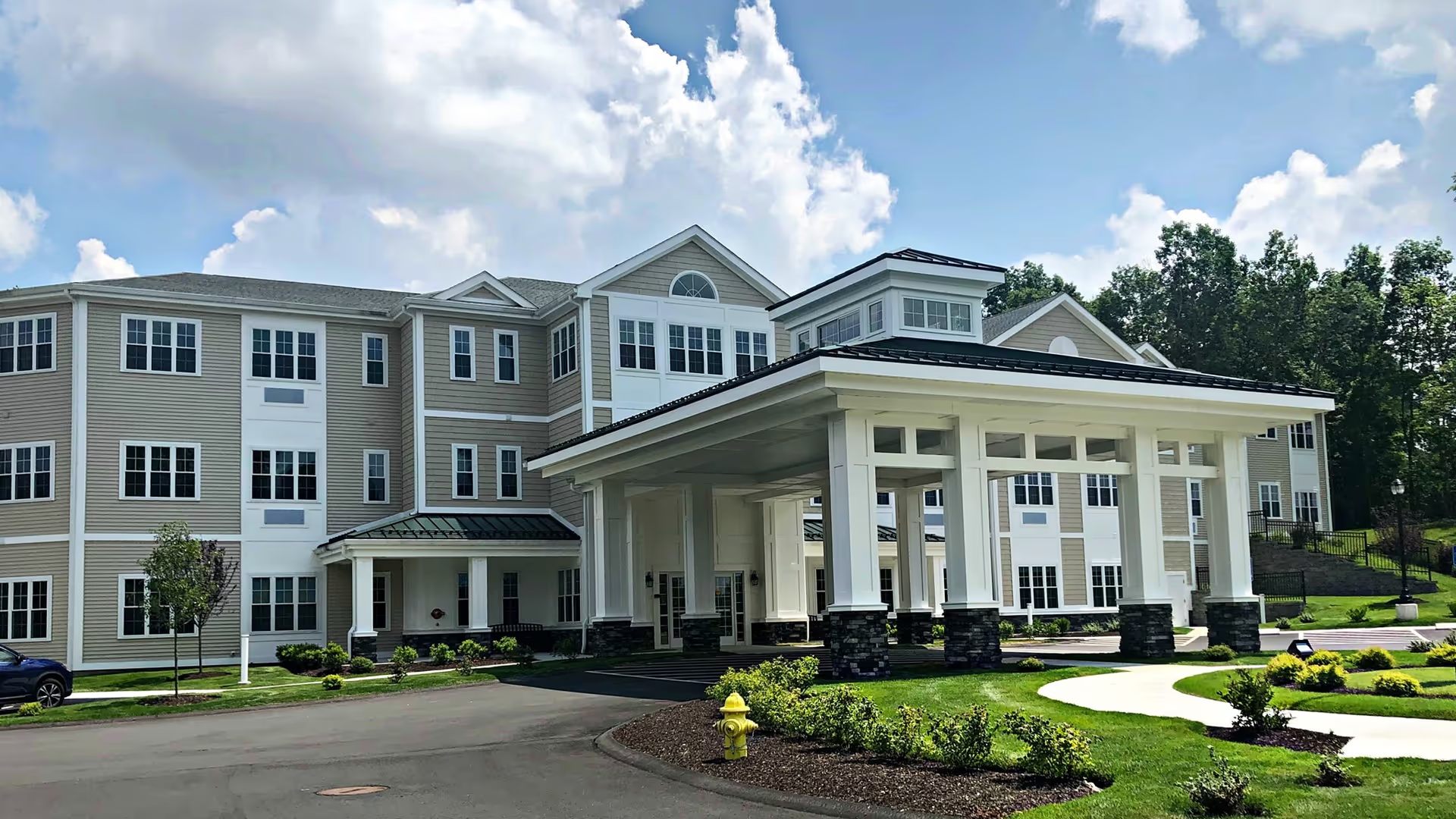
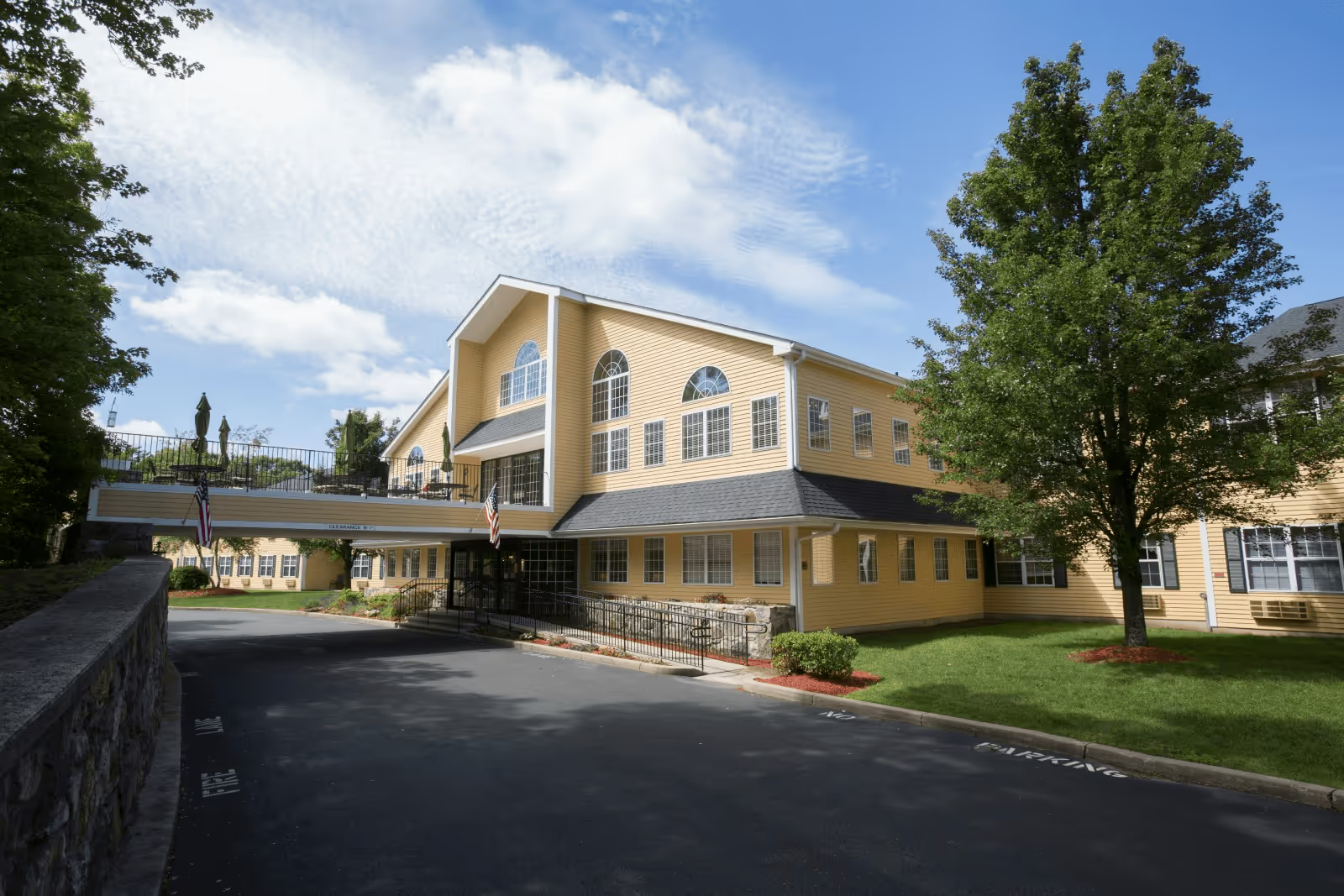
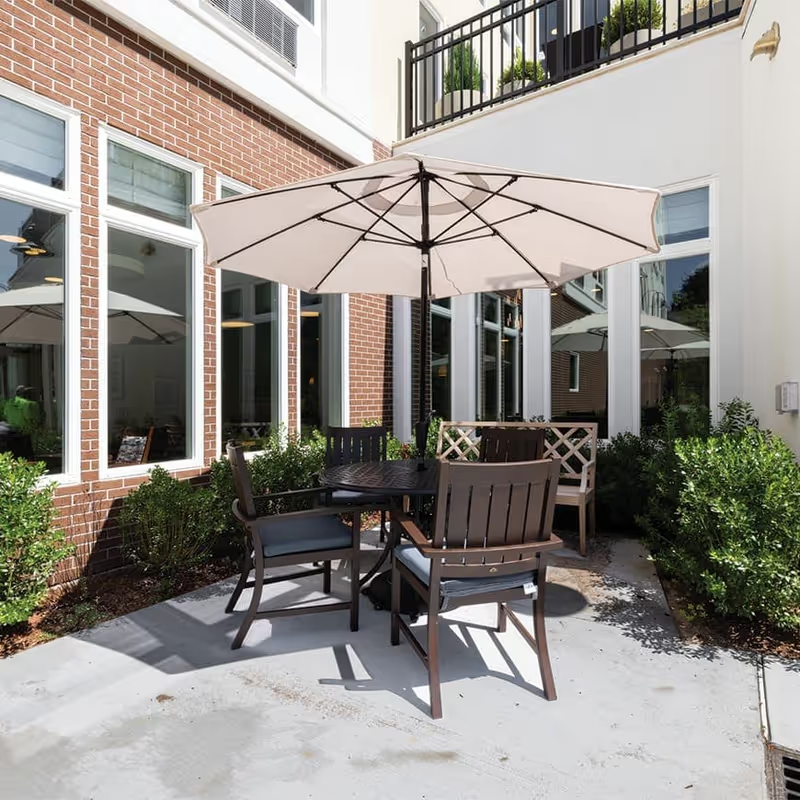
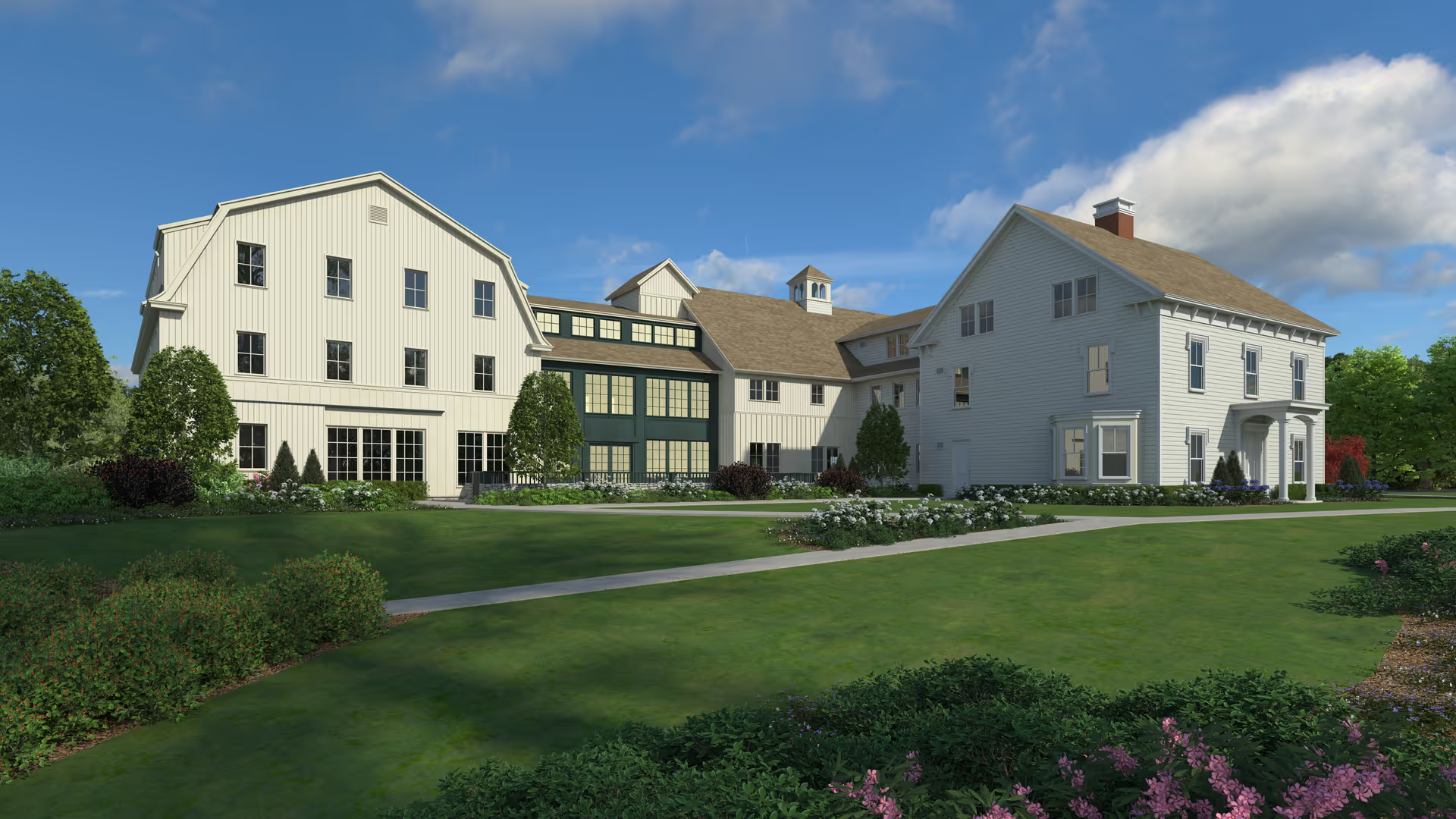
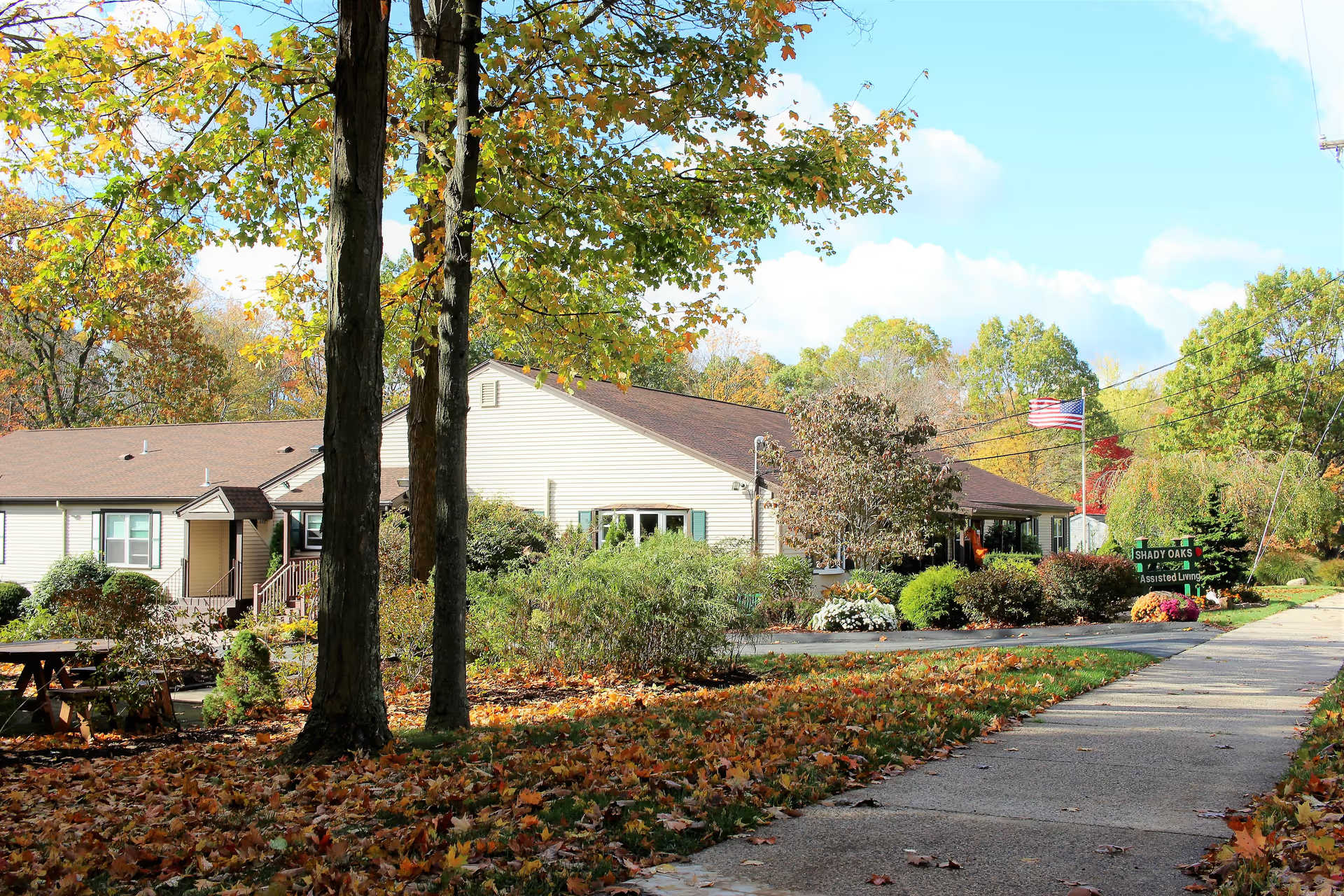
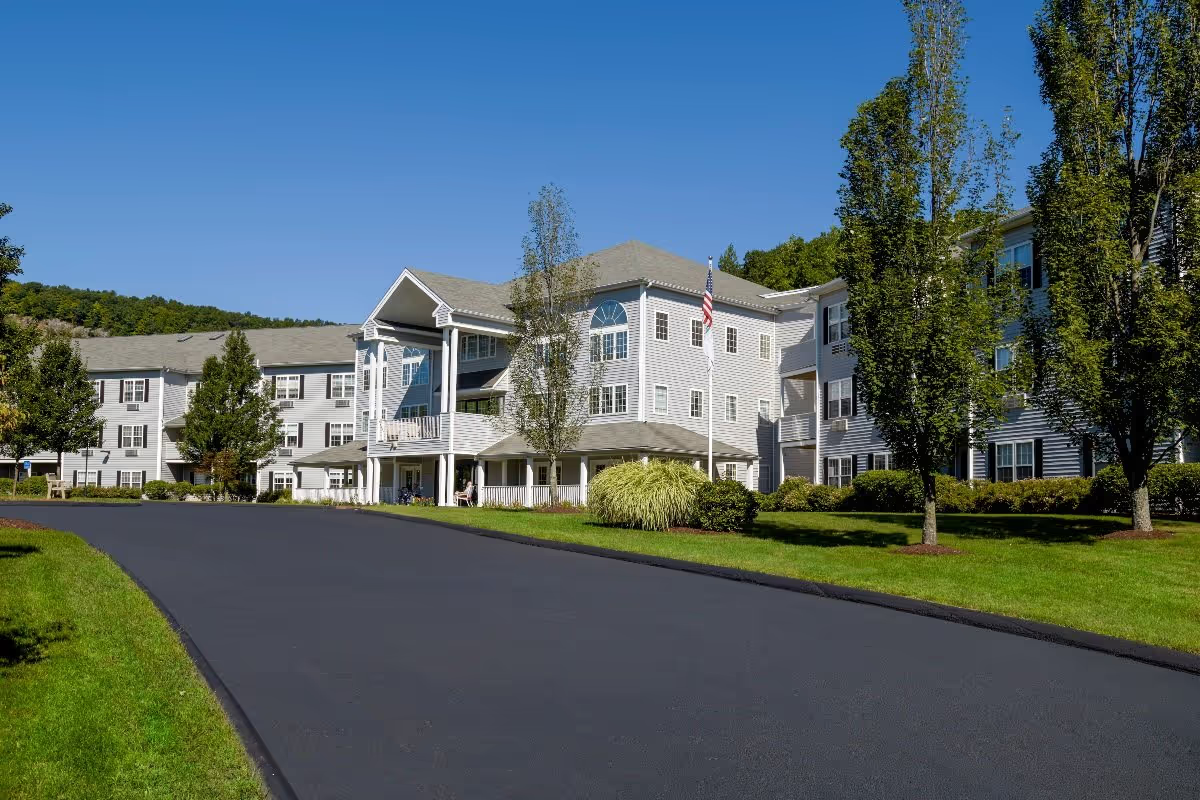
Autumn Lake Healthcare at Bucks Hill elicits strongly mixed impressions. A substantial number of reviewers praise the facility’s clinical teams—particularly physical and occupational therapists—and describe meaningful rehabilitation progress, successful short-term discharges, and individualized therapy plans (including prosthetic care). Across many accounts, direct-care staff, nurses, and therapy personnel are characterized as compassionate, encouraging, and effective; admissions and front-desk staff are frequently described as welcoming and helpful. The building’s recent renovations, clean common areas, and outdoor visiting spaces are repeatedly cited as positives that contribute to a pleasant, family-friendly environment.
At the same time, a distinct set of operational weaknesses appears with some frequency. Staffing levels and shift coverage are inconsistent, producing slower response times and uneven resident assistance. Reviewers point to variability in staff conduct and professionalism: while many staff are described as attentive and kind, experiences with tone, punctuality, and room-entry etiquette are inconsistent. Clinical-monitoring gaps are another recurring theme—examples include missed or delayed vital-sign checks, incomplete documentation, and care lapses that reviewers connect to pressure-ulcer development and wound management challenges. These items suggest opportunity for stronger clinical auditing and care-plan oversight.
Dining and housekeeping show a split picture. Several families compliment dietitians and custom diet accommodations, and some meals are described as very good; others report incorrect tray deliveries, cold or poor-quality items, and inconsistent adherence to special diets. Housekeeping and sanitation performance is likewise inconsistent: many reviewers note clean, odor-free renovated areas, while others report lapses in room cleaning frequency and incontinence-care responsiveness. Personal-item handling and security emerge as an operational concern as well, with a number of families reporting lost or missing belongings and requests for clearer inventory and sign-out procedures.
Communication and leadership practices are another area of variability. Some reviewers describe responsive directors and managers who follow up on clinical concerns; others describe slow callbacks, limited follow-through, and administrative tone problems. The facility’s phone and internal-communication systems have been flagged as outdated or restrictive, which can complicate family contact. A few reviews raise questions about billing and insurance processes, suggesting the need for clearer financial communication and consent pathways.
Activities and social programming receive generally positive remarks: residents often experience improved social engagement, regular group activities, and a welcoming recreation area. End-of-life care is also specifically praised in several accounts for being compassionate and family-centered. Overall, the pattern across reviews indicates that Autumn Lake Bucks Hill has substantial strengths in therapy, interpersonal caregiving, and facility presentation, but also operational inconsistencies—particularly around staffing, clinical monitoring, housekeeping, communication, and personal-item controls. Prospective residents and their families should prioritize in-person discussions about staffing ratios, care-plan monitoring, special-diet procedures, personal-property policies, and point-of-contact expectations during the decision process.