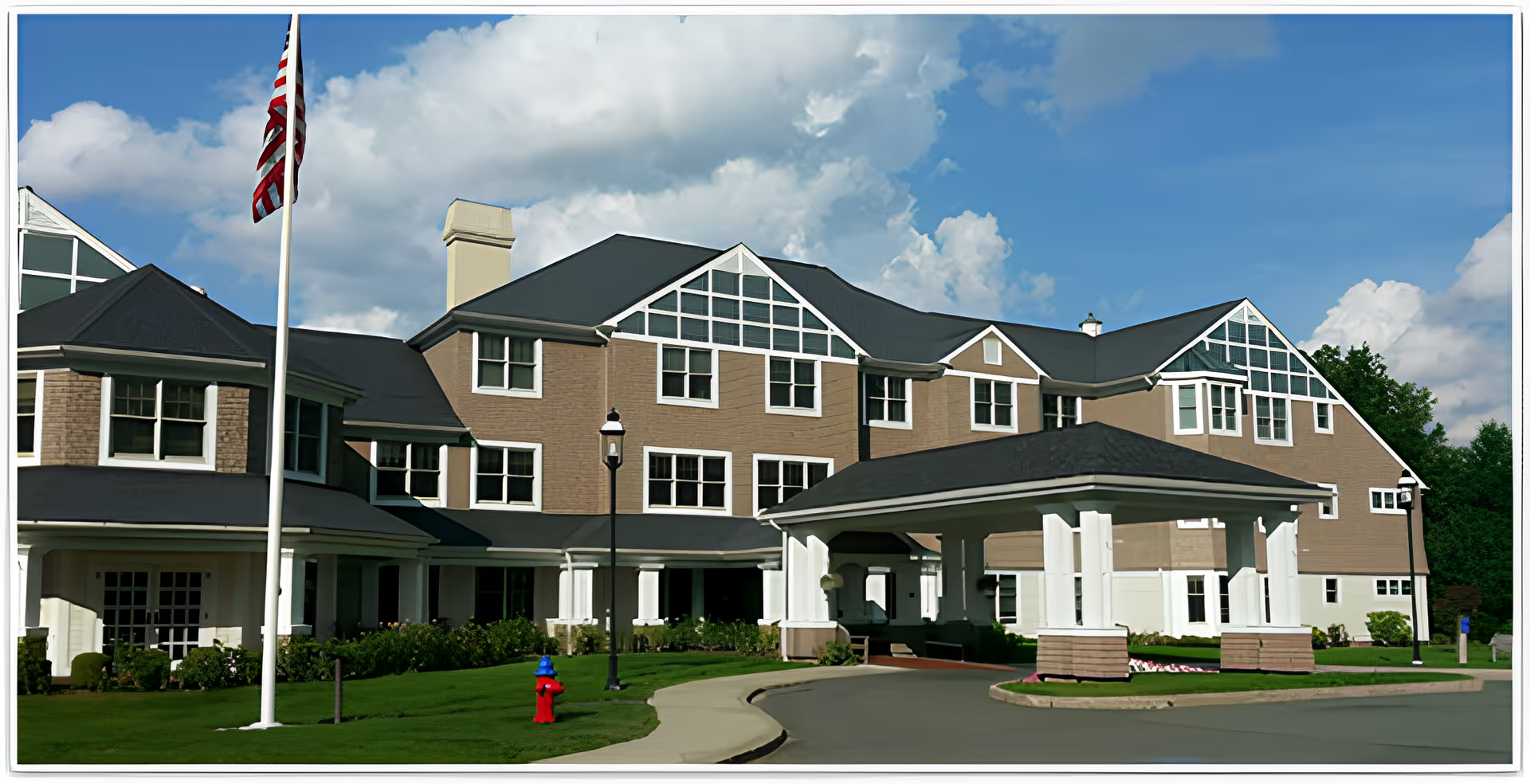
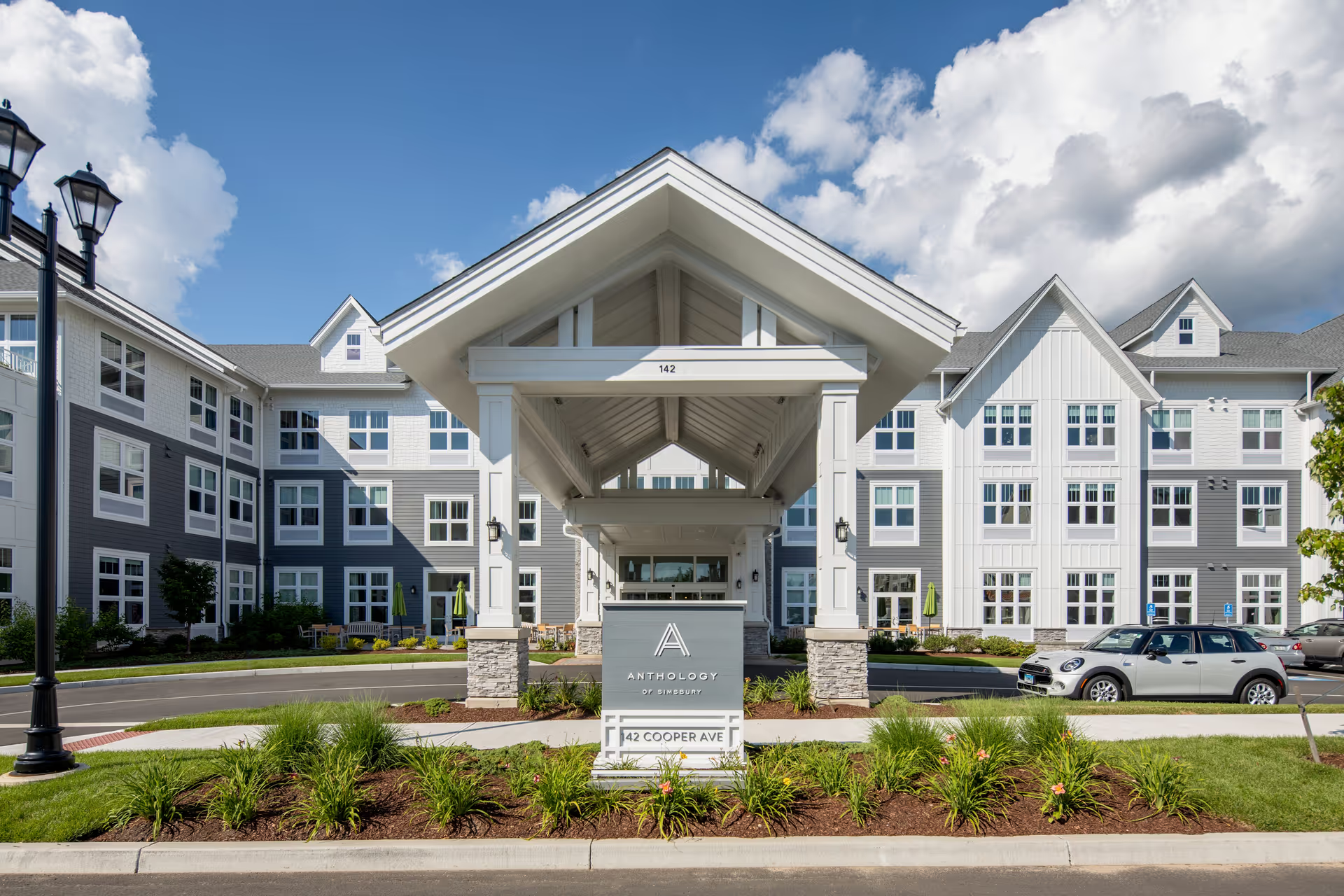
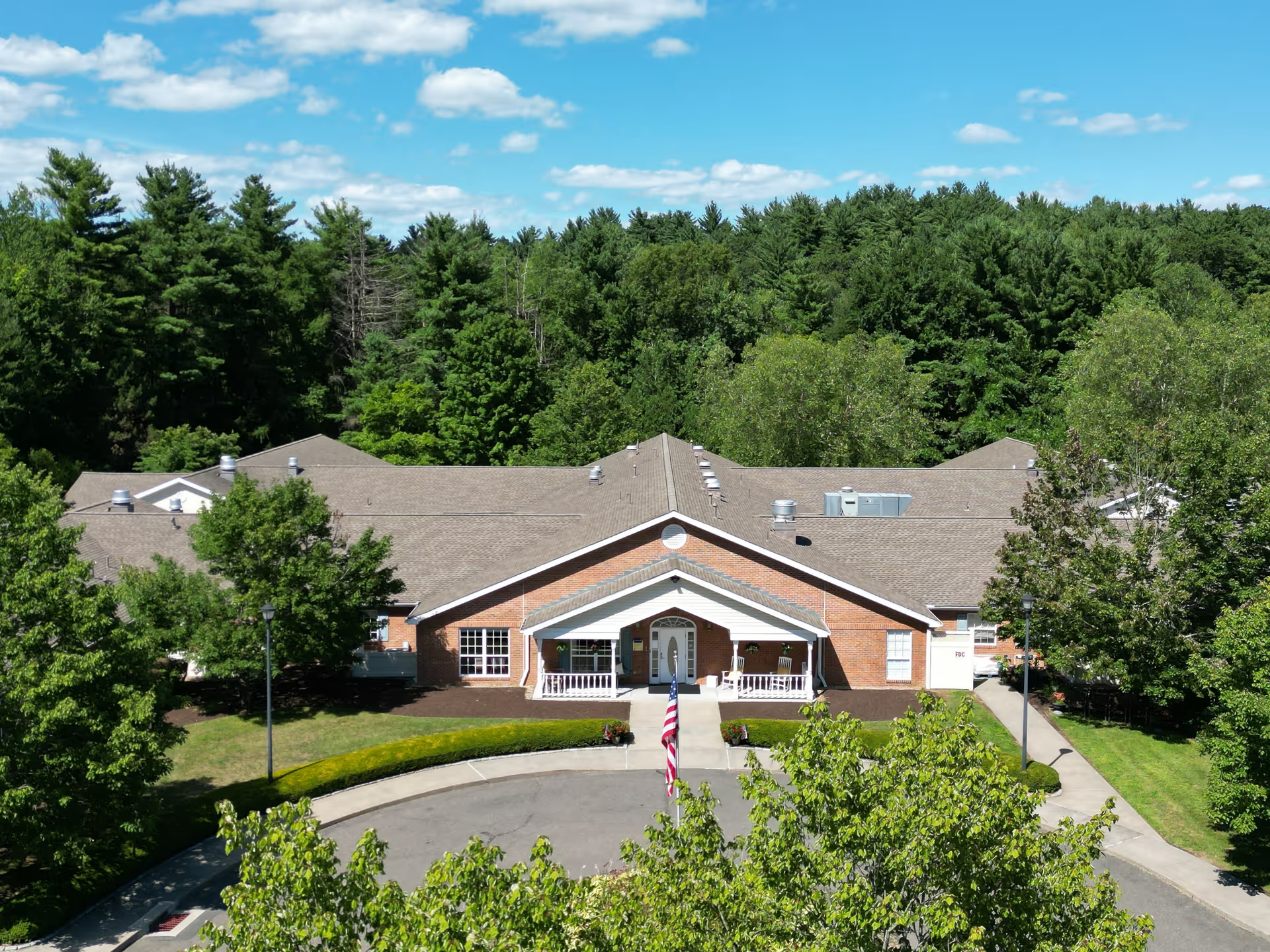
Brookdale West Hartford presents as a well-appointed, small-scale assisted living community with many strengths families value. The physical plant is frequently described as clean, recently renovated in many units, and attractive: bright apartments, kitchenettes, updated bathrooms, patios and sunrooms, and inviting common spaces such as a large dining room, library and courtyard. Unit sizes range from studios to multi-bedroom apartments, which supports different levels of independence. Location near hospitals and the university is a convenience noted by several families.
Care and staffing are central to the facility’s positive reputation. Reviewers commonly highlight warm, compassionate caregivers, attentive nursing staff, and round-the-clock clinical coverage. The community offers a dedicated memory-care program with engaged activity staff and a family-like atmosphere that many families find reassuring. On-site services (therapy, podiatry, beauty services), organized transportation, and respite options add operational flexibility for families.
Dining and activities are prominent features. Many accounts describe good meals, nutrition oversight, live music, weekly activity calendars, socials, outings, and frequent small-group or one-on-one engagement opportunities. These programs contribute to social connection and resident satisfaction for people who participate. At the same time, there is variability in meal experience over time: some families praise the food and menu variety while others note declines in quality or limited menu flexibility, particularly for special diets.
Several operational patterns merit attention. Staffing levels and responsiveness appear inconsistent at times; families described slower response times, limited off-hours management availability, and the need for advocacy to secure timely attention. Documentation and consistency of basic personal-care tasks (for example scheduling and recording showers or other routines) were raised as concerns. Cleanliness and maintenance are generally good, but intermittent lapses were noted by some families. Apartment footprints and storage can be limited relative to independent-living expectations, and a few residents seeking the ability to cook, do laundry, or maintain a more autonomous household found the apartments too small or the service model insufficient.
Financial transparency and management communication were recurring themes. The community offers a mix of flat-room pricing plus a la carte options; families should expect that the a la carte model can increase out-of-pocket cost and ask for line-item estimates. Transition periods, such as leadership or dietary staff changes, have produced uneven experiences for some residents. Infection-control policies during pandemic periods affected visitation, meal routines, and activities; those procedural constraints influenced perceptions of responsiveness and quality. Finally, memory-care outcomes appear variable: while many families describe warm, engaging staff and appropriate programming, others experienced difficulty achieving meaningful engagement for specific residents.
Overall, Brookdale West Hartford is characterized by strong interpersonal caregiving, attractive facilities, and an active activities program, combined with operational variability in staffing consistency, meal execution, recordkeeping, and pricing transparency. Prospective residents and families would benefit from an in-person tour, a sample meal, a review of current staffing levels and care-plan documentation, and a written cost estimate that includes likely a la carte charges before making a placement decision.