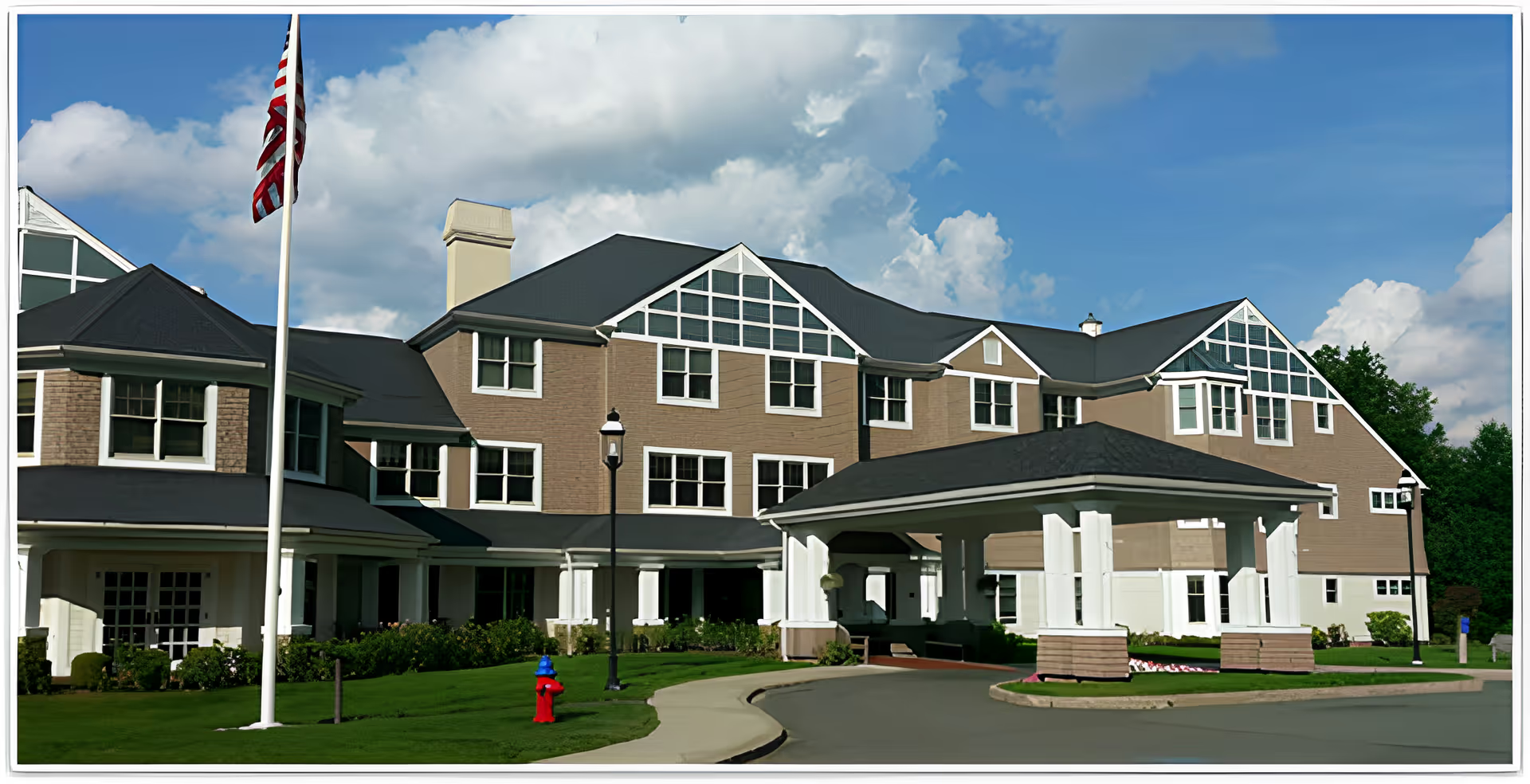
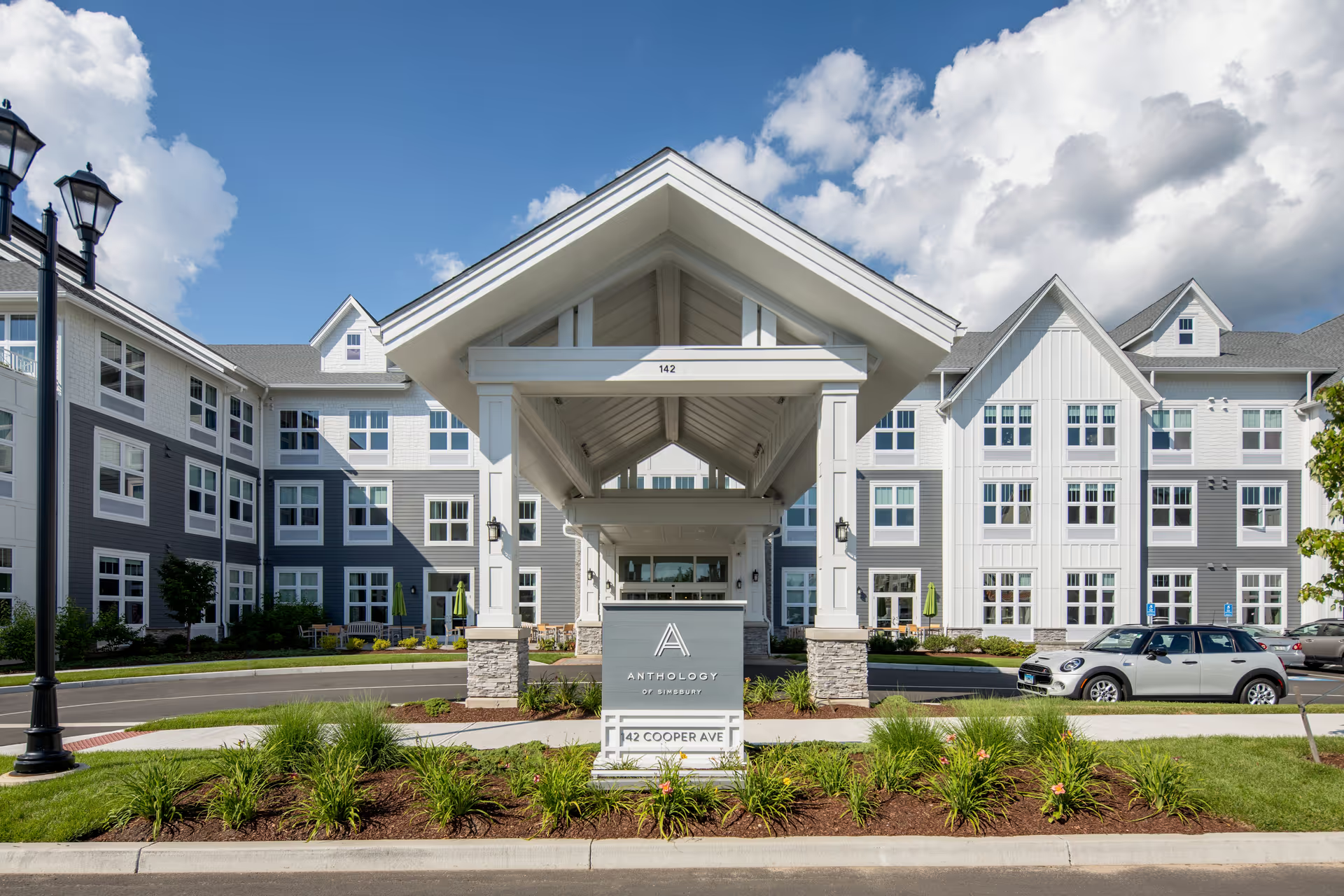
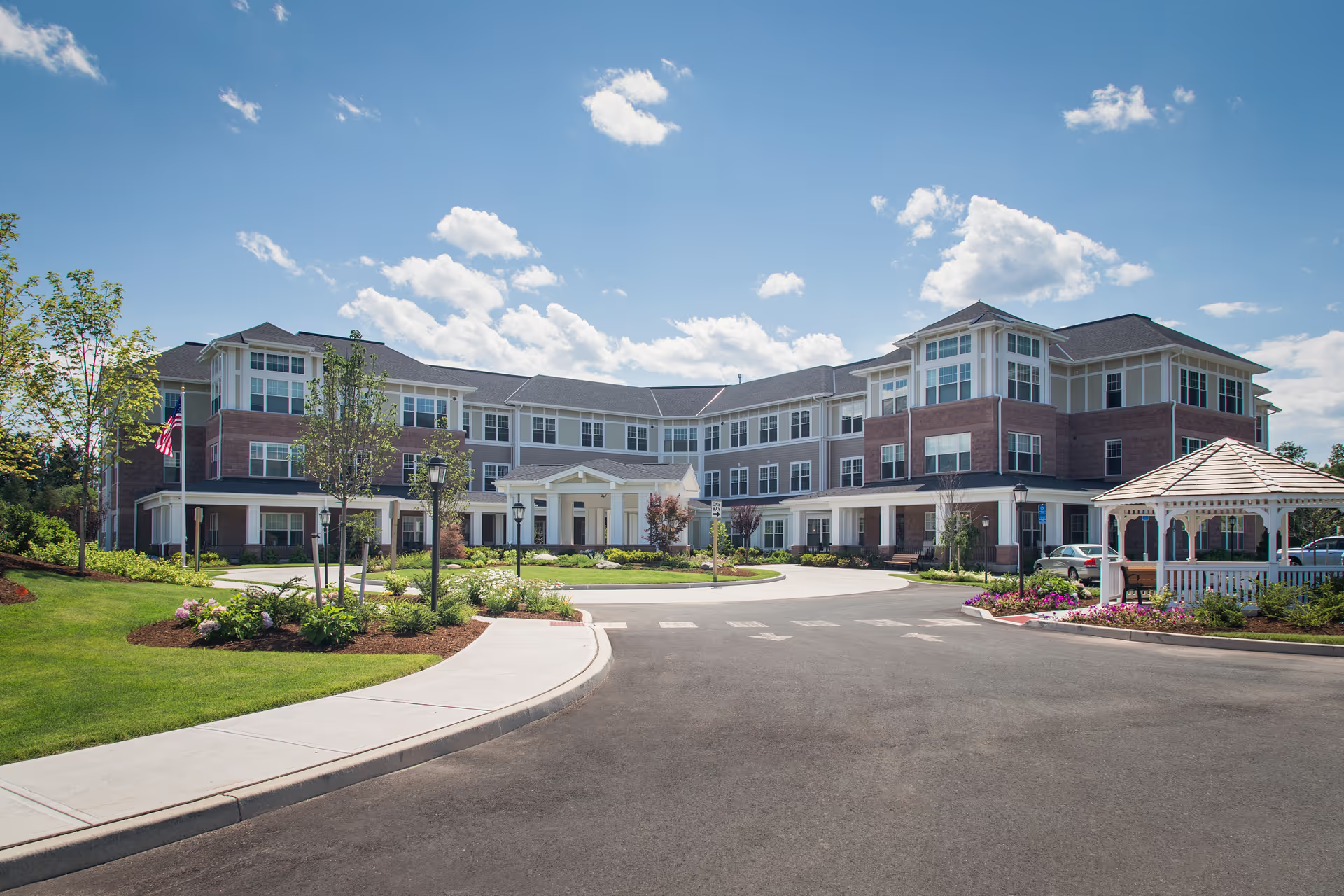
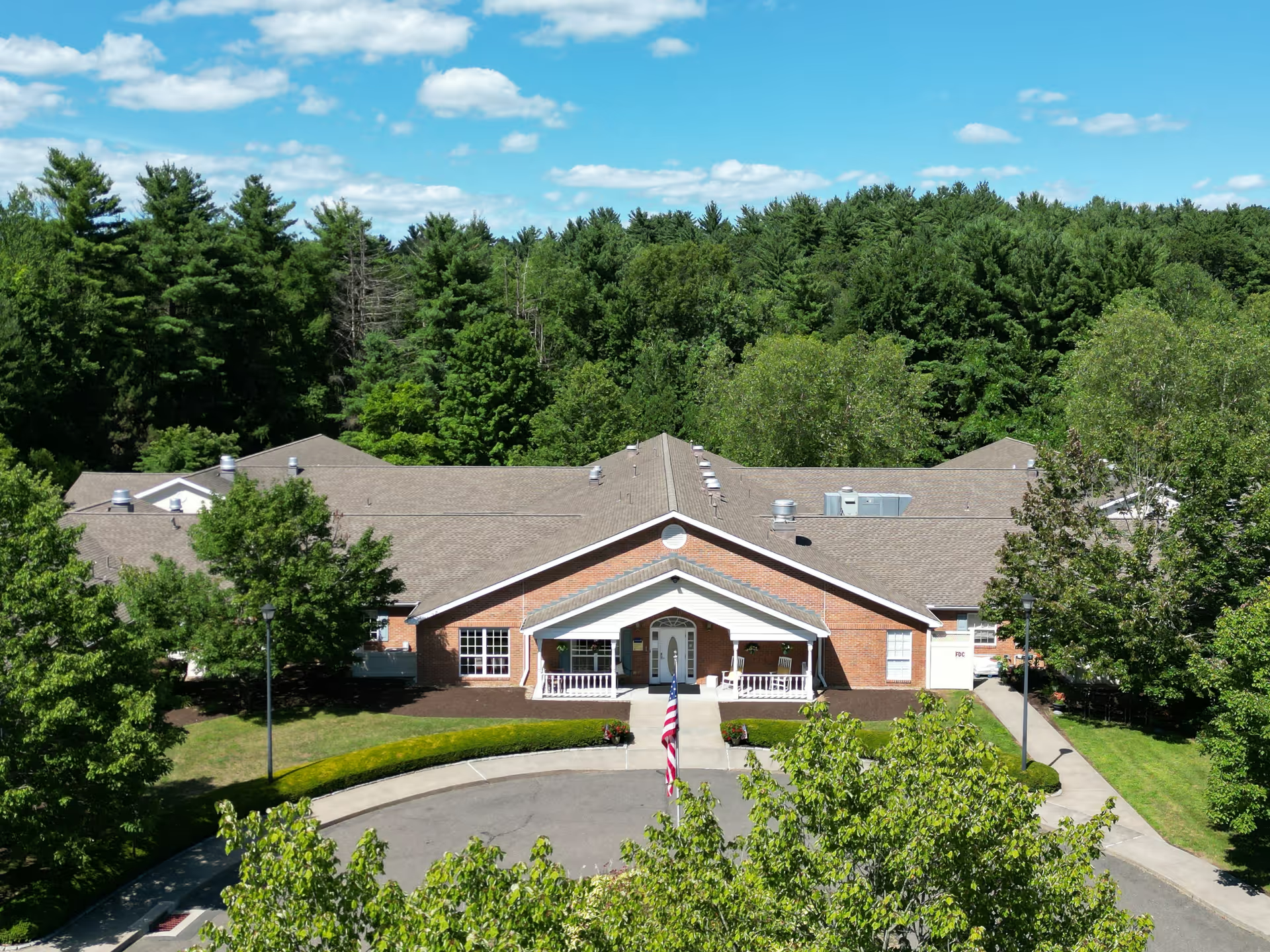
The reviews present a complex, mixed picture of Complete Care at Kimberly Hall North. A consistent strength across many accounts is the frontline caregiving team: families frequently describe staff as compassionate, attentive, and emotionally supportive. Admissions, social work and care-planning staff are often singled out for making transitions smoother, providing clear paperwork and timely responses. The facility's skilled therapy programs — physical and occupational therapy — receive repeated praise for effective, encouraging work that in many cases produced measurable mobility gains. Memory-care programming, social activities (music, puzzles, family nights), spiritual services and pet interaction are commonly cited as assets that create a family-like community and meaningful engagement for residents.
At the same time, the reviews identify several operational weaknesses that recur across different accounts. Medication management and pharmacy coordination emerge as a notable concern, with examples implying missing doses, dosing errors, and inconsistent administration processes. Discharge planning and aftercare coordination are also flagged: families describe delayed or incomplete discharge paperwork, inadequate arrangements for in-home services or insurance coordination, and readmissions for post-discharge infection or clinical deterioration. Those process gaps appear to amplify clinical risk for some residents and create considerable stress for families managing transitions.
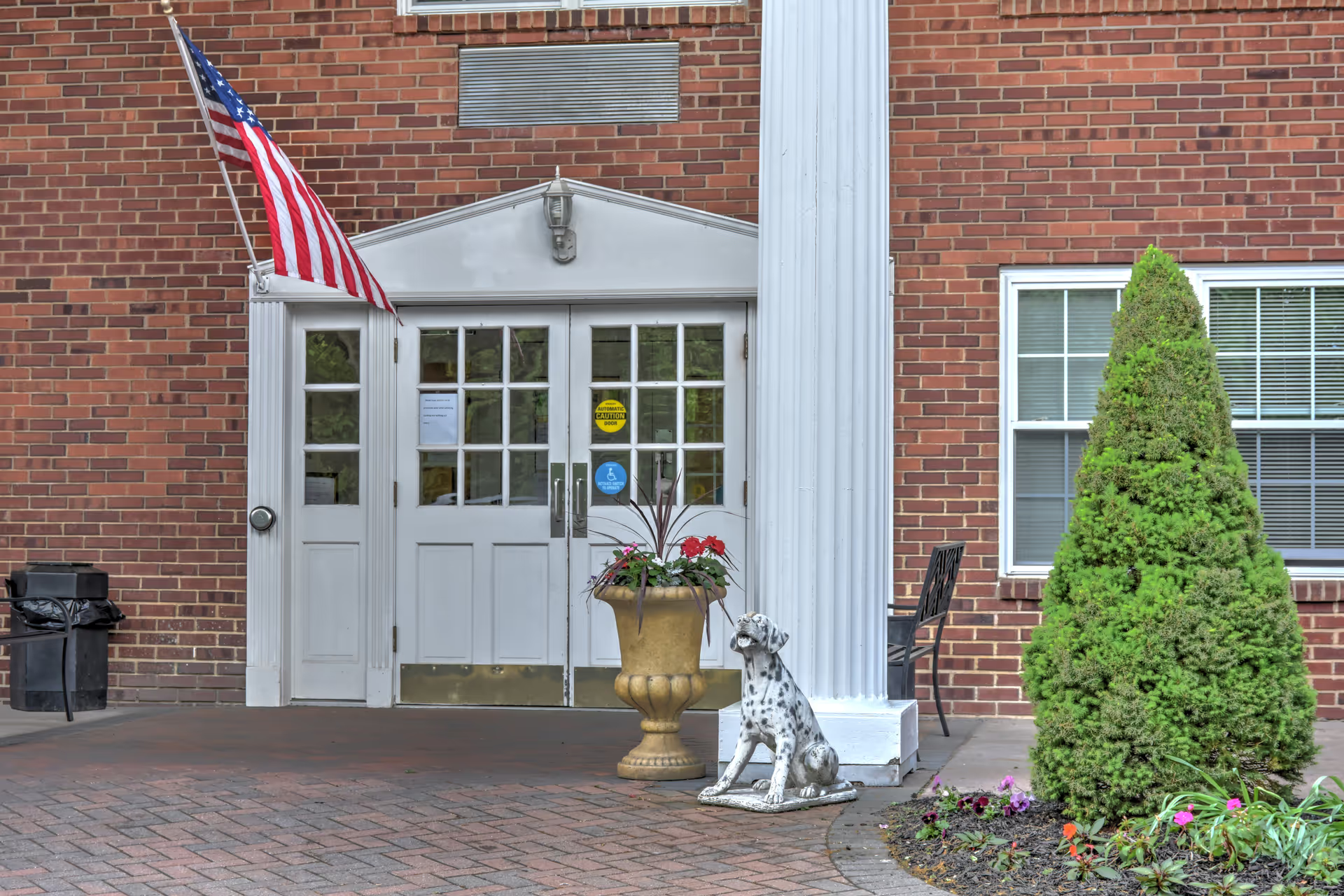
Safety and responsiveness present a mixed portrait. Some families report prompt, professional responses to changes in condition and good coordination with physicians; others describe delayed attention, limited overnight checks, and slow responses to falls or urgent needs. These accounts suggest uneven staffing coverage and variable incident-response practices, which reviewers connected to both clinical consequences and perceptions of reduced oversight. Room assignment, maintenance and environmental issues are also mentioned: while many rooms are described as comfortable and home-like, others are characterized by worn furniture, carpeting that may impede mobility, and closet or fixture designs that are not fully accessibility-friendly. Building access-control practices receive mixed feedback as well — some reviewers note secure memory units and supervised areas, while others describe unclear entry procedures and a door that did not reliably lock.
Dining and housekeeping impressions are inconsistent. Several families praise a clean, odor-free environment and a cafeteria with choices, while other accounts note cold meals or food that requires reheating and variability in housekeeping standards. Related concerns include incontinence-care delays or sanitation issues described in a few accounts; these raise questions about consistency of personal care and environmental cleaning protocols. Administrative communication also shows two faces: admissions and some administrators are lauded for being responsive and collaborative, yet other reviewers perceive management as defensive or insufficiently accountable when clinical or operational issues are raised.
Taken together, a notable pattern emerges: strong, committed bedside staff and beneficial therapy/engagement programs co-exist with operational vulnerabilities in medication control, discharge and aftercare processes, staffing consistency (particularly nights), and facilities maintenance/security. Prospective residents and families should weigh the facility’s clear strengths in person-centered caregiving, therapy and programming against these operational risks. When considering Kimberly Hall North, families may want to ask specific questions about medication administration protocols, discharge planning and post-discharge follow-up, overnight staffing levels and incident-response procedures, room accessibility features, and how the facility documents and resolves property or theft concerns. These targeted inquiries can help clarify whether the facility’s day-to-day practices align with an individual resident’s clinical and safety needs.