Heritage Park Health Center elicits a strongly mixed set of experiences. Many families and patients praise the rehabilitation services — particularly physical and occupational therapy — and cite clear functional improvements, successful post-operative care, and attentive therapy leadership. Numerous reviewers also highlight individual staff members and teams (nurses, CNAs, therapists, activities staff, and certain administrators) as compassionate, responsive, and instrumental to recovery. Several accounts describe clean, well-maintained rooms, active recreational programming, and administrative support for things like virtual family visits.
At the same time, a substantial number of reviews describe operational patterns that undermine trust and safety. Common clinical concerns include delayed recognition of acute conditions, inconsistent monitoring, and problems with medication administration and pain control. There are specific accounts of inadequate wound or stoma-care education and transfers to higher-acuity care after clinical deterioration; these indicate gaps in continuous clinical oversight and patient teaching. Isolated allegations of unsafe clinical practices (for example, improvised PEG-tube handling) appear in the dataset and merit careful inquiry.
Staffing and responsiveness are recurring themes. Reviewers frequently note slow responses to call buttons, long wait times for assistance, and limited coverage on weekends or after hours. While many staff are described as hardworking and kind, there is notable variability in communication tone and professionalism across shifts. Several families report that aides and nurses can seem overwhelmed, which correlates with reports of delayed toileting/hygiene care, inconsistent bathing schedules, and other basic-assistance delays.
Dining and activities also show a split picture. Some residents and families praise the dining options, the quality of meals, and accommodations for special diets; others describe monotony for mechanical-soft preparations, menu errors, and inconsistent diet accommodations. Activities and recreation receive positive marks for engagement and creativity in many reviews, though a few comment that programming can repeat without substantive change for long-stay residents.
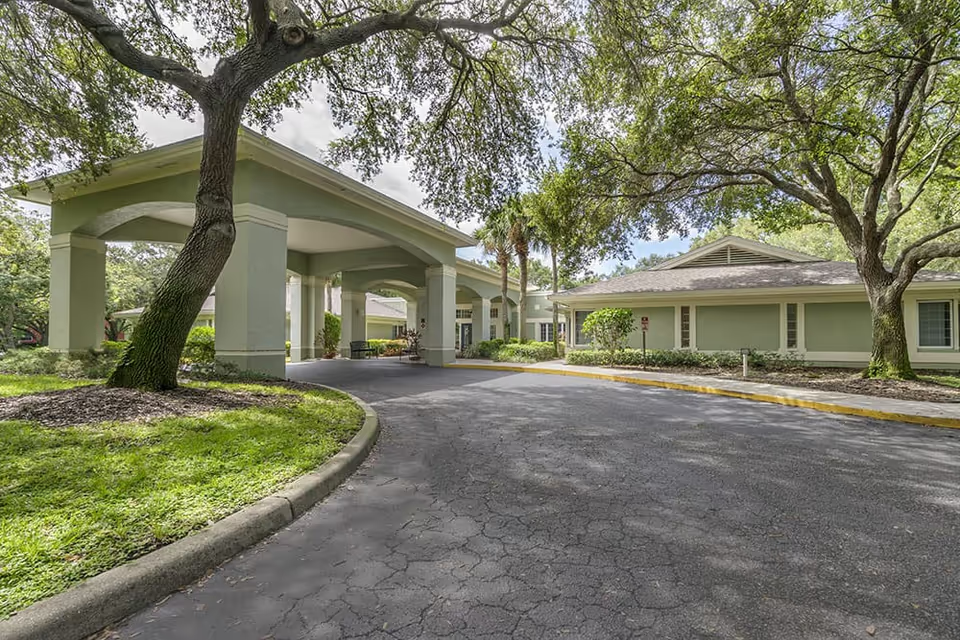
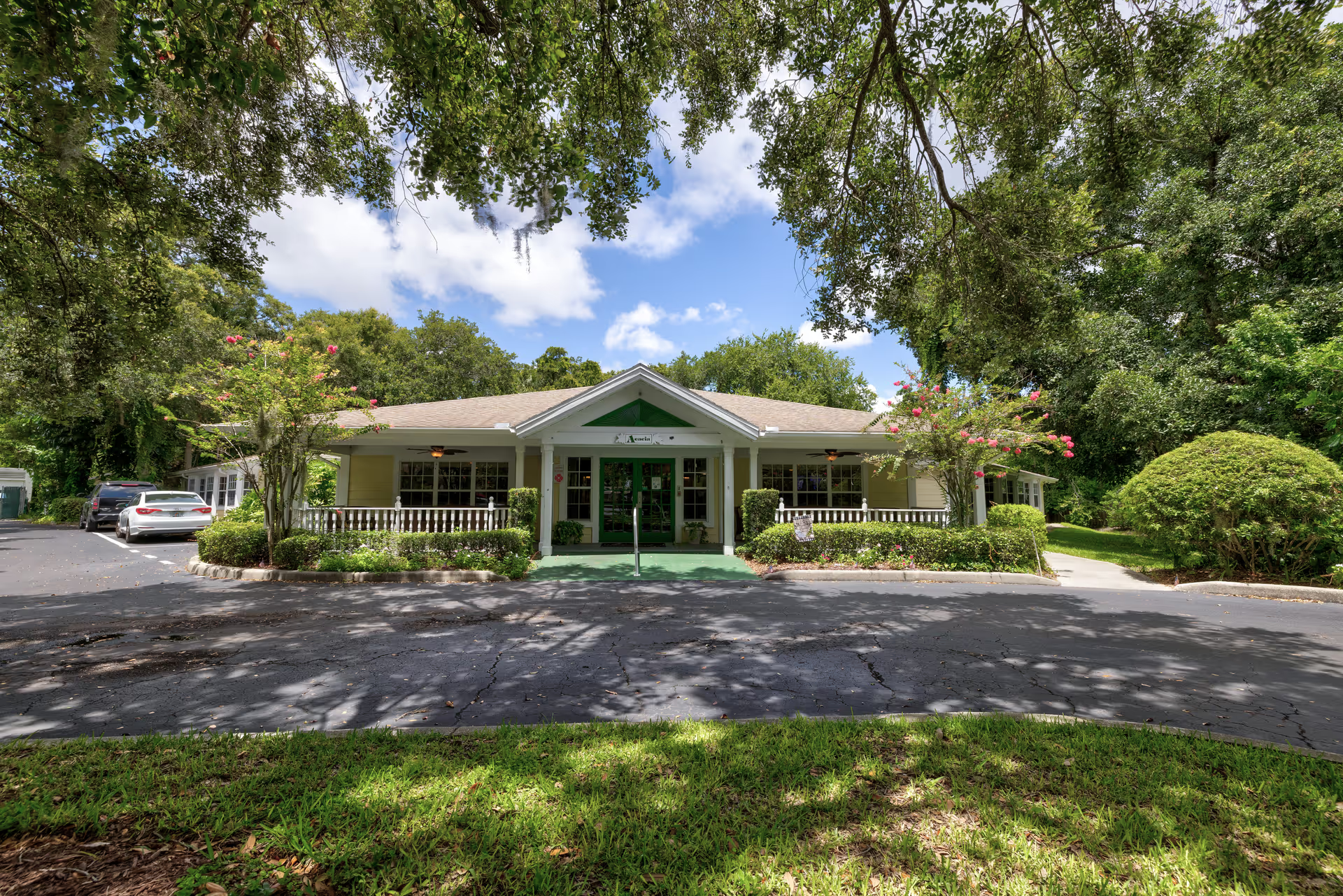
Facility upkeep earns both positive and negative comments. Many reviewers find rooms and common areas clean and well kept, but others report odor concerns in some areas, sporadic equipment failures (nonworking call buttons, TVs, or ice packs), and periodic maintenance shortfalls. Property management is another operational weak point: missing or mishandled personal items and laundry problems appear frequently enough to be considered a systemic issue to address.
Communication and management practices are uneven. Positive accounts describe accessible administrators and coordinated care planning, but there are parallel reports of delayed or unclear communication from business office and social services, poor after-hours responsiveness, and inconsistent family notification about clinical changes or hospital transfers. These communication gaps amplify family frustration when combined with clinical or staffing issues.
What this pattern suggests for prospective families: the facility has demonstrable strengths in rehabilitation therapy and many individual staff members who provide compassionate care. However, the consistent themes around staffing levels, response times, medication/process gaps, and documentation/communication mean that families should proactively evaluate those operational areas. Recommended steps include asking about current staffing ratios, call-response metrics, infection-control protocols, wound/stoma-teaching practices, and property-handling procedures; request recent survey results and examples of how the facility addresses clinical incidents and family communication. This balanced approach will help clarify whether Heritage Park’s therapy and staff strengths align with a prospective resident’s clinical and safety needs.