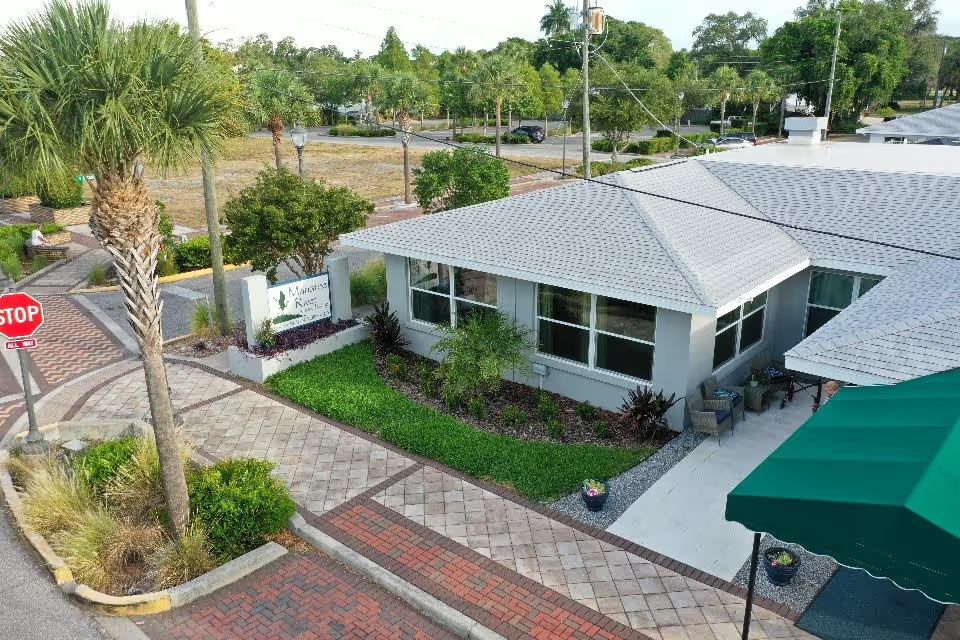
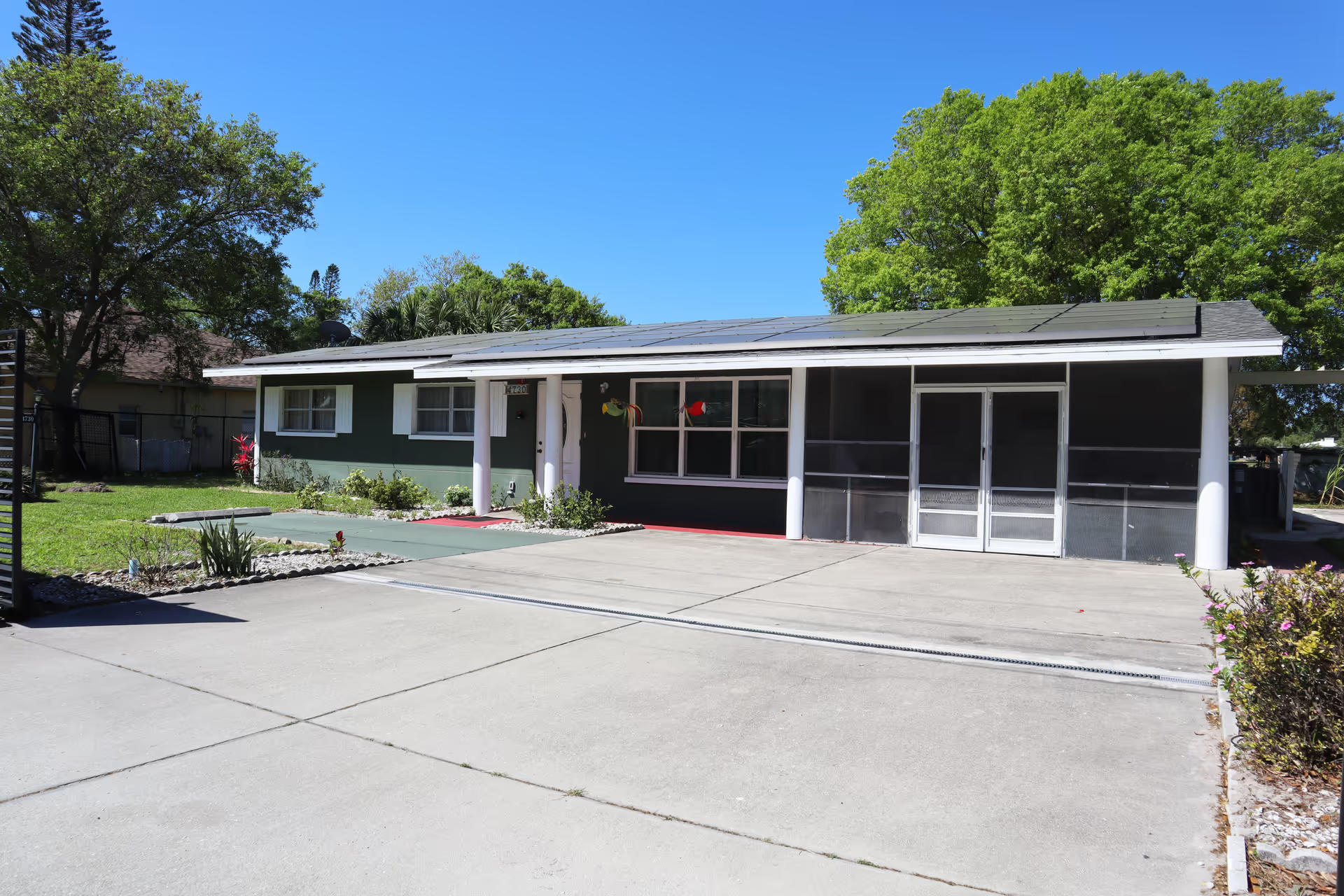
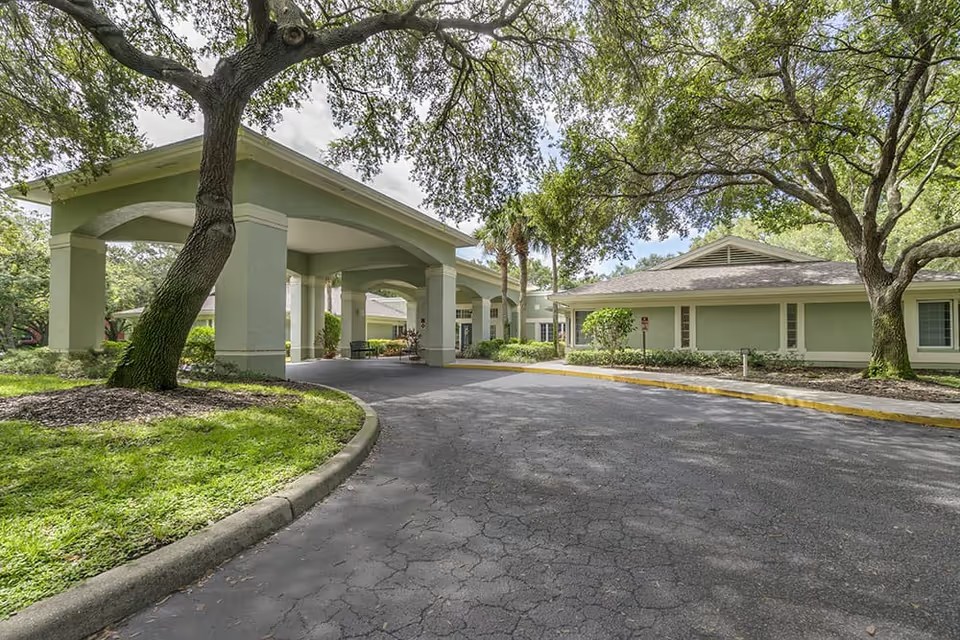
Magnolia on the Avenue presents a mixed but distinct profile: it is a small, converted-mansion facility with a strong reputation among many families for attentive, compassionate caregiving and a quiet, home-like atmosphere. Staff are frequently described as knowledgeable, responsive, and caring; several accounts cite named caregivers and administrators as positive influences on day-to-day life. The facility maintains a calm environment, segregates memory-care residents by functional level, and offers home-cooked meals that many residents enjoy. Recent interior remodeling, ongoing maintenance, and pleasant porch/grounds contribute to a comfortable, domestic feel that some families describe as welcoming and worry-free.
Dining and activities are generally viewed positively. Meal presentation and homestyle menus are cited as strengths, with group walks and daily activities providing routine engagement for residents. For families seeking a smaller, quieter setting—especially for those with advanced memory-care needs—the facility's scale and the separation of higher- and lower-functioning memory-care residents can be an advantage. Room options are flexible, with multiple configurations and the ability to furnish rooms personally; some units have adjoining bathrooms and other features that families may find convenient.
However, several operational and facility-level concerns recur across accounts. Management instability and administrative turnover have been noted alongside financial-management issues such as restrictive cash-up-front vendor policies, refund delays, and broader questions about fiscal stability. Staffing is an area of concern: reviewers cite undercompensation, shortages, and supply gaps for basic resident needs, which can affect continuity of care. Relatedly, there are reports suggesting gaps in incident response and in communication with families after adverse events—this points to an operational weakness rather than an isolated occurrence.
Physical facilities are uneven. While parts of the interior receive praise for recent updates, other areas are described as older and in need of further renovation; there are specific sanitation and odor concerns in some spaces. Memory-care rooms are frequently characterized as small and in some cases lacking private bathrooms, which may make the facility a poor fit for residents who require more space or privacy. Limited outdoor grounds, constrained parking, and smaller communal dining areas can also reduce suitability for residents who are more social or who require extensive outdoor access. Finally, there are concerns about controls for personal belongings and laundry handling that prospective families should address explicitly during a visit.
In summary, Magnolia on the Avenue is often recommended for its caring staff, quiet small-home environment, and comforting dining and activity routines, particularly for residents with advanced memory-care needs who will benefit from a quieter, less social setting. Conversely, prospective residents and families should carefully evaluate administrative stability, financial and vendor policies, staffing levels and benefits, incident-response procedures, room sizes (especially in memory care), and sanitation/odor conditions. A thorough in-person tour, discussion of staffing ratios and emergency protocols, review of the contract and refund/vendor policies, and multiple visits at different times of day are advisable before placement.