Overall impression is mixed: many families describe positive experiences characterized by warm, compassionate caregivers, engaged nursing and clinician involvement, attractive programming, and enjoyable meals; however, a consistent set of operational problems recurs across reviews and affects reliability of day-to-day care.
Care quality and staffing: Positive accounts highlight several dedicated nurses and aides who provide attentive hands‑on support and advocacy. At the same time, reviewers identify high staff turnover, frequent understaffing, and uneven clinical coverage between shifts. These staffing patterns correlate with inconsistent medication administration, delays in responding to call bells, variable assistance with bathing and personal care, and fluctuating attention from nursing leadership. There are also serious individual claims that merit follow-up — including allegations of missing belongings — that should be investigated by families and regulators as appropriate.
Staff conduct and communication: Families report a broad range of staff behavior from highly compassionate and family‑oriented to curt or dismissive interactions. Communication gaps include difficulty getting timely callbacks, unclear points of contact for questions, and variability in responsiveness from front‑desk or administrative staff. Several reviewers noted that tone and approach differ by shift and by which manager or nurse is on duty.
Dining and activities: Dining is frequently cited as a strength — many residents enjoy meals described as nutritious and well prepared, and dining staff receive specific praise. However, the community has experienced periods of kitchen staffing disruption and menu limitations that produced inconsistent food quality and short-term substitutions. Activities programming is often robust, with live music, themed events, crafts, and regular social opportunities; memory‑care programming in particular is described as variable, with reports of both engaging sessions and minimal one‑on‑one engagement depending on staffing.
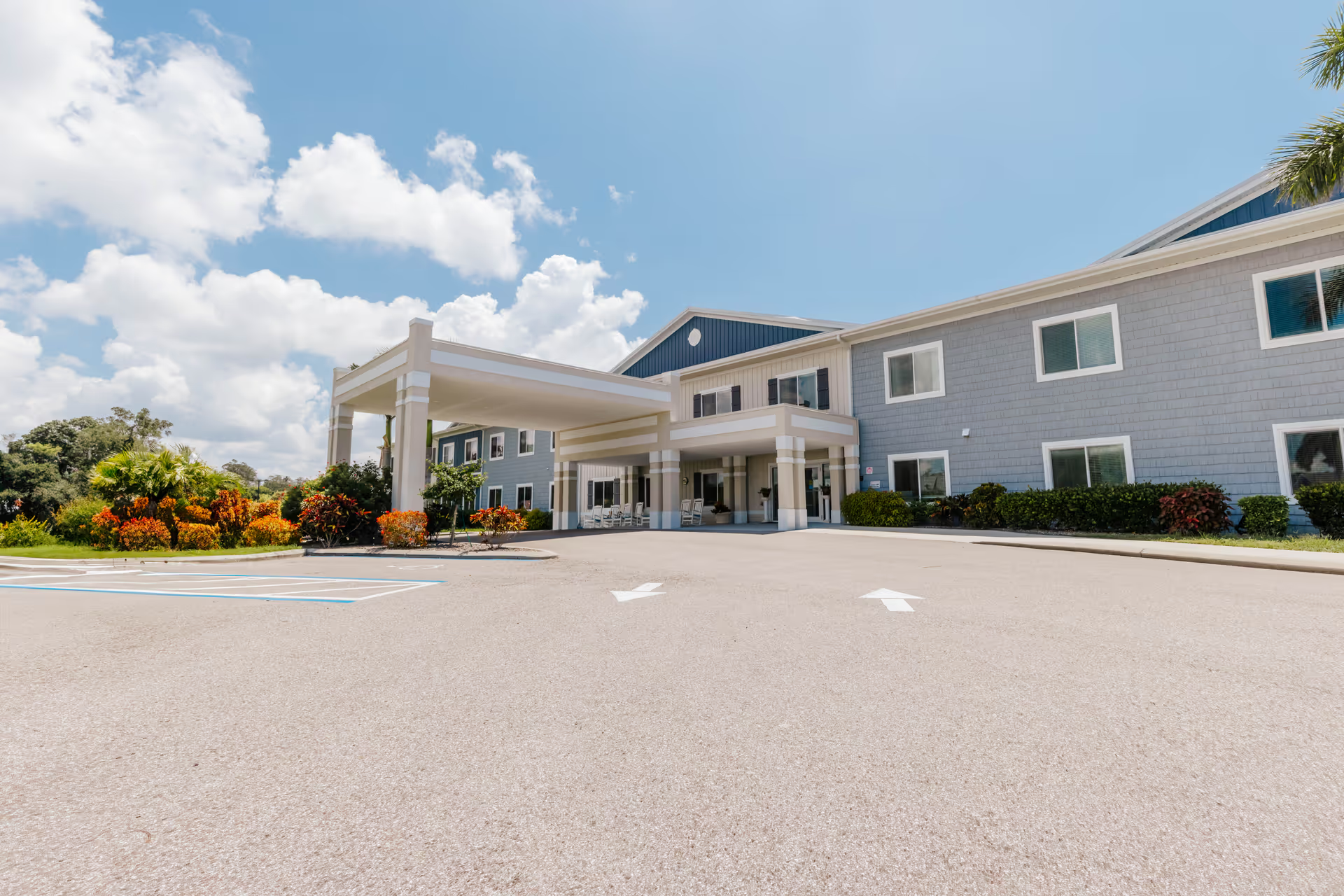
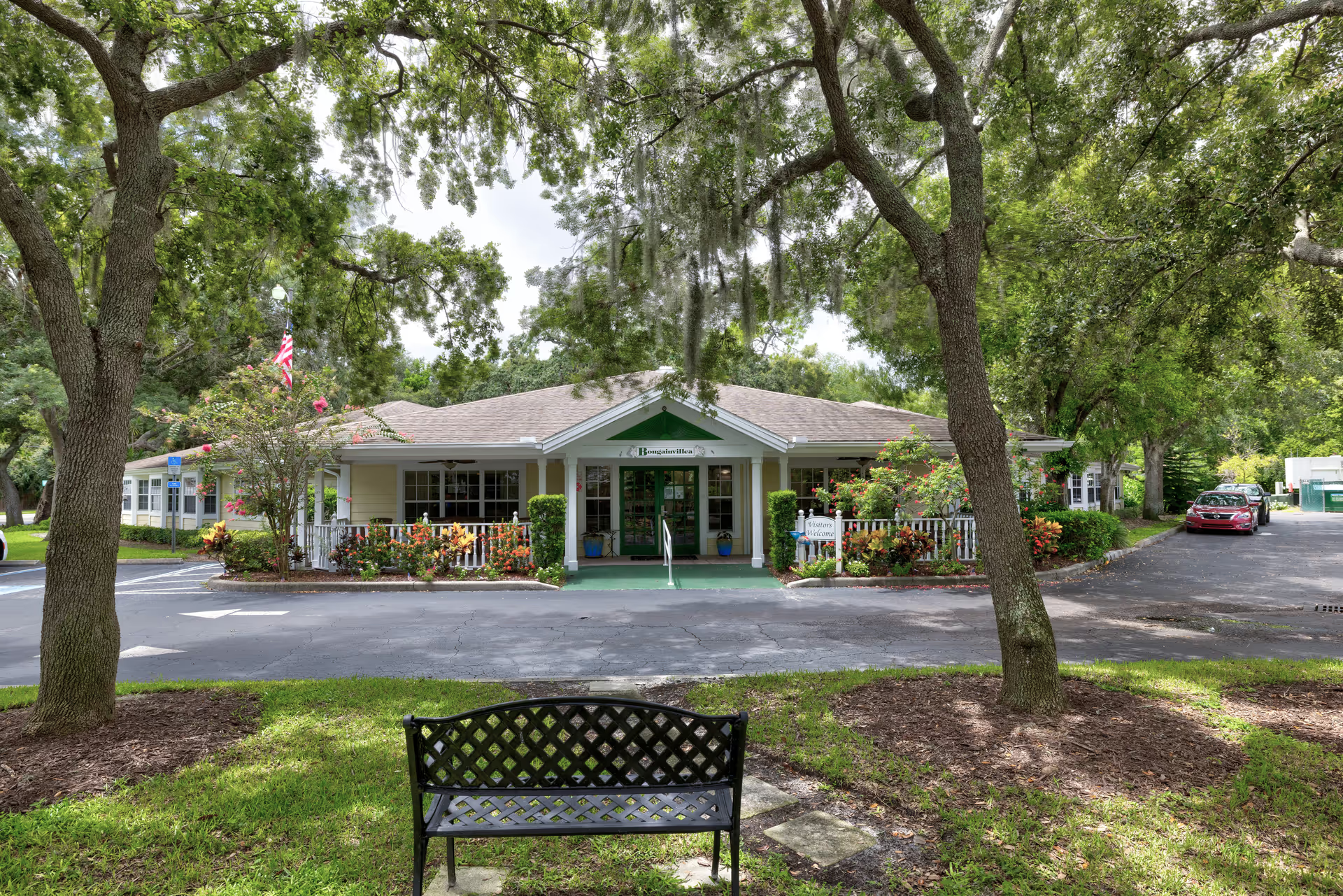
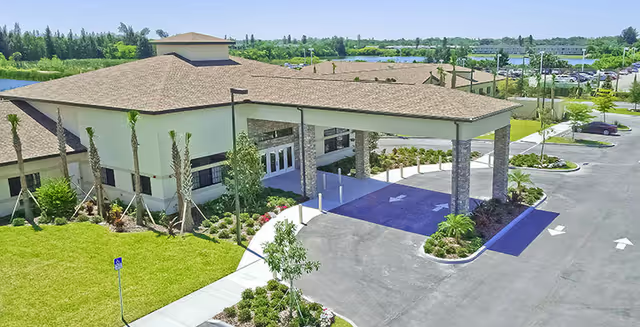
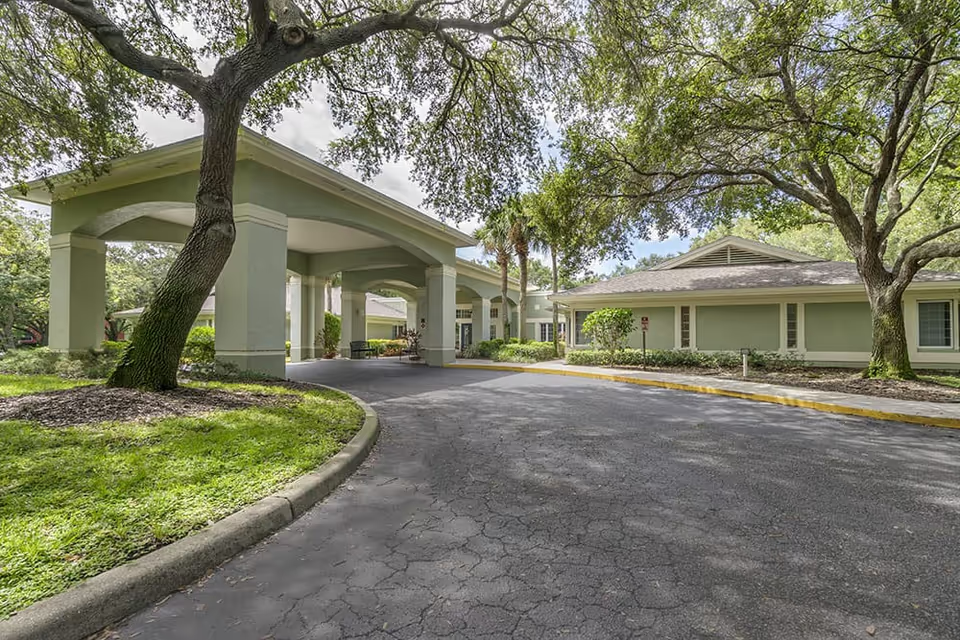
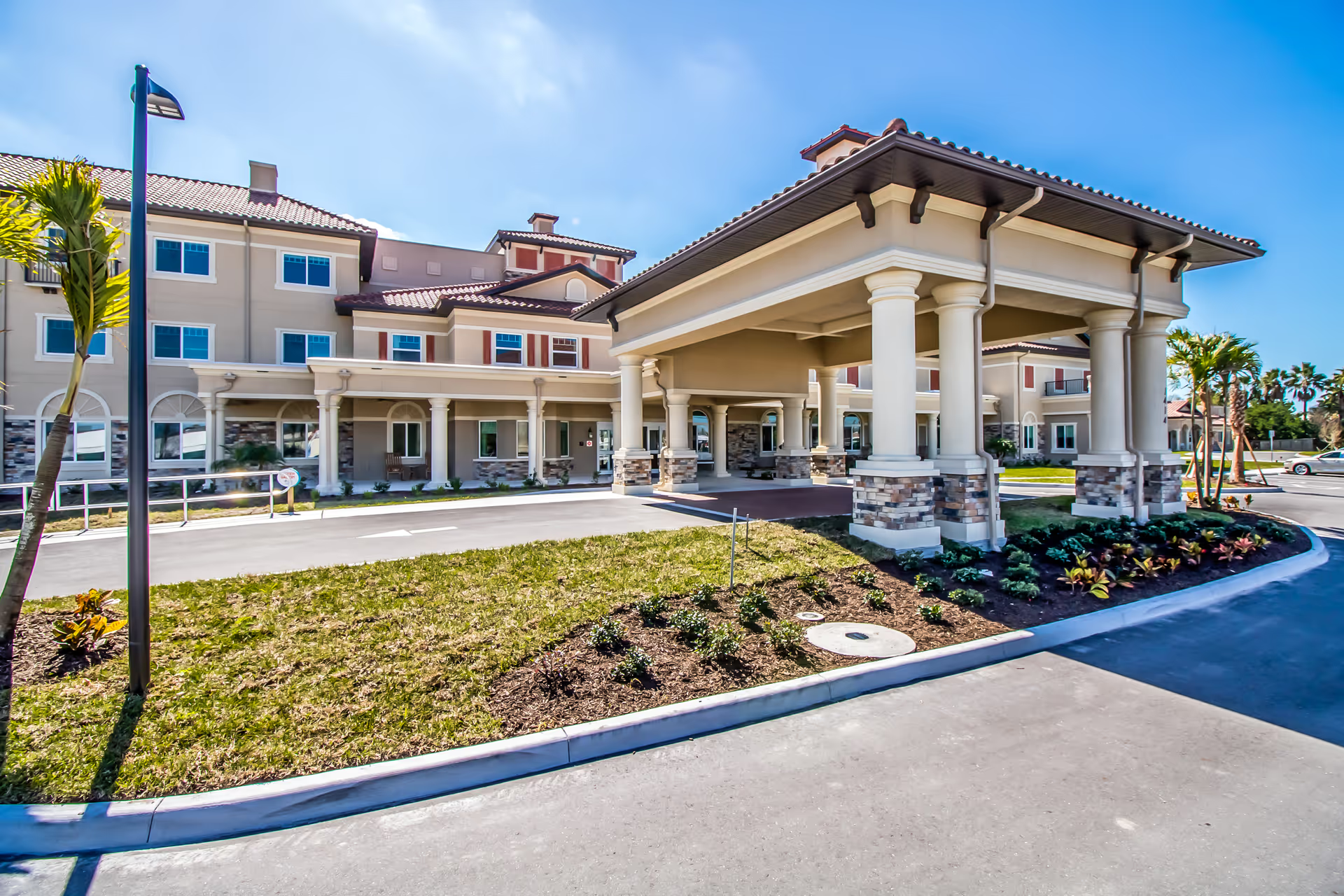
Facilities and maintenance: Physical aspects of the community vary by unit. Many reviewers praise clean common areas, updated apartments, and pleasant outdoor spaces. Counterbalancing this are repeated concerns about cleanliness and pest control in certain wings, prolonged HVAC or air‑conditioning outages, delayed repairs (including furniture and bathroom issues), and smaller-than-expected memory‑care rooms. Prospective residents should assess specific apartments and recent maintenance logs during a tour.
Management and operations: Reviewers describe inconsistent management performance, with accounts of helpful, proactive administrators as well as reports of frequent leadership change, broken promises, and disputes over billing or refunds. Operational weaknesses include uneven enforcement of policies (for example, visitor and security protocols), limited availability of ancillary services such as physical therapy or VA case management, and occasional lapses in medication billing/dispensing processes.
Notable patterns and takeaway: The dominant pattern is variance — many families have highly positive experiences driven by individual staff members, while others encounter systemic problems tied to staffing, maintenance, and administrative processes. Memory care and some units appear to show more frequent operational gaps than the assisted‑living side. Prospective residents and families should (1) ask about current staffing ratios by shift, (2) request recent inspection/maintenance records and pest‑control logs, (3) review medication‑management protocols and escalation procedures, (4) tour the specific unit/apartment intended for move‑in, and (5) clarify billing and refund policies in writing. This community can offer strong social programming, a welcoming culture, and good value for many residents, but the variability in day‑to‑day reliability and management responsiveness is a central factor to evaluate before committing.