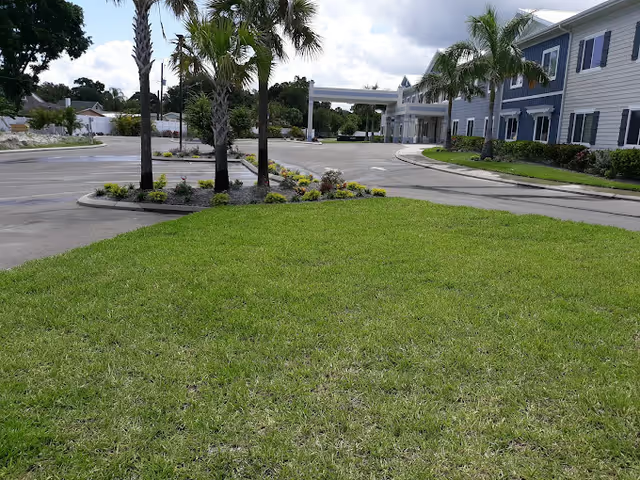
Sunny Bower appears to be a small, family‑run assisted living facility that emphasizes personalized, home‑style care. Reviewers consistently describe a warm, calm atmosphere supported by long‑tenured caregivers and owners who are present and involved on site. The facility’s size (about 16 beds) and household model are repeatedly framed as strengths: staff know residents by name, provide continual supervision, and cultivate a residential rather than institutional environment.
Care quality and staffing are the most frequently praised aspects. Many accounts highlight compassionate, attentive caregivers, routine checks, effective medication management, and active coordination with physicians. Several families specifically praise the owners and managers for accessible communication and hands‑on involvement. The facility also describes regular collaboration with hospice providers and generally positive descriptions of end‑of‑life care and bereavement support.
Dining and activities are also consistent positive themes. Meals are prepared on site, described as home‑cooked with adaptations for residents who have difficulty chewing. The activity program is described as robust and varied — music, exercise, arts and crafts, bingo, and weekly entertainers — with opportunities for social engagement throughout the day. Transportation to medical appointments and assistance with doctor visits are additional practical supports noted by families.
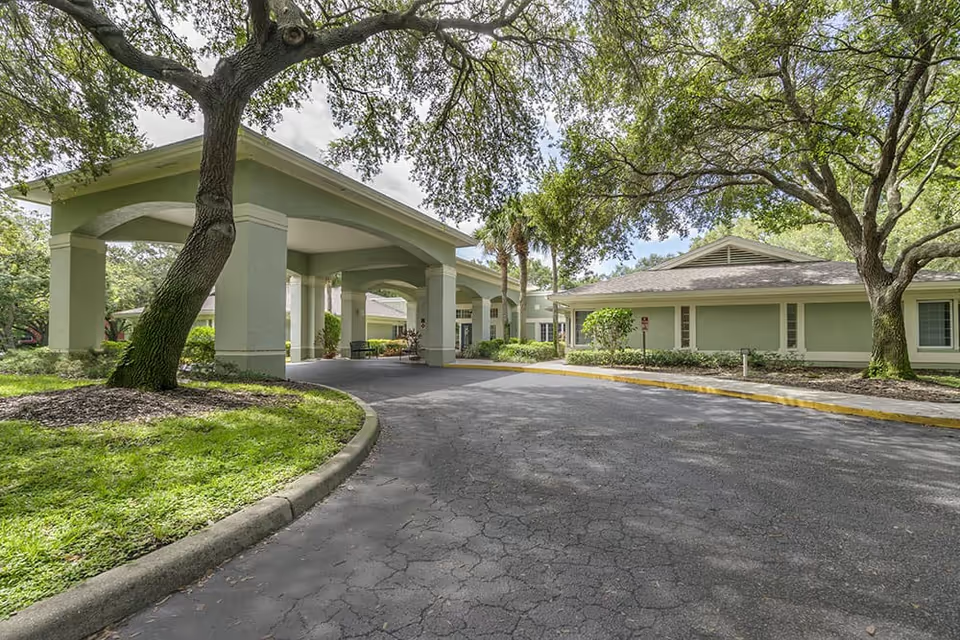
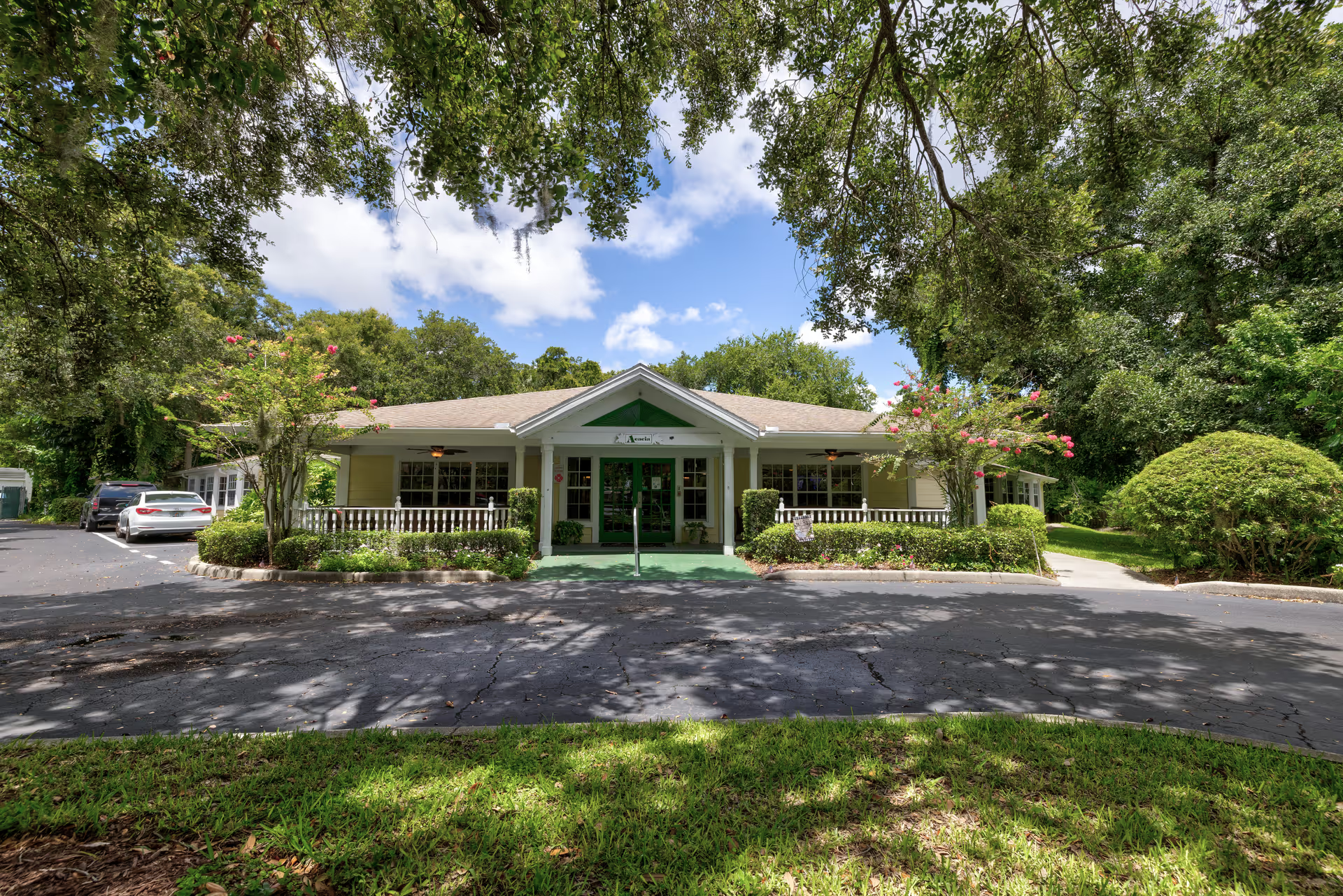
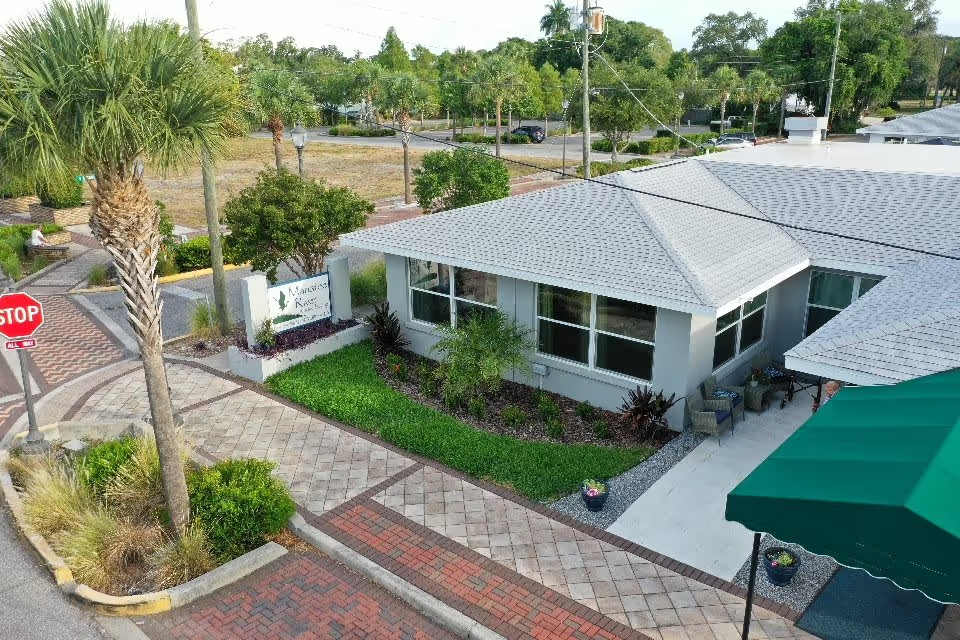
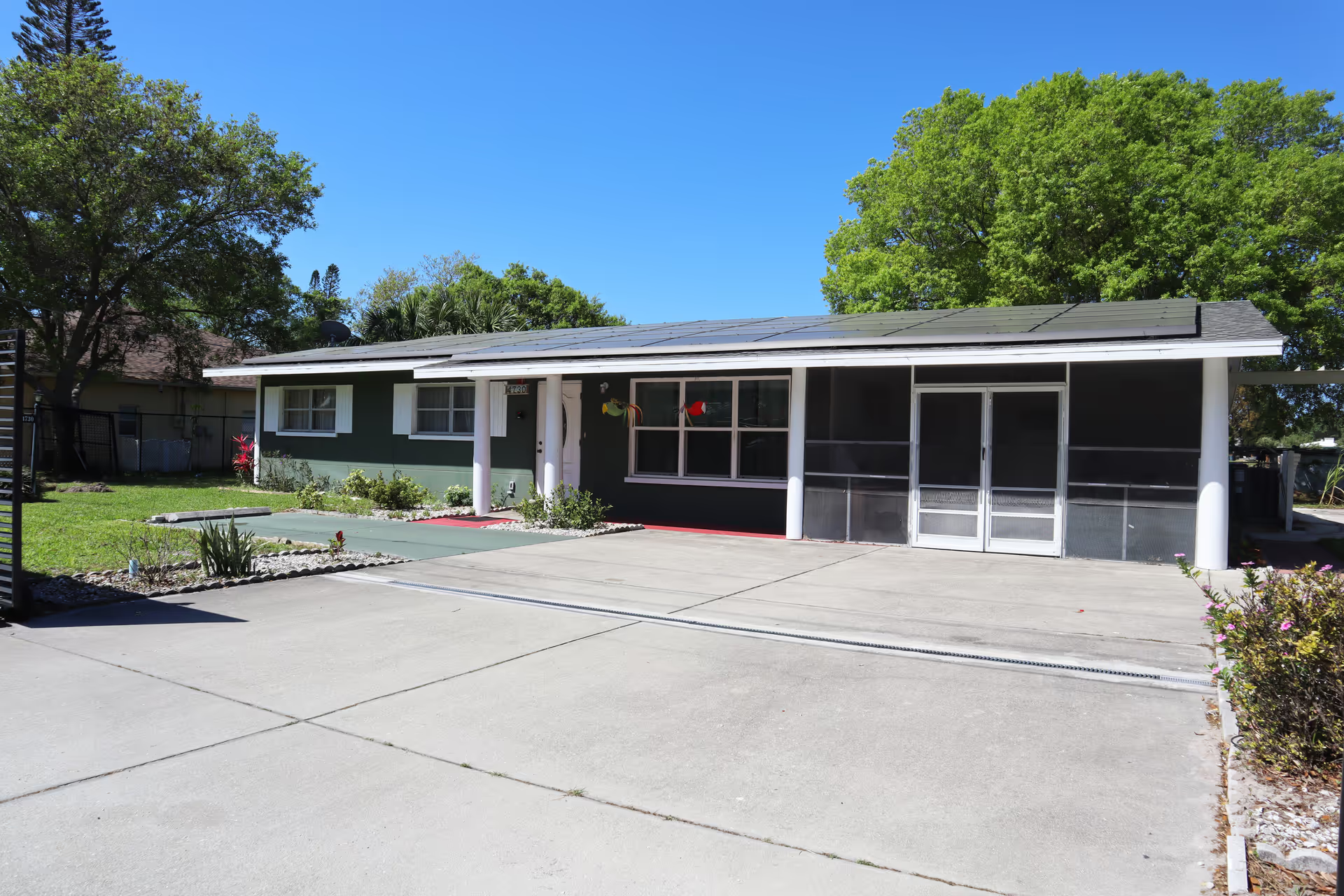
The physical setting is modest but well maintained: reviewers mention a clean, comfortable interior, large dining room, screened porches, and attractive grounds with live oaks and bird feeding areas. The smaller scale contributes to a close community feel, though it also produces a few operational limitations. Several descriptions indicate that some resident rooms share bathrooms or lack private en‑suite facilities, which is a practical consideration for families prioritizing private bathroom access.
Notable patterns of concern are limited but important to address. While the majority of feedback is positive, there are isolated but serious negative accounts that raise questions about emergency responsiveness and staff conduct in specific incidents. These suggest potential gaps in critical‑incident protocols, documentation, and family communication in certain situations. Because the facility is small and offers a modest scope of services, families should also assess whether on‑site clinical capabilities meet a prospective resident’s long‑term medical needs or whether transfers to higher‑level care would be required.
Recommendations for prospective families: verify current staffing patterns and weekend/overnight coverage; confirm bathroom configuration and room options; review emergency‑response protocols, incident reporting, and medication administration procedures; ask about recent staff training and supervision practices; and discuss how the facility coordinates with outside clinicians and hospice. Overall, Sunny Bower’s strengths lie in personalized, relationship‑based care, home‑cooked meals, and an active social program, balanced against the operational constraints and occasional isolated concerns inherent to a small, residential setting.