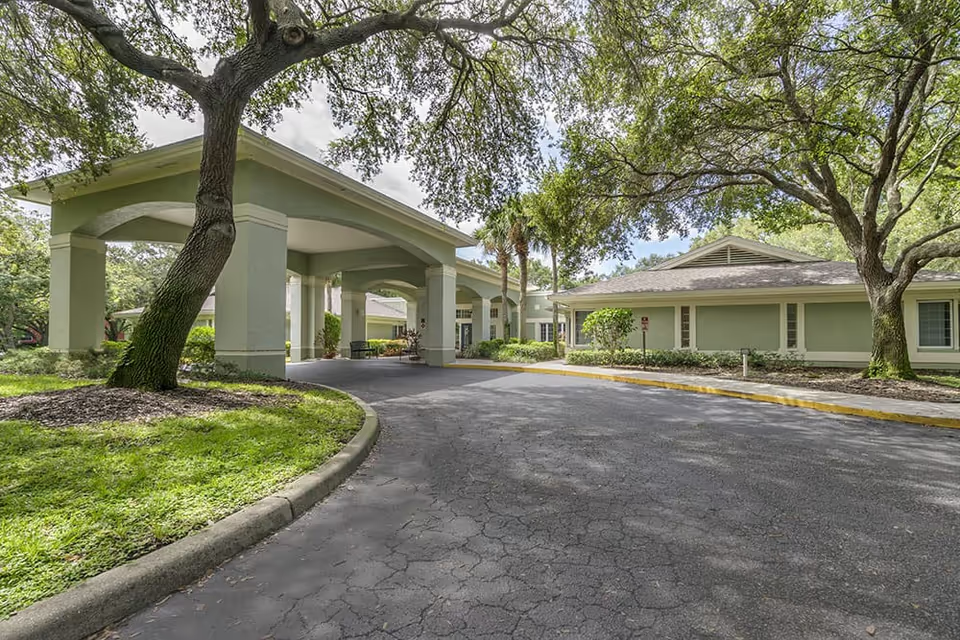
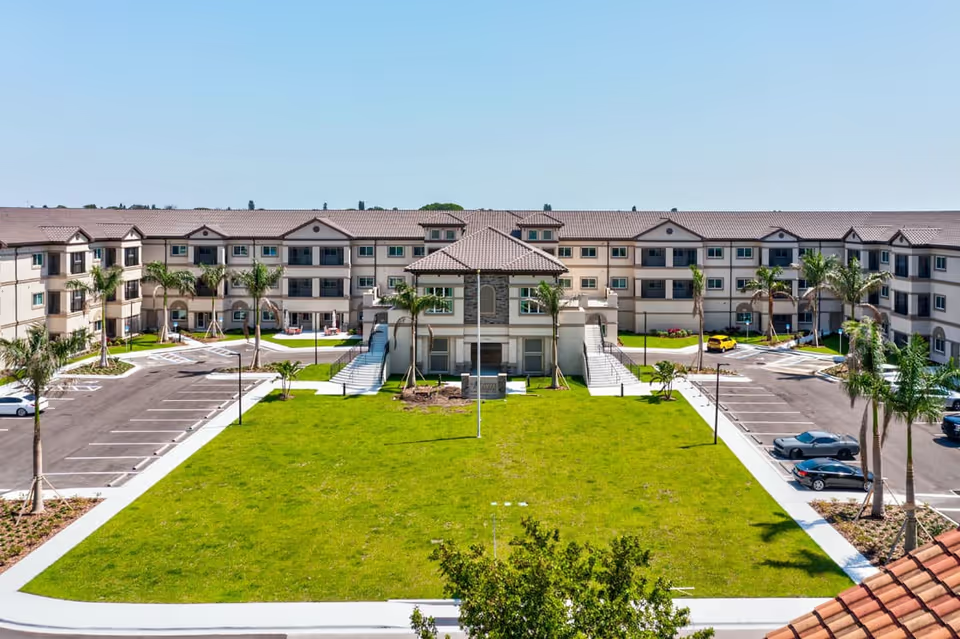
Westminster Bradenton — Point Pleasant Neighborhood presents a mixed but instructive picture. Many reviewers praise the facility’s strengths: a scenic riverfront location with downtown access, plentiful social programming, and a broad continuum of care that supports independent living through skilled nursing. The campus amenities (pool, fitness center, libraries, multiple dining rooms) and community-oriented activities (exercise classes, arts, outings) are repeatedly highlighted as contributors to improved quality of life and social engagement.
Clinical and direct-care strengths stand out in several areas. Physical and occupational therapy receive consistent positive mention for skilled, motivating therapists and rapid functional gains. Numerous accounts describe compassionate, attentive frontline staff who provide individualized assistance, timely medication administration in many cases, and strong family communication during transitions. Chef-prepared meals and multiple dining venues are frequently cited as a clear asset for resident satisfaction.
At the same time, there are recurring operational weaknesses that prospective residents and families should evaluate. Staffing and responsiveness are inconsistent across reports: delays answering call lights, slow attendance to personal-care needs, and variability in night- and shift-level responsiveness are described. Related clinical concerns include uneven coordination of wound care and postoperative management, lapses in medication administration or documentation, and instances of care-plan or aide-assignment errors. These issues suggest the facility’s clinical oversight and handoff processes are areas to probe during a visit.
Facility management and policies also show mixed feedback. Many reviewers find administration helpful and willing to resolve problems, but others cite poor communication around significant decisions, billing and deposit refund delays, and at least one allegation of an abrupt relocation decision that caused distress. Financially, the community is frequently described as expensive; buyers praise the campus and services but recommend clarifying what is included versus additional fees. Unit-level limitations such as small kitchens, lack of in-unit laundry, and varying apartment sizes were noted as trade-offs for the location and services.
Practical considerations for visitors: verify staffing ratios and after-hours response protocols, review wound-care and medication-administration policies, confirm transportation arrangements for wheelchair users (shuttle capacity can be limited), and obtain written clarity on deposits, refund timelines, and relocation policies. Overall impressions range from deeply satisfied long-term residents enjoying robust social lives to families reporting serious operational lapses; the community offers strong therapeutic and social resources, but some operational consistency and communication issues warrant careful due diligence prior to moving in.