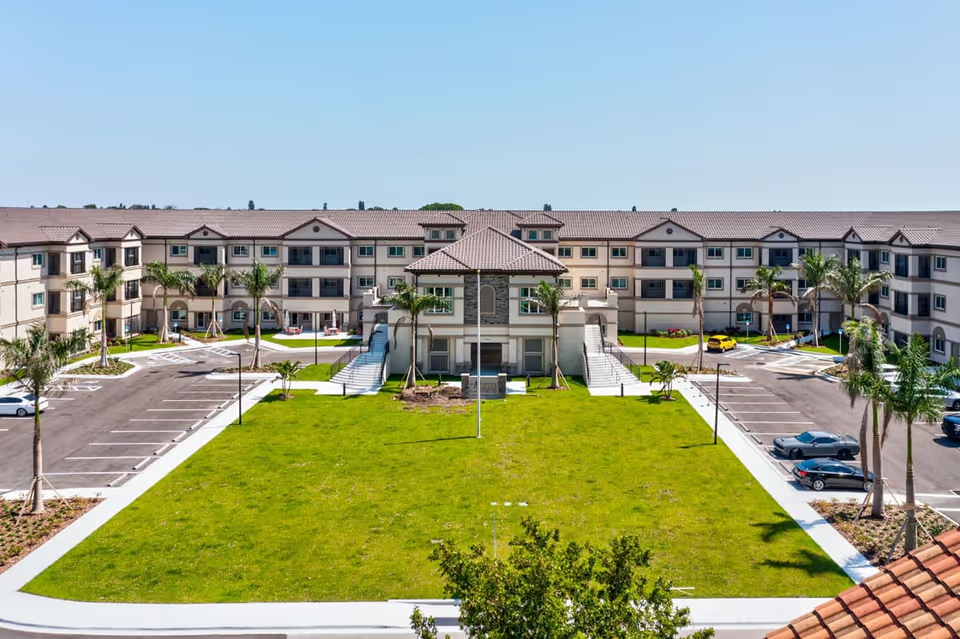
Westminster Bradenton — The Manor Neighborhood presents as a large, amenity-rich senior campus with many features that appeal to independent and active older adults. Strengths repeatedly cited include a warm, family-oriented culture; a broad set of housing choices across levels of care; well-maintained grounds and resort-style amenities (pool, Jacuzzi, library, art and fitness spaces); and an active lifestyle program that offers classes, outings, and frequent excursions. The community has a visible therapy infrastructure and is often praised for strong physical and occupational therapy services that support short-term rehab and return-to-home goals.
Staffing and day-to-day caregiving receive mixed but substantial praise. Numerous reviewers describe staff as personable, compassionate, and willing to go beyond job descriptions; dining-room teams and lifestyle staff are commonly singled out for excellent service. The facility operates on-site clinical resources and advertises 24/7 care options, and leadership presence (including examples of responsive executives) is noted positively in several accounts.
At the same time, there is a recurring pattern of operational concerns concentrated in the health center and long-term care side of the campus. While therapy and rehabilitation programs are frequently described as excellent, families and residents raised issues with nursing supervision, inconsistent assistance with activities of daily living (bathing, dressing, meal assistance), and lapses in timely call-button response. Medication-timing irregularities and communication shortfalls between clinical staff, the house medical team, and families emerge as important themes. A small number of serious allegations — including financial concerns and questions following a resident's death — were raised and warrant direct follow-up during any decision-making process.
Facility operations and maintenance are largely seen as a strength, but reviewers also describe uneven performance: maintenance responsiveness is praised in many instances yet described as slower during major projects. Cleanliness and odor management are reported as satisfactory in most areas, but specific common areas and some units were identified as having odor or sanitation concerns. The campus layout, parking, and an exit gate that can be blocked by vehicles or buses have been called out as inconvenient by some visitors and residents.
Dining and activities are clear selling points: multiple daily meals with varied entrees, attentive dining staff, and an extensive calendar of on-campus and off-campus activities contribute to a strong social environment. The community's faith-based, family-focused identity and a 5-star CMS rating are additional positives referenced by many residents.
For prospective residents and families, the pattern suggests good alignment for independent living and short-term rehabilitation needs, with consistently strong therapy, dining, activities, and amenity offerings. Those considering longer-term skilled nursing or memory-care placements should request specific, up-to-date information about staffing ratios, clinical oversight, ADL assistance protocols, call‑response times, medication administration processes, housekeeping and odor‑management practices, and billing/autopay procedures. A focused tour of the health center unit, conversations with the nursing leadership, and review of recent quality/inspection reports will help clarify whether the operational weaknesses noted in some accounts have been addressed.