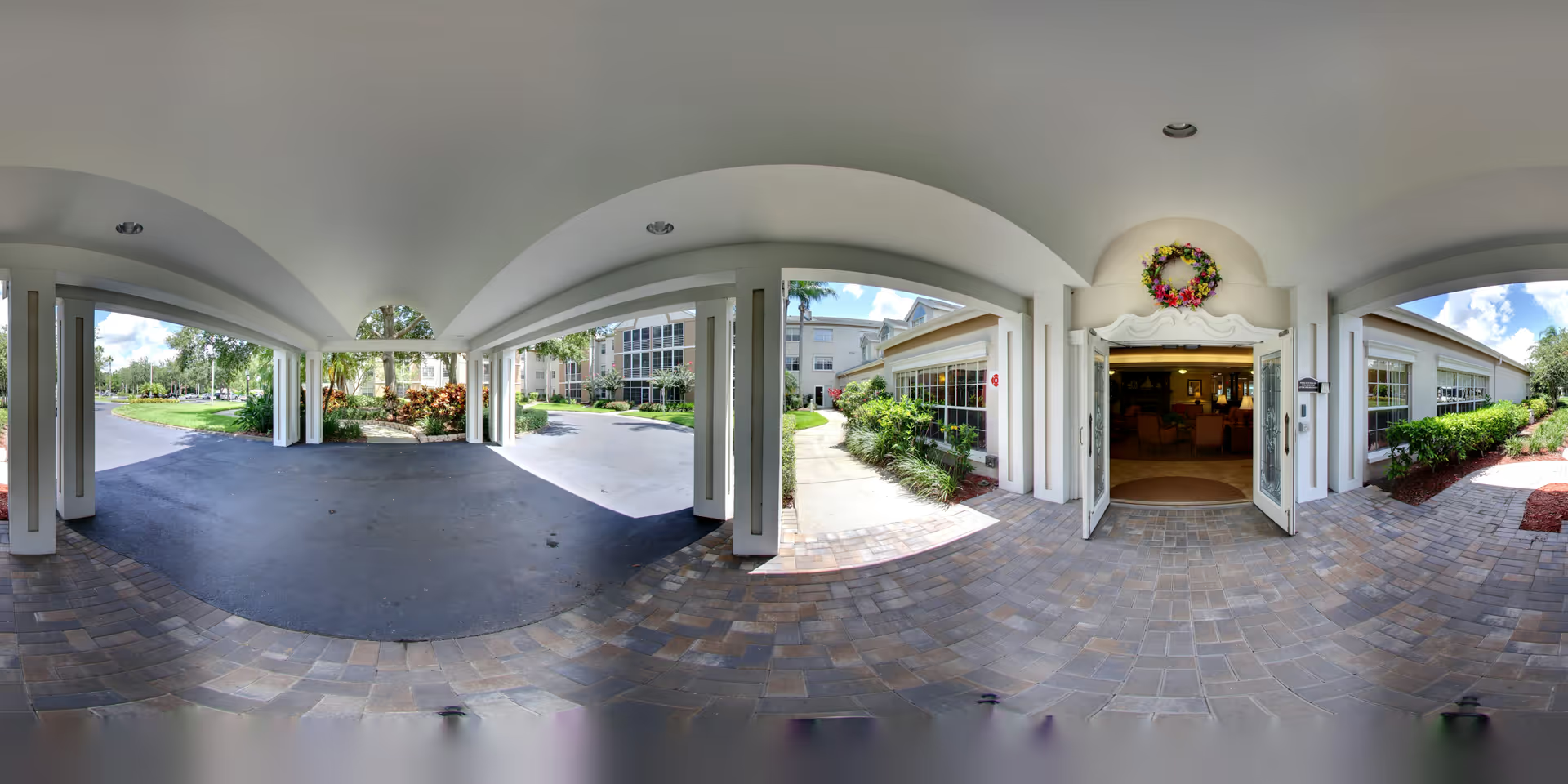
Angels Senior Living at Dunedin elicits strongly mixed impressions from reviewers. Many families praise the facility’s dementia-focused approach, describing compassionate, dementia-knowledgeable staff and a proactive Wellness Coordinator who organizes individualized engagement. At the same time, a number of families describe care and environment concerns; overall impressions range from highly positive ("a new home", "improved quality of life") to negative enough to prompt relocation. Prospective families should expect a small, memory-care–oriented community whose strengths and weaknesses are pronounced.
Care and staff: A consistent strength in many accounts is the caregiving team’s empathy and dementia experience. Reviewers highlight individualized one-on-one attention, patient aides, and staff members singled out by name for positive interactions. The Wellness Coordinator and activities staff receive specific praise for tailored engagement and for collaborating with clinical providers. Conversely, several reviewers describe variability in care responsiveness and note periods of understaffing—often attributed to pandemic pressures—that can lead to inconsistent attention on particular shifts. There are also descriptions suggesting challenges when residents refuse care or present complex behaviors; reviewers recommend confirming the facility’s protocols for behavior management and care-refusal situations.
Dining and activities: The dining program is frequently described as a strength. Multiple reviewers mention dietitian-planned menus, positive meal quality, and an attentive dietary team. Activities are described as varied and dementia-appropriate, including music, games, memory-recall exercises, Bingo, group programming, and meaningful one-on-one visits. These offerings, combined with a high reported staff-to-resident ratio in many accounts, contribute to reports of residents who appear engaged and thriving.
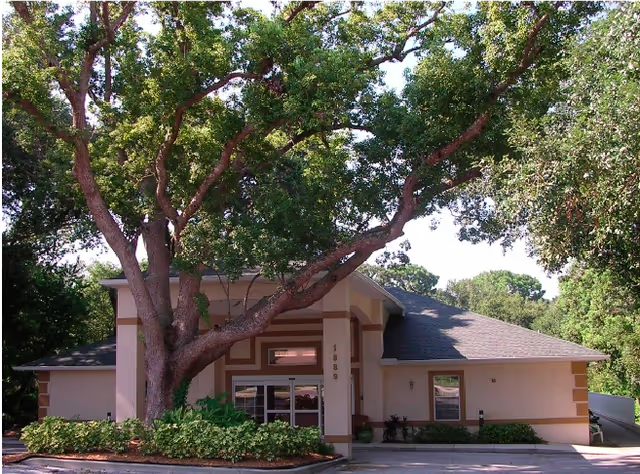
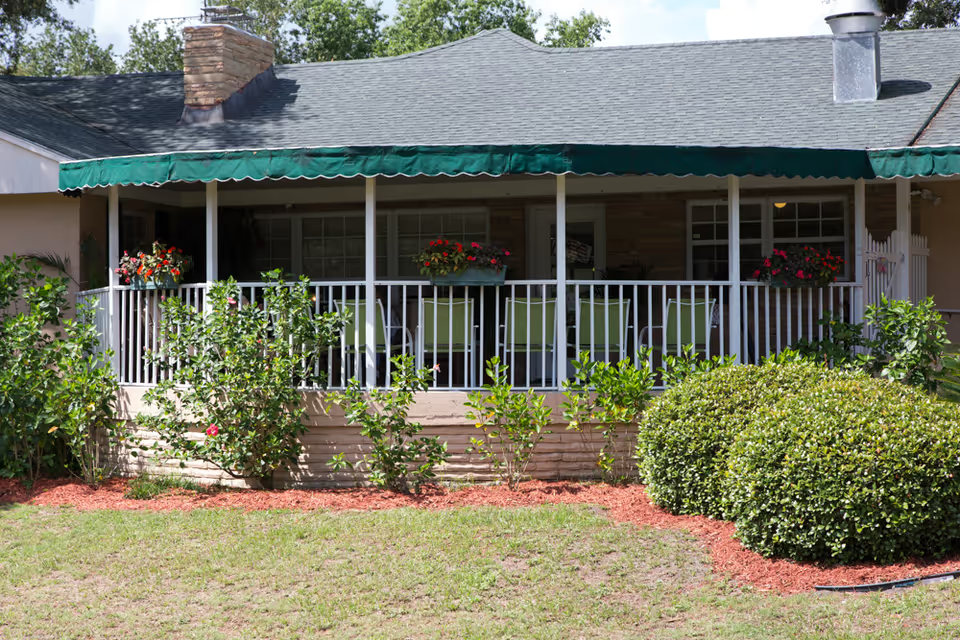
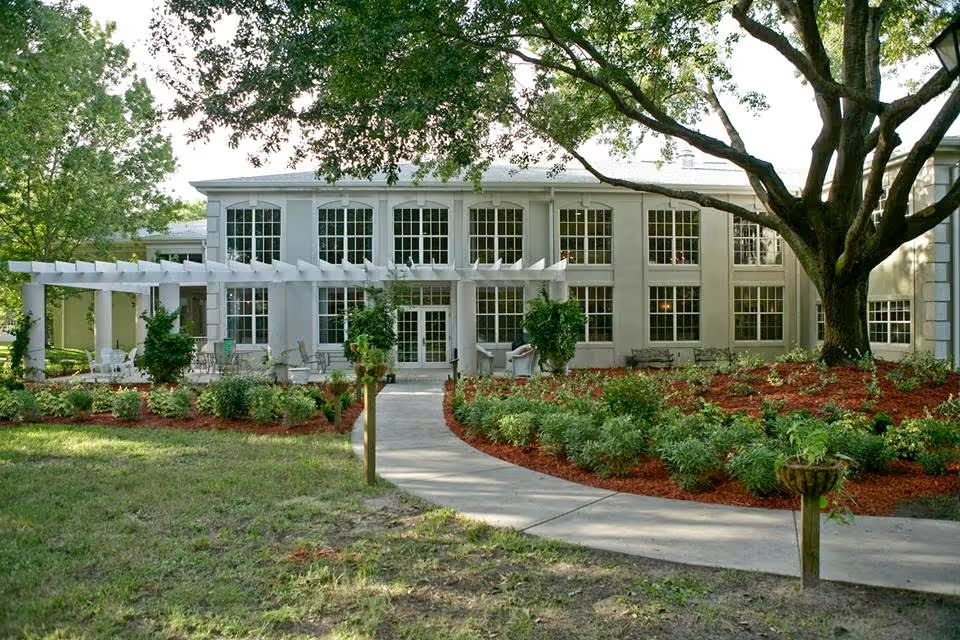
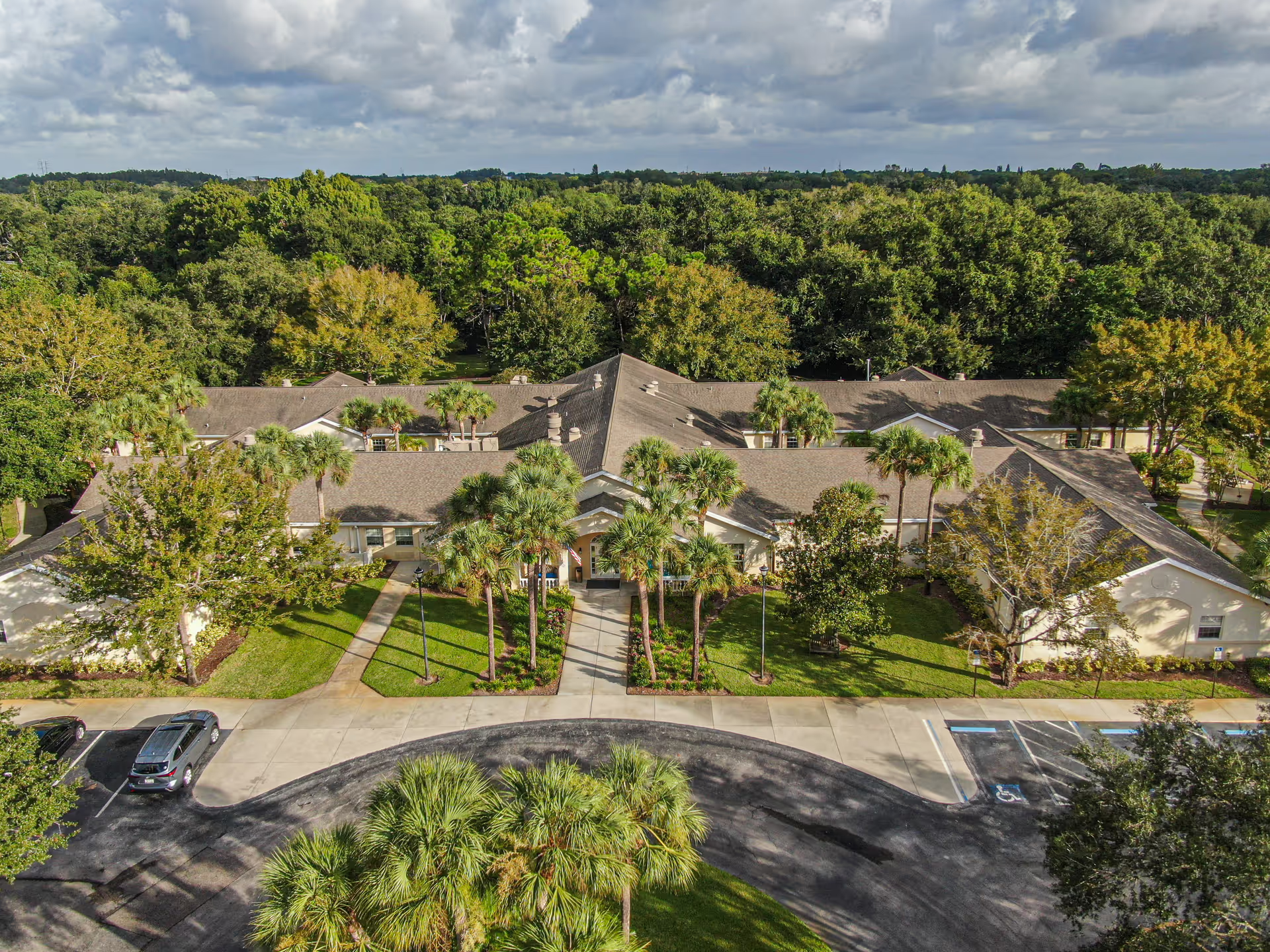
Facilities and cleanliness: Physical features earn mixed comments. The facility’s small scale, homelike furnishings, natural light, enclosed courtyard/patio, and screened porches are cited as positive features that reduce an institutional feel. At the same time, there are consistent cleanliness and maintenance concerns: reviewers describe sanitation and odor issues, inconsistent housekeeping, dated paint and carpeting, dark hallways, and exterior curb-appeal shortcomings. Some reviewers report well-maintained, clean rooms and common areas, while others describe the opposite; this suggests uneven environmental standards that families should verify in person.
Management and notable patterns: Administrative responsiveness is described variably. Several reviewers commend visible, hands-on leadership that follows through; others describe limited availability of management or lapses in communication. Staffing stability appears to be a key driver of the divergent experiences: when staffing and housekeeping are adequate families report excellent, attentive care and programming; when staffing is strained, families note gaps in responsiveness and environmental upkeep. There is also at least one mention of a restrictive payer policy (Medicare-only acceptance), which may affect placement options.
Recommendations for prospective families: Because reviews are polarized, an in-person tour is essential—ideally at different times of day and on multiple days—to observe staffing levels, meal service, activity participation, and cleanliness. Ask management about current staffing ratios, housekeeping schedules, protocols for incontinence and behavior-related care refusals, infection-control practices, and payer/insurance acceptance. Request references from current families and ask to meet the Wellness/Activities Coordinator. These steps will help determine whether the facility’s praised dementia expertise and programming are consistently delivered in a clean, well-staffed environment that meets your loved one’s needs.