The review set is highly polarized: a large number of accounts describe committed, skilled frontline staff and strong rehabilitation services, while an opposing set of accounts raises operational and clinical safety concerns. Many reviewers praised nursing, CNAs, therapists (PT/OT/speech), social work, and activity staff for compassionate, hands-on care and measurable rehabilitation gains. When those teams are functioning well reviewers cite rapid mobility improvement, supportive family communication, effective therapy coordination, clean common areas, hospitable admissions staff, and meaningful end-of-life support.
Conversely, a recurrent cluster of operational issues appears across other reviews. Medication management and administration controls are frequently described as inconsistent — examples include delayed pain medications, missed or delayed insulin dosing, and confusion over dosages — producing significant anxiety for families. Slow responses to call lights and delayed symptom relief are associated with perceived staffing shortages, especially at night. Several accounts describe sanitation and incontinence-care concerns in certain units and uneven housekeeping performance across the building. Relatedly, laundry and personal-property handling have been cited as unreliable in some cases.
Clinical oversight and communication emerge as another prominent pattern. Reviewers describe gaps in escalation and family notification after clinical declines or serious events, and some reviews indicate inconsistent wound-care and infection-management practices. These concerns are sometimes linked to perceived management defensiveness or turnover; other accounts explicitly mention ownership or leadership changes and a sense that cost-containment choices have affected staffing and supplies.
Dining and activities show mixed signals. The facility offers a full activities program and several reviewers highlighted an engaged activities director; however, other reviewers found limited dementia-specific engagement and described activity schedules that did not meet the needs of cognitively impaired residents. Food quality is characterized as variable — some describe appealing meals, while others describe continuity problems (missed trays) and inadequate diabetic-diet accommodations.
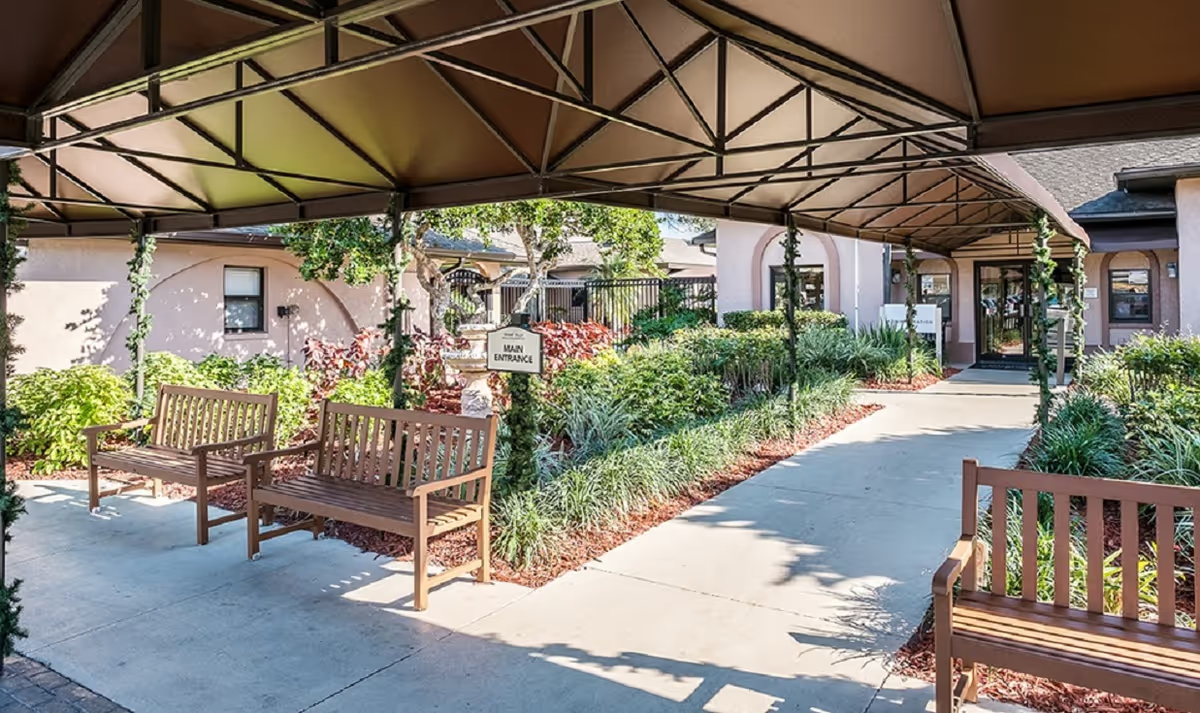
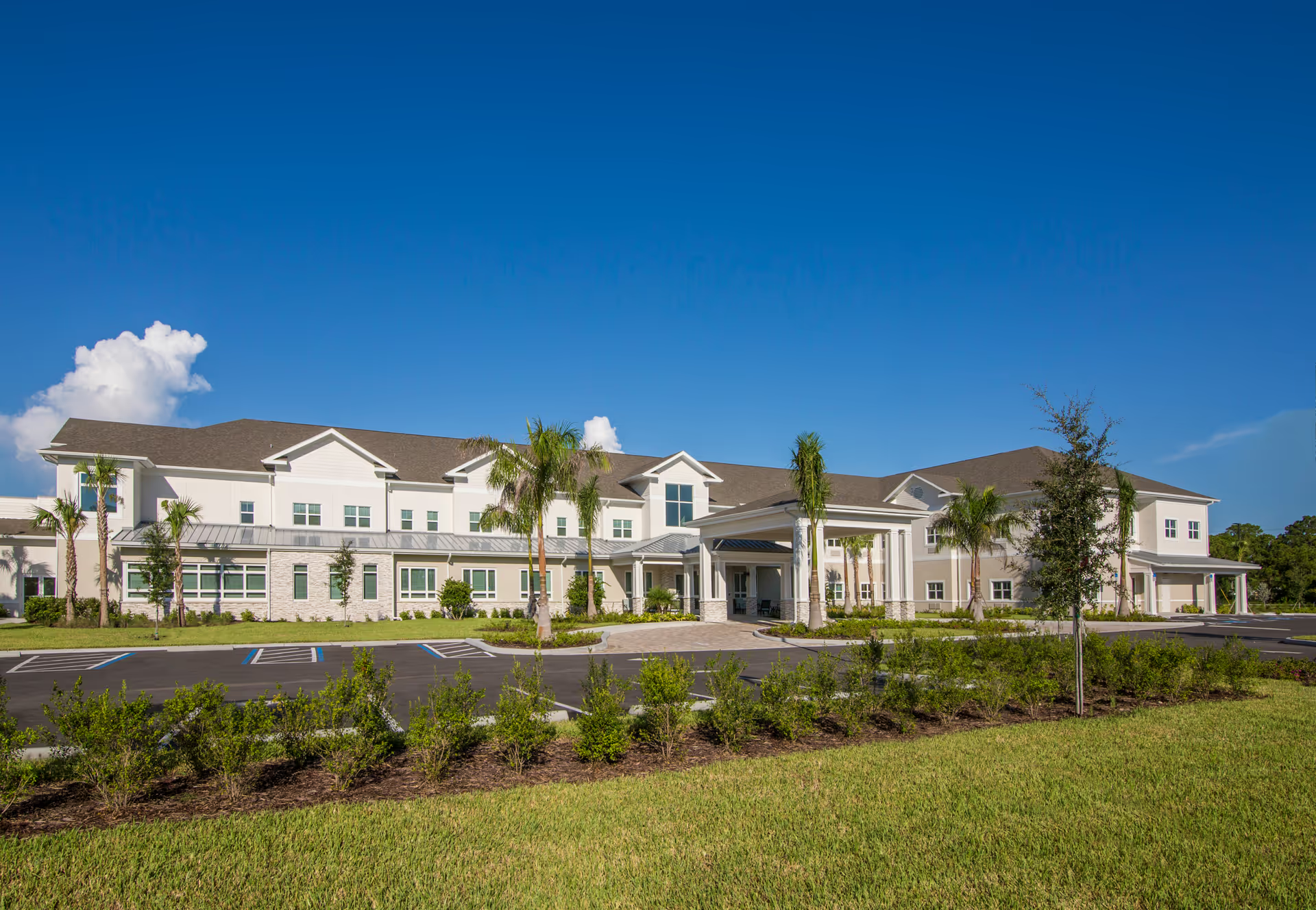
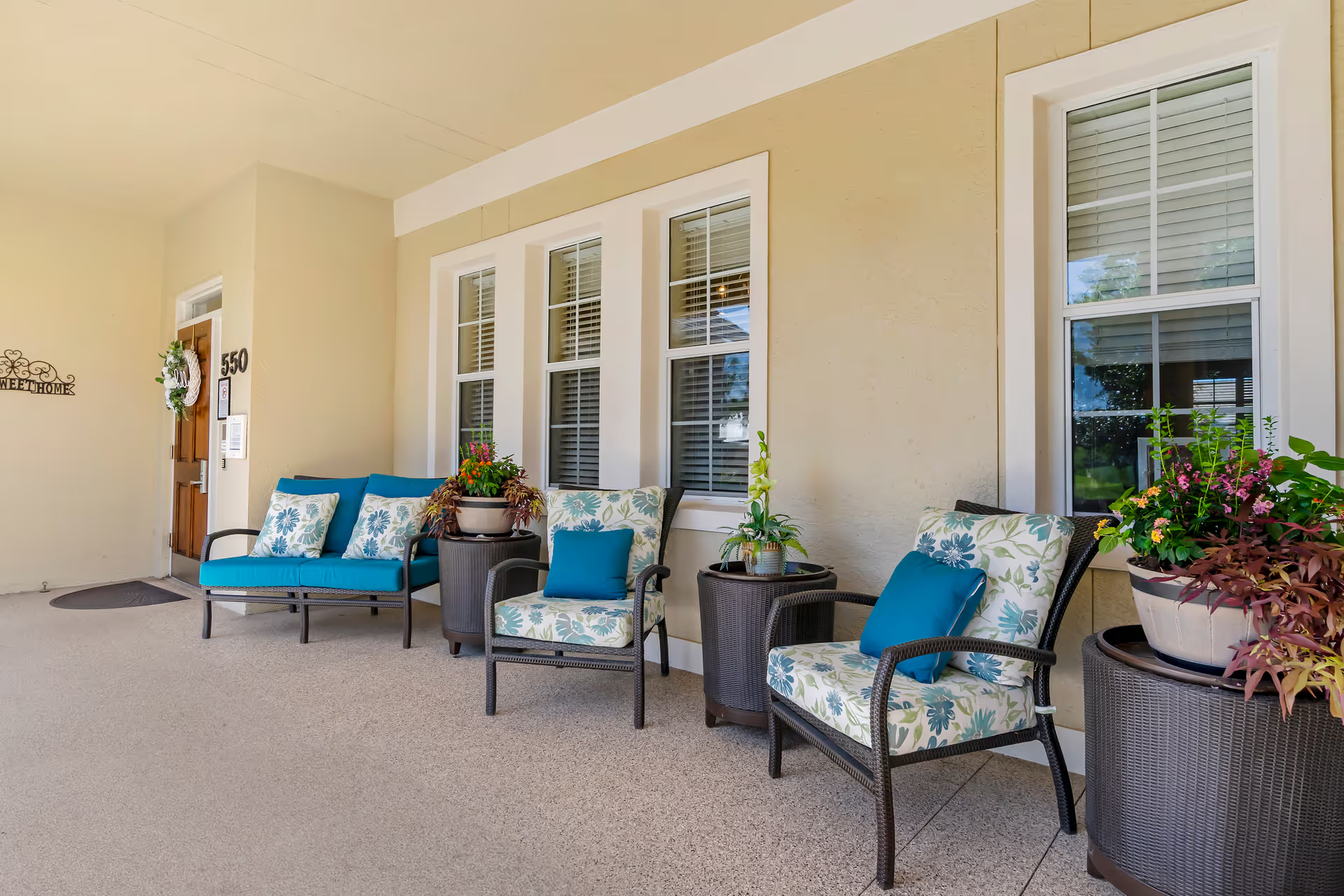
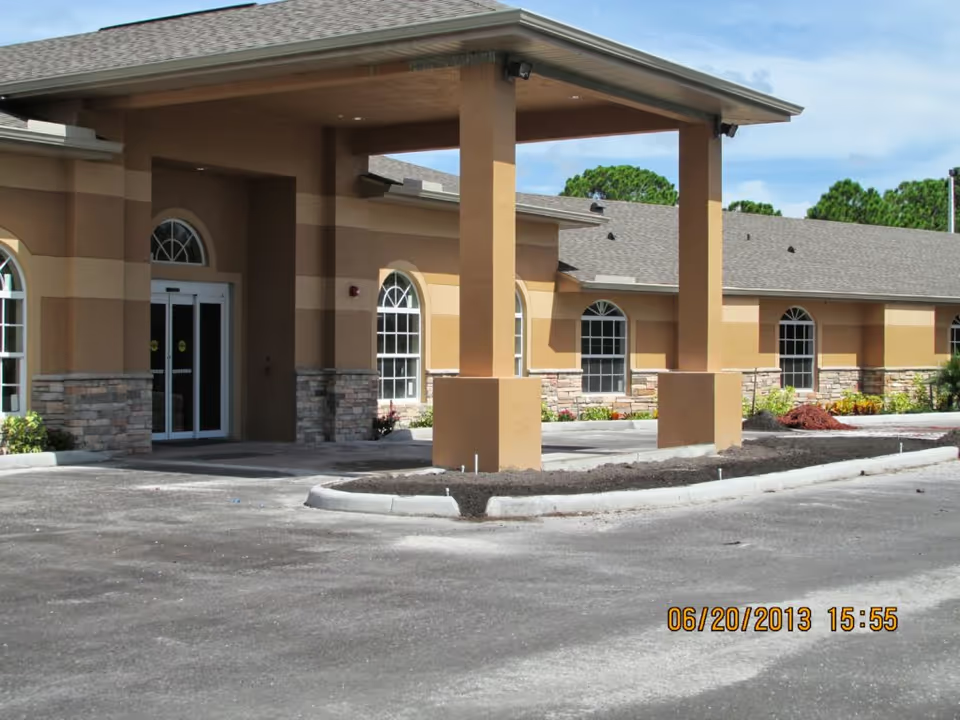
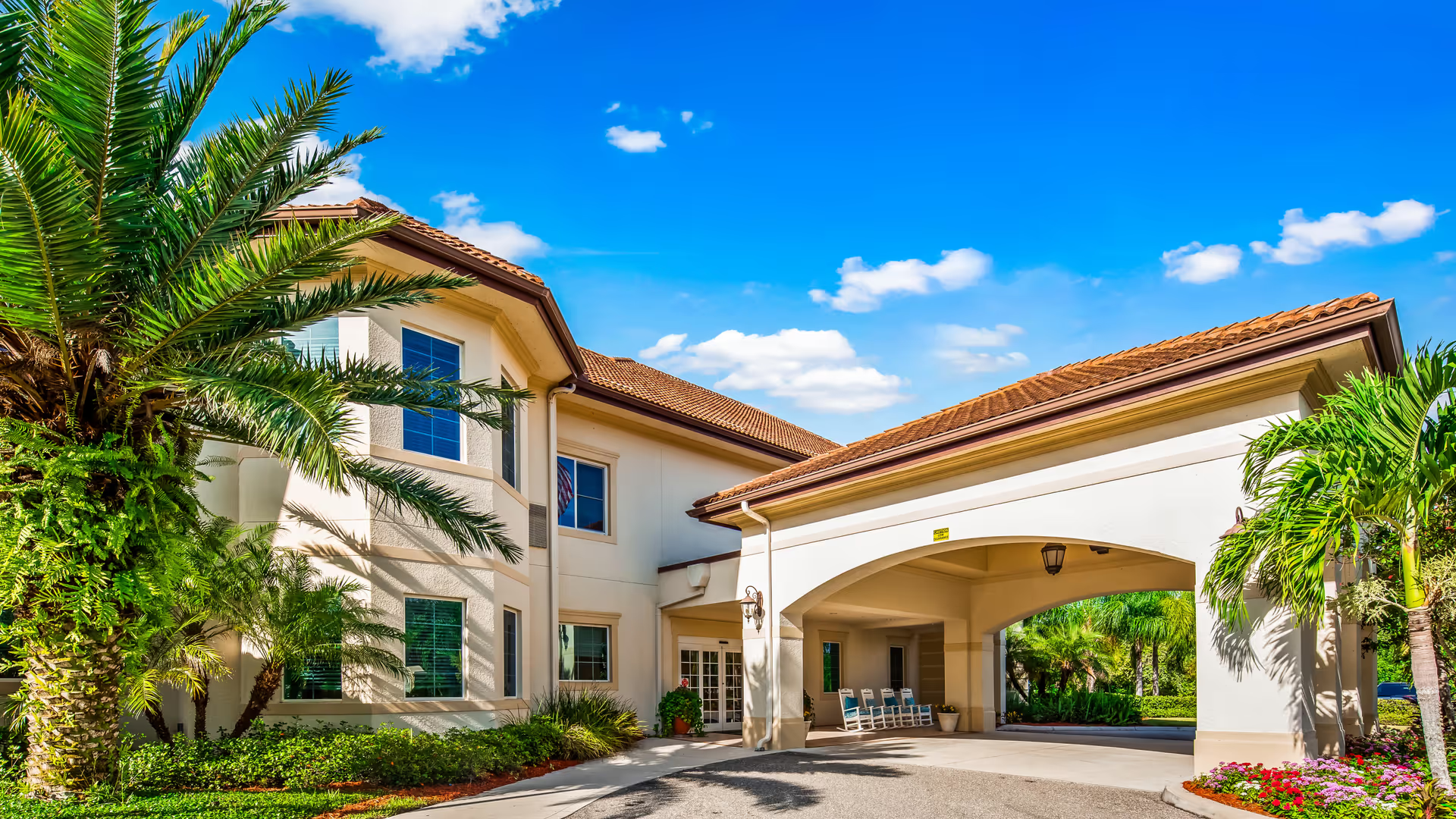
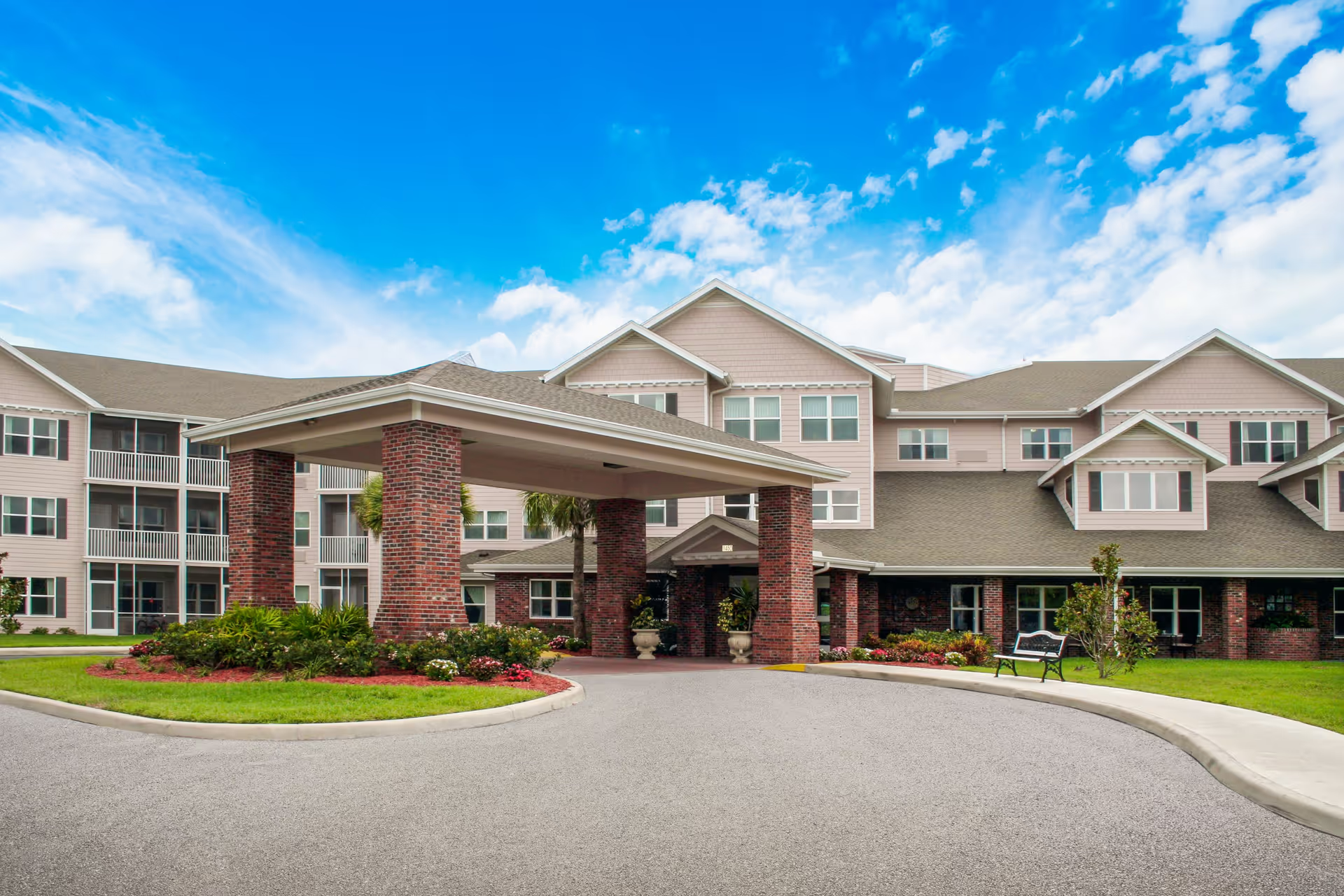
The physical plant is another area of variability. Positive reports note clean rooms, pleasant outdoor areas, and recent updates in some units; negative reports point to aging infrastructure issues such as air-conditioning outages, water-damage concerns, and localized sanitation problems. These contrasting accounts suggest condition and maintenance may differ by wing or by time period.
What prospective residents and families should take away: the facility can deliver strong, rehabilitation-focused care and has many staff praised for compassion and skill, but there are repeated operational themes that merit direct inquiry during a tour. Recommended topics to evaluate in person include current staffing ratios (day vs. night), medication-administration protocols, diabetic and therapeutic menu options, dementia-specific activity programming, wound-care and infection-control processes, laundry/property procedures, and examples of recent quality-improvement actions. Checking recent state inspection reports and asking to speak with therapy, nursing leadership, and social work staff can help clarify whether the positive practices or the operational gaps are dominant at the time of placement.