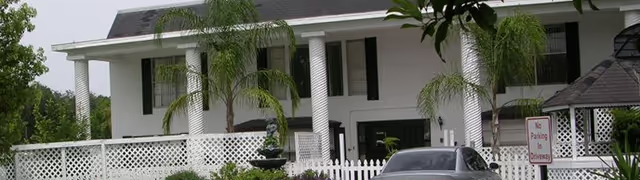
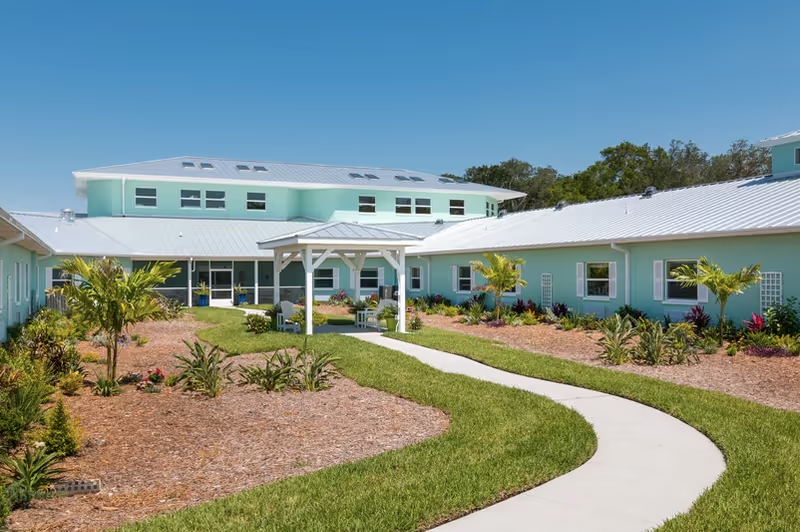
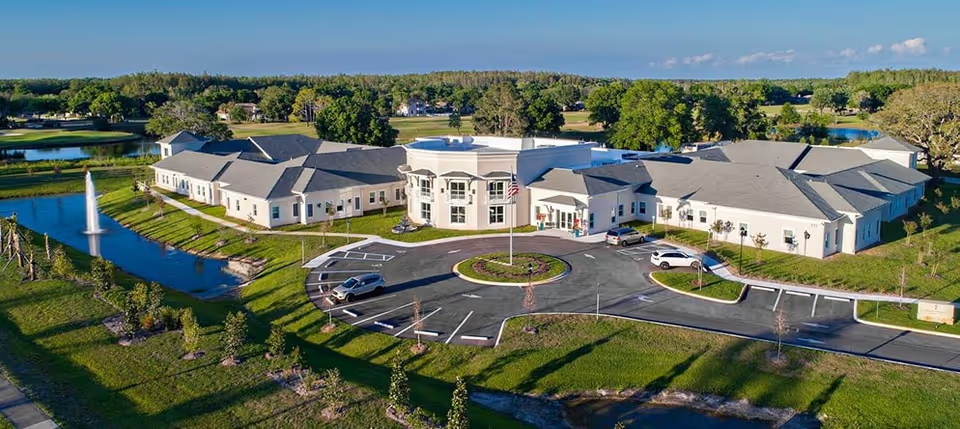
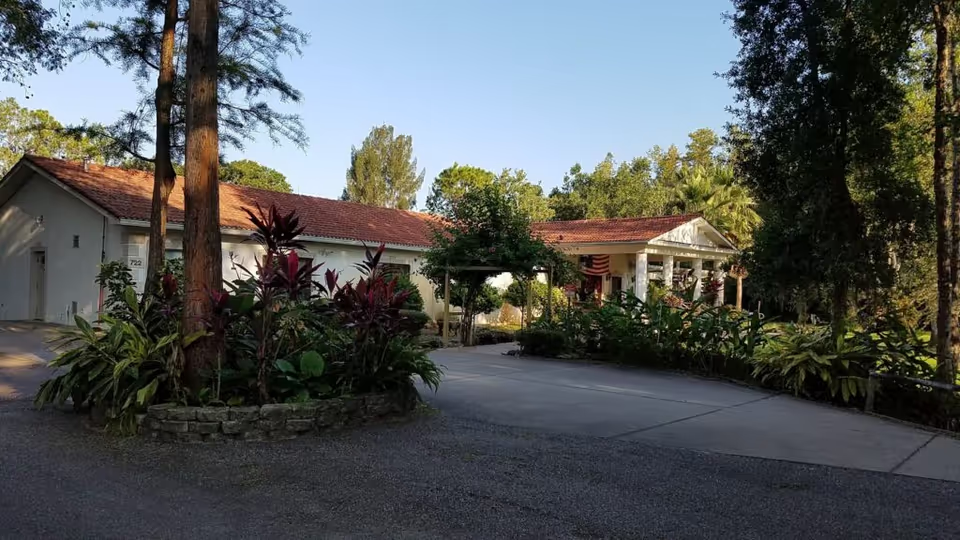
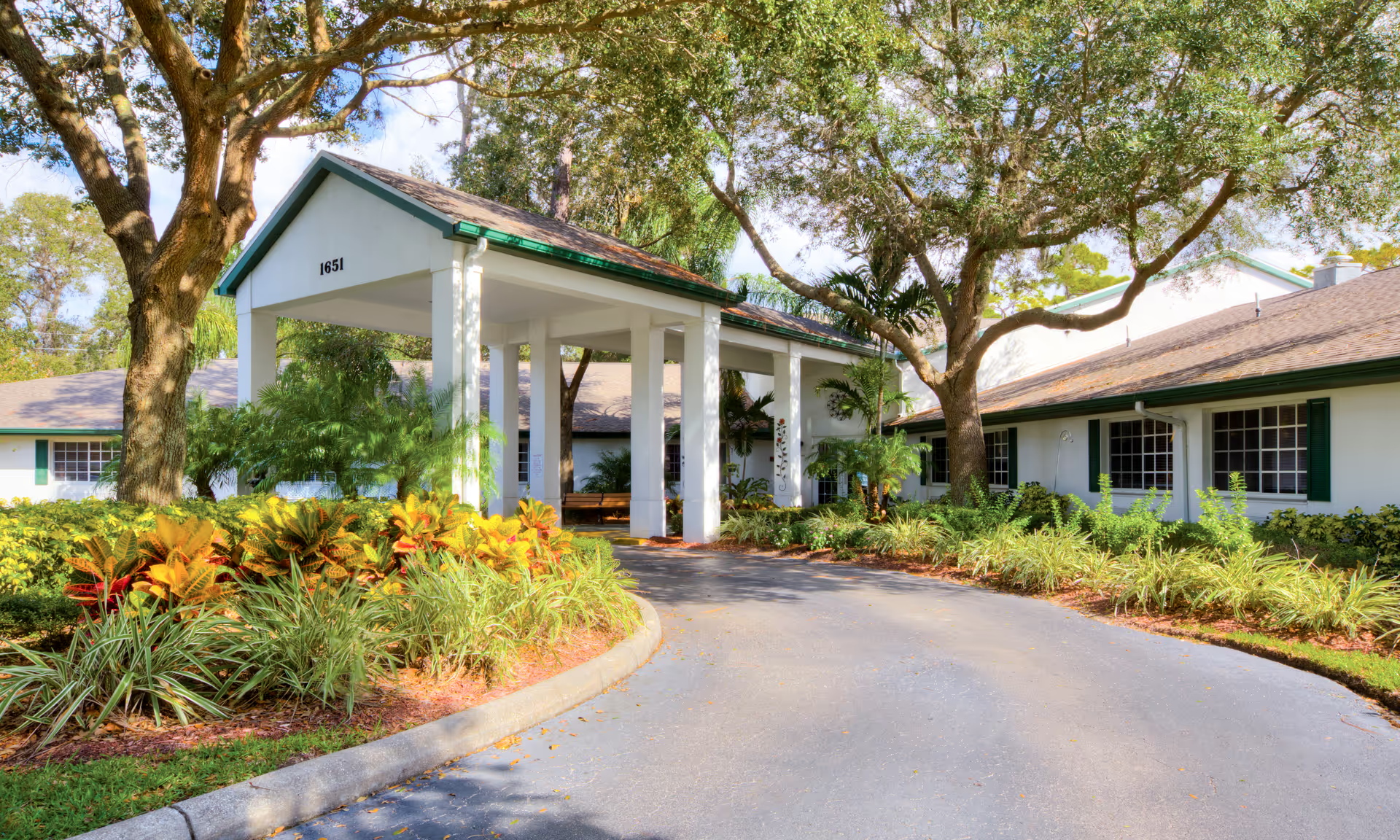
Overall impression: Sunshine Christian Homes presents as a well-maintained, faith-oriented nonprofit campus with a home-like visual character, active programming, and a visible staff presence. Many families describe bright common areas, meticulous grounds, and a welcoming reception area; the community operates independent, assisted, and memory-care wings and offers features such as a one-floor layout, family-style dining, and accessible bathing. Long-tenured employees and volunteer or community connections contribute to a stable, resident-centered atmosphere for many occupants.
Care and staff: Reviews most often highlight courteous, helpful caregivers and an attentive daily staff presence. Families frequently describe smooth transitions into assisted living, proactive medical staff in several cases, and staff who develop warm relationships with residents. However, there are also accounts indicating inconsistent care experiences between units: some families report high-quality, hands-on clinical attention, while others experienced delays or lapses that they felt affected a loved one’s health. These differences suggest variability in staffing levels, clinical oversight, or protocols across wings.
Dining and activities: Activity programming is a consistent strength — residents participate in bingo, crafts, exercises, teas, ice-cream socials, worship, and regular outings to local stores. Dining receives mixed feedback: some reviewers praise nutritious, flavorful meals and family-style six-to-a-table service, while others describe underseasoned or unacceptable meal experiences. This points to inconsistent culinary execution or menu satisfaction rather than an absence of dining structure.
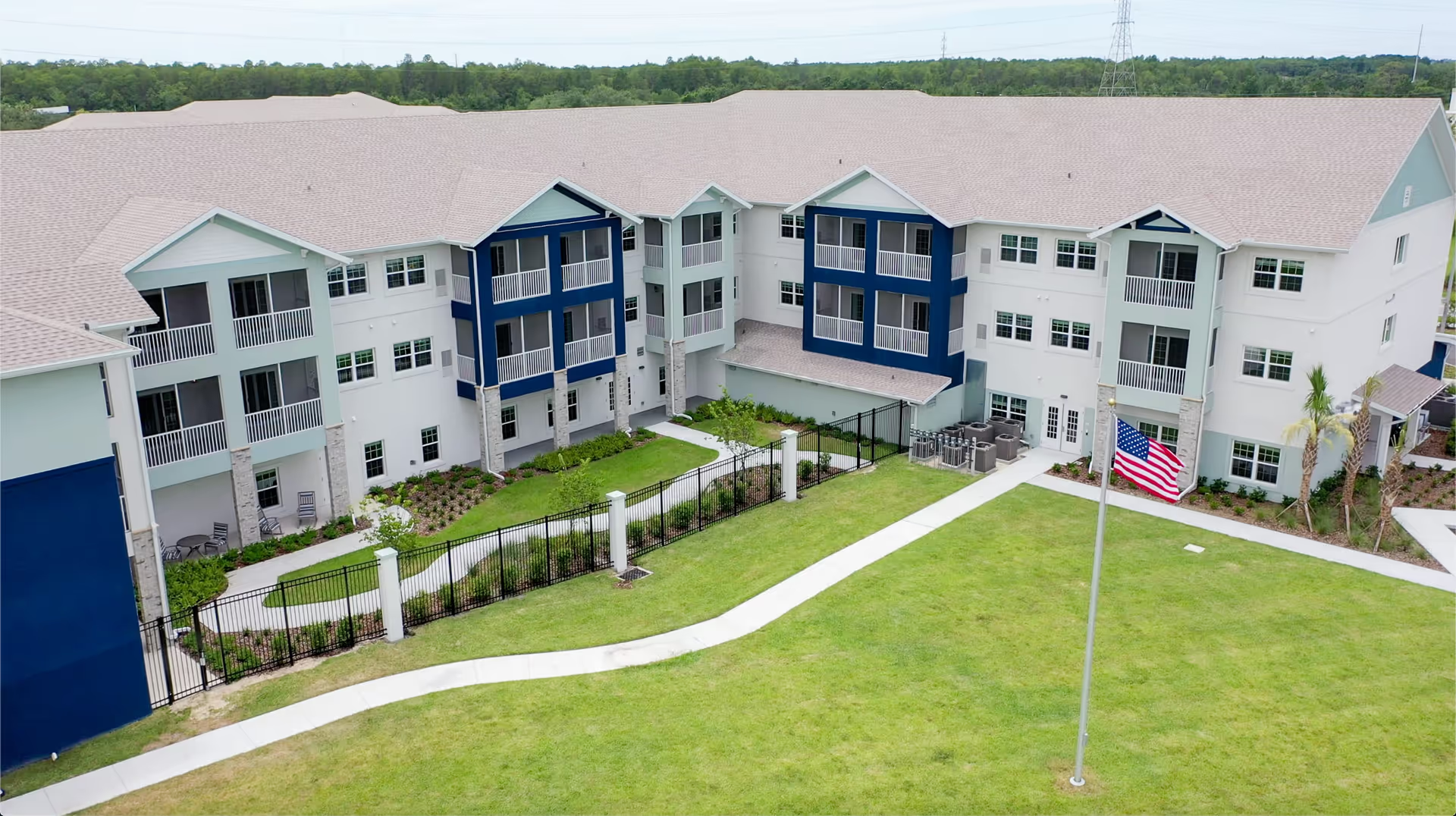
Facilities and accommodations: The physical plant and grounds are frequently described as clean, bright, and non-institutional, with carpeted interiors and cozy common spaces. The community includes dementia-secure areas and accessible bathrooms/showers. Room sizes vary; many note large private rooms with private baths, while others reference smaller or darker rooms in different areas. Prospective residents should confirm room dimensions and unit location during a visit.
Management and notable concerns: While several families applaud administration for professionalism and ease of move-in, there are significant management-related concerns in other accounts. Those concerns include inconsistent communication with families, dissatisfaction with grievance handling, and questions about property safeguards and dispute resolution. There are also serious individual-level claims involving medication handling and contentious administrative actions; these represent significant issues for any prospective family and merit direct inquiry with facility leadership and the relevant oversight authorities.
Patterns and recommendation: The dominant pattern is one of a generally clean, active, and faith-oriented community with many positive staff–resident relationships and robust programming. At the same time, variability appears across dining, care consistency, and management responsiveness. Prospective residents and families should tour multiple units, sample meals, review medication-administration protocols, ask about staffing levels and staff turnover, and request the facility’s grievance/incident-resolution procedures before deciding. Direct conversations with current families and a review of regulatory inspection findings can help clarify whether the facility’s strengths align with your expectations and clinical needs.