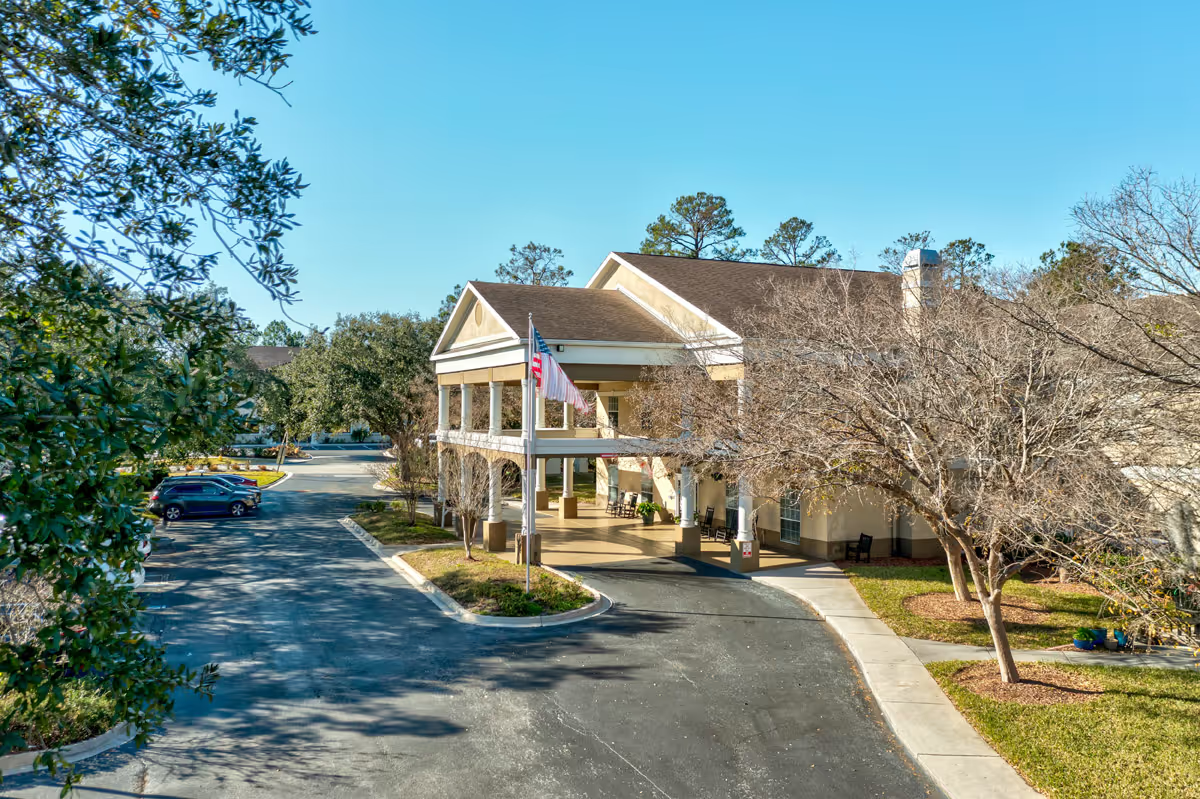
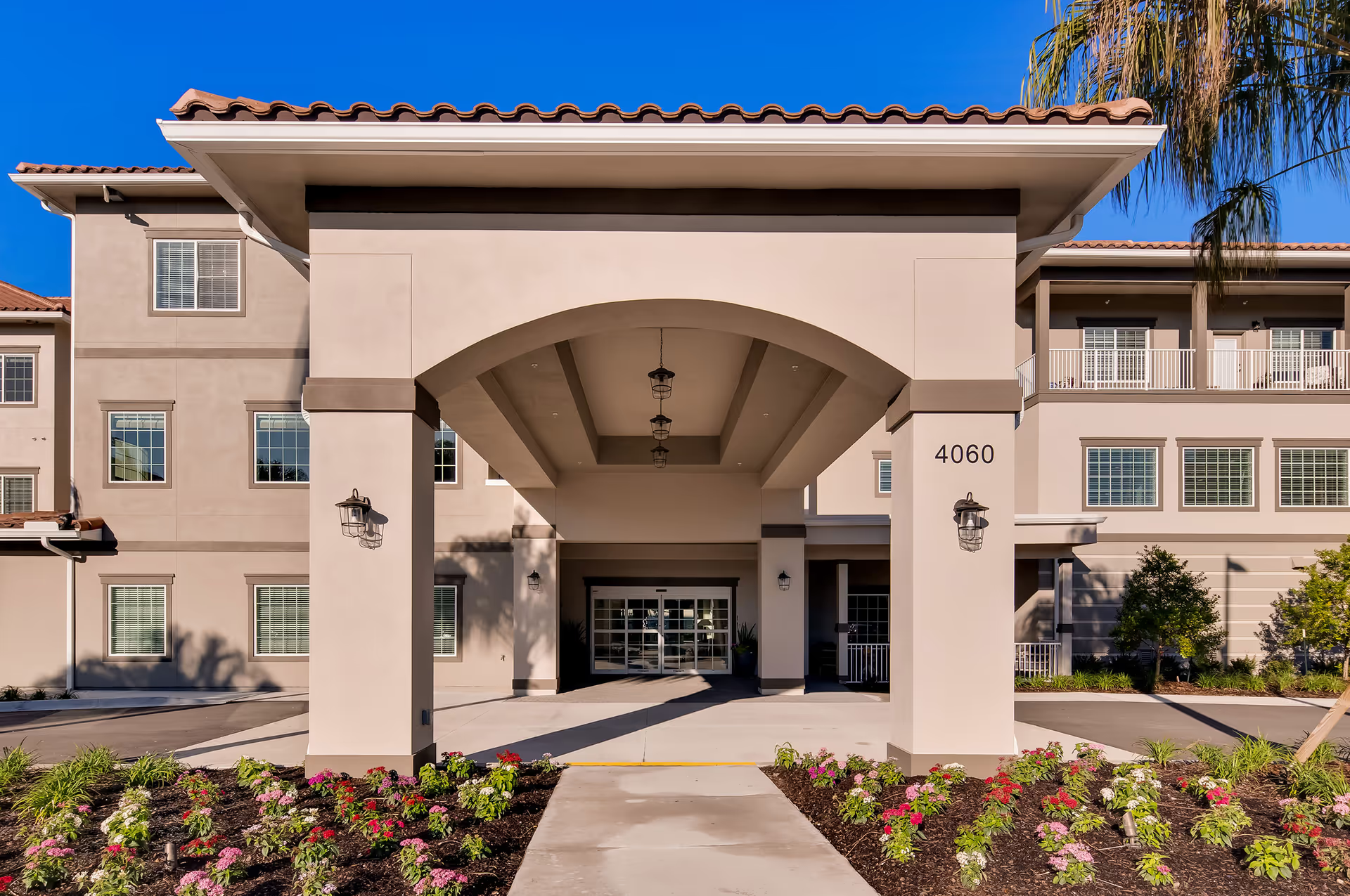
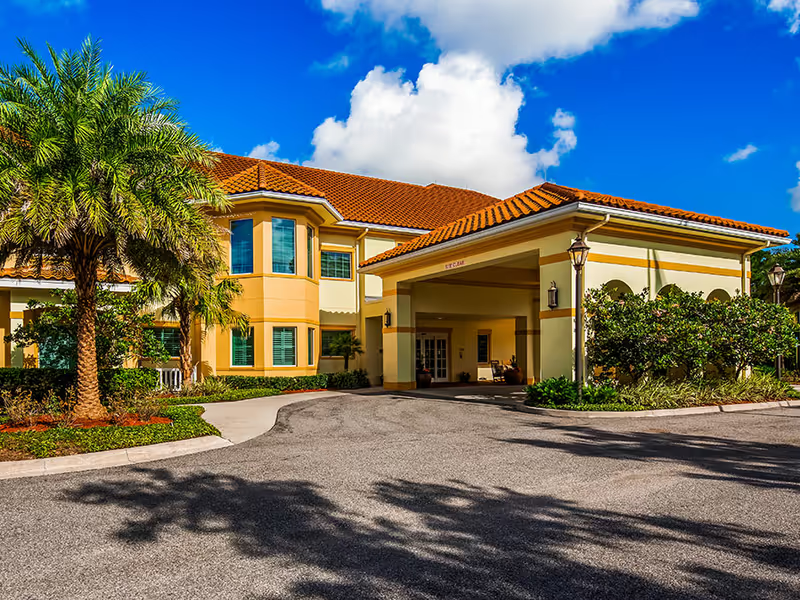
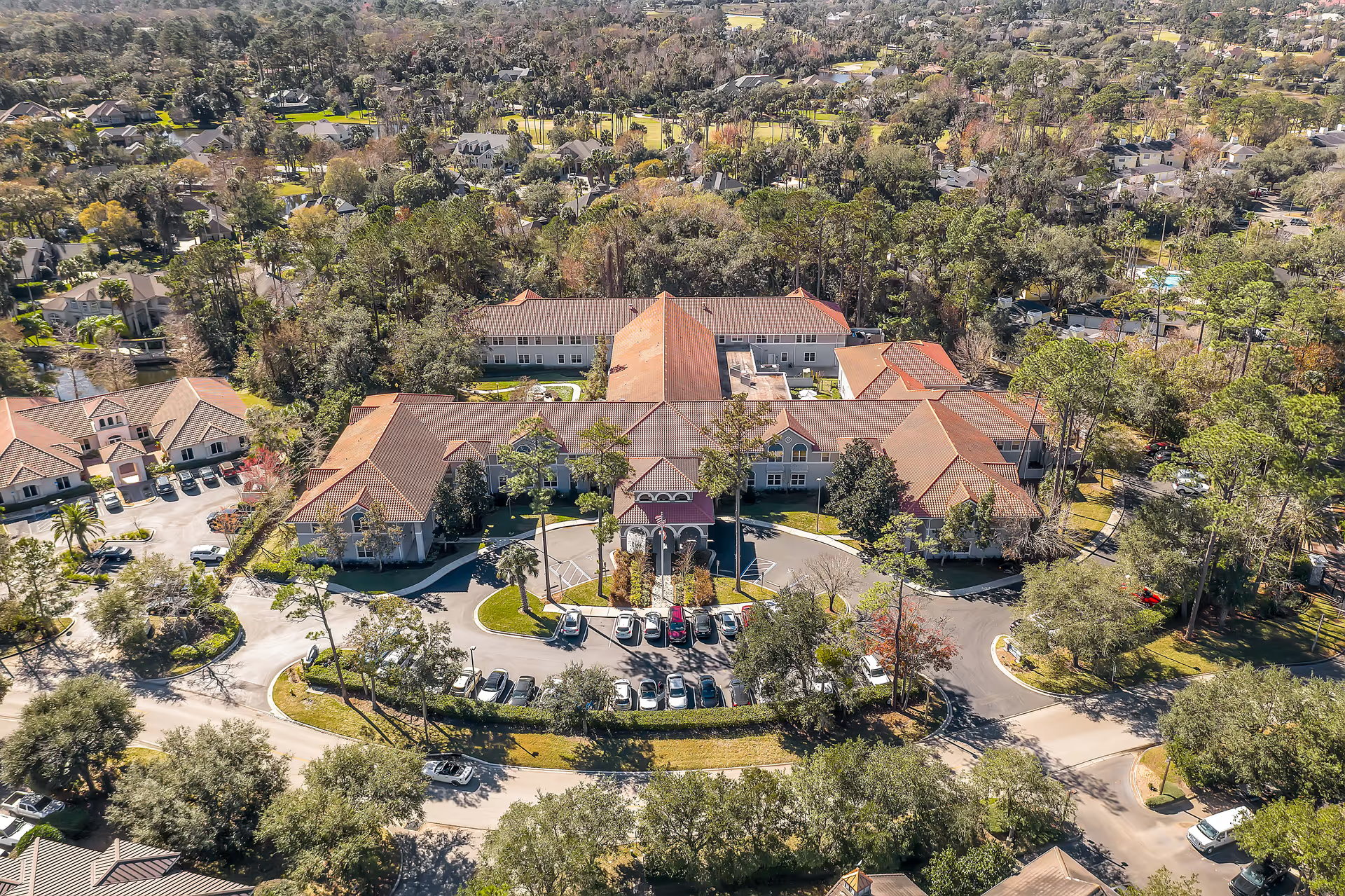
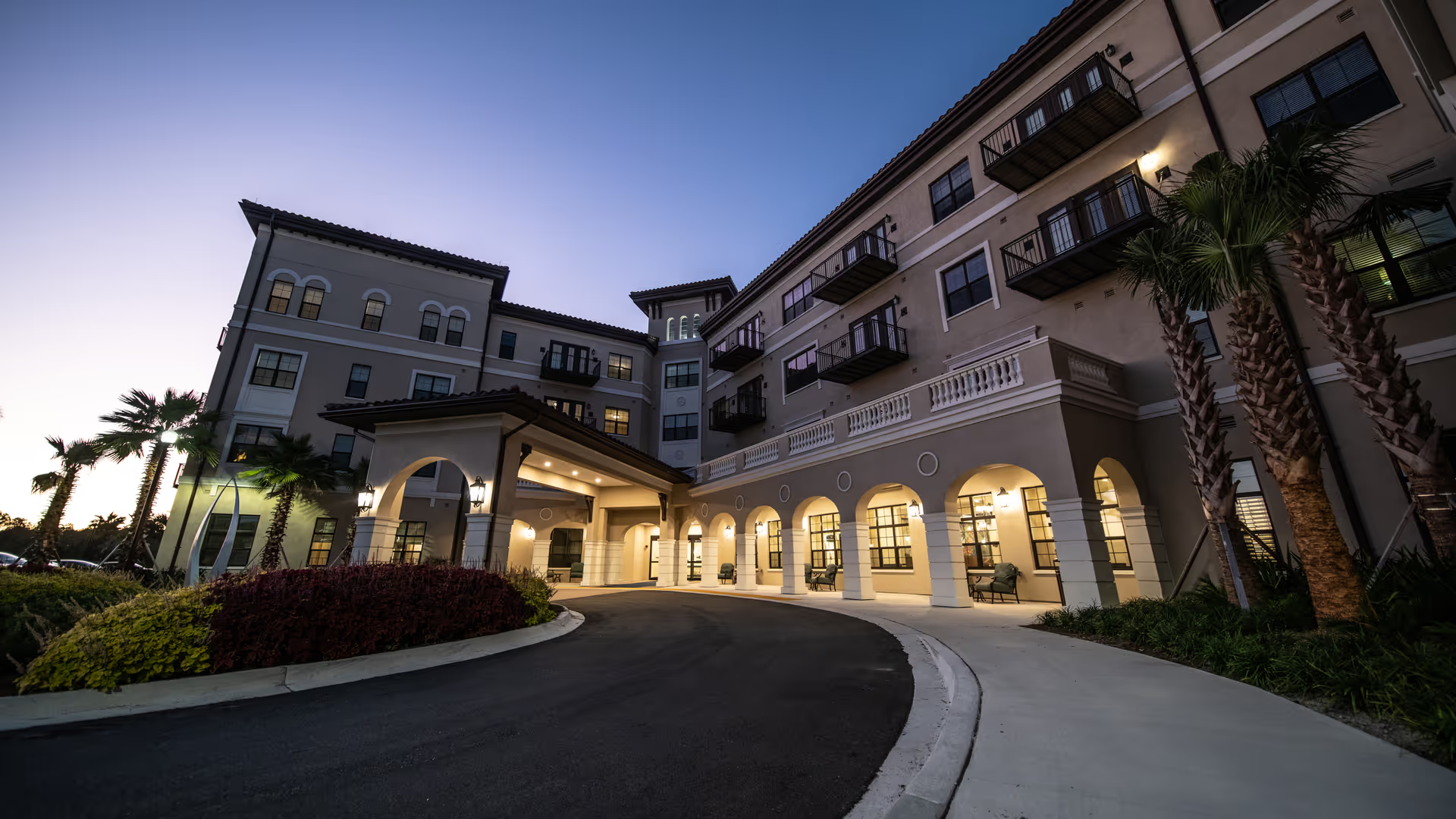
Cypress Village presents a complex picture of notable strengths alongside recurring operational weaknesses. On the positive side, the community offers an extensive campus with high-quality amenities: heated indoor pool, putting greens, walking trails and attractive grounds. Residents and families frequently praise the range of housing options, concierge and transportation services, and proximity to the Mayo Clinic. The facility supports a busy social life — many clubs, classes, trips, live entertainment, and a broad activities calendar — which contributes to a strong sense of community for independent residents.
Clinical and direct-care services receive mixed but often strong feedback. Physical and occupational therapy teams are repeatedly cited as effective, and several accounts describe successful rehab outcomes and smooth transitions from short-term care into assisted living. Many reviewers commend individual nurses, CNAs, and therapists for compassionate, attentive care; housekeeping and maintenance staff are also commonly recognized for responsiveness and timely repairs. The dining program has both advocates and critics: while multiple dining venues, an on-site chef, and attentive dining staff earn praise, meal quality and consistency appear uneven across stays and over time.
Where patterns of concern emerge, they tend to be operational. Chronic staffing shortages — particularly on night shifts and weekends — are a frequent theme, and families report delayed responses to call lights, long waits for toileting assistance, and limited overnight oversight. These staffing gaps correlate with reports of inconsistent bathing schedules, delayed toileting and linen changes, and supply shortages (wipes, bed pads, call-button batteries). Reviewers have also described lapses in medication timing and communication among clinical staff, as well as problems with discharge planning and coordination that can leave families to arrange equipment or follow-up services independently.
Administrative and management issues are another recurring pattern. Several accounts indicate uneven transparency around fees, high entrance or memory-unit deposits, and disputes over refunds after changes in residency status. Some families describe difficulty obtaining timely, clear responses from leadership about clinical incidents, lost belongings, or billing matters. Safety and maintenance concerns are noted in isolated but important areas — broken or unsecured equipment, call-button malfunctions, and other facility repairs that require follow-up. A small number of reviews raise serious individual allegations about lost valuables and contested administrative behavior; prospective families should treat those as items for direct verification.
Overall, experiences at Cypress Village range from highly positive — with residents reporting robust social engagement, effective rehab, and caring staff — to significantly problematic, where operational shortcomings materially affected care and family confidence. Patterns to probe during a visit include staffing ratios by shift (night vs. day), call-button system reliability and response metrics, medication-administration protocols, weekend therapy availability, discharge-planning procedures, processes for handling personal property, and written details on fees and refund policies. Asking for recent staffing data, incident-response examples, and references from current residents in similar care levels can help prospective residents and families weigh the facility’s strong amenities and clinical capabilities against the documented operational risks.