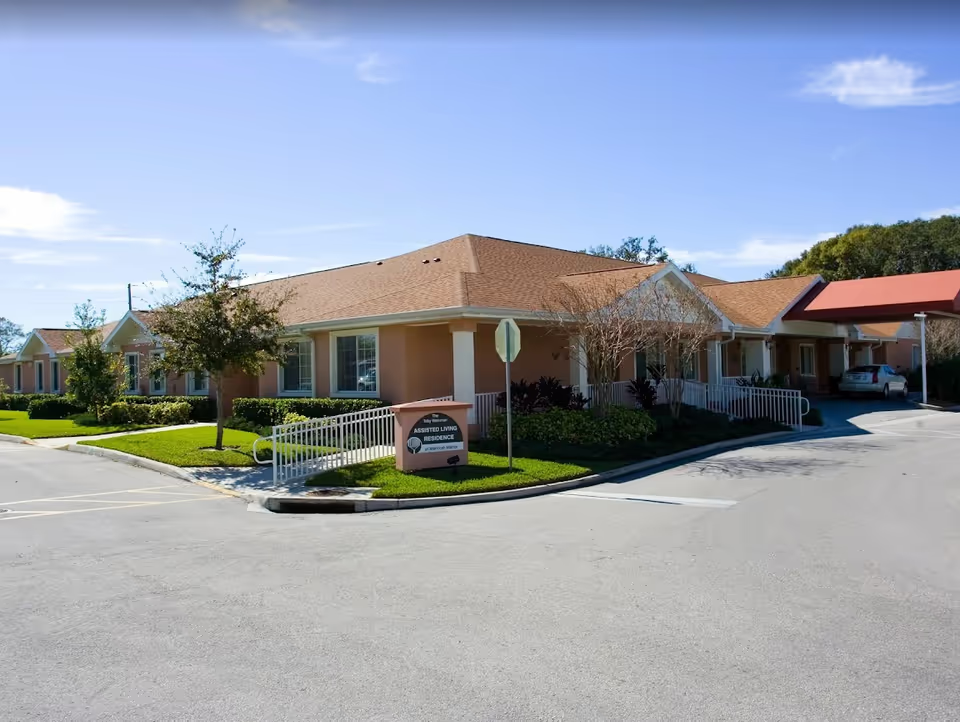
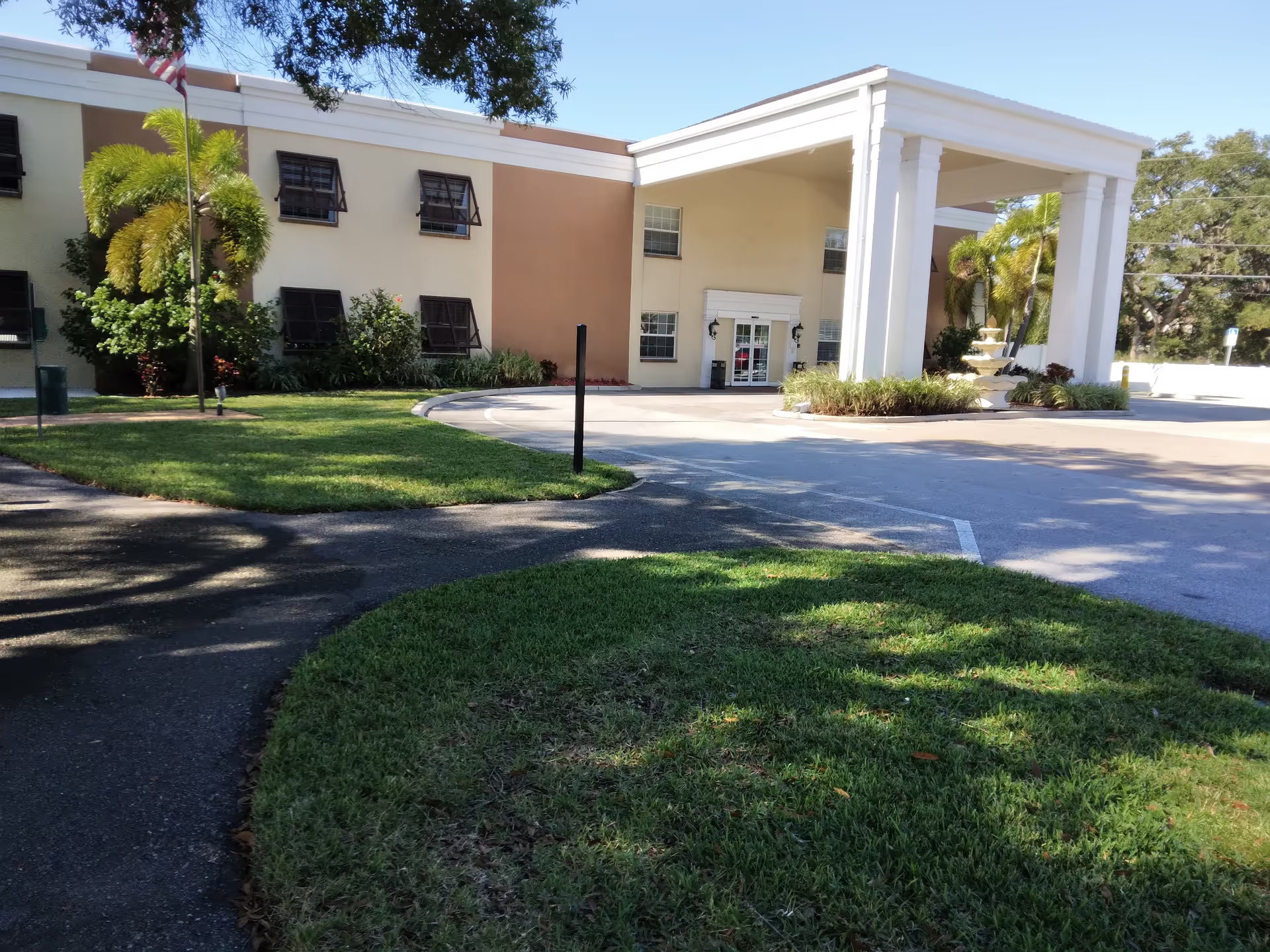
Reviews of Lexington Health and Rehabilitation Center are highly polarized, with distinct patterns of positive clinical rehabilitation outcomes and notable operational weaknesses. The facility's therapy program (physical and occupational therapy) is frequently cited as a core strength: reviewers describe rapid functional gains, effective therapy staff, and good therapy outcomes that in many cases facilitated return home. Several families praised specific therapists and rehab teams for individualized plans and measurable improvements.
Staffing and direct-care performance present a mixed picture. Many reviews highlight compassionate CNAs and nurses who provide attentive bedside care and supportive communication; named individuals and unit managers were singled out for going above and beyond. At the same time, other accounts describe inconsistent nursing responsiveness, delayed call-button answers, and uneven personal-care assistance, which families experienced as delays in toileting, bathing, or timely medication administration. These contrasts suggest variability in staff performance across shifts and units rather than a uniformly consistent standard of care.
Medication management, clinical coordination, and safety processes emerged as consistent areas of concern. Multiple accounts reference missed or delayed medications, medication-administration errors, and gaps in pharmacy/medication controls that in some cases required hospital readmission. Family communication about clinical events — including medication changes, falls, or clinician visits — was also described as unreliable in many reports, with difficulties reaching staff by phone and inconsistent documentation of doctor interactions.
Dining and nutrition experiences vary considerably. Positive reports note nutritious meals, adequate portions, and accommodating kitchen staff; however, a sizable number of reviews describe inconsistent meal temperature, limited variety, small portions, and interruptions in meal service. Food-service continuity and menu consistency appear to fluctuate by unit and shift, indicating a need for stronger kitchen processes to ensure reliable nutrition delivery.
Facilities, housekeeping, and maintenance are areas of conflicting feedback. Some units and recently renovated rooms are described as clean, modern, and well-kept, with responsive housekeeping. Conversely, other reviews raise sanitation concerns, pest-control concerns, mold-related observations, and structural maintenance issues such as peeling surfaces and aging fixtures. These differences suggest uneven environmental standards across the campus and variability in housekeeping/maintenance performance.
Management and organizational themes include praise for specific leaders and unit managers who are described as effective advocates, responsive, and hands-on. Simultaneously, reviewers frequently cite inconsistent administrative communication, turnover in leadership, and perceived lack of transparency around billing and discharge procedures. There are also serious allegations in a minority of reviews relating to theft and financial exploitation; these are described as allegations and would warrant formal investigation and verification by regulators.
Activities and social programming are generally seen positively when staffed and scheduled, with several reviewers noting meaningful engagement, outings, and therapeutic activities. Yet availability and consistency of programming are uneven in some units, corresponding to staffing levels and unit focus (short-term rehab versus long-term care).
Overall, prospective residents and families should weigh the facility's demonstrated strengths in rehabilitative care and several named staff members who deliver high-quality, compassionate service against operational inconsistencies: variable nursing responsiveness, medication-management risks, uneven cleanliness and maintenance, and administrative communication challenges. Visiting in person, meeting therapy and nursing leadership, and reviewing current staffing levels, medication-safety policies, and recent regulatory findings would help families clarify whether the facility's strengths align with a specific resident's needs.