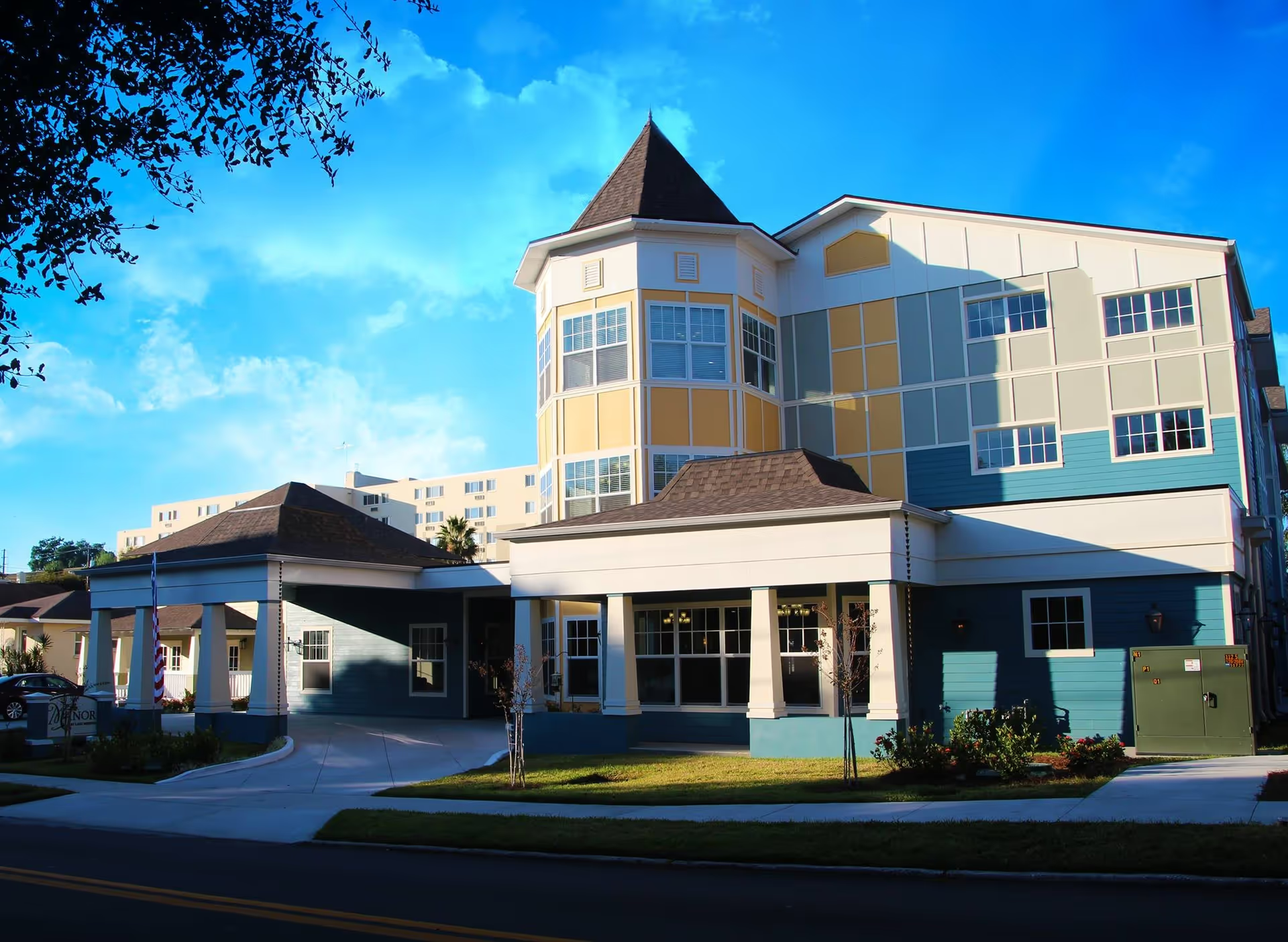
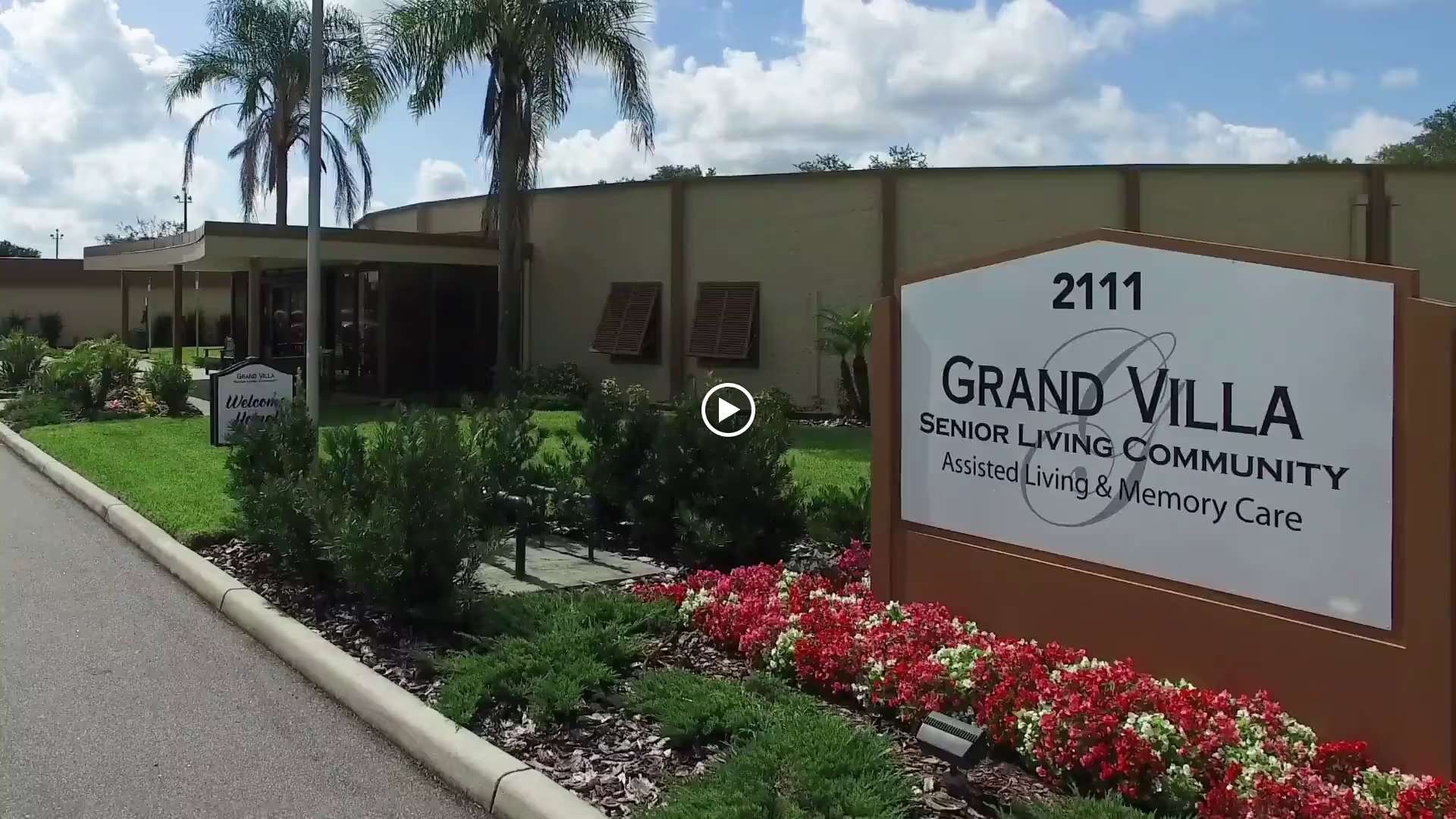
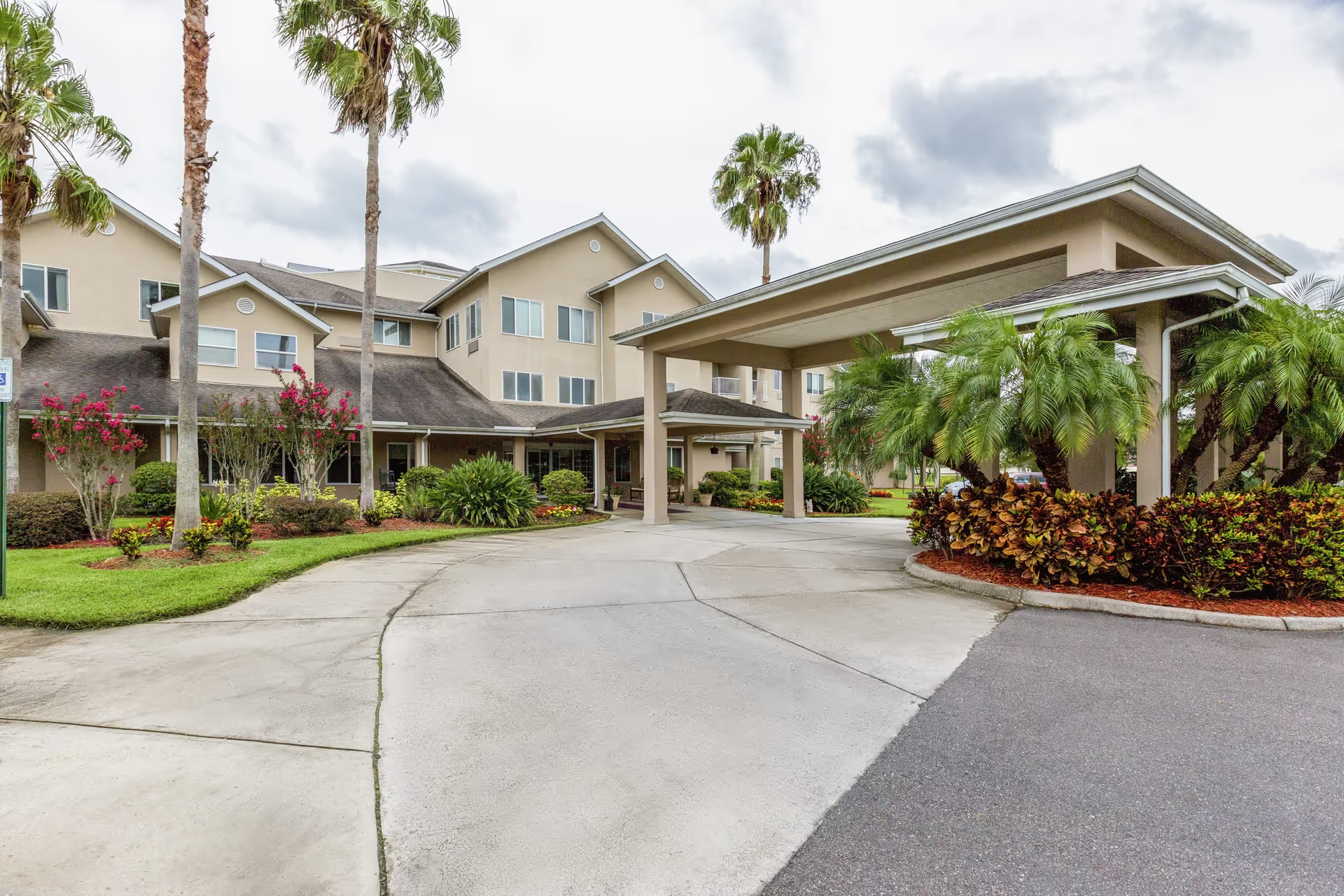
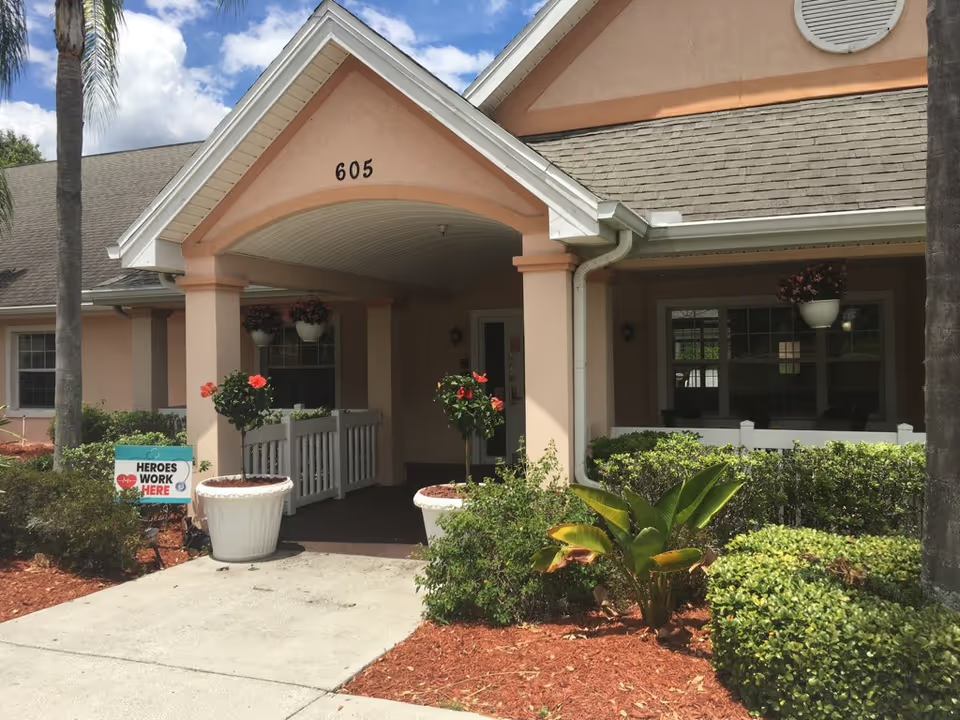
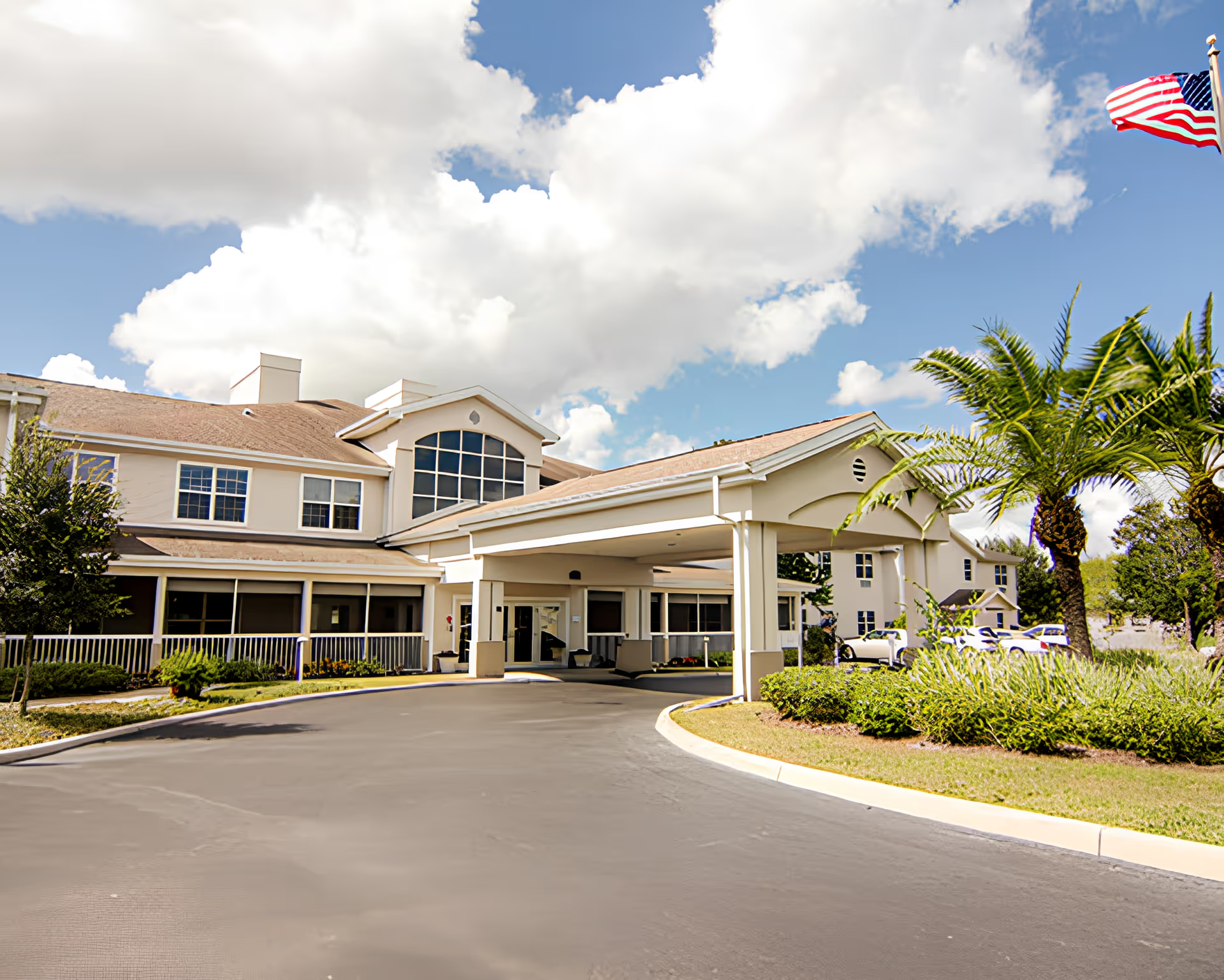
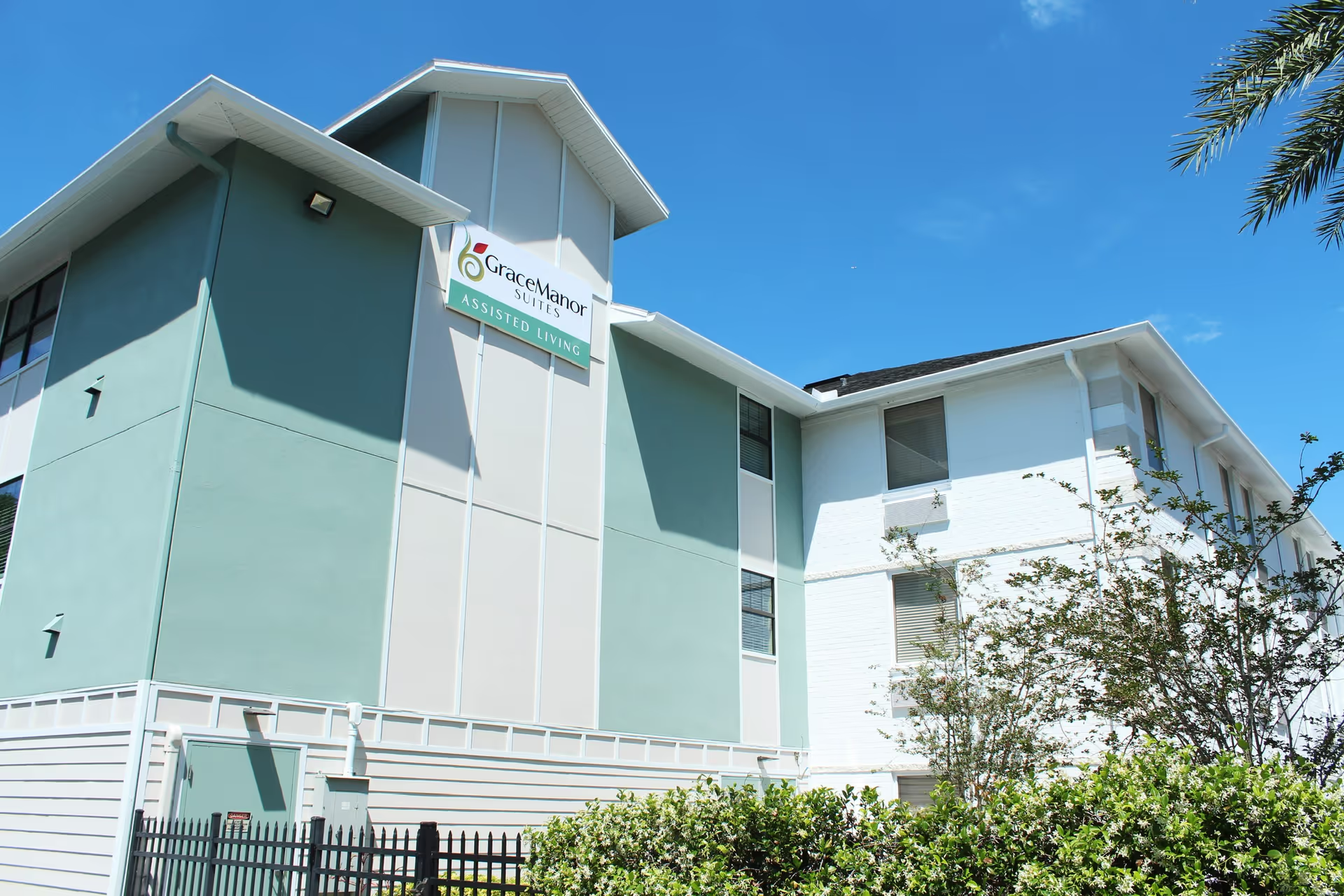
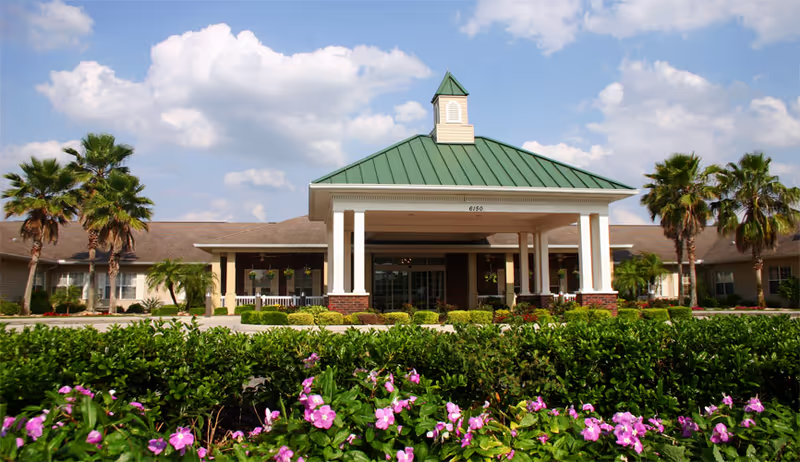
Reviews for Grace Manor at Lake Morton describe a facility with a pronounced split between strong interpersonal strengths and recurring operational weaknesses. On the positive side, families frequently highlight compassionate, attentive direct-care staff and a welcoming, small-community atmosphere. Admissions and move-in coordination are regularly described as smooth, with specific praise for family-advisors and activities/wellness leadership. The facility offers a robust calendar of programs — crafts, group games, music, special events, pet therapy, and outings — and many reviewers note that residents appear socially engaged and enjoy regular entertainment and trips. Dining is often described as home-style and family-style with three meals daily, and many found private rooms and common areas clean and well maintained.
At the same time, a consistent set of operational concerns appears across reviews. Staffing levels and turnover are cited repeatedly; reviewers describe periods of understaffing or variable staffing that correlate with service gaps. Related to staffing are noted deficiencies in dementia-specific training and limited on-site clinical oversight, including intermittent RN coverage. These operational gaps are linked in several accounts to falls-prevention and monitoring weaknesses, medication-administration inconsistencies, and delays in responding to care needs. Families also cite lapses in communication and transparency, including delayed or absent incident notifications and limited access to information such as security footage or clinical follow-up.
Facility management and maintenance issues are another recurring theme. Some reviewers report slow responses to maintenance requests and unresolved environmental concerns (for example, unresolved room temperature/AC problems). A subset of families raised sanitation and hygiene support concerns, including inconsistent bathing and toileting assistance; these descriptions suggest variability in day-to-day personal-care practice rather than uniformly poor conditions. A number of reviewers also flagged discrepancies between marketing materials and lived reality (room size, photos) and expressed concern about billing or unexpected rate increases.
Taken together, the pattern in the reviews suggests that Grace Manor has clear strengths in resident engagement, activities programming, and many elements of hospitality, but that those strengths coexist with operational vulnerabilities that can affect clinical care continuity and safety — particularly for residents with advanced memory impairment. Prospective residents and families who prioritize social programming, a small-community feel, and responsive admissions staff may find the facility a good fit. Those with higher clinical needs or advanced dementia should evaluate clinical oversight, staffing consistency, falls-prevention protocols, and communication practices closely.
Practical steps for family decision-making based on the review patterns: tour during activity times, request information about on-site clinical coverage and dementia training, ask for the facility's falls-prevention and incident-notification policies, verify maintenance response processes, review state inspection (AHCA) records, and consider unannounced visits during different shifts to assess staffing and caregiving consistency. These actions will help align expectations with the variable experiences described in the reviews.