Highlands Lake Center elicits strongly polarized feedback. Many families describe a supportive, rehabilitative environment with particular strength in physical and occupational therapy: residents show measurable improvement during short-term stays, and therapy staff are frequently characterized as professional and effective. Numerous accounts highlight compassionate direct caregivers, engaged nurses, helpful social-work support, and individualized discharge coaching that prepares families for home care. The facility offers an active calendar of recreational activities (trivia, bingo, movie nights, outdoor gazebo), a generally clean interior, and accessible transportation for medical appointments, which contribute to a positive experience for many residents and families.
At the same time, a recurrent pattern of operational weaknesses appears across commentary. Staffing consistency is a central concern: reliance on temporary/agency staff, frequent turnover, and periods of understaffing are associated with slow call-light responses and delays in attending to resident needs. These response-time issues extend to medication administration and refill management in some instances, producing delays that families find significant. Several accounts point to inconsistent incontinence-care and bathing schedules, missed grooming assistance, and occasional lapses in housekeeping and odor control in parts of the building. Together these items indicate variability in day-to-day care processes rather than uniformly poor practice.
Clinical safety and administrative coordination are other notable patterns. There are multiple mentions of falls, delayed emergency responses, and confusion around transfers or appointment logistics; these suggest opportunities to strengthen fall-prevention protocols, handoff documentation, and transport coordination. Documentation and discharge processes are occasionally described as disorganized, with families experiencing missing paperwork or delayed transfer notes. Personal-item management and billing practices have produced disputes and unresolved issues for some families, and there are a small number of serious allegations related to staff conduct and missing items that warrant careful inquiry by prospective families.
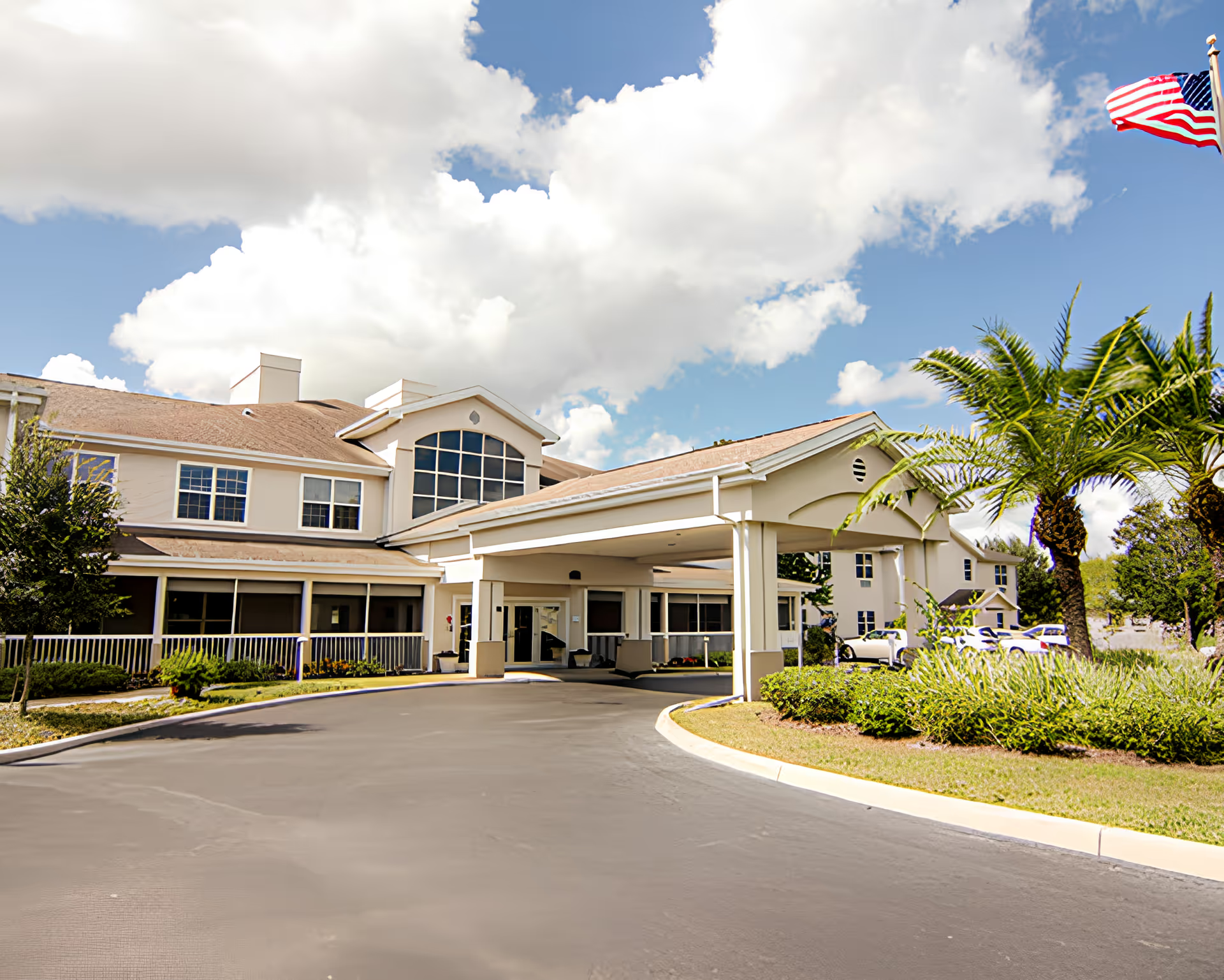
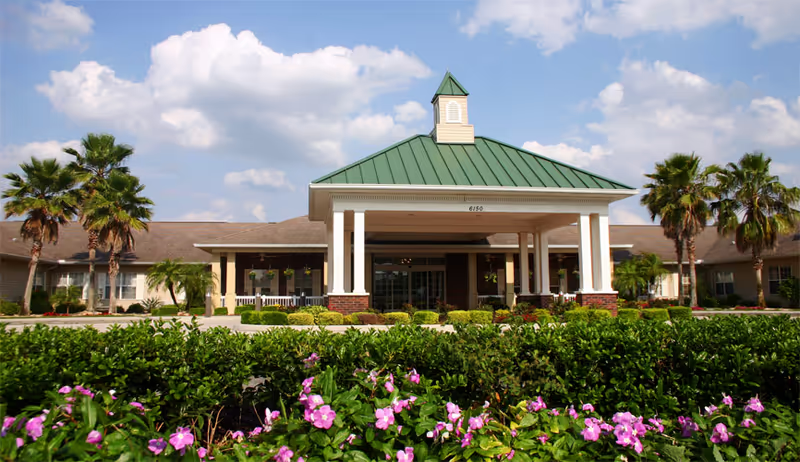
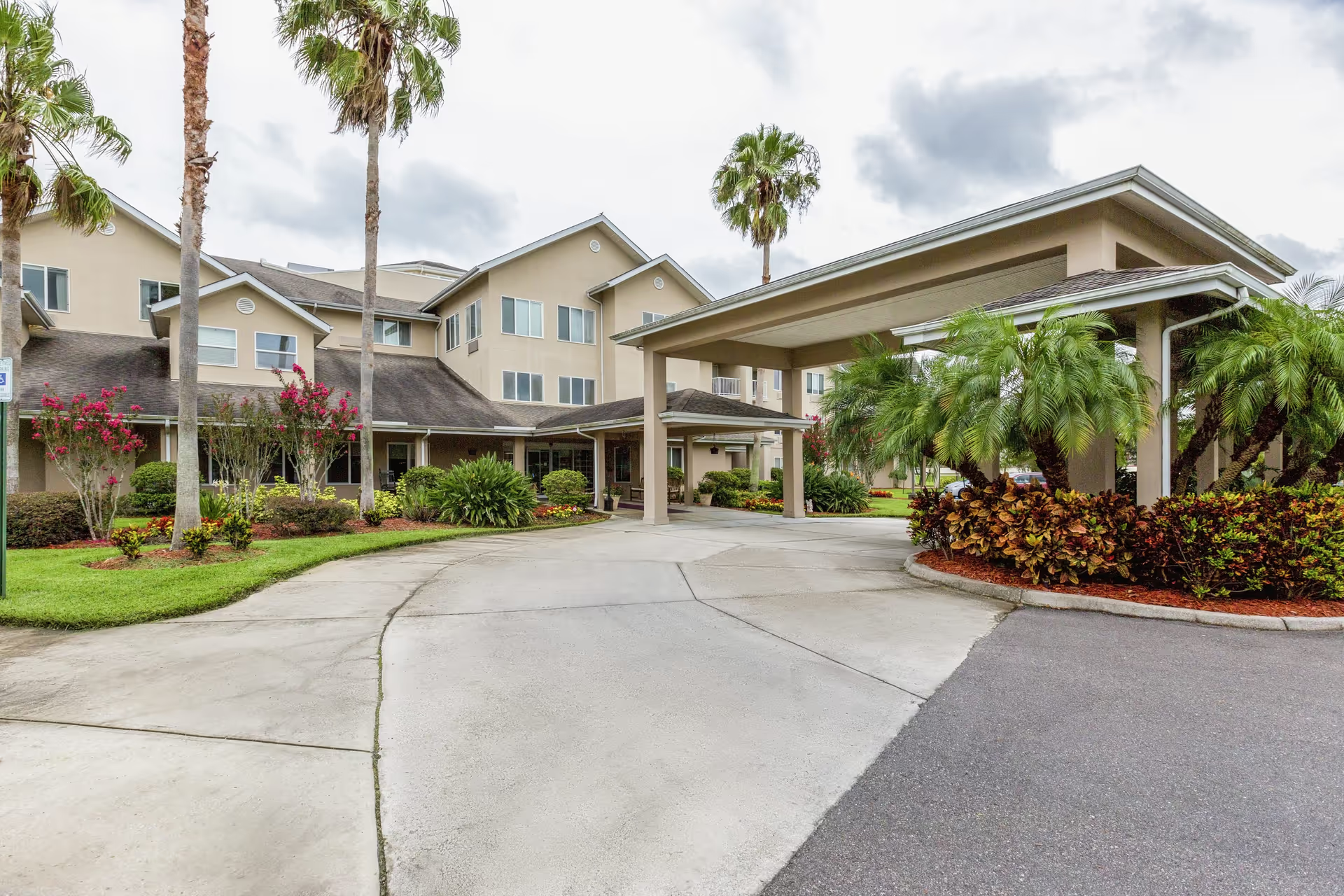
Dining and facilities feedback is mixed. Several accounts praise well-prepared meals, pleasant dining areas, and a clean, welcoming interior; others describe inconsistent food quality, unappetizing meals, and occasional lapses in kitchen or pest-control performance. The physical plant is often called clean and well maintained inside, though some wrote that parts of the building are dated and in need of investment, and there are intermittent odor-control concerns in specific sections.
Management and communication present similarly mixed signals. Many families commend individual leaders—nurse managers, social workers, and named staff—for responsiveness and strong bedside manner. Conversely, there are patterns of difficult administration interactions, delayed callbacks, confusing visitation guidance, and slow resolution of financial or clothing-item issues. These contrast between capable frontline staff and variable leadership consistency suggest the facility’s day-to-day quality may depend on unit staffing and current managerial stability.
Recommendation for prospective families: verify current staffing ratios and agency usage, ask for written protocols for call-light response and medication administration, review recent inspection and staffing reports, and request clarification on housekeeping, infection-control, and transfer procedures. Arrange an unannounced visit during peak hours, meet therapy staff if rehabilitation is a priority, and secure clear points of contact for after-hours concerns and billing questions. Highlands Lake Center demonstrates strong rehabilitative capability and many committed caregivers, but consistent oversight of staffing, clinical response, and administrative processes appears necessary to ensure those strengths are reliably delivered.