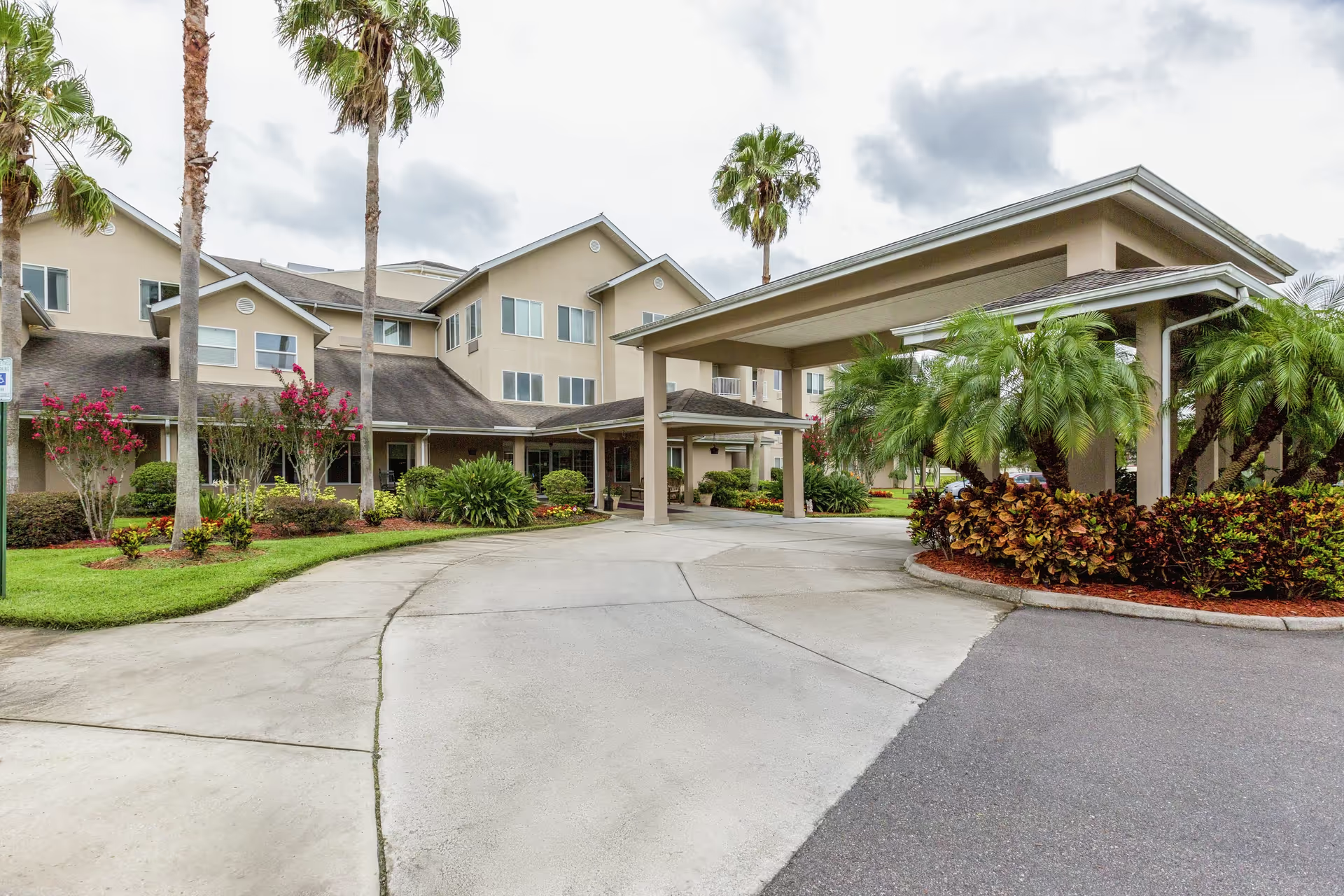
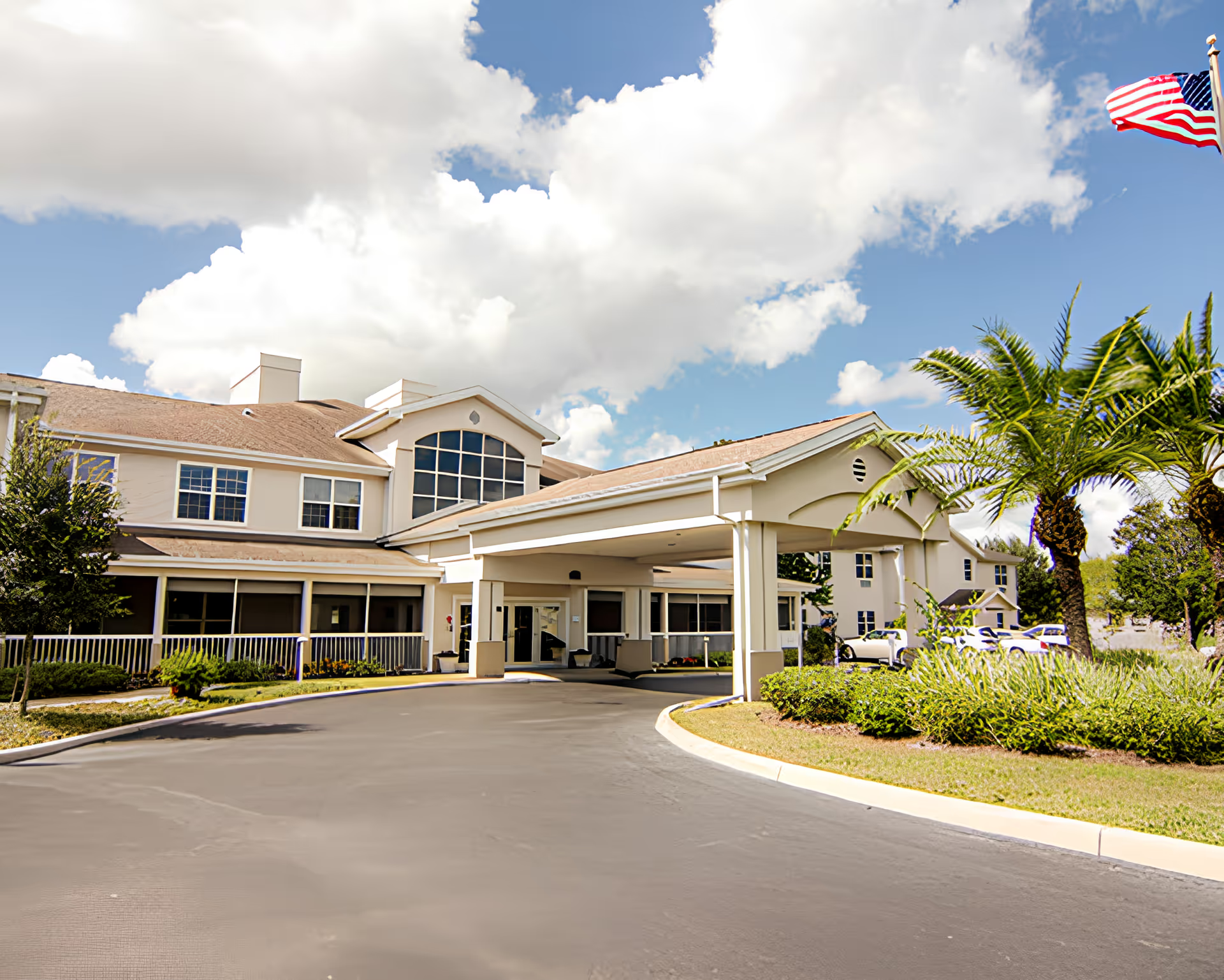
The reviews present a highly mixed picture of Lakeland Hills Center with clear strengths alongside recurring operational concerns. On the positive side, many families and patients praised individual staff members—particularly in admissions, nursing, and therapy roles—for being compassionate, accessible, and communicative. Rehabilitation services (physical and occupational therapy) are a commonly cited strength; reviewers describe knowledgeable therapists, measurable functional gains, and supportive rehab teams. Several accounts also note an organized admissions process, an active concierge program, and engaging activities (for example, dining-room programming and outings) that contribute to a welcoming atmosphere for some residents.
Contrasting with those positive reports, a substantial number of reviews describe systemic weaknesses that appear to recur across multiple areas of operation. Staffing levels and responsiveness are a frequent concern: reviewers describe delayed responses to call lights and wellness checks, inconsistent toileting assistance, and perceived understaffing during some shifts. Linked to staffing are sanitation- and odor-related concerns in certain rooms and common areas, and inconsistent incontinence-care practices. Reviewers also raised issues with maintenance and equipment safety (for example, delays in repairs and problems with mobility devices), which can affect resident safety and comfort.
Clinical and care-management issues are another prominent pattern. Multiple reviewers noted lapses in medication administration and clinical follow-up, including missed or incorrect medications and inconsistent monitoring of acute changes in condition. These lapses were sometimes associated with transfers to higher levels of care. Families also reported gaps in communication and in execution of care plans: care-plan meetings not being followed through, limited notification about clinical changes, and difficulty obtaining timely documentation or hospital paperwork. There are also repeated concerns about personal-property controls, including missing items, which undermine family trust.
Dining and nutrition received mixed feedback: some reviewers appreciated involvement of dietitians and saw improvement, while others described inconsistent meal quality, cold meals, and limited menu variety that prompted families to supplement with outside food. Activity programming and social engagement are cited positively by many as contributing to resident well-being, though those positive experiences coexist with accounts of noisy roommates and limited in-room entertainment access for others.
Management and leadership elicit both praise and criticism. Several reviewers commended administrators, the admissions team, and specific nursing leaders for responsiveness and customer service; others described poor follow-up, inadequate enforcement of standards, and a need for stronger operational oversight. Notable patterns include a sharp polarization of experiences—some families describe a safe, clean, and supportive environment, while others recount significant lapses leading to hospital transfers and formal complaints. Prospective residents and families should consider in-person visits, ask targeted questions about staffing ratios, call-light response times, medication-administration protocols, sanitation checks, property safeguards, and how the facility handles care-plan adherence and family communication. These operational details will help clarify whether the facility’s strengths align with an individual resident’s needs.